
Category
- Agriculture
- Automobiles and Machinery
- Bank, non banking financing, investment
- Blasting
- Construction
- Consumables
- Education
- Energy
- Engineer , Architecture and Geodesy
- Finance, Audit,Accounting and Brokerage
- Food
- Foreign Trade
- Geology Exploration
- Health
- Information Technology
- Insurance
- Labor Safety
- Legal and Business consulting
- Lighting
- Mining equipment
- Mining Services
- Other product and service
- Road
- Sewing and textile products
- Transportations
- Travel
Events


Events
| Name | organizer | Where |
|---|---|---|
| MBCC “Doing Business with Mongolia seminar and Christmas Receptiom” Dec 10. 2025 London UK | MBCCI | London UK Goodman LLC |
NEWS

Mongolia Energy Advances Khushuut Mine Infrastructure With New Office Project www.tipranks.com
Mongolia Energy’s subsidiary MoEnCo has signed a construction contract with AGGS LLC for a three-storey office building at the Khushuut Coal Mine in Mongolia, covering masonry, insulation, heating, plumbing, fire protection and ventilation systems. The project, valued at MNT 4.75 billion (about HK$9.98 million), will be completed within 190 days and includes a 5 percent performance guarantee from the contractor.
The office building contract is aggregated with an earlier foundation contract for earthworks and structural framing at the same site, pushing the combined transaction above the 5 percent threshold under Hong Kong’s listing rules. As a result, the deal is classified as a discloseable transaction, underscoring ongoing investment in mine-site infrastructure and triggering reporting and announcement requirements for Mongolia Energy under Chapter 14.
...
Construction of Second China-Mongolia Cross-border Railway Passes 50% Mark, on Track For 2027 Completion www.mcigroup.my
The construction of the second cross-border railway between China and Mongolia – the Ganqimaodu-Gashuunsukhait railway – has passed the halfway mark, with all 321 bridge piers completed on Friday. The railway is scheduled to complete and start operations in 2027, and is expected to handle 30 million tons of cargo transportation annually, according to media reports.
On Friday, 701 of the 760 precast T‑beams required for the entire line have been prefabricated, and 390 have already been installed. The remaining girders are expected to be fully placed by October 2026, keeping the overall timeline firmly on track for a 2027 completion, according to a report by CCTV News.
The railway runs from Ganqimaodu Port in Bayannur, North China’s Inner Mongolia Autonomous Region, crosses the border via Mongolia’s Gashuunsukhait Port, and connects to Gashuunsukhait Station in Mongolia’s South Gobi Province. The line officially started construction in May 2025.
It is the second cross-border rail link between China and Mongolia, following the Erenhot-Zamyn-Uud railway that opened in 1956 – a gap of nearly 70 years, according to official statistics.
The total length of the Ganqimaodu-Gashuunsukhait railway is 9.91 kilometers, of which the cross-border bridge section accounts for 6.08 kilometers. The entire line features 321 piers and requires the installation of 760 precast T-beams. It is expected that all beam erection work will be completed by October, with the line planned to open to traffic in 2027.
Once completed, the project is expected to handle 30 million tons of cargo transportation annually, effectively connecting China’s Ganquan Railway – linking the railway’s start point Ganqimaodu and Baotou, the city to its south – with Mongolia’s southward rail network. The transportation infrastructure is expected to further expand trade scale between the two countries in related fields and promote infrastructure connectivity and economic and trade exchanges along the route. – Global Times
...
Egypt to host COP18 on desertification in 2028 as Mongolia conference concludes www.english.ahram.org.eg
The United Nations Convention to Combat Desertification (UNCCD) announced that Egypt is set to host the 18th session of its Conference of the Parties (COP18) in 2028, following the conclusion of COP17, held over two weeks in the Mongolian capital, Ulaanbaatar.
The convention said COP18 would provide the next major opportunity for countries to build on the progress achieved in land restoration and drought resilience and advance the outcomes of the Ulaanbaatar conference.
As it prepares to host the next session, Egypt stressed the importance of strengthening international cooperation and adopting an integrated approach to land degradation, climate change, and biodiversity loss.
Such an approach would help enhance food and water security and strengthen resilience to mounting environmental and climate challenges.
Egypt will host COP18 at a time when international efforts to restore degraded land require faster implementation. Up to 40 percent of the world’s land is already degraded, while countries have pledged to restore more than one billion hectares by 2030.
COP17 concluded after two weeks of negotiations on combating land degradation, desertification, and drought. Discussions focused on moving from commitments to implementation by expanding financing, investment, viable projects, and international partnerships.
“COP17 must be a conference of implementation. We leave with more of the architecture needed to make that possible through innovative financing mechanisms, portfolios of investable projects, and partnerships capable of scaling up solutions,” UNCCD Executive Secretary Yasmine Fouad said.
She raised a series of questions that would determine the conference’s success: “Are countries better prepared for drought? Are degraded land and rangelands being restored? Is financing reaching viable projects? And are the people who manage the land seeing a real difference in their lives?”
COP17 also saw the launch of several international initiatives, including the Rangelands Flagship Initiative, which has mobilized $1.2 billion across 45 projects.
The conference also launched the Drought Resilience Investment Facility, which aims to mobilize up to $400 million in public and private capital for projects involving water security, sustainable agriculture, nature-based solutions, and land restoration.
Participants announced a $1.3 billion financing portfolio to support land restoration and drought resilience in 23 countries across five continents.
The portfolio includes $644.5 million in new financing, of which $216.4 million has already been confirmed and is moving towards implementation.
Countries will continue working to implement the COP17 outcomes ahead of COP18 in Egypt in 2028. The next conference is expected to provide an important opportunity to assess global progress in restoring degraded land and strengthening drought resilience
...
COP17 in Mongolia wraps up with 1.3 billion dollars of Green Investment Pledge www.euronews.com
Countries signatories of the UN Convention to Combat Desertification agree with banks and private investors on financing scores of projects in 23 countries across 5 continents.
After 12 days of debates and negotiations in the Mongolian capital, Ulaanbaatar, delegates of 197 parties (196 countries + the EU) who signed the United Nations Convention for Combating Desertification wrapped up the soConference of Parties (COP17) with note-worthy results.
Like in all previous COPs it proved difficult to achieve unanimity over a legally binding all-encompassing documents, especially at the time when the big powers question the mere principle of multilateralism.
But, the Convention is a process and from the beginning of COP17 the host country Mongolia and the UN have appealed for it to try to produce tangible results.
“Today, the time has come for us to ask ourselves a bold and candid question – we have spoken at length and made many declarations, but have we been able to turn our words into action?
The previous events all brought meaningful outcomes. But, the truth is that the world has never lacked goals and commitments.
What we need more urgently are the resources, financing, technology and institutional environment to turn those commitments into tangible results,” said Mongolian Prime Minister Nyam-Osoryn Uchral.
So, did the COP17 produce tangible results?
40% of usable, arable land on the planet is affected by land degradation. That is, it is slowly turning into a barren desert. The problem already affects 3.2 billion people in the world. From the very opening of COP17 its officials and delegates from different countries warned that the world often fails to see that the more obvious issues such as migration, wild fires and draughts are often consequences of the land not being able to sustain vegetation and human habitation.
“Desertification can simply be a food crisis because once your land is degraded you will not be able to plant and you will have both food and water security problem and migration and displacement.
Here, the people are not being given a choice whether they will leave their land, yes or no, but they have nothing to sustain their livelihood and give them resilience. Add to that the impact of draught, the climate change and the loss of biodiversity and it all adds to the problem of desertification,” says Yasmine Fouadh, Executive Secretary of the UNCCD.
Our languages, cultures, ethnic backgrounds and religions may differ, but we share a common determination to safeguard the future in which we can all continue to live in harmony with Mother Earth.
Nyam-Osoryn Uchral
Prime Minister of Mongolia
“We will not be able to resolve any of our issues without working on the land. 90% of our food comes from the land, 99.8% of our calories come from the land, our cities and on land, our villages and farms are on land, rivers, lakes, all the freshwater lie on the land. And that land also stores three times more carbon dioxide than there is in the atmosphere,” warned dr Osama Faqeeha, advisor to COP16 in Riyadh.
Raising funds
During COP16 in Riyadh in Saudi Arabia, mechanisms were initiated to gather financial institutions, bank and private equity to invest in projects that protest land from degradation. It is possible because those projects can be profitable, especially if they tackle water utilization and sustainable agriculture.
The Convention estimates that inaction on land costs the world almost 900 billion dollars a year while investment in healthy land could generate up to 1.8 trillion through food production, water provision and carbon storing. Yet, the investment so far remains modest.
“If you look at how much money goes into artificial intelligence, it is the same amount of money that goes into climate financing – 2 trillion dollars a year.
But, when you double-click on climate financing, less than 3% goes into land and water. It is way under-invested.
And the white-paper we published puts forward reasons why businesses can actually invest into land and water. It can bring returns, every dollar you put into land brings 8 to 30 dollars in exchange,” says Gim Huay Neo, Managing Director World Economic Forum.
This is why the governments, development banks and private investors were able to announce one of the biggest successes of COP17 - the $1.3 billion in new and pipeline financing for land restoration and drought resilience across 23 countries on five continents.
Of the $1.3 billion announced, $644.5 million has been identified as new finance, while $216.4 million has already been confirmed and is moving towards implementation, the UNCCD noted.
The announcement came against the backdrop of perceived huge financing gaps for meeting global land restoration commitments.
“There is a huge gap in the funding for land preservation. Annualy, about 355 billion dollars is needed but we have only about 70 billion, so we miss around 280 billion,” says deputy Prime Minister of Mongolia Togmid Dorjkhand who chaired the ministerial session on finance.
“The governments have raised over a billion dollars for projects and in the afternoon session we got the private sector involved and another 1.3 billion were discussed so all in all about 2.1 billion dollars are on the bale. COP17 has been a success in that financial part,” explains Dorjkhand.
A lot of fundraising was done in direct talks between the financial institutions and governments. Mongolia as used the opportunity to offer favourable conditions for opening data centres across its vast territory.
The advantages it presented are the low cost of energy, 40% of savings on cooling owing to Mongolias harsh winters and the fact that 98% of land in Mongolia is state-owned which simplifies construction.
“But this is not the only thing that Mongolia offers, there are also legal advantages. We have just proposed a so-called data law which guarantees data sovereignty. It basically turns data centre into a data embassy in which both data and connectivity, networking guarantee safety and security.
So, we hope that this will be attractive to those who want to build data centres to serve the largest market, China, but still keep their data outside China,” explains Mongolian Minister of Digital Development Chinbat Nomin.
Networking, planning and making commitments
COP17 saw hundreds of events and many countries had their pavilions on the its grounds. Big projects were presented, like the Chinese “Green Wall of China” a mega project of planting billions of trees over several decades to stop the spreading of deserts.
Countries most affected by desertification had the biggest presence. Among them the host country, Mongolia, where 77% of land is already degraded and where Gobi desert “swallows” thousands of hectares every year.
“There are many problems that countries share and we all learn from each other here,” says Bakhtiyor Pulatov, Rector of the Central Asian University of Environmental and Climate Change Studies. “Uzbekistan has established scientific approach to solving the problem of the land degradation because it is serious in our country, more than 70% of the territory is already a desert or turning into one.
So, we established many systems like early warning system for sand and dust storms. There is also the initiative of our president Shavkat Mirziyoyev to plant a billion saksaul trees in deserts that works well.
We also opened the only university that studies the environmental issues, because we believe I science and we are ready to share, out pavilion here is open to their countries that have similar problems,” says Pulatov.
The Mayor of Ulaanbaatar hosted the first Mayor’s Forum during COP17. It gathered participants from 30 countries, including around 30 mayors, governors and other local and regional leaders.
They signed a joint declaration, exchanged experience and agreed that they would be involved in the negotiations by their national governments in the future because they will be the ones implementing the solutions to combat desertification.
Also, within 90 days they will create a network of cities in dryland and extreme climate areas.
All the countries of UNCCD have made national agendas. More of them than ever came to Ulaanbaatar with their own initiatives.
In Riyadh we had 35 initiatives and real national agendas and we continued after that in 2025 and 2026 and we came here to Mongolia and we have 200, or to be exact 198 initiatives under the Riad action agenda, says dr Osama Faqeeha, advisor to COP16 in Riyadh.
During 12 days in Ulaanbaatar alliances were forged, like the one between China and the League of Arab States who made a joint 5-year plan of cooperation to restore land. Countries shared experience in fighting desertification.
Where politics meets life
Summits of this kind can often feel distant from real life of the people whose problems are being discussed. Negotiations are mostly behind closed doors and end in documents whose bureaucratic and expert language is difficult to understand.
A day into the conference, it opened the so-called Green Zone, part of the event open to the general public. More than 400 events were held in its halls, stages and meeting points. It was visited by thousands of people who could see exhibitions of around 60 different organisations.
This is where visitors met representatives of businesses, civil society, scientists, young people, entrepreneurs and government agencies and see their projects, solutions, screenings, workshops and cultural performances.
...
Parliament Chairman Begins Luxembourg Visit www.montsame.mn
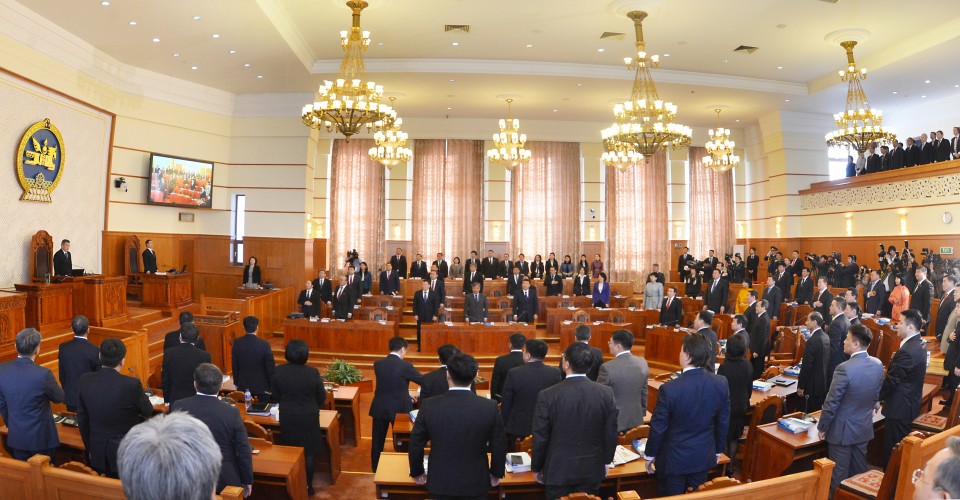
Byambatsogt Sandag, Chairman of the Parliament of Mongolia, commenced his official visit to the Grand Duchy of Luxembourg on August 27.
Claude Wiseler, President of the Chamber of Deputies of Luxembourg, welcomed Chairman Byambatsogt. Following a tête-à-tête meeting and the signing of the "Golden Book" by Speaker Byambatsogt, the official bilateral meeting commenced.
At the outset of the meeting, President Claude Wiseler expressed his pleasure at meeting the head of the parliament of Mongolia, a country that shares democratic values. He stated that this visit by the representative of the citizens is a testament to the actively developing relations and cooperation between the peoples of the two countries. Highlighting ongoing efforts to ease visa requirements, he noted that negotiations are underway for an agreement to facilitate or exempt visa requirements for certain passport holders. He expressed confidence that this would be a crucial step in fostering citizen-to-citizen ties. Furthermore, he commended the successful implementation of health sector projects under the bilateral development cooperation.
President Claude Wiseler extended his deep gratitude to Mongolia for successfully hosting the 17th Conference of the Parties (COP17) to the UN Convention to Combat Desertification (UNCCD) and for demonstrating global leadership in combating desertification. He expressed confidence that the trust and friendship built over the years will serve as a solid foundation for future collaboration.
...
China Baoli Advances Mongolia DGDB Projects and Explores African Iron Ore www.theglobeandmail.com
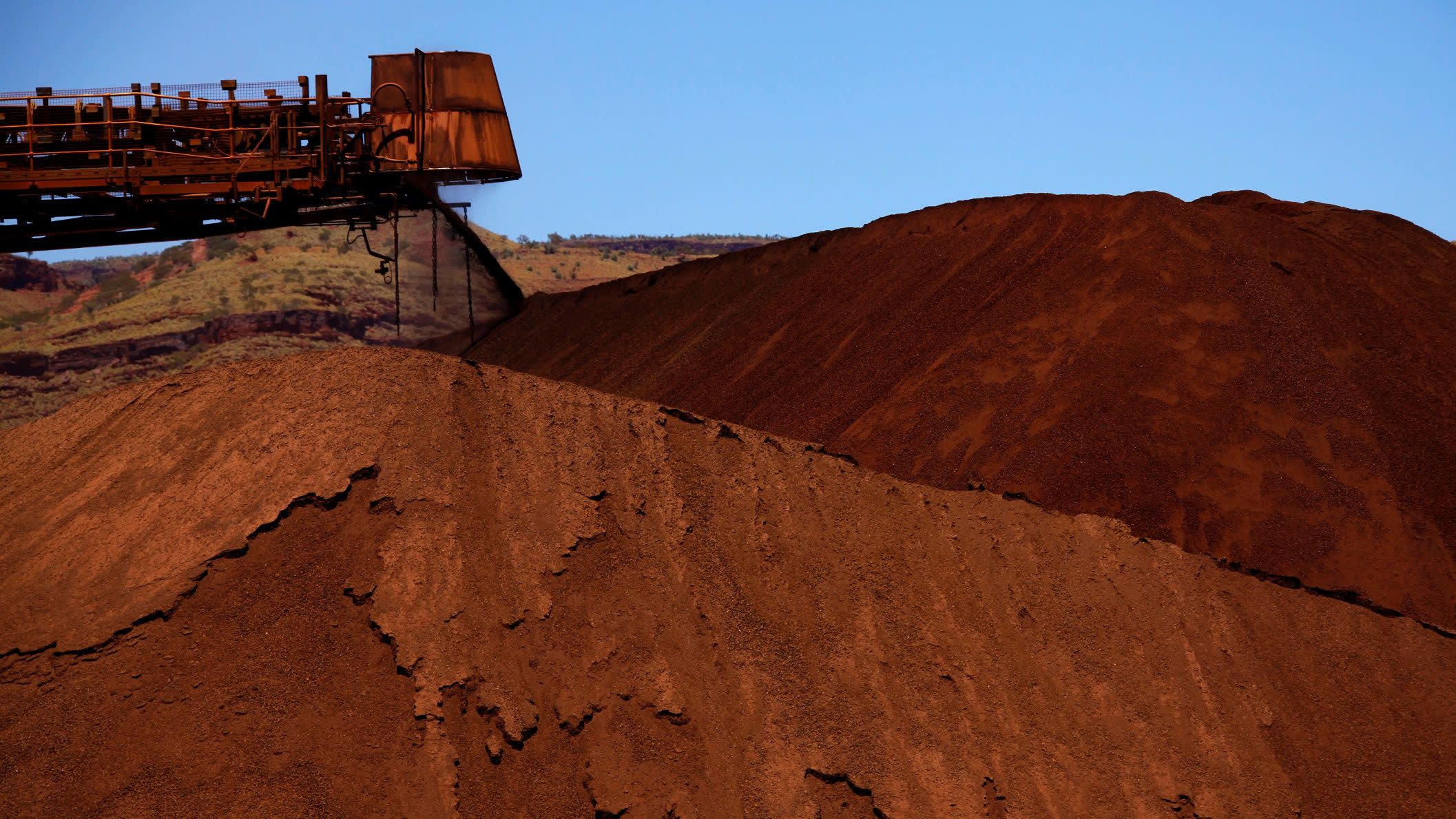
China Baoli Technologies Holdings is advancing its dry grinding and dry beneficiation operations through iron ore and coal projects in Mongolia, reinforcing its position in mineral processing and sustainable mining technologies. The company seeks to leverage favorable market conditions and broaden its resource footprint while building downstream sales channels for future output.
The Mongolia iron ore project has entered the construction phase after completion of consultancy work, equipment procurement, and deployment of technical teams, with initial processed ore expected shortly. The Mongolian coal project has established core infrastructure and begun recruitment and equipment sourcing, but still requires additional capital and resources before full-scale production can start.
To strengthen commercialization, the group is in talks with established suppliers and distributors on off-take and long-term sales partnerships for processed ore, and some potential partners have begun due diligence. In tandem, China Baoli is evaluating iron ore opportunities in Africa to diversify its resource base and reduce reliance on a single jurisdiction.
The board views the DGDB segment as a major growth platform aligned with global trends in environmentally responsible mining. Continued monitoring and staged development of these projects aim to enhance the group’s operational scale and market access, with implications for shareholders as production capacity and customer networks expand.
...
Country ranked among top performers www.ubpost.mn
Mongolia has ranked among the leading countries in several categories in the Global Tourism Report for the first half of 2026, according to the Ministry of Culture, Sports, Tourism and Youth. The report ranked Mongolia fourth among the best-performing countries in the Asia-Pacific region, with a 39 percent growth rate.
Mongolia also ranked second among the markets with the strongest growth in tourism spending, recording a 29 percent increase. In terms of tourism revenue, the country ranked third with a 27 percent increase. Meanwhile, Mongolia placed fourth among the world’s 20 highest-performing countries, posting 39 percent growth.
The rankings highlight Mongolia’s strong performance in tourism during the first half of the year and reflect continued growth in both tourism spending and revenue.
...
EU Urges 'Constructive' Approach as COP17 Talks Enter Final Phase www.montsame.mn
The European Union and its member states at COP17 have called for a constructive final week of negotiations, expressing concern that some parties have prevented discussions on key agenda items from beginning and urging all delegations to keep the focus on turning commitments into action.
In a joint statement issued with Montenegro as the talks moved toward their decisive phase, the EU said it was determined to work with all parties and partners to secure "practical, ambitious, and implementable outcomes" on land degradation, drought resilience, and sustainable land management. It described COP17 as an important opportunity to translate those commitments into action, while acknowledging that negotiations at the multilateral level are complex.
The bloc voiced concern over the conduct of the opening days. Backing multilateralism as an essential tool for problems that cannot be solved at the national level, it said it was troubling that some parties had adopted "a less constructive approach" and blocked discussion of important matters before it could begin. The EU encouraged all delegations to allow a full discussion of every listed item so that COP17 could find solutions collaboratively.
Setting out its priorities for the remaining days, the EU said its central objective was to preserve the core priorities of the Convention and ensure they are reflected across its outcomes and implementation mechanisms. It highlighted several areas it considers essential.
On cooperation between the three Rio Conventions, the EU said land degradation, biodiversity loss, and climate change are interconnected and should be tackled in mutually reinforcing ways, welcoming a dedicated COP17 dialogue on delivering synergies as a chance to move from political recognition toward concrete action.
On gender, it welcomed the continued work of the Gender Caucus and the attention given to women pastoralists and herders, calling gender equality an integral part of efforts to strengthen land restoration, drought resilience, and food security.
On science, the EU said the Convention's science-policy interface has served the global community well since 2013 and should continue its work into the next two-year period, describing it as a "connector and a translator" between research and policy.
The EU also stressed the meaningful participation of civil society, Indigenous peoples, and local communities, calling their knowledge and stewardship essential to successful land restoration. It thanked the CSO Panel for giving pastoralists and local communities the opportunity to be heard during the conference.
The statement further welcomed work on the Convention's future strategic framework for the period after 2030, urging that it continue with "momentum and urgency." On finances, the EU said that despite budgetary pressure and the fiscal constraints facing parties, it was their duty to provide the Secretariat with a budget sufficient to carry out its mandated tasks effectively.
The EU said COP17 should be judged by whether it enables effective action, and that a successful conference would deliver stronger implementation, cooperation, and participation without any loss of ambition. Citing a speaker at the opening of the high-level segment on August 24 who told the plenary that "no one can stand alone and no one can be an exception," the bloc said it would continue to work with the Mongolian Presidency, the Secretariat, and all parties to find solutions that are "both ambitious and politically achievable."
...
2026 Harvest Expected to Fully Meet Wheat and Potato Demand www.montsame.mn
Iderbat Tsagaankhuu, Minister of Food, Agriculture and Light Industry, provided an update on the preliminary 2026 harvest balance and preparations for the upcoming harvest.
A total of 580,400 hectares were planted this year, including 317,900 hectares of wheat, 12,800 hectares of potatoes, 13,400 hectares of vegetables, 94,100 hectares of fodder crops, and 90,400 hectares of oilseeds.
Under the “Atar IV Sustainable Agricultural Development Campaign,” the Government decided to provide concessional loans financed by commercial banks, with interest subsidies covered by the Government, to ensure that agricultural operations are carried out within the required seasonal timeframe. Financing agreements were signed with seven commercial banks.
As a result, commercial banks provided MNT 138.9 billion in working capital loans to 906 individuals and business entities, as well as MNT 8.3 billion in concessional investment loans to 45 individuals and business entities. The financing has enabled farmers to upgrade machinery and technology, carry out spring planting, fallow land preparation and crop protection activities within the required timeframe, and make preparations for the harvest.
According to the preliminary harvest balance, Mongolia expects to harvest 555,300 tons of grain, including 497,100 tons of wheat; 168,200 tons of potatoes; 218,400 tons of vegetables; 50,400 tons of oilseeds; and 201,800 tons of fodder crops.
The projected harvest is expected to meet 100 percent of domestic demand for food-grade wheat and potatoes, while domestic production is expected to cover 67.7 percent of demand for vegetables.
...
Prime Minister N.Uchral meets Loro Piana CEO Frédéric Arnault www.gogo.mn
Prime Minister N. Uchral met with Frédéric Arnault, CEO of Italian luxury company Loro Piana, during the 17th Conference of the Parties to the United Nations Convention to Combat Desertification (UNCCD COP17) in Ulaanbaatar.
Loro Piana is globally renowned for its luxury clothing and products made from cashmere and other premium natural fibers. The company has operated in Mongolia for approximately 40 years, contributing to the development of sustainable production practices and origin certification and becoming an important partner in the export of Mongolian cashmere.
Prime Minister N.Uchral said, “Mongolia is an agricultural country, and wool and cashmere are among our major export products. The Government is pursuing a policy of increasing the production and export of high-value-added products, including yarn, woven and knitted fabrics, and finished goods, rather than relying primarily on the export of raw materials and semi-processed products.
I would like to express my gratitude to Loro Piana for using recycled water in its operations in Mongolia, training engineers in this field, providing training to herders on soil conservation, and conducting research on pastureland, soil, and plants. Through our cooperation, we expect the value of Mongolian cashmere and the country's cashmere exports to increase.”
Frédéric Arnault said that Loro Piana's founders first came to Mongolia in the 1980s and began working directly with herder households with the aim of sourcing the highest-quality cashmere without intermediaries. The company has continued to invest in Mongolia and work with herders for decades.
During the meeting, it was emphasized that Loro Piana prioritizes quality over volume and supports herders through practical initiatives related to health, livelihoods, and development, as well as efforts to reduce pasture and soil degradation.
Loro Piana launched the “Resilient Threads” program last year to support the livelihoods of herders in five soums of Sukhbaatar province while protecting steppe ecosystems and biodiversity.
The company said it plans to expand the program and extend its activities to additional regions of Mongolia in the coming years.
...- «
- 1
- 2
- 3
- 4
- 5
- 6
- 7
- 8
- 9
- 10
- 11
- 12
- 13
- 14
- 15
- 16
- 17
- 18
- 19
- 20
- 21
- 22
- 23
- 24
- 25
- 26
- 27
- 28
- 29
- 30
- 31
- 32
- 33
- 34
- 35
- 36
- 37
- 38
- 39
- 40
- 41
- 42
- 43
- 44
- 45
- 46
- 47
- 48
- 49
- 50
- 51
- 52
- 53
- 54
- 55
- 56
- 57
- 58
- 59
- 60
- 61
- 62
- 63
- 64
- 65
- 66
- 67
- 68
- 69
- 70
- 71
- 72
- 73
- 74
- 75
- 76
- 77
- 78
- 79
- 80
- 81
- 82
- 83
- 84
- 85
- 86
- 87
- 88
- 89
- 90
- 91
- 92
- 93
- 94
- 95
- 96
- 97
- 98
- 99
- 100
- 101
- 102
- 103
- 104
- 105
- 106
- 107
- 108
- 109
- 110
- 111
- 112
- 113
- 114
- 115
- 116
- 117
- 118
- 119
- 120
- 121
- 122
- 123
- 124
- 125
- 126
- 127
- 128
- 129
- 130
- 131
- 132
- 133
- 134
- 135
- 136
- 137
- 138
- 139
- 140
- 141
- 142
- 143
- 144
- 145
- 146
- 147
- 148
- 149
- 150
- 151
- 152
- 153
- 154
- 155
- 156
- 157
- 158
- 159
- 160
- 161
- 162
- 163
- 164
- 165
- 166
- 167
- 168
- 169
- 170
- 171
- 172
- 173
- 174
- 175
- 176
- 177
- 178
- 179
- 180
- 181
- 182
- 183
- 184
- 185
- 186
- 187
- 188
- 189
- 190
- 191
- 192
- 193
- 194
- 195
- 196
- 197
- 198
- 199
- 200
- 201
- 202
- 203
- 204
- 205
- 206
- 207
- 208
- 209
- 210
- 211
- 212
- 213
- 214
- 215
- 216
- 217
- 218
- 219
- 220
- 221
- 222
- 223
- 224
- 225
- 226
- 227
- 228
- 229
- 230
- 231
- 232
- 233
- 234
- 235
- 236
- 237
- 238
- 239
- 240
- 241
- 242
- 243
- 244
- 245
- 246
- 247
- 248
- 249
- 250
- 251
- 252
- 253
- 254
- 255
- 256
- 257
- 258
- 259
- 260
- 261
- 262
- 263
- 264
- 265
- 266
- 267
- 268
- 269
- 270
- 271
- 272
- 273
- 274
- 275
- 276
- 277
- 278
- 279
- 280
- 281
- 282
- 283
- 284
- 285
- 286
- 287
- 288
- 289
- 290
- 291
- 292
- 293
- 294
- 295
- 296
- 297
- 298
- 299
- 300
- 301
- 302
- 303
- 304
- 305
- 306
- 307
- 308
- 309
- 310
- 311
- 312
- 313
- 314
- 315
- 316
- 317
- 318
- 319
- 320
- 321
- 322
- 323
- 324
- 325
- 326
- 327
- 328
- 329
- 330
- 331
- 332
- 333
- 334
- 335
- 336
- 337
- 338
- 339
- 340
- 341
- 342
- 343
- 344
- 345
- 346
- 347
- 348
- 349
- 350
- 351
- 352
- 353
- 354
- 355
- 356
- 357
- 358
- 359
- 360
- 361
- 362
- 363
- 364
- 365
- 366
- 367
- 368
- 369
- 370
- 371
- 372
- 373
- 374
- 375
- 376
- 377
- 378
- 379
- 380
- 381
- 382
- 383
- 384
- 385
- 386
- 387
- 388
- 389
- 390
- 391
- 392
- 393
- 394
- 395
- 396
- 397
- 398
- 399
- 400
- 401
- 402
- 403
- 404
- 405
- 406
- 407
- 408
- 409
- 410
- 411
- 412
- 413
- 414
- 415
- 416
- 417
- 418
- 419
- 420
- 421
- 422
- 423
- 424
- 425
- 426
- 427
- 428
- 429
- 430
- 431
- 432
- 433
- 434
- 435
- 436
- 437
- 438
- 439
- 440
- 441
- 442
- 443
- 444
- 445
- 446
- 447
- 448
- 449
- 450
- 451
- 452
- 453
- 454
- 455
- 456
- 457
- 458
- 459
- 460
- 461
- 462
- 463
- 464
- 465
- 466
- 467
- 468
- 469
- 470
- 471
- 472
- 473
- 474
- 475
- 476
- 477
- 478
- 479
- 480
- 481
- 482
- 483
- 484
- 485
- 486
- 487
- 488
- 489
- 490
- 491
- 492
- 493
- 494
- 495
- 496
- 497
- 498
- 499
- 500
- 501
- 502
- 503
- 504
- 505
- 506
- 507
- 508
- 509
- 510
- 511
- 512
- 513
- 514
- 515
- 516
- 517
- 518
- 519
- 520
- 521
- 522
- 523
- 524
- 525
- 526
- 527
- 528
- 529
- 530
- 531
- 532
- 533
- 534
- 535
- 536
- 537
- 538
- 539
- 540
- 541
- 542
- 543
- 544
- 545
- 546
- 547
- 548
- 549
- 550
- 551
- 552
- 553
- 554
- 555
- 556
- 557
- 558
- 559
- 560
- 561
- 562
- 563
- 564
- 565
- 566
- 567
- 568
- 569
- 570
- 571
- 572
- 573
- 574
- 575
- 576
- 577
- 578
- 579
- 580
- 581
- 582
- 583
- 584
- 585
- 586
- 587
- 588
- 589
- 590
- 591
- 592
- 593
- 594
- 595
- 596
- 597
- 598
- 599
- 600
- 601
- 602
- 603
- 604
- 605
- 606
- 607
- 608
- 609
- 610
- 611
- 612
- 613
- 614
- 615
- 616
- 617
- 618
- 619
- 620
- 621
- 622
- 623
- 624
- 625
- 626
- 627
- 628
- 629
- 630
- 631
- 632
- 633
- 634
- 635
- 636
- 637
- 638
- 639
- 640
- 641
- 642
- 643
- 644
- 645
- 646
- 647
- 648
- 649
- 650
- 651
- 652
- 653
- 654
- 655
- 656
- 657
- 658
- 659
- 660
- 661
- 662
- 663
- 664
- 665
- 666
- 667
- 668
- 669
- 670
- 671
- 672
- 673
- 674
- 675
- 676
- 677
- 678
- 679
- 680
- 681
- 682
- 683
- 684
- 685
- 686
- 687
- 688
- 689
- 690
- 691
- 692
- 693
- 694
- 695
- 696
- 697
- 698
- 699
- 700
- 701
- 702
- 703
- 704
- 705
- 706
- 707
- 708
- 709
- 710
- 711
- 712
- 713
- 714
- 715
- 716
- 717
- 718
- 719
- 720
- 721
- 722
- 723
- 724
- 725
- 726
- 727
- 728
- 729
- 730
- 731
- 732
- 733
- 734
- 735
- 736
- 737
- 738
- 739
- 740
- 741
- 742
- 743
- 744
- 745
- 746
- 747
- 748
- 749
- 750
- 751
- 752
- 753
- 754
- 755
- 756
- 757
- 758
- 759
- 760
- 761
- 762
- 763
- 764
- 765
- 766
- 767
- 768
- 769
- 770
- 771
- 772
- 773
- 774
- 775
- 776
- 777
- 778
- 779
- 780
- 781
- 782
- 783
- 784
- 785
- 786
- 787
- 788
- 789
- 790
- 791
- 792
- 793
- 794
- 795
- 796
- 797
- 798
- 799
- 800
- 801
- 802
- 803
- 804
- 805
- 806
- 807
- 808
- 809
- 810
- 811
- 812
- 813
- 814
- 815
- 816
- 817
- 818
- 819
- 820
- 821
- 822
- 823
- 824
- 825
- 826
- 827
- 828
- 829
- 830
- 831
- 832
- 833
- 834
- 835
- 836
- 837
- 838
- 839
- 840
- 841
- 842
- 843
- 844
- 845
- 846
- 847
- 848
- 849
- 850
- 851
- 852
- 853
- 854
- 855
- 856
- 857
- 858
- 859
- 860
- 861
- 862
- 863
- 864
- 865
- 866
- 867
- 868
- 869
- 870
- 871
- 872
- 873
- 874
- 875
- 876
- 877
- 878
- 879
- 880
- 881
- 882
- 883
- 884
- 885
- 886
- 887
- 888
- 889
- 890
- 891
- 892
- 893
- 894
- 895
- 896
- 897
- 898
- 899
- 900
- 901
- 902
- 903
- 904
- 905
- 906
- 907
- 908
- 909
- 910
- 911
- 912
- 913
- 914
- 915
- 916
- 917
- 918
- 919
- 920
- 921
- 922
- 923
- 924
- 925
- 926
- 927
- 928
- 929
- 930
- 931
- 932
- 933
- 934
- 935
- 936
- 937
- 938
- 939
- 940
- 941
- 942
- 943
- 944
- 945
- 946
- 947
- 948
- 949
- 950
- 951
- 952
- 953
- 954
- 955
- 956
- 957
- 958
- 959
- 960
- 961
- 962
- 963
- 964
- 965
- 966
- 967
- 968
- 969
- 970
- 971
- 972
- 973
- 974
- 975
- 976
- 977
- 978
- 979
- 980
- 981
- 982
- 983
- 984
- 985
- 986
- 987
- 988
- 989
- 990
- 991
- 992
- 993
- 994
- 995
- 996
- 997
- 998
- 999
- 1000
- 1001
- 1002
- 1003
- 1004
- 1005
- 1006
- 1007
- 1008
- 1009
- 1010
- 1011
- 1012
- 1013
- 1014
- 1015
- 1016
- 1017
- 1018
- 1019
- 1020
- 1021
- 1022
- 1023
- 1024
- 1025
- 1026
- 1027
- 1028
- 1029
- 1030
- 1031
- 1032
- 1033
- 1034
- 1035
- 1036
- 1037
- 1038
- 1039
- 1040
- 1041
- 1042
- 1043
- 1044
- 1045
- 1046
- 1047
- 1048
- 1049
- 1050
- 1051
- 1052
- 1053
- 1054
- 1055
- 1056
- 1057
- 1058
- 1059
- 1060
- 1061
- 1062
- 1063
- 1064
- 1065
- 1066
- 1067
- 1068
- 1069
- 1070
- 1071
- 1072
- 1073
- 1074
- 1075
- 1076
- 1077
- 1078
- 1079
- 1080
- 1081
- 1082
- 1083
- 1084
- 1085
- 1086
- 1087
- 1088
- 1089
- 1090
- 1091
- 1092
- 1093
- 1094
- 1095
- 1096
- 1097
- 1098
- 1099
- 1100
- 1101
- 1102
- 1103
- 1104
- 1105
- 1106
- 1107
- 1108
- 1109
- 1110
- 1111
- 1112
- 1113
- 1114
- 1115
- 1116
- 1117
- 1118
- 1119
- 1120
- 1121
- 1122
- 1123
- 1124
- 1125
- 1126
- 1127
- 1128
- 1129
- 1130
- 1131
- 1132
- 1133
- 1134
- 1135
- 1136
- 1137
- 1138
- 1139
- 1140
- 1141
- 1142
- 1143
- 1144
- 1145
- 1146
- 1147
- 1148
- 1149
- 1150
- 1151
- 1152
- 1153
- 1154
- 1155
- 1156
- 1157
- 1158
- 1159
- 1160
- 1161
- 1162
- 1163
- 1164
- 1165
- 1166
- 1167
- 1168
- 1169
- 1170
- 1171
- 1172
- 1173
- 1174
- 1175
- 1176
- 1177
- 1178
- 1179
- 1180
- 1181
- 1182
- 1183
- 1184
- 1185
- 1186
- 1187
- 1188
- 1189
- 1190
- 1191
- 1192
- 1193
- 1194
- 1195
- 1196
- 1197
- 1198
- 1199
- 1200
- 1201
- 1202
- 1203
- 1204
- 1205
- 1206
- 1207
- 1208
- 1209
- 1210
- 1211
- 1212
- 1213
- 1214
- 1215
- 1216
- 1217
- 1218
- 1219
- 1220
- 1221
- 1222
- 1223
- 1224
- 1225
- 1226
- 1227
- 1228
- 1229
- 1230
- 1231
- 1232
- 1233
- 1234
- 1235
- 1236
- 1237
- 1238
- 1239
- 1240
- 1241
- 1242
- 1243
- 1244
- 1245
- 1246
- 1247
- 1248
- 1249
- 1250
- 1251
- 1252
- 1253
- 1254
- 1255
- 1256
- 1257
- 1258
- 1259
- 1260
- 1261
- 1262
- 1263
- 1264
- 1265
- 1266
- 1267
- 1268
- 1269
- 1270
- 1271
- 1272
- 1273
- 1274
- 1275
- 1276
- 1277
- 1278
- 1279
- 1280
- 1281
- 1282
- 1283
- 1284
- 1285
- 1286
- 1287
- 1288
- 1289
- 1290
- 1291
- 1292
- 1293
- 1294
- 1295
- 1296
- 1297
- 1298
- 1299
- 1300
- 1301
- 1302
- 1303
- 1304
- 1305
- 1306
- 1307
- 1308
- 1309
- 1310
- 1311
- 1312
- 1313
- 1314
- 1315
- 1316
- 1317
- 1318
- 1319
- 1320
- 1321
- 1322
- 1323
- 1324
- 1325
- 1326
- 1327
- 1328
- 1329
- 1330
- 1331
- 1332
- 1333
- 1334
- 1335
- 1336
- 1337
- 1338
- 1339
- 1340
- 1341
- 1342
- 1343
- 1344
- 1345
- 1346
- 1347
- 1348
- 1349
- 1350
- 1351
- 1352
- 1353
- 1354
- 1355
- 1356
- 1357
- 1358
- 1359
- 1360
- 1361
- 1362
- 1363
- 1364
- 1365
- 1366
- 1367
- 1368
- 1369
- 1370
- 1371
- 1372
- 1373
- 1374
- 1375
- 1376
- 1377
- 1378
- 1379
- 1380
- 1381
- 1382
- 1383
- 1384
- 1385
- 1386
- 1387
- 1388
- 1389
- 1390
- 1391
- 1392
- 1393
- 1394
- 1395
- 1396
- 1397
- 1398
- 1399
- 1400
- 1401
- 1402
- 1403
- 1404
- 1405
- 1406
- 1407
- 1408
- 1409
- 1410
- 1411
- 1412
- 1413
- 1414
- 1415
- 1416
- 1417
- 1418
- 1419
- 1420
- 1421
- 1422
- 1423
- 1424
- 1425
- 1426
- 1427
- 1428
- 1429
- 1430
- 1431
- 1432
- 1433
- 1434
- 1435
- 1436
- 1437
- 1438
- 1439
- 1440
- 1441
- 1442
- 1443
- 1444
- 1445
- 1446
- 1447
- 1448
- 1449
- 1450
- 1451
- 1452
- 1453
- 1454
- 1455
- 1456
- 1457
- 1458
- 1459
- 1460
- 1461
- 1462
- 1463
- 1464
- 1465
- 1466
- 1467
- 1468
- 1469
- 1470
- 1471
- 1472
- 1473
- 1474
- 1475
- 1476
- 1477
- 1478
- 1479
- 1480
- 1481
- 1482
- 1483
- 1484
- 1485
- 1486
- 1487
- 1488
- 1489
- 1490
- 1491
- 1492
- 1493
- 1494
- 1495
- 1496
- 1497
- 1498
- 1499
- 1500
- 1501
- 1502
- 1503
- 1504
- 1505
- 1506
- 1507
- 1508
- 1509
- 1510
- 1511
- 1512
- 1513
- 1514
- 1515
- 1516
- 1517
- 1518
- 1519
- 1520
- 1521
- 1522
- 1523
- 1524
- 1525
- 1526
- 1527
- 1528
- 1529
- 1530
- 1531
- 1532
- 1533
- 1534
- 1535
- 1536
- 1537
- 1538
- 1539
- 1540
- 1541
- 1542
- 1543
- 1544
- 1545
- 1546
- 1547
- 1548
- 1549
- 1550
- 1551
- 1552
- 1553
- 1554
- 1555
- 1556
- 1557
- 1558
- 1559
- 1560
- 1561
- 1562
- 1563
- 1564
- 1565
- 1566
- 1567
- 1568
- 1569
- 1570
- 1571
- 1572
- 1573
- 1574
- 1575
- 1576
- 1577
- 1578
- 1579
- 1580
- 1581
- 1582
- 1583
- 1584
- 1585
- 1586
- 1587
- 1588
- 1589
- 1590
- 1591
- 1592
- 1593
- 1594
- 1595
- 1596
- 1597
- 1598
- 1599
- 1600
- 1601
- 1602
- 1603
- 1604
- 1605
- 1606
- 1607
- 1608
- 1609
- 1610
- 1611
- 1612
- 1613
- 1614
- 1615
- 1616
- 1617
- 1618
- 1619
- 1620
- 1621
- 1622
- 1623
- 1624
- 1625
- 1626
- 1627
- 1628
- 1629
- 1630
- 1631
- 1632
- 1633
- 1634
- 1635
- 1636
- 1637
- 1638
- 1639
- 1640
- 1641
- 1642
- 1643
- 1644
- 1645
- 1646
- 1647
- 1648
- 1649
- 1650
- 1651
- 1652
- 1653
- 1654
- 1655
- 1656
- 1657
- 1658
- 1659
- 1660
- 1661
- 1662
- 1663
- 1664
- 1665
- 1666
- 1667
- 1668
- 1669
- 1670
- 1671
- 1672
- 1673
- 1674
- 1675
- 1676
- 1677
- 1678
- 1679
- 1680
- 1681
- 1682
- 1683
- 1684
- 1685
- 1686
- 1687
- 1688
- 1689
- 1690
- 1691
- 1692
- 1693
- 1694
- 1695
- 1696
- 1697
- 1698
- 1699
- 1700
- 1701
- 1702
- 1703
- 1704
- 1705
- 1706
- 1707
- 1708
- 1709
- 1710
- 1711
- 1712
- 1713
- 1714
- 1715
- 1716
- 1717
- 1718
- 1719
- 1720
- 1721
- 1722
- 1723
- 1724
- 1725
- 1726
- 1727
- 1728
- 1729
- 1730
- 1731
- 1732
- 1733
- 1734
- 1735
- 1736
- 1737
- 1738
- 1739
- 1740
- 1741
- 1742
- 1743
- 1744
- 1745
- 1746
- 1747
- 1748
- 1749
- 1750
- 1751
- 1752
- 1753
- 1754
- 1755
- 1756
- 1757
- 1758
- 1759
- 1760
- 1761
- 1762
- 1763
- 1764
- 1765
- 1766
- 1767
- 1768
- 1769
- 1770
- 1771
- 1772
- 1773
- 1774
- 1775
- 1776
- 1777
- 1778
- 1779
- 1780
- 1781
- 1782
- 1783
- 1784
- 1785
- 1786
- 1787
- 1788
- 1789
- 1790
- 1791
- 1792
- 1793
- 1794
- 1795
- 1796
- 1797
- 1798
- 1799
- 1800
- 1801
- 1802
- 1803
- 1804
- 1805
- 1806
- 1807
- 1808
- 1809
- 1810
- 1811
- 1812
- 1813
- 1814
- 1815
- 1816
- 1817
- 1818
- 1819
- 1820
- 1821
- »


