
Category
- Agriculture
- Automobiles and Machinery
- Bank, non banking financing, investment
- Blasting
- Construction
- Consumables
- Education
- Energy
- Engineer , Architecture and Geodesy
- Finance, Audit,Accounting and Brokerage
- Food
- Foreign Trade
- Geology Exploration
- Health
- Information Technology
- Insurance
- Labor Safety
- Legal and Business consulting
- Lighting
- Mining equipment
- Mining Services
- Other product and service
- Road
- Sewing and textile products
- Transportations
- Travel
Events

Events
| Name | organizer | Where |
|---|---|---|
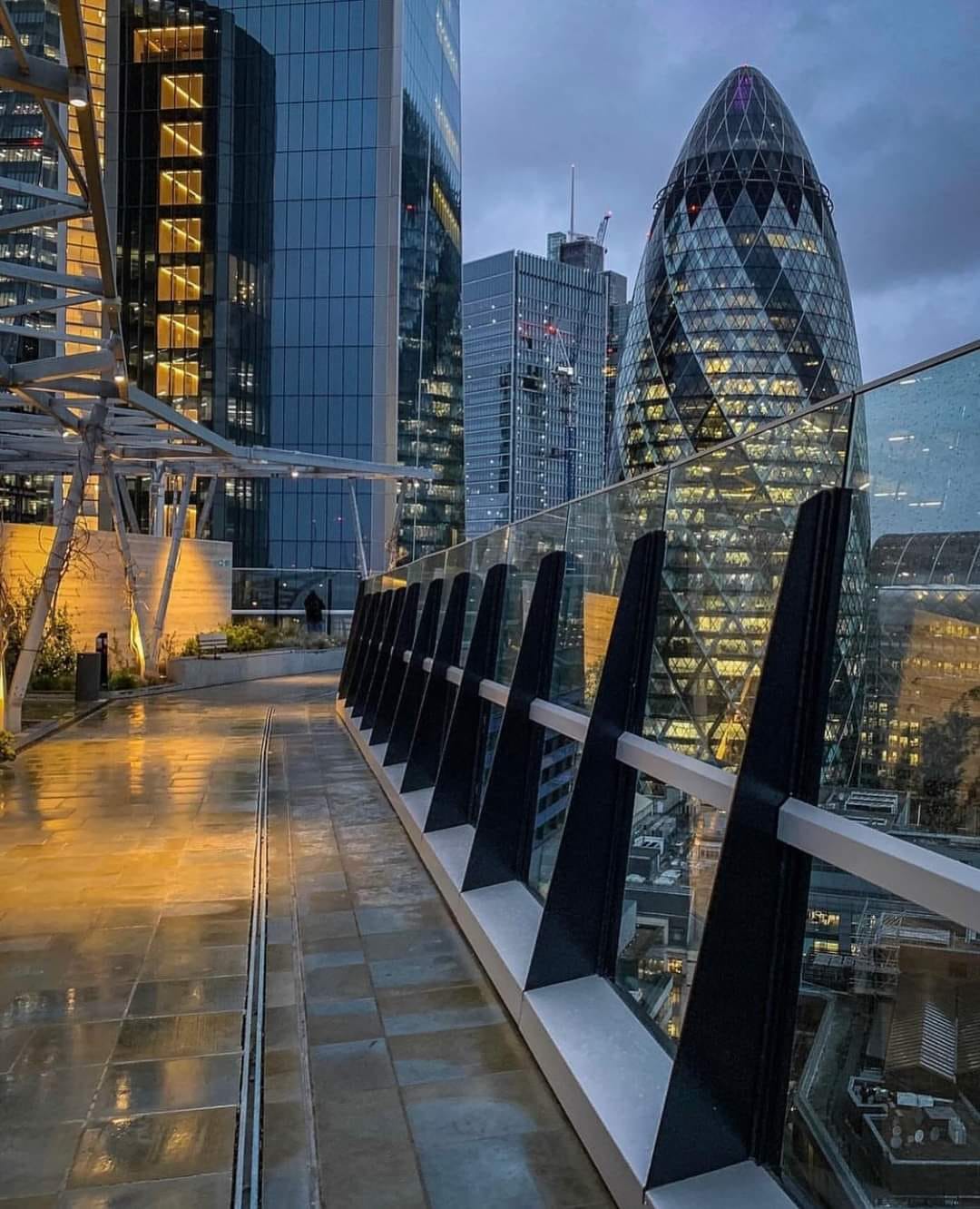
| MBCC “Doing Business with Mongolia seminar and Christmas Receptiom” Dec 10. 2025 London UK | MBCCI | London UK Goodman LLC |
NEWS
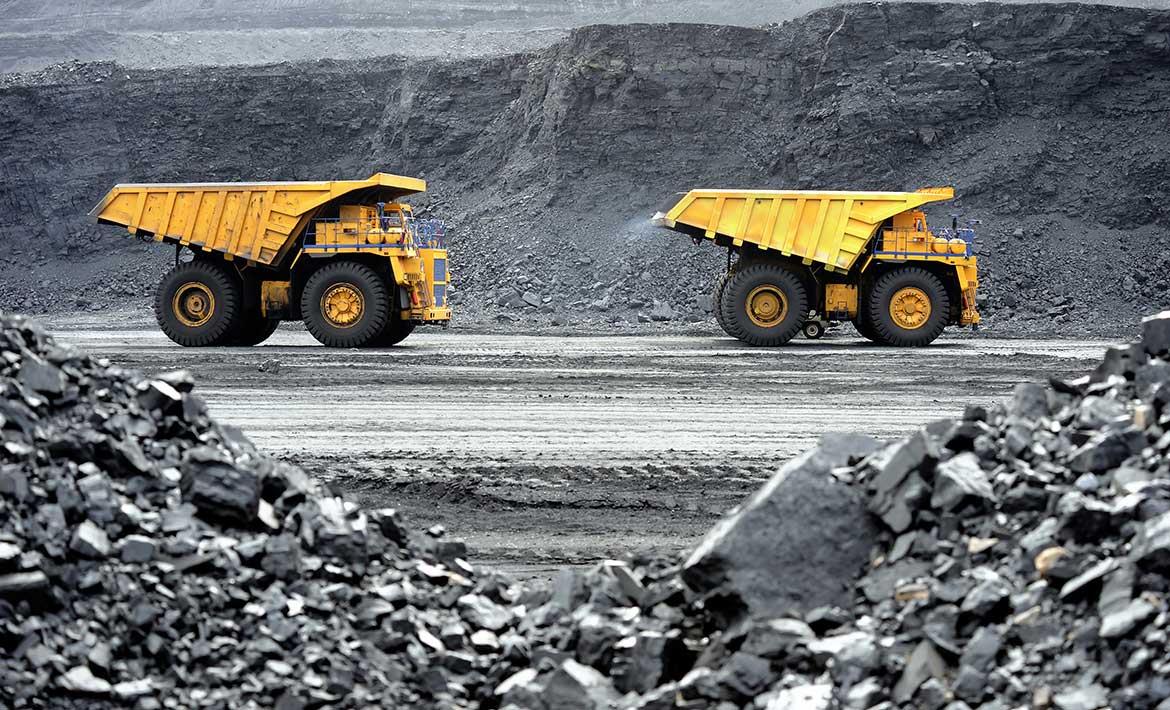
Mongolia blatantly broke the contract, China announced the lifting of the ban on Australian coal, Mongolia may regret it www.min.news
In the past few years, due to Australia's finger-pointing on China-related issues, China made a decision to restrict coal imports from Australia, and instead chose to import coal from Mongolia.
However, recently, due to Mongolia's unilateral breach of contract and unilateral price increase, China angrily lifted all restrictions on Australian coal. Mongolian coal may lose China, a huge consumer market, and Mongolia may regret it.
Let's review why China previously restricted the import of Australian coal
In 2020, Australia made a high-profile announcement that it would investigate the origin of the coronavirus in China, and followed the United States in making inappropriate remarks and implementing unfriendly measures on China's 5G cooperation, which led to the deterioration of relations between China and Australia. The import of some resources in Australia, including coal. It is precisely because of this restrictive measure that the proportion of China's imports of Australian coal has dropped from 49% to 3%.
After restricting coal imports to Australia in 2020, China finally chose Mongolia as China's first choice for coal imports after evaluating the market conditions of coal resources in Mongolia, Russia, India and other countries. The move enabled Mongolia to replace Australia and officially become China's largest coal supplier .
Exporting coal to China has brought continuous benefits to Mongolia
According to data from the website of the Ministry of Commerce of China, Mongolia will export 31.68 million tons of coal in 2022, a year-on-year increase of 101.7% , of which 90% will be exported to China. If China and Mongolia continue to maintain cooperation, Mongolia can gain huge benefits from it, and the cooperation will also enable both parties to achieve a win-win situation of mutual benefit and win-win results.
However, Mongolian coal is highly exported to China, and this situation has become a controversial topic in Mongolia
In December 2022, demonstrations related to China's coal trade broke out in Mongolia, and the Mongolian government launched an investigation. In order to rectify the country's coal trading market environment, unilaterally increase the price of coal exported to China, and even directly unilaterally terminate the coal sales agreement signed with Chinese companies, and even put the coal on the stock exchange for auction, further causing coal prices rise.
Some people think that this is because Mongolia has tasted the sweetness of cooperation with China, resulting in too much greed.
Since the new Australian Prime Minister took office in May 2022, the new Australian government has repeatedly stated that it hopes to repair relations with China , reversing the previous government's "anti-China vanguard" stance towards China; China has also expressed its sincerity based on the new Australian government , Expressing willingness to repair Sino-Australian relations, so far, Sino-Australian relations have recovered rapidly.
On the one hand, Mongolia unilaterally raised prices and broke the contract; on the other hand, China-Australia relations have rebounded. At the same time, in order to avoid the squeeze of coal import channels, after comprehensive consideration, China re-selected Australian coal as the first choice, and lifted the restrictions on Australia. All restrictions on coal.
In February 2023, Australia's coal export volume was 24.1585 million tons, the second consecutive month of decline, a decrease of 10.03% from January , and a decrease of 7.9% from the same period last year .
In contrast to China, according to statistics from the General Administration of Customs of China, from January to February 2023, China's coal imports will be 60.642 million tons, an increase of 70.8% compared with the same period last year.
The positive and negative coal demands of China and Australia complement each other, and the cooperation space is highly consistent.
Australia is a large coal-producing country with proven coal reserves of 147.4 billion tons, accounting for 14% of the world's proven coal reserves, and is the third largest country in the world.
China is also a country with a large population. China's demographic dividend has not disappeared. At the same time, China is also a country with a large energy consumption. Moreover, after the epidemic, China's consumption capacity will become stronger .
Based on the respective needs of China and Australia, as long as the two sides maintain a good cooperative relationship, I believe that the coal trade cooperation between China and Australia will achieve a win-win situation for both parties, which is a wise choice for both parties.
Credit Suisse bank: UBS said to be in takeover talks with troubled rival www.bbc.com
Switzerland's biggest bank, UBS, is reported to be in advanced talks to buy all or part of its troubled rival Credit Suisse.
Shares in Credit Suisse have fallen sharply in recent days after it said it had found "material weakness" in its financial reporting.
An emergency $54bn (£44.5bn) lifeline from the Swiss National Bank has not resolved the issue.
Regulators are trying to facilitate a deal before markets reopen on Monday.
There are concerns that Credit Suisse shares could continue to plummet, after they fell 24% on Wednesday.
This prompted a general sell-off on European markets, and fears of a wider financial crisis.
The Swiss government held an emergency meeting on Saturday night, but so far there has been no official statement on the progress of the negotiations.
UBS is said to have asked the Swiss government to cover about $6bn (£4.9bn) in costs if it were to buy Credit Suisse, according to sources quoted by Reuters.
Any deal may also result in significant job losses.
The problems have coincided with the failure of two lenders in the US - Silicon Valley Bank and Signature Bank - raising fears over the health of the banking system
Credit Suisse, which was founded in 1856, has faced a string of scandals in recent years, including money laundering charges.
It reported a loss of 7.3bn Swiss francs ($7.9bn; £6.5bn) in 2022 - its worst year since the financial crisis of 2008 - and has warned it does not expect to be profitable until 2024.
UBS, however, made a profit of $7.6bn in 2022.
As well as being a domestic bank with 95 branches, Credit Suisse has a global investment banking operation and manages the assets of rich clients.
It is one of 30 banks worldwide deemed too big to fail because they are of such importance to the international banking system.
At the end of last year Credit Suisse had a global staff of 50,480, including 16,700 in Switzerland, though 9,000 jobs were to be axed, the Swiss broadcaster SRF reports.
Aussie watches over the orphans of Ulaanbaatar www.afr.com
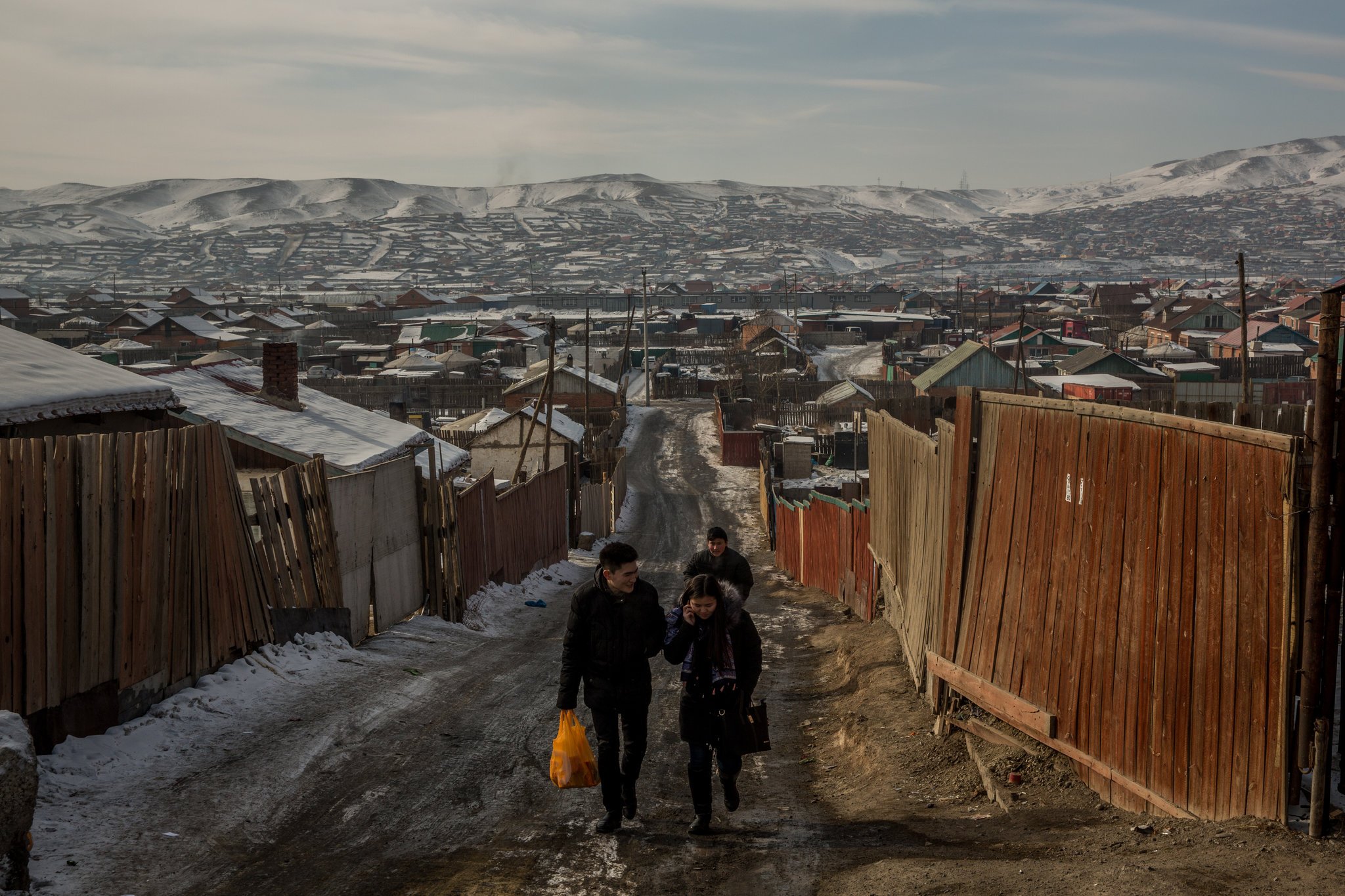
Australian woman Gabrielle “Didi” Dowling knows better than most just how harsh and unforgiving life can be in Mongolia.
For the past 28 years, she has cared for the orphaned, unwanted and neglected children of a developing nation now struggling with how to stamp out corruption and come up with the best way to make the most of mining wealth that comes from a partnership with Rio Tinto in the Oyu Tolgoi copper mine.
The Lotus Children’s Centre she runs on 10 hectares of land at the foot of a rock-strewn mountain is steadily being engulfed by the urban sprawl of the capital Ulaanbaatar.
The Mongolian government allowed her to build on the land behind a rubbish dump about a decade ago after the number of children in her care hit 150 and her first centre became too small.
Mining entrepreneur Robert Friedland, who played a significant role in the early years of Oyu Tolgoi, visited the centre a few times in its first incarnation.
Friedland talked about funding a new centre – the old one was an overcrowded collection of traditional round tents known as ger– but the talk came to nothing.
As well as caring for orphans, babies abandoned in the freezing streets and those whose parents can’t cope, Dowling has run soup kitchens and women’s shelters.
For a while the women made money sewing copper sample bags when Rio Tinto became involved in Oyu Tolgoi, but that work dried up.
Egyptian billionaire Mohamed Al Fayed, the former owner of Harrods department store, helped feed, clothe and educate the children for many years after he gained a foothold in mineral assets in Mongolia, but that funding was abruptly cut off in 2019.
Dowling has lost count of how many children have passed through the centre – probably about a thousand – with some arriving as babies and leaving in their late teens.
One young woman has just celebrated turning 18, although no one is really sure of her exact birth date.
Police called Dowling after the child was left outside an apartment building at about two months of age. A medical check showed the baby might have neurological disabilities but she thrived at the centre, which produced seven university entrants last year.
Unprompted by Dowling, some of her teenage brigade at Lotus took part in multi-day protests in Sukhbaatar Square in Ulaanbaatar in December over corruption in mining centred on a state-owned coal producer.
Some of the protesters, many of them young in a country where about a third of the population is under 18 and two thirds under the age of 35, stripped to near naked in temperatures of -30C as the peaceful protest turned up the heat on the government to clean up corruption, amid allegations that have embroiled two former prime ministers and rich and powerful families.
Despite the problems, Dowling says there is more opportunity in Mongolia now than there was when she started working with children.
“There still is a lot of poverty and at the moment it is very hard with the price rises on everything. A lot of people are living off not much,” she says.
“You don’t have all the social benefits that are in Australia. If you are unemployed, there are no unemployment benefits.
“Here a lot of work is very seasonal with the weather; the building industry doesn’t run much for months, tourism, agriculture are also seasonal. There are long winters and coal and heating is getting very expensive.”
When Dowling, 63, first arrived in Mongolia as an Ananda Marga nun, the country was still trying to shed the weight of nearly 70 years of Soviet influence.
Her first centre had no running water and the most basic of facilities as she tried to care for children suffering from complaints like rickets, syphilis, meningitis and malnourishment. Even today her own little house has no flushing toilet and no electricity until she can afford repairs. The centre’s children and its school are the priority, and she sleeps there to stay warm.
Dowling, who severed ties with Ananda Marga about five years ago, grew up on the family farm at Mulwala in the Riverina before devoting her life to Mongolia’s least fortunate children.
She says it is the children that keep her going through the cold winters and the heartbreak of cases where they do not survive.
“I think when you enjoy what you are doing you can live with it,” she says. “I enjoy being with the kids. I came to Mongolia and met up with these kids and decided this is my life.”
BY:
Brad Thompson writes across business and politics from Western Australia for The Australian Financial Review. Brad is based in our Perth bureau. Connect with Brad on Twitter. Email Brad at brad.thompson@afr.com
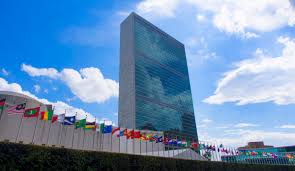
Film "Trio" to be Displayed in UN Office at Geneva www.montsame.mn
On World Down Syndrome Day and within the framework of the 52nd regular session of the UN Human Rights Council, Mongolian film “Trio”, directed by Mr. Battumur Dorj, will be displayed at the United Nations Office at Geneva. Switzerland on March 20.
The event is jointly organized by the Permanent Mission of Mongolia to the UN, the Office of the United Nations High Commissioner for Human Rights and the Down Syndrome Association of Mongolia (DSAM).
The internationally acclaimed and award-winning film “TRIO”, is to raise awareness on Down syndrome to leave no one behind. The screening will be followed by a panel discussion with the producer of the movie and experts to address the negative impact of the historical terminology ‘mongolism’ on human rights of people with Down syndrome. “- DSAM is working for issuance of a UN resolution to forbid the unofficial terminology use of ‘Mongolism’ said DSAM Chairman Mr.Ganzorig. Moreover, the NGO plans to organize events at UN Headquarters in New York on December 3, the International Day of Disabled Persons and during a UNESCO meeting in November in Paris, France.
IFC Invests in Mongolia’s First Ever Green Bond in a Bid to Spur Climate-Smart Investments www.ifc.org
In a bid to spur green and renewable energy projects in Mongolia, IFC is investing in a green bond to be issued by the country's largest commercial financial institution, Khan Bank, which is the first-ever green bond to be issued in the country.
IFC is investing $15 million in the $60 million, five-year bond and the offering has attracted another $45 million from international investors, including $35 million from Dutch entrepreneurial development bank (FMO), and $10 million from MicroVest Capital Management (MicroVest). This investment will allow the bank to grow its climate portfolio by funding projects that support renewable energy, energy efficiency, green buildings, green mobility, and climate-smart agriculture in Mongolia. IFC's subscription will also contribute to improved sustainability of the country's financial market.
Mongolia is a country facing significant environmental challenges. Air pollution levels in its capital Ulaanbaatar are among the highest in the world, with coal and wood burning in homes and coal power plants all contributing to the pollution. The country has also experienced significant climate change, with average temperatures increasing higher than the global average. Rainfall has also declined with more extreme climate driven hazards, including heat waves, droughts and river floods, all expected to put pressure on the country's unique fragile ecosystem.
IFC's investment in Khan Bank's green bond is expected to support Mongolia's goal to increase green lending from 1.4 percent at present to 10 percent of all banking sector lending by 2030. In addition, the project is expected to help mitigate climate change by avoiding tens of thousands of tons of greenhouse gas emissions annually.
"Green finance is a priority for the bank. With the steadfast support of our longstanding partners, IFC, FMO, and MicroVest, Khan Bank, as the largest bank in Mongolia, is proud to issue Mongolia's first-ever green bond. This transaction marks a significant milestone for our bank and Mongolia's banking sector to promote green financing and sustainable economy. This investment will enable us to provide long-term loans to our clients and help us diversify our funding sources," said Munkhtuya Rentsenbat, CEO, Khan Bank. "We are committed to working with IFC and other partners to introduce more innovative financial instruments in the market."
IFC advised Khan Bank on adopting a green bond framework for this issuance and plans to help the bank develop more climate and gender finance products. Earlier this year, Khan Bank received a $130 million syndicated loan arranged by IFC to support micro, small, and medium enterprises, especially women-owned businesses, in Mongolia.
"This marks an historic move for Mongolia and vital to help the country deliver on its climate ambitions," said Allen Forlemu, Regional Industry Director, Financial Institutions Group, Asia & the Pacific, IFC," Green bonds are an effective way to draw in funding to finance green projects for the benefit of the country and its people. By supporting the country's first green bond, in line with international standards, IFC is helping set a standard in the market and we hope it will send a strong signal to other banks and corporates to tap into green finance and develop projects that will help the country meet its climate and development goals."
"We are thrilled to contribute to this first-of-its-kind green bond issuance in Mongolia, once again extending our cooperation with our long-term partner Khan Bank," said Marnix Monsfort, Director Financial Institutions at FMO. "Through this bond—provided to the largest bank in the country reaching 82 percent of Mongolian households—we hope this paves the way for more sustainable green bond instruments across the country, contributing to significant climate action. Therefore, this transaction is fully aligned with our strategy to accelerate action towards climate change, contributing to SDG 13. FMO looks forward to intensifying our partnership with Khan Bank as they strengthen their green strategy."
"As a long-term partner of Khan Bank, MicroVest is incredibly proud to participate in the Bank's issuance of Mongolia's first Green Bond," said Joshua Moraczewski, Chief Executive Officer at MicroVest. "This offering represents a significant milestone that will help drive a low-carbon, climate-resilient future for Mongolia and facilitate the establishment of green initiatives while making progress toward net-zero targets."
Mongolia has committed to reducing greenhouse gas (GHG) emissions by 22.7 percent by 2030. The annual financing required to achieve Mongolia's green development targets is estimated to be $413 million, with 80 percent from international investors and private sector players.
IFC has been a strong supporter of Mongolia's sustainable finance development in the past decade. IFC helped the country develop and adopt the Environmental and Social risk management requirements for commercial banks. IFC also helped formulate Mongolia's Green Bond Regulation and Guideline documents, enabling the issuance of green bonds in the local market.
Globally, IFC is one of the world's largest financiers of climate-smart projects for developing countries and one of the earliest issuers of green bonds. As of December 31, 2022, IFC issued $11.6 billion across 187 bonds in 20 currencies.
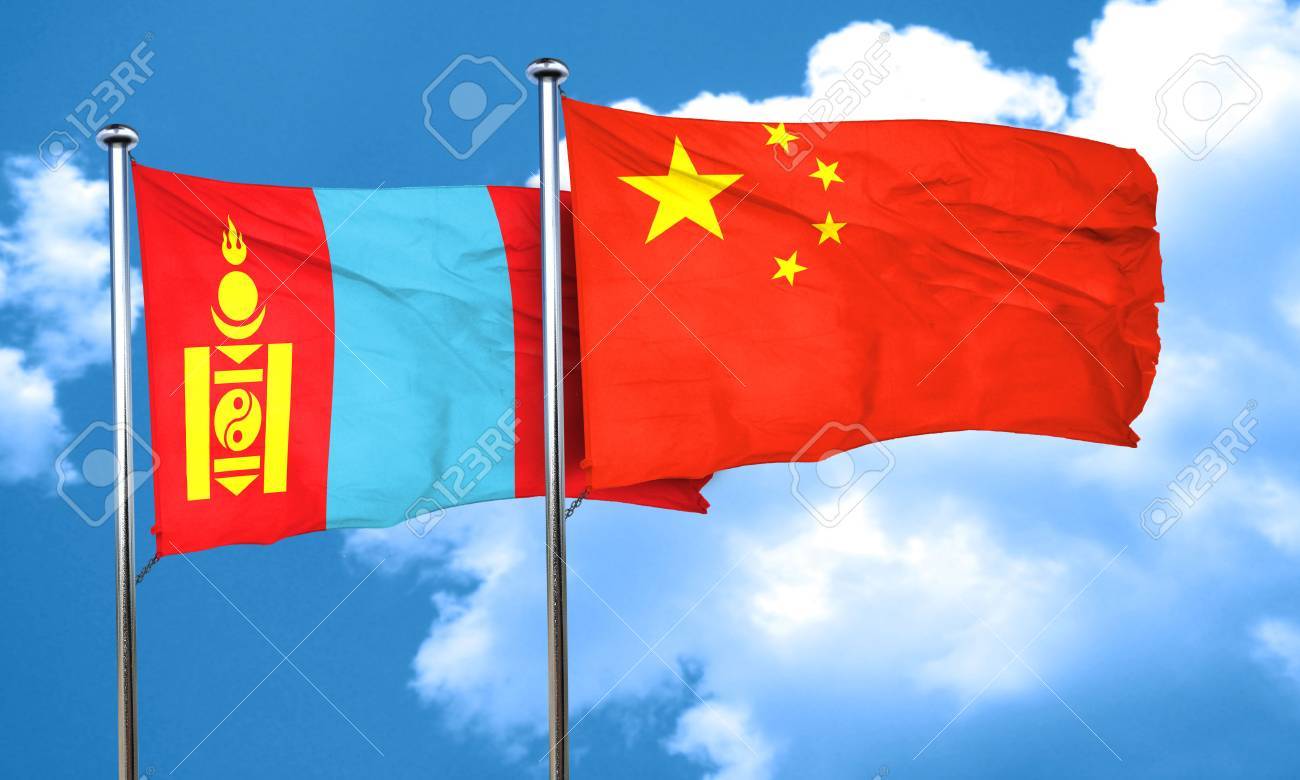
Mongolia-China Business Forum in Ulaanbaatar www.montsame.mn
Sustainable Investment Summit 2023 or Mongolia-China Business Forum was launched on March 16, in Ulaanbaatar. The forum, which brought together representatives from the banking, finance, agriculture, mining, and construction sectors, will continue for 3 days.
Mongolian Youth Federation and Mongolia-China Trade and Economic Cooperation Association are jointly organizing the forum, which is attended by over 200 Chinese investors who are interested in investing in the abovementioned sectors, and more than 200 enterprises and 250 entrepreneurs on the Mongolian side. This is the largest business event organized in the past 10 years, since the visit of Premier Wen Jiabao of the State Council of China in 2010.
In his opening remarks, noting the fact that the cooperation between youth organizations of the two countries has been expanding, besides the growing cooperation in other sectors, such as politic, society, economy, and humanity, President of the Mongolian Youth Federation B. Sergelenbaatar said, “This forum will provide a platform for representatives of Mongolian and Chinese business communities to introduce and discuss their projects and investment possibilities. Investment is a mechanism to boost the development of a country. The economic development, increased production, and improved trade turnover will result in new jobs, competitive salaries, and solutions to many challenges that youths have faced.”
A member of the Mongolia-China Trade and Economic Cooperation Association Wei Shan Dong said “I hope this forum will unfold many opportunities for businesses. China and Mongolia, connected by mountains and rivers, share weal and woe. It is an inevitable choice for both sides to maintain and develop bilateral relations, especially in economy, trade, and investment spheres.”
During the forum, while highlighting the significance of this forum in expanding the trade ties between the two countries, increasing the investment in Mongolia, and intensifying the joint commitments for the regional environment, Minister of Justice and Home Affairs Kh. Nyambaatar gave a speech on “Current Situation and Legal Framework of the Foreign Investment”. Then, the presentations were made by Governor of the capital city, Mayor of Ulaanbaatar D. Sumyabazar on “Investment Policy and Plan of Ulaanbaatar City”, and by Deputy Minister of Food, Agriculture and Light Industry M. Gankhulug on “Policies and Cooperation Opportunities in Agriculture”.
Moreover, Capitron bank of Mongolia announced their plan to provide businesses with loans under favorable conditions with USD 100 million in financing from China. Representing the China-France Agricultural Science and Technology Park, Wanshi Jie said “I believe that Mongolia and China can support each other and maintain mutually beneficial cooperation in all sectors. For our side, we are more interested in projects, related to the mining, railway, transportation, urban development, energy, education, and medical sector. In 2022, our company made investments worth RMB 12 billion.”
China is the leading investor of our country and has invested USD 5. 4 billion so far. Trade turnover between the two countries was USD 41.2 million in 1990 and reached USD 11 billion last year. During the State Visit of President of Mongolia Ukhnaagiin Khurelsukh to China, the sides agreed to set a goal of attaining USD 20 billion worth of trade turnover.
According to the study, foreign investment accounts for 10% of GDP and 30-50% of the total investment of our country. Enterprises with foreign investments pay income taxes, on average, MNT 200 billion to the state budget annually.
There are 14 thousand enterprises with foreign investment registered in Mongolia, of which 50 percent are companies with Chinese investments.
On the first day of the Mongolia-China business forum, 17 Mongolian companies successfully agreed with Chinese investors to attract investments worth USD 258 million.
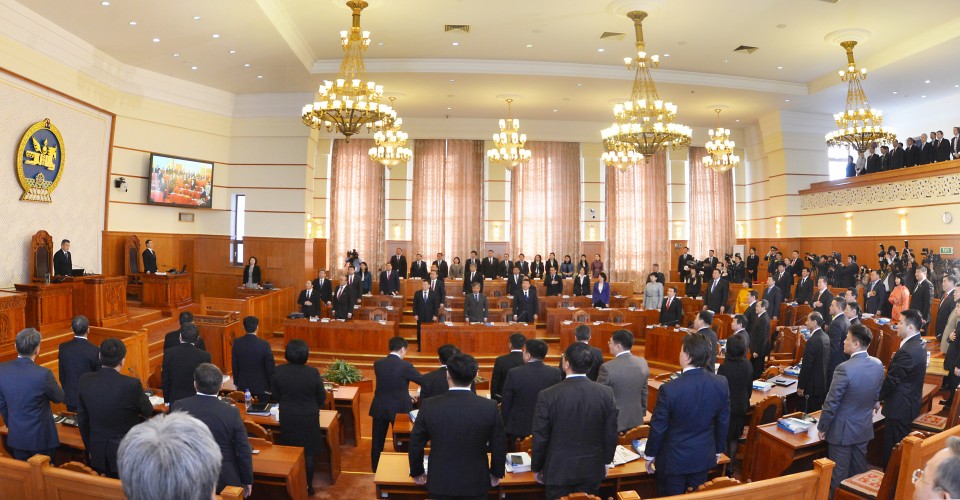
Parliament Accepts President’s Veto on the Law on Protecting Human Rights on Social Media www.montsame.mn
At today's session, the State Great Khural discussed and resolved to approve the President’s veto over the Law on Protecting Human Rights on Social Media and the accompanying four laws, namely amendments to the Law on Communications, Law on Cyber Security, Law on Protecting Personal Information, and Law on Tax.
On January 20, 2023, the parliament approved the Law on Protecting Human Rights on Social Media and the President issued the veto on January 27, having considered that the law violates some articles of the Constitution of Mongolia as it had not ensured public participation and reflected suggestions of persons or entities whose legal interests are affected by the law.
Some MPs expressed their position that the President’s veto should be accepted as Mongolia is a democratic country that respects and protects human rights and freedom and 89.1 percent of the members in attendance voted in favor of the veto.
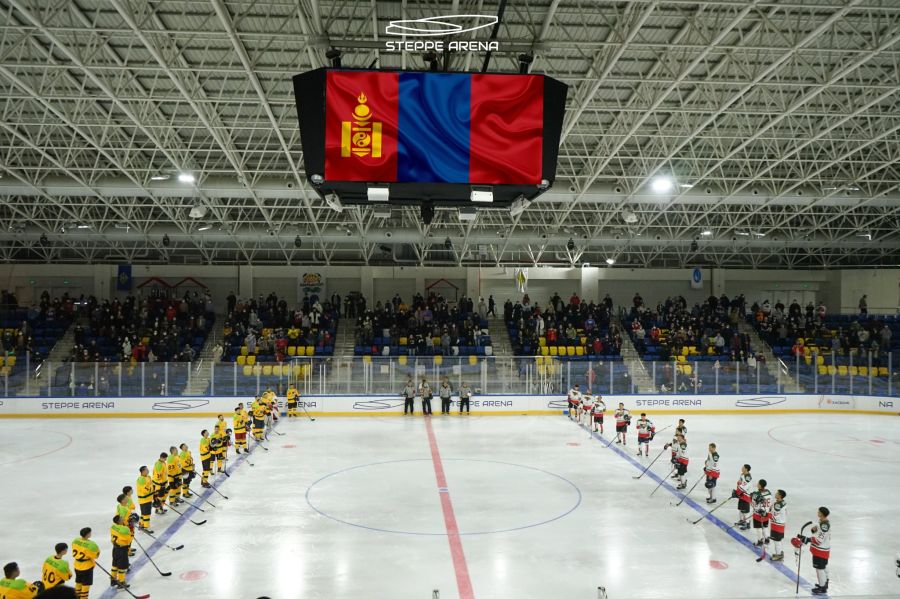
Team Mongolia Wins Third Place in the Championship www.montsame.mn
The 2023 IIHF Ice Hockey U18 Asia and Oceania Championship was solemnly held in Ulaanbaatar, Mongolia, and ended on March 17, 2023. The winners of the championship were honored at the closing ceremony in Steppe Arena.
Specifically, after many fierce battles between six countries, including, Mongolia, Thailand, Turkmenistan, the United Arab Emirates, Iran, and Uzbekistan, the team Uzbekistan lifted the championship trophy with five wins whereas the team Mongolia (host country) sealed 3rd place in the tournament. The team Turkmenistan captured second place with four wins and one loss.
The awards were conferred at the closing ceremony of the tournament by the Vice President of IIHF Aivaz Omorkanov and Minister of Finance and President of the Mongolian Ice Hockey Federation B. Javkhlan.
The International Ice Hockey Federation has 83 member national associations. From Asia, China ranked 16 with points of 2890 in the world ranking - IIHF, following South Korea at 21 with points of 2705 while Mongolia placed 59th.
In addition, the IIHF World Championship Division IV will be held in Mongolia on March 23-26 with participants from Indonesia, Kuwait, Mongolia, Philippines.
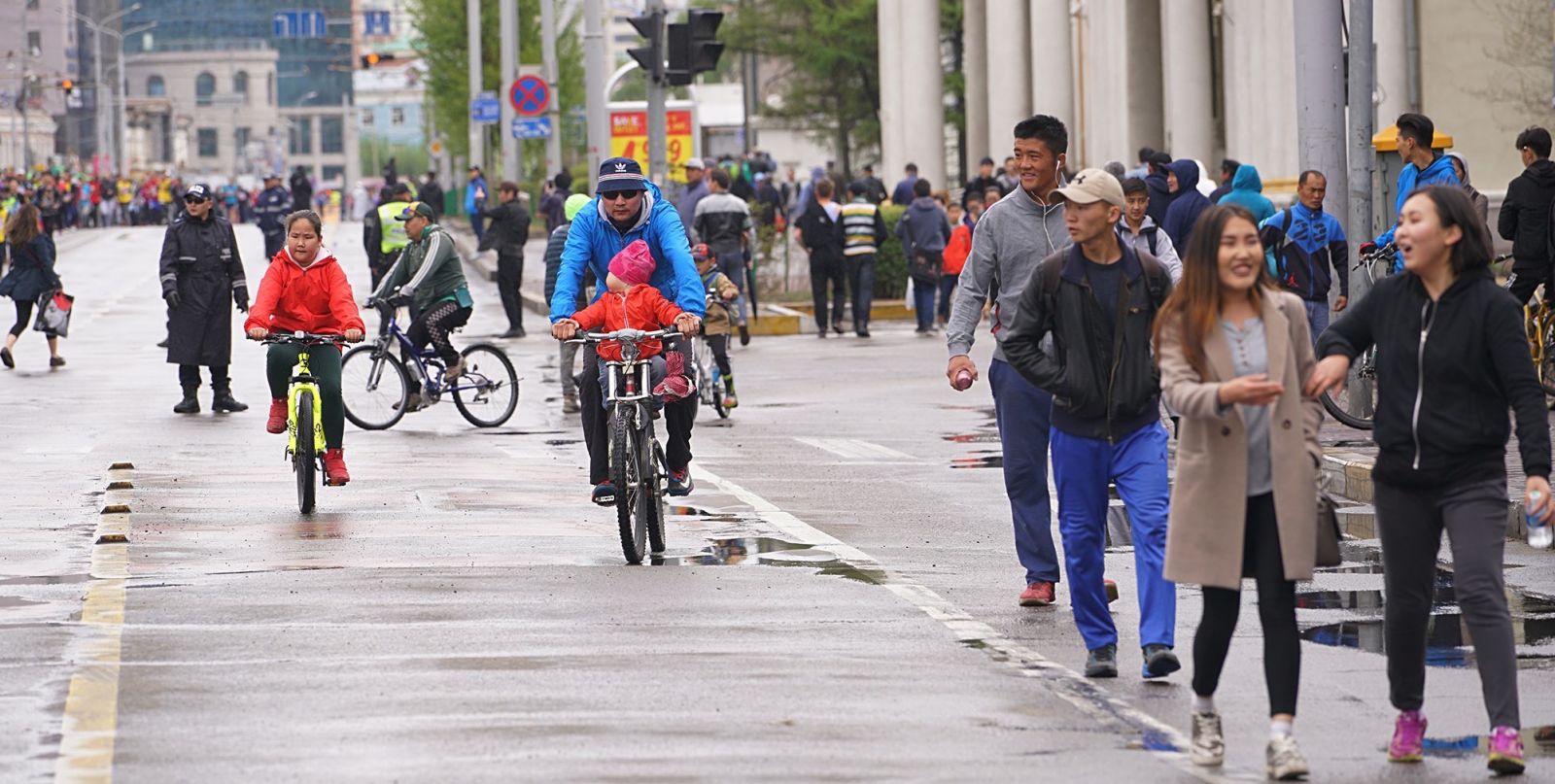
Monthly average wage increased by 21% to be MNT 1.7 million www.gogo.mn
In Mongolia, the average monthly wage increased by 21% to MNT 1.7 million as of the fourth quarter of last year. A total of 756,000 employees of 49,000 enterprises and organizations were included in the social insurance payment report Q4 2022 of the Social Insurance General Office. Average wage is calculated based on their wage information.
The number of enterprises which pay social insurance fees increased by 2.7 thousand from the same period last year and by 347 from the previous quarter. Employees increased by 36.8 thousand from the same period last year and by 629 thousand from the previous quarter.
The median monthly wage of 756,000 employees included in the 2022 fourth quarter report of social insurance payment is MNT 1.2 million. The median wage increased by MNT 127 thousand from the previous quarter.
By gender, men's average wages are MNT 1.9 million and women's average wages are MNT 1.6 million. By sector, employees in the sector of international organizations and resident representatives have the highest wage which is equal to MNT 5.2 million, and employees in the sector of art, entertainment, and games is the lowest which is equal to MNT 1.1 million.
However monthly average wage increased by 2 times since 2015, the wage that represents purchasing power increased by 36.7%.
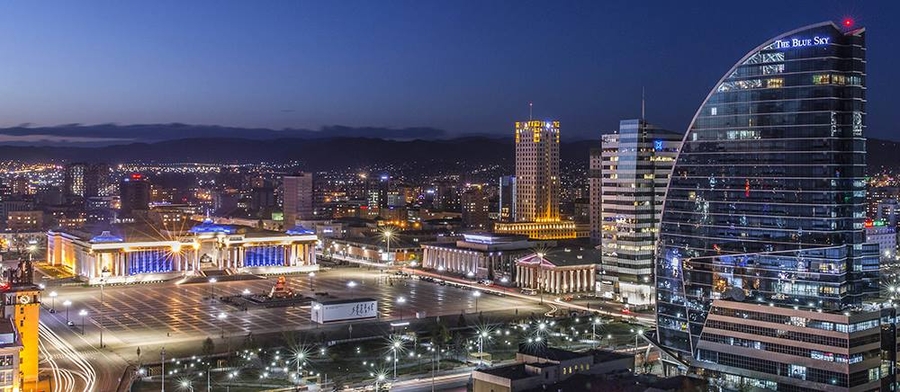
Mongolia's foreign trade turnover up by over 55 pct www.xinhuanet.com
Mongolia's foreign trade turnover increased by 55.2 percent year on year to 3.4 billion U.S. dollars in the first two months of this year.
Mongolia registered a foreign trade surplus of 1 billion dollars in the January-February period, the National Statistics Office said Wednesday.
It was mainly attributed to a significant increase in the exports of mining products, it said.
The Asian country traded with 118 economies worldwide in the period.
- «
- 1
- 2
- 3
- 4
- 5
- 6
- 7
- 8
- 9
- 10
- 11
- 12
- 13
- 14
- 15
- 16
- 17
- 18
- 19
- 20
- 21
- 22
- 23
- 24
- 25
- 26
- 27
- 28
- 29
- 30
- 31
- 32
- 33
- 34
- 35
- 36
- 37
- 38
- 39
- 40
- 41
- 42
- 43
- 44
- 45
- 46
- 47
- 48
- 49
- 50
- 51
- 52
- 53
- 54
- 55
- 56
- 57
- 58
- 59
- 60
- 61
- 62
- 63
- 64
- 65
- 66
- 67
- 68
- 69
- 70
- 71
- 72
- 73
- 74
- 75
- 76
- 77
- 78
- 79
- 80
- 81
- 82
- 83
- 84
- 85
- 86
- 87
- 88
- 89
- 90
- 91
- 92
- 93
- 94
- 95
- 96
- 97
- 98
- 99
- 100
- 101
- 102
- 103
- 104
- 105
- 106
- 107
- 108
- 109
- 110
- 111
- 112
- 113
- 114
- 115
- 116
- 117
- 118
- 119
- 120
- 121
- 122
- 123
- 124
- 125
- 126
- 127
- 128
- 129
- 130
- 131
- 132
- 133
- 134
- 135
- 136
- 137
- 138
- 139
- 140
- 141
- 142
- 143
- 144
- 145
- 146
- 147
- 148
- 149
- 150
- 151
- 152
- 153
- 154
- 155
- 156
- 157
- 158
- 159
- 160
- 161
- 162
- 163
- 164
- 165
- 166
- 167
- 168
- 169
- 170
- 171
- 172
- 173
- 174
- 175
- 176
- 177
- 178
- 179
- 180
- 181
- 182
- 183
- 184
- 185
- 186
- 187
- 188
- 189
- 190
- 191
- 192
- 193
- 194
- 195
- 196
- 197
- 198
- 199
- 200
- 201
- 202
- 203
- 204
- 205
- 206
- 207
- 208
- 209
- 210
- 211
- 212
- 213
- 214
- 215
- 216
- 217
- 218
- 219
- 220
- 221
- 222
- 223
- 224
- 225
- 226
- 227
- 228
- 229
- 230
- 231
- 232
- 233
- 234
- 235
- 236
- 237
- 238
- 239
- 240
- 241
- 242
- 243
- 244
- 245
- 246
- 247
- 248
- 249
- 250
- 251
- 252
- 253
- 254
- 255
- 256
- 257
- 258
- 259
- 260
- 261
- 262
- 263
- 264
- 265
- 266
- 267
- 268
- 269
- 270
- 271
- 272
- 273
- 274
- 275
- 276
- 277
- 278
- 279
- 280
- 281
- 282
- 283
- 284
- 285
- 286
- 287
- 288
- 289
- 290
- 291
- 292
- 293
- 294
- 295
- 296
- 297
- 298
- 299
- 300
- 301
- 302
- 303
- 304
- 305
- 306
- 307
- 308
- 309
- 310
- 311
- 312
- 313
- 314
- 315
- 316
- 317
- 318
- 319
- 320
- 321
- 322
- 323
- 324
- 325
- 326
- 327
- 328
- 329
- 330
- 331
- 332
- 333
- 334
- 335
- 336
- 337
- 338
- 339
- 340
- 341
- 342
- 343
- 344
- 345
- 346
- 347
- 348
- 349
- 350
- 351
- 352
- 353
- 354
- 355
- 356
- 357
- 358
- 359
- 360
- 361
- 362
- 363
- 364
- 365
- 366
- 367
- 368
- 369
- 370
- 371
- 372
- 373
- 374
- 375
- 376
- 377
- 378
- 379
- 380
- 381
- 382
- 383
- 384
- 385
- 386
- 387
- 388
- 389
- 390
- 391
- 392
- 393
- 394
- 395
- 396
- 397
- 398
- 399
- 400
- 401
- 402
- 403
- 404
- 405
- 406
- 407
- 408
- 409
- 410
- 411
- 412
- 413
- 414
- 415
- 416
- 417
- 418
- 419
- 420
- 421
- 422
- 423
- 424
- 425
- 426
- 427
- 428
- 429
- 430
- 431
- 432
- 433
- 434
- 435
- 436
- 437
- 438
- 439
- 440
- 441
- 442
- 443
- 444
- 445
- 446
- 447
- 448
- 449
- 450
- 451
- 452
- 453
- 454
- 455
- 456
- 457
- 458
- 459
- 460
- 461
- 462
- 463
- 464
- 465
- 466
- 467
- 468
- 469
- 470
- 471
- 472
- 473
- 474
- 475
- 476
- 477
- 478
- 479
- 480
- 481
- 482
- 483
- 484
- 485
- 486
- 487
- 488
- 489
- 490
- 491
- 492
- 493
- 494
- 495
- 496
- 497
- 498
- 499
- 500
- 501
- 502
- 503
- 504
- 505
- 506
- 507
- 508
- 509
- 510
- 511
- 512
- 513
- 514
- 515
- 516
- 517
- 518
- 519
- 520
- 521
- 522
- 523
- 524
- 525
- 526
- 527
- 528
- 529
- 530
- 531
- 532
- 533
- 534
- 535
- 536
- 537
- 538
- 539
- 540
- 541
- 542
- 543
- 544
- 545
- 546
- 547
- 548
- 549
- 550
- 551
- 552
- 553
- 554
- 555
- 556
- 557
- 558
- 559
- 560
- 561
- 562
- 563
- 564
- 565
- 566
- 567
- 568
- 569
- 570
- 571
- 572
- 573
- 574
- 575
- 576
- 577
- 578
- 579
- 580
- 581
- 582
- 583
- 584
- 585
- 586
- 587
- 588
- 589
- 590
- 591
- 592
- 593
- 594
- 595
- 596
- 597
- 598
- 599
- 600
- 601
- 602
- 603
- 604
- 605
- 606
- 607
- 608
- 609
- 610
- 611
- 612
- 613
- 614
- 615
- 616
- 617
- 618
- 619
- 620
- 621
- 622
- 623
- 624
- 625
- 626
- 627
- 628
- 629
- 630
- 631
- 632
- 633
- 634
- 635
- 636
- 637
- 638
- 639
- 640
- 641
- 642
- 643
- 644
- 645
- 646
- 647
- 648
- 649
- 650
- 651
- 652
- 653
- 654
- 655
- 656
- 657
- 658
- 659
- 660
- 661
- 662
- 663
- 664
- 665
- 666
- 667
- 668
- 669
- 670
- 671
- 672
- 673
- 674
- 675
- 676
- 677
- 678
- 679
- 680
- 681
- 682
- 683
- 684
- 685
- 686
- 687
- 688
- 689
- 690
- 691
- 692
- 693
- 694
- 695
- 696
- 697
- 698
- 699
- 700
- 701
- 702
- 703
- 704
- 705
- 706
- 707
- 708
- 709
- 710
- 711
- 712
- 713
- 714
- 715
- 716
- 717
- 718
- 719
- 720
- 721
- 722
- 723
- 724
- 725
- 726
- 727
- 728
- 729
- 730
- 731
- 732
- 733
- 734
- 735
- 736
- 737
- 738
- 739
- 740
- 741
- 742
- 743
- 744
- 745
- 746
- 747
- 748
- 749
- 750
- 751
- 752
- 753
- 754
- 755
- 756
- 757
- 758
- 759
- 760
- 761
- 762
- 763
- 764
- 765
- 766
- 767
- 768
- 769
- 770
- 771
- 772
- 773
- 774
- 775
- 776
- 777
- 778
- 779
- 780
- 781
- 782
- 783
- 784
- 785
- 786
- 787
- 788
- 789
- 790
- 791
- 792
- 793
- 794
- 795
- 796
- 797
- 798
- 799
- 800
- 801
- 802
- 803
- 804
- 805
- 806
- 807
- 808
- 809
- 810
- 811
- 812
- 813
- 814
- 815
- 816
- 817
- 818
- 819
- 820
- 821
- 822
- 823
- 824
- 825
- 826
- 827
- 828
- 829
- 830
- 831
- 832
- 833
- 834
- 835
- 836
- 837
- 838
- 839
- 840
- 841
- 842
- 843
- 844
- 845
- 846
- 847
- 848
- 849
- 850
- 851
- 852
- 853
- 854
- 855
- 856
- 857
- 858
- 859
- 860
- 861
- 862
- 863
- 864
- 865
- 866
- 867
- 868
- 869
- 870
- 871
- 872
- 873
- 874
- 875
- 876
- 877
- 878
- 879
- 880
- 881
- 882
- 883
- 884
- 885
- 886
- 887
- 888
- 889
- 890
- 891
- 892
- 893
- 894
- 895
- 896
- 897
- 898
- 899
- 900
- 901
- 902
- 903
- 904
- 905
- 906
- 907
- 908
- 909
- 910
- 911
- 912
- 913
- 914
- 915
- 916
- 917
- 918
- 919
- 920
- 921
- 922
- 923
- 924
- 925
- 926
- 927
- 928
- 929
- 930
- 931
- 932
- 933
- 934
- 935
- 936
- 937
- 938
- 939
- 940
- 941
- 942
- 943
- 944
- 945
- 946
- 947
- 948
- 949
- 950
- 951
- 952
- 953
- 954
- 955
- 956
- 957
- 958
- 959
- 960
- 961
- 962
- 963
- 964
- 965
- 966
- 967
- 968
- 969
- 970
- 971
- 972
- 973
- 974
- 975
- 976
- 977
- 978
- 979
- 980
- 981
- 982
- 983
- 984
- 985
- 986
- 987
- 988
- 989
- 990
- 991
- 992
- 993
- 994
- 995
- 996
- 997
- 998
- 999
- 1000
- 1001
- 1002
- 1003
- 1004
- 1005
- 1006
- 1007
- 1008
- 1009
- 1010
- 1011
- 1012
- 1013
- 1014
- 1015
- 1016
- 1017
- 1018
- 1019
- 1020
- 1021
- 1022
- 1023
- 1024
- 1025
- 1026
- 1027
- 1028
- 1029
- 1030
- 1031
- 1032
- 1033
- 1034
- 1035
- 1036
- 1037
- 1038
- 1039
- 1040
- 1041
- 1042
- 1043
- 1044
- 1045
- 1046
- 1047
- 1048
- 1049
- 1050
- 1051
- 1052
- 1053
- 1054
- 1055
- 1056
- 1057
- 1058
- 1059
- 1060
- 1061
- 1062
- 1063
- 1064
- 1065
- 1066
- 1067
- 1068
- 1069
- 1070
- 1071
- 1072
- 1073
- 1074
- 1075
- 1076
- 1077
- 1078
- 1079
- 1080
- 1081
- 1082
- 1083
- 1084
- 1085
- 1086
- 1087
- 1088
- 1089
- 1090
- 1091
- 1092
- 1093
- 1094
- 1095
- 1096
- 1097
- 1098
- 1099
- 1100
- 1101
- 1102
- 1103
- 1104
- 1105
- 1106
- 1107
- 1108
- 1109
- 1110
- 1111
- 1112
- 1113
- 1114
- 1115
- 1116
- 1117
- 1118
- 1119
- 1120
- 1121
- 1122
- 1123
- 1124
- 1125
- 1126
- 1127
- 1128
- 1129
- 1130
- 1131
- 1132
- 1133
- 1134
- 1135
- 1136
- 1137
- 1138
- 1139
- 1140
- 1141
- 1142
- 1143
- 1144
- 1145
- 1146
- 1147
- 1148
- 1149
- 1150
- 1151
- 1152
- 1153
- 1154
- 1155
- 1156
- 1157
- 1158
- 1159
- 1160
- 1161
- 1162
- 1163
- 1164
- 1165
- 1166
- 1167
- 1168
- 1169
- 1170
- 1171
- 1172
- 1173
- 1174
- 1175
- 1176
- 1177
- 1178
- 1179
- 1180
- 1181
- 1182
- 1183
- 1184
- 1185
- 1186
- 1187
- 1188
- 1189
- 1190
- 1191
- 1192
- 1193
- 1194
- 1195
- 1196
- 1197
- 1198
- 1199
- 1200
- 1201
- 1202
- 1203
- 1204
- 1205
- 1206
- 1207
- 1208
- 1209
- 1210
- 1211
- 1212
- 1213
- 1214
- 1215
- 1216
- 1217
- 1218
- 1219
- 1220
- 1221
- 1222
- 1223
- 1224
- 1225
- 1226
- 1227
- 1228
- 1229
- 1230
- 1231
- 1232
- 1233
- 1234
- 1235
- 1236
- 1237
- 1238
- 1239
- 1240
- 1241
- 1242
- 1243
- 1244
- 1245
- 1246
- 1247
- 1248
- 1249
- 1250
- 1251
- 1252
- 1253
- 1254
- 1255
- 1256
- 1257
- 1258
- 1259
- 1260
- 1261
- 1262
- 1263
- 1264
- 1265
- 1266
- 1267
- 1268
- 1269
- 1270
- 1271
- 1272
- 1273
- 1274
- 1275
- 1276
- 1277
- 1278
- 1279
- 1280
- 1281
- 1282
- 1283
- 1284
- 1285
- 1286
- 1287
- 1288
- 1289
- 1290
- 1291
- 1292
- 1293
- 1294
- 1295
- 1296
- 1297
- 1298
- 1299
- 1300
- 1301
- 1302
- 1303
- 1304
- 1305
- 1306
- 1307
- 1308
- 1309
- 1310
- 1311
- 1312
- 1313
- 1314
- 1315
- 1316
- 1317
- 1318
- 1319
- 1320
- 1321
- 1322
- 1323
- 1324
- 1325
- 1326
- 1327
- 1328
- 1329
- 1330
- 1331
- 1332
- 1333
- 1334
- 1335
- 1336
- 1337
- 1338
- 1339
- 1340
- 1341
- 1342
- 1343
- 1344
- 1345
- 1346
- 1347
- 1348
- 1349
- 1350
- 1351
- 1352
- 1353
- 1354
- 1355
- 1356
- 1357
- 1358
- 1359
- 1360
- 1361
- 1362
- 1363
- 1364
- 1365
- 1366
- 1367
- 1368
- 1369
- 1370
- 1371
- 1372
- 1373
- 1374
- 1375
- 1376
- 1377
- 1378
- 1379
- 1380
- 1381
- 1382
- 1383
- 1384
- 1385
- 1386
- 1387
- 1388
- 1389
- 1390
- 1391
- 1392
- 1393
- 1394
- 1395
- 1396
- 1397
- 1398
- 1399
- 1400
- 1401
- 1402
- 1403
- 1404
- 1405
- 1406
- 1407
- 1408
- 1409
- 1410
- 1411
- 1412
- 1413
- 1414
- 1415
- 1416
- 1417
- 1418
- 1419
- 1420
- 1421
- 1422
- 1423
- 1424
- 1425
- 1426
- 1427
- 1428
- 1429
- 1430
- 1431
- 1432
- 1433
- 1434
- 1435
- 1436
- 1437
- 1438
- 1439
- 1440
- 1441
- 1442
- 1443
- 1444
- 1445
- 1446
- 1447
- 1448
- 1449
- 1450
- 1451
- 1452
- 1453
- 1454
- 1455
- 1456
- 1457
- 1458
- 1459
- 1460
- 1461
- 1462
- 1463
- 1464
- 1465
- 1466
- 1467
- 1468
- 1469
- 1470
- 1471
- 1472
- 1473
- 1474
- 1475
- 1476
- 1477
- 1478
- 1479
- 1480
- 1481
- 1482
- 1483
- 1484
- 1485
- 1486
- 1487
- 1488
- 1489
- 1490
- 1491
- 1492
- 1493
- 1494
- 1495
- 1496
- 1497
- 1498
- 1499
- 1500
- 1501
- 1502
- 1503
- 1504
- 1505
- 1506
- 1507
- 1508
- 1509
- 1510
- 1511
- 1512
- 1513
- 1514
- 1515
- 1516
- 1517
- 1518
- 1519
- 1520
- 1521
- 1522
- 1523
- 1524
- 1525
- 1526
- 1527
- 1528
- 1529
- 1530
- 1531
- 1532
- 1533
- 1534
- 1535
- 1536
- 1537
- 1538
- 1539
- 1540
- 1541
- 1542
- 1543
- 1544
- 1545
- 1546
- 1547
- 1548
- 1549
- 1550
- 1551
- 1552
- 1553
- 1554
- 1555
- 1556
- 1557
- 1558
- 1559
- 1560
- 1561
- 1562
- 1563
- 1564
- 1565
- 1566
- 1567
- 1568
- 1569
- 1570
- 1571
- 1572
- 1573
- 1574
- 1575
- 1576
- 1577
- 1578
- 1579
- 1580
- 1581
- 1582
- 1583
- 1584
- 1585
- 1586
- 1587
- 1588
- 1589
- 1590
- 1591
- 1592
- 1593
- 1594
- 1595
- 1596
- 1597
- 1598
- 1599
- 1600
- 1601
- 1602
- 1603
- 1604
- 1605
- 1606
- 1607
- 1608
- 1609
- 1610
- 1611
- 1612
- 1613
- 1614
- 1615
- 1616
- 1617
- 1618
- 1619
- 1620
- 1621
- 1622
- 1623
- 1624
- 1625
- 1626
- 1627
- 1628
- 1629
- 1630
- 1631
- 1632
- 1633
- 1634
- 1635
- 1636
- 1637
- 1638
- 1639
- 1640
- 1641
- 1642
- 1643
- 1644
- 1645
- 1646
- 1647
- 1648
- 1649
- 1650
- 1651
- 1652
- 1653
- 1654
- 1655
- 1656
- 1657
- 1658
- 1659
- 1660
- 1661
- 1662
- 1663
- 1664
- 1665
- 1666
- 1667
- 1668
- 1669
- 1670
- 1671
- 1672
- 1673
- 1674
- 1675
- 1676
- 1677
- 1678
- 1679
- 1680
- 1681
- 1682
- 1683
- 1684
- 1685
- 1686
- 1687
- 1688
- 1689
- 1690
- 1691
- 1692
- 1693
- 1694
- 1695
- 1696
- 1697
- 1698
- 1699
- 1700
- 1701
- 1702
- 1703
- 1704
- 1705
- 1706
- 1707
- 1708
- 1709
- 1710
- 1711
- 1712
- 1713
- 1714
- 1715
- 1716
- 1717
- 1718
- 1719
- 1720
- 1721
- 1722
- 1723
- 1724
- 1725
- 1726
- 1727
- 1728
- 1729
- 1730
- 1731
- 1732
- 1733
- 1734
- 1735
- 1736
- 1737
- 1738
- 1739
- 1740
- 1741
- 1742
- 1743
- 1744
- 1745
- 1746
- 1747
- 1748
- 1749
- 1750
- 1751
- 1752
- 1753
- 1754
- 1755
- 1756
- 1757
- 1758
- 1759
- 1760
- 1761
- 1762
- 1763
- 1764
- 1765
- 1766
- 1767
- 1768
- 1769
- 1770
- 1771
- 1772
- 1773
- 1774
- 1775
- 1776
- 1777
- 1778
- 1779
- 1780
- 1781
- 1782
- 1783
- 1784
- 1785
- 1786
- 1787
- 1788
- 1789
- 1790
- 1791
- 1792
- 1793
- 1794
- 1795
- 1796
- 1797
- 1798
- 1799
- 1800
- 1801
- 1802
- 1803
- 1804
- 1805
- 1806
- 1807
- 1808
- 1809
- 1810
- 1811
- 1812
- 1813
- 1814
- 1815
- 1816
- 1817
- 1818
- 1819
- 1820
- 1821
- 1822
- 1823
- 1824
- 1825
- 1826
- 1827
- 1828
- 1829
- 1830
- 1831
- »


