
Category
- Agriculture
- Automobiles and Machinery
- Bank, non banking financing, investment
- Blasting
- Construction
- Consumables
- Education
- Energy
- Engineer , Architecture and Geodesy
- Finance, Audit,Accounting and Brokerage
- Food
- Foreign Trade
- Geology Exploration
- Health
- Information Technology
- Insurance
- Labor Safety
- Legal and Business consulting
- Lighting
- Mining equipment
- Mining Services
- Other product and service
- Road
- Sewing and textile products
- Transportations
- Travel
Events

Events
| Name | organizer | Where |
|---|---|---|
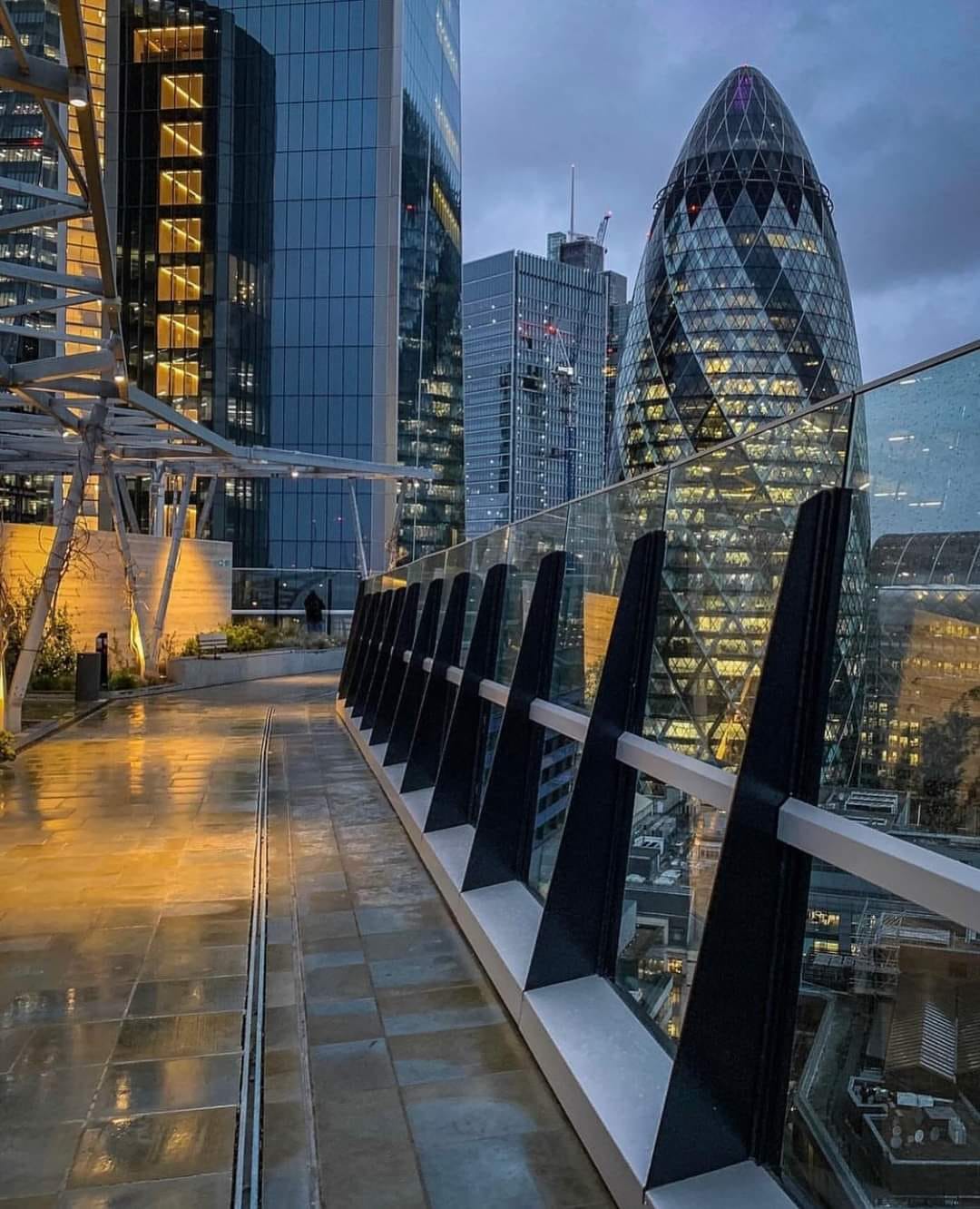
| MBCC “Doing Business with Mongolia seminar and Christmas Receptiom” Dec 10. 2025 London UK | MBCCI | London UK Goodman LLC |
NEWS

Foreign Minister’s visit to China begins www.montsame.mn
Minister of Foreign Affairs B.Battsetseg has arrived in Tianjin, China for her official visit to the People’s Republic of China.
The Foreign Minister of Mongolia is holding talks with the country’s State Councilor and Minister of Foreign Affairs Wang Yi this afternoon
Embassy of DPRK extends greetings www.montsame.mn
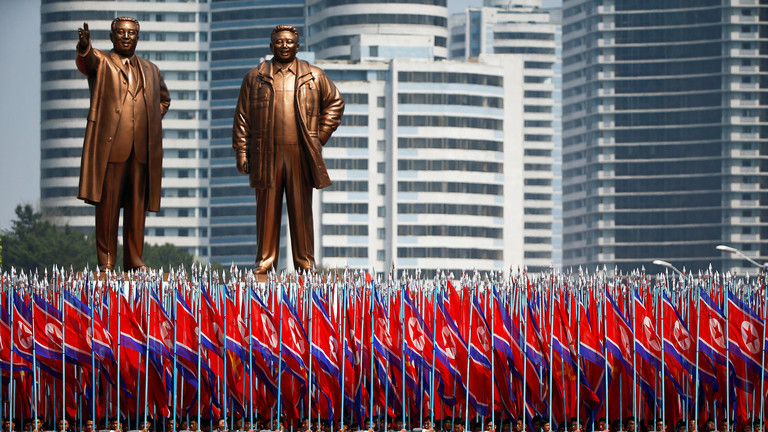
On the occasion of the 100th anniversary of the establishment of MONTSAME News Agency, Ambassador Extraordinary and Plenipotentiary of the Democratic People's Republic of Korea to Mongolia Mr. O Sung Ho extended greetings.
“Director-General of MONTSAME News Agency, Ms. Ganchimeg Badamdorj,
On the occasion of the 100th anniversary of the foundation of MONTSAME News Agency, the Embassy of DPRK to Mongolia would like to extend greetings and express heartfelt congratulations to you and the entire staff of the MONTSAME.
We are pleased to say that during the past 100 years, the most respected news agency in Mongolia, MONTSAME has been accepted as a news agency that promotes the various efforts of the people as well as the traditional culture and history of Mongolia to the world for the country's development and prosperity, alongside timely delivering information about international political events in an accurate way to its people.
I would also like to use this opportunity to express that we firmly believe that MONTSAME will closely cooperate with the Embassy of DPRK further developing and strengthening cooperation with the Korean Central News Agency (KCNA), expanding the traditional friendly relations between the two countries.
The Embassy of DPRK to Mongolia once again expresses its great respect for the MONTSAME News Agency. We wish dear Ms. Ganchimeg and your team great success in all your endeavors and good health.”

Copper price highest in 6 weeks as flooding in China raises supply concerns www.mining.com
Copper prices jumped on Monday as floods in China sparked demand hopes at a time when inventories are falling.
Copper for delivery in September rose 4.5% from Friday’s settlement price, touching $4.602 per pound ($10,120 per tonne) midday Monday on the Comex market in New York.
SIGN UP FOR THE COPPER DIGEST
Benchmark copper on the London Metal Exchange was up 0.9% at $9,604.50 per tonne in official trading, after touching its highest since June 16 at $9,665 per tonne.
Floods in central China, especially in the industrial and transport hub city of Zhengzhou in Henan province, have raised supply concerns and demand for rebuilding damaged infrastructure.
Flooding has caused at least $10 billion in damage, according to state media.
“Sentiment has brightened again in the last few days, reflected in the copper price,” Commerzbank analyst Daniel Briesemann said, adding he believed copper was due for a correction.
A Singapore-based trader said the market was pricing in disruptions to output from floods in Henan and demand for reconstruction.
Related read: Are copper prices in a supercycle? A 120-year perspective.
Copper prices have been advancing after China revealed that will release fewer metals reserves than expected.
China will sell another 30,000 tonnes of copper, 90,000 tonnes of aluminum, and 50,000 tonnes of zinc at auction from its state reserves on July 29.
The auction will mark the second sale this month as the government aims to rein in skyrocketing commodity prices.
“It is slightly less than the market expected but it should be priced in already as it’s pretty well flagged,” said Anna Stablum, a commodities broker at Marex Spectron.
(With files from Reuters)
Mongolia reports 1,115 new COVID-19 cases www.xinhuanet.com
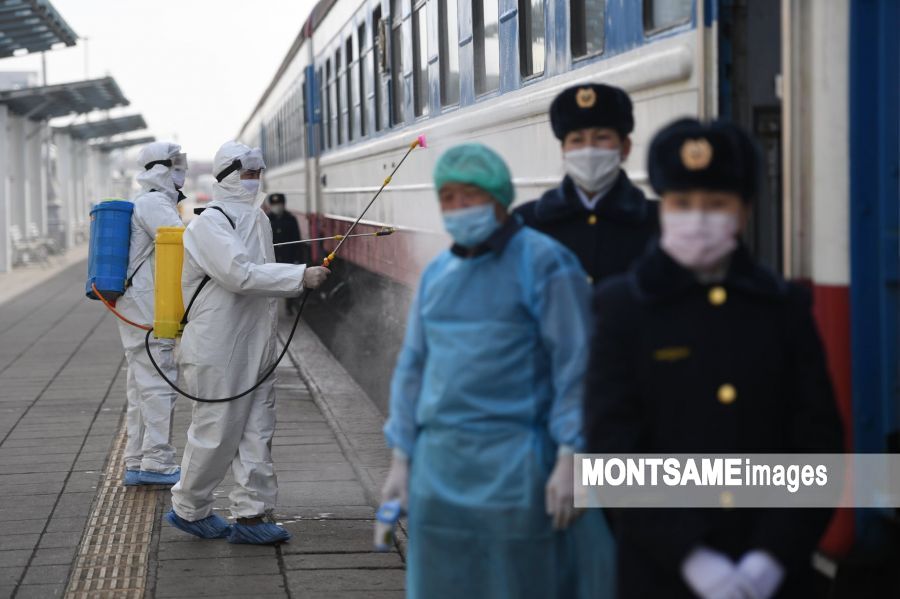
July 27 (Xinhua) -- The COVID-19 cases in Mongolia rose by 1,115 over the past 24 hours to 159,101, the health ministry said Tuesday.
A total of 7,408 samples were tested in the past day, and most of the new cases were local infections.
Meanwhile, seven more patients aged 41-80 died from the disease in the past day, taking the total to 816.
The Asian country began a nationwide COVID-19 vaccination campaign in late February, aiming to cover at least 60 percent of its 3.3-million population.
So far, nearly 60 percent of the country's population have received two jabs.
The country is planning to introduce the third doses of COVID-19 vaccines starting late August as part of further measures to combat the pandemic, according to the ministry.
Ono claims his 2nd judo gold, 4th of Games for Japan (Mongolia's second bronze medal) www.asahi.com
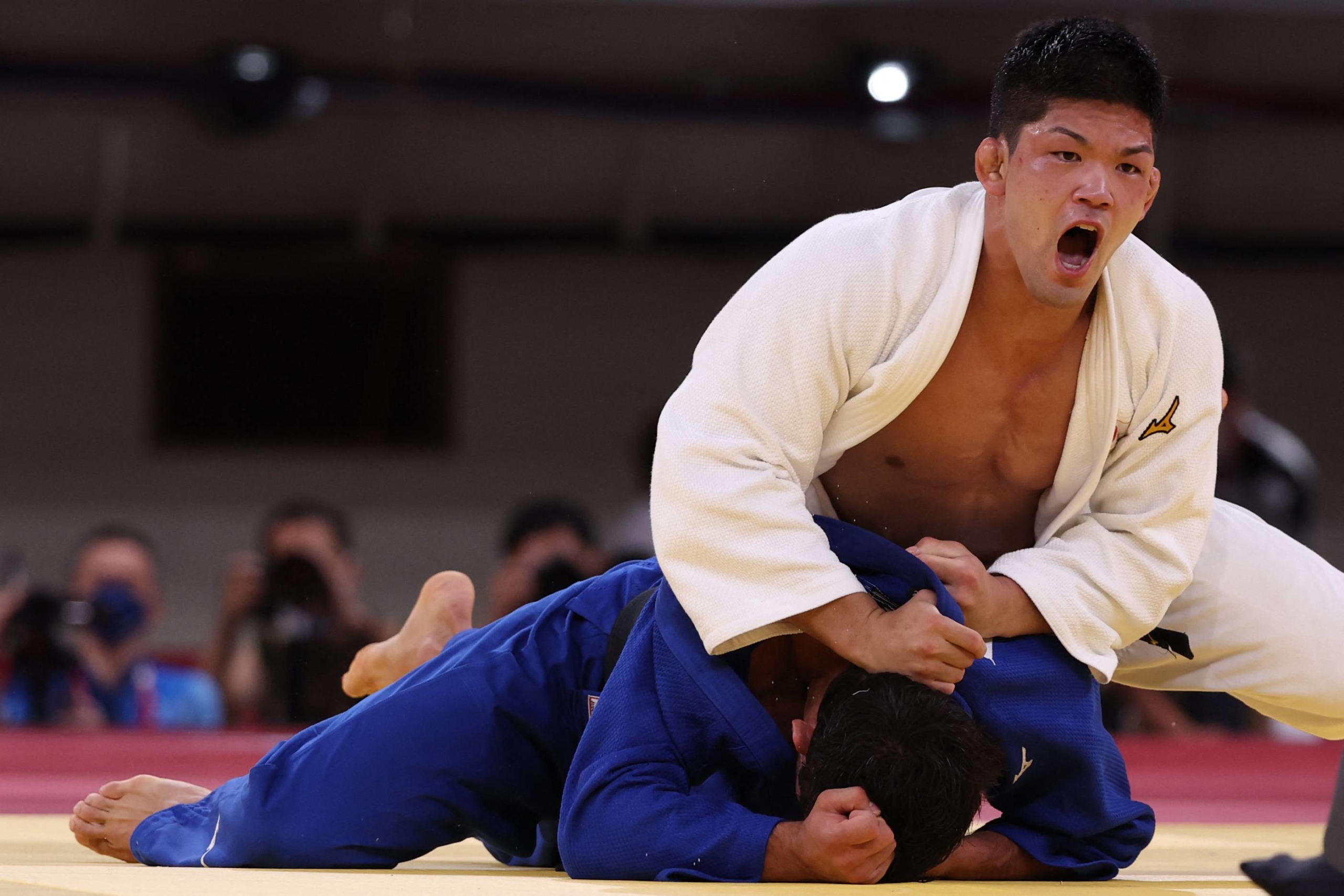
Judo superstar Shohei Ono has won his second Olympic gold medal after an epic lightweight final against Georgia’s Lasha Shavdatuashvili.
Ono and Shavdatuashvili went 5:26 into golden score before the Japanese champion finally threw Shavdatuashvili for a waza ari. He used both legs to get Shavdatuashvili airborne and put him harshly onto his left side.
Shavdatuashvili showed no fear against Ono, who hasn’t lost a judo match since 2015. Ono was called for two penalties in golden score against the Georgian contender, who fought more aggressively and dramatically avoided being caught in a match-ending throw one minute before Ono ended it.
Ono is Japan’s fourth gold medalist in six weight classes so far in Tokyo in judo, the nation’s homegrown martial art. Japanese judokas have also won one silver and one bronze.
South Korea’s An Changrim claimed one bronze medal after a thrilling bout with Azeri No. 1 seed Rustam Orujov, and Mongolia’s Tsogtbaatar Tsend-Ochir claimed the other bronze.
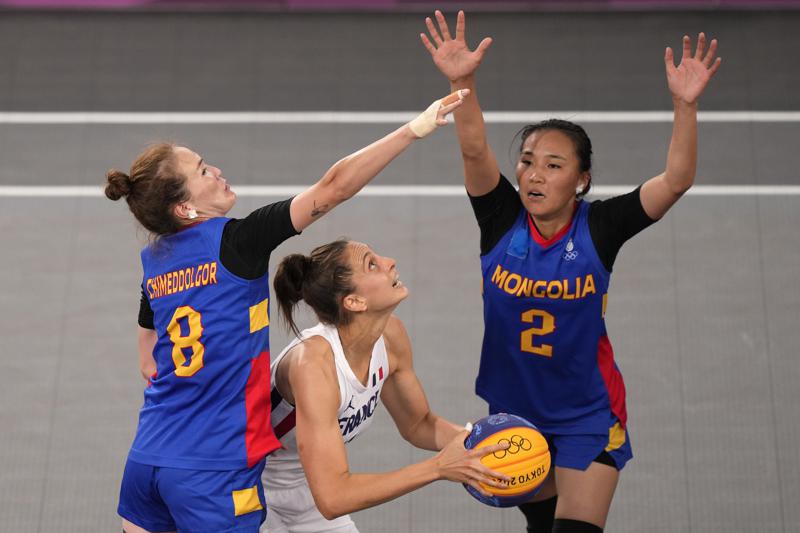
In an Olympic first, teamwork is the thing for Mongolia www.apnews.com
TOKYO (AP) — For decades, Mongolia sent mostly boxers, judokas and wrestlers to the Olympics — athletes doing solo work that, in many ways, reflected the spirit of a nation known for wide-open spaces and a sense of nomadic individualism.
This year, though, teamwork is the buzzword. A group of Mongolian women’s basketball players has taken center stage in Tokyo for the nation of 3 million, reimagining what’s possible both in their country and on the Olympic stage as a whole.
Led by 21-year-old Khulan Onolbaatar, who last Friday became the first female flag bearer in the country’s six-decade history at the Games, Mongolia is one of the eight women’s teams playing in the Olympic debut of 3-on-3 basketball.
“A dream come true for us, especially having our first Olympic Games as a team sport,” Onolbaatar said. “And representing our country on the biggest stage possible with team sports. And just being part of that team.”
That Mongolia will not win a medal, and might not even win a game over the course of the five-day tournament that concludes Wednesday, is almost secondary to the big picture this story represents.
When leaders of international basketball federation FIBA introduced this hybrid game to the world more than a decade ago, they did so with a mission of widening the audience for hoops beyond traditional countries, and beyond the urban playgrounds where 3-on-3 built its reputation.
Their success is reflected not only in this discipline’s rise into the Olympic stratosphere but also by who is here — and who isn’t. The men from the United States — the country where the game was invented and perfected — did not qualify. Mongolia’s women did.
“We’ve already had Olympic champions in boxing and wrestling,” said Tulga Sukhbaatar, the Mongolian coach who must watch the games from the stands, as dictated by the 3-on-3 rules. “But now every Mongolian says ‘Now I might want to play basketball, too.’”
Onolbaatar only started about four years ago. She grew up loving the NBA, which has been as aggressive as any U.S. sports league in spreading its tentacles through Asia and the rest of the world. Meanwhile, Onolbaatar’s older brother had already caught the bug and was part of the national team, “and you always look up to your older siblings and want to do what they do,” she said.
The notion she might someday play in an Olympics?
“That was a faraway dream. It was unreachable. It wasn’t something I thought about. I’d never even watched the Olympics,” Onolbaatar said.
Now, she’s in them, and but for a few bounces here or there, the men’s team might be, too. They were the top-ranked team in Asia and the top-seeded team heading into an Olympic qualifying event earlier this year, but fell short, much the way the U.S. men did in a different Olympic qualifier.
By then, Mongolia’s women had long secured their spot in the field, due to high world ranking that’s part of a labyrinthian system that was tilted to benefit nations that don’t have long resumes in international hoops.
“We’ve been pleased to see the quality of play from countries that are not traditional powers,” FIBA secretary general Andreas Zagklis said during a news conference over the weekend.
The Mongolian women have gotten a good dose of how the competition picks up once Olympic gold medals are on the line. Through the first three days of the event, they have played six games and lost all six. The U.S. women, meanwhile, came in seeded last but started 5-0.
To further magnify what the Olympics can mean for a sport, First Lady Jill Biden was in the stands on the first night to watch Team USA in action. Mongolian Prime Minister Oyun-Erdene Luvsannamsrai was there the second evening.
“He told us, ‘You girls are making history and you are doing great,’” Onolbaatar said. “We feel great as a team, making history on the biggest stage possible. But I didn’t know he was watching. If we did, we would have been even more nervous.”
The coach, Sukhbaatar, envisions a day when the stage might not feel so big for Onolbaatar and those who come after her. Hoops is thriving in their hometown, the capital city of Ulaanbaatar, where about half the country’s population lives and where blacktop and concrete abounds.
“A lot of basketball experts say it’s almost impossible to get a player to improve the way we have in three or four years, but we’re doing it,” Sukhbaatar said. “There’s a younger generation learning now. I think we’ll come back to the Olympic Games much stronger — in ’24, and ’28, and ’32.”
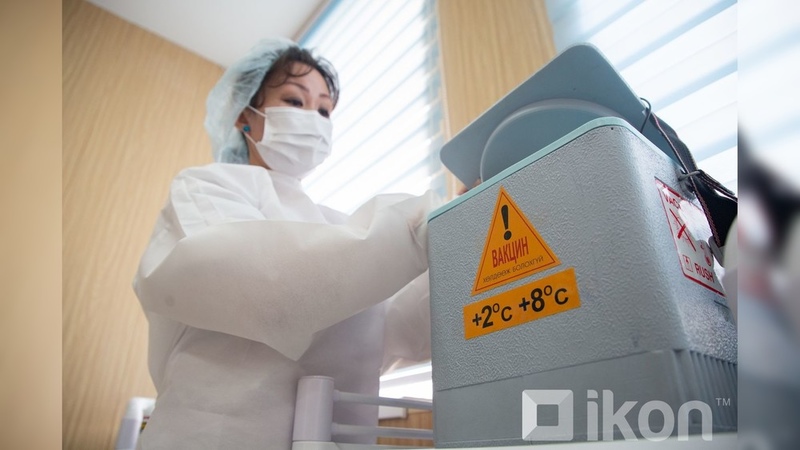
Mongolia plans to give COVID-19 booster shots www.xinhuanet.com
July 26 (Xinhua) -- Mongolia is planning to inoculate its citizens with a third dose of COVID-19 vaccine, Health Minister Sereejav Enkhbold said Monday.
Enkhbold made the remarks during a meeting of the national disaster risk reduction council.
"We are preparing to introduce the third doses of COVID-19 vaccine starting late August as part of further measures to combat the pandemic," he said.
The Asian country began a nationwide COVID-19 vaccination campaign in late February, aiming to cover at least 60 percent of its 3.3-million population.
Close to 66 percent of the country's population has received a first dose of vaccine and over 59 percent received two jabs. Enditem

PMs of Mongolia, ROK to hold meeting www.montsame.mn
The visit of Prime Minister of Mongolia L.Oyun-Erdene to Japan which took place between July 21 and 25 wrapped up today. On his way back to Mongolia, the PM is scheduled to make a stop in the Republic of Korea to meet Prime Minister Kim Boo-kyum.
At the meeting, the PMs of the two countries will exchange views on the management of the pandemic response, as well as bilateral relations, cooperation and ongoing projects and programs.
During his visit to Japan, Prime Minister L.Oyun-Erdene has paid a courtesy call on His Majesty the Emperor Naruhito and held a meeting with Prime Minister Yoshihide Suga. Moreover, the PM attended the opening ceremony of the Tokyo-2020 Summer Olympics and held meetings with Nishimura Yasutoshi, Minister in charge of Economic Revitalization, the Trans-Pacific Partnership, COVID-19 disease control, and Social Security Reform, and Takaji Wakita, Director of Japanese National Institute of Infectious Diseases, Toshihiro Nikai, Secretary-General of Japan’s ruling Liberal Democratic Party, Motoo Hayashi, Chairman of Japan-Mongolia Parliamentary Friendship League and league member Kobayashi to discuss about Mongolia-Japan bilateral ties and cooperation as well as timely issues.
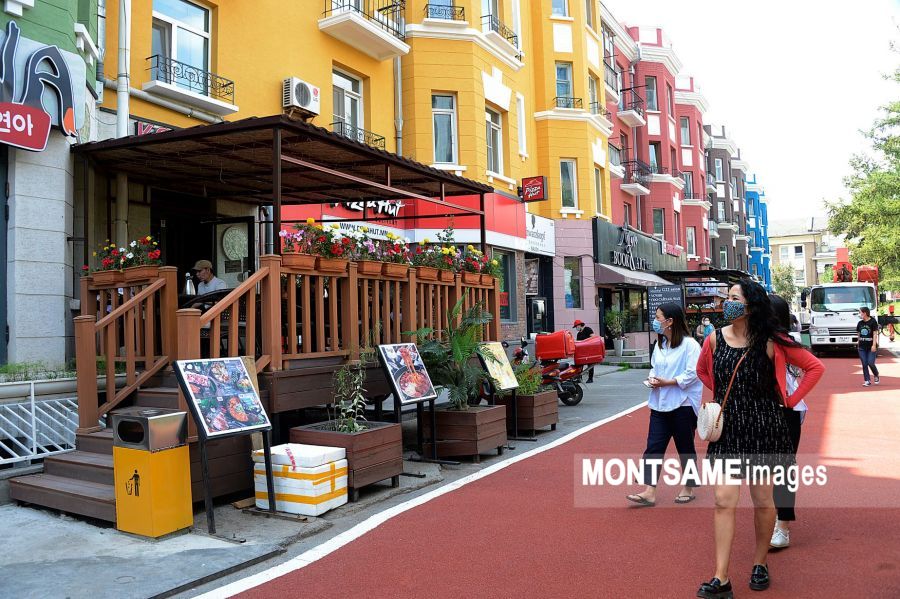
Ulaanbaatar to have ‘Morning Street’ at three locations www.montsame.mn
Ulaanbaatar city-owned Ulaanbaatar Investment and Management company has previously reported that the ‘Morning Ulaanbaatar’ project will launch within July 2021.
Within the framework of the project, morning streets will be built at three different locations of Ulaanbaatar city and will remain open to public in certain schedules. The open-air public streets will have a public service facility, and will be dedicated to economic, cultural and social activities, leisure strolling, shopping and eating, etc. The streets’ neighborhood will also offer free Wi-Fi to the public to use for gain access to public services.
The streets will be established at the Juulchin Street, Jamiyan-Gun Street and Prime Minister A.Amar’s Street in the capital city. As of today, the Juulchin Street or publicly known as ‘Gutliin - 22’ went under landscaping and a car-free morning street at the location has opened.
At the three locations, the morning streets will be open in a limited time, in particular, the Juulchin Street – the morning street will stay open to public between 6 AM and 9 PM on Mondays, Wednesdays and Fridays, Jamiyan-Gun Street during the weekends, and the Prime Minister A.Amar’s Street – a public leisure street will open at 8 AM-12 AM on Fridays, Saturdays and Sundays.
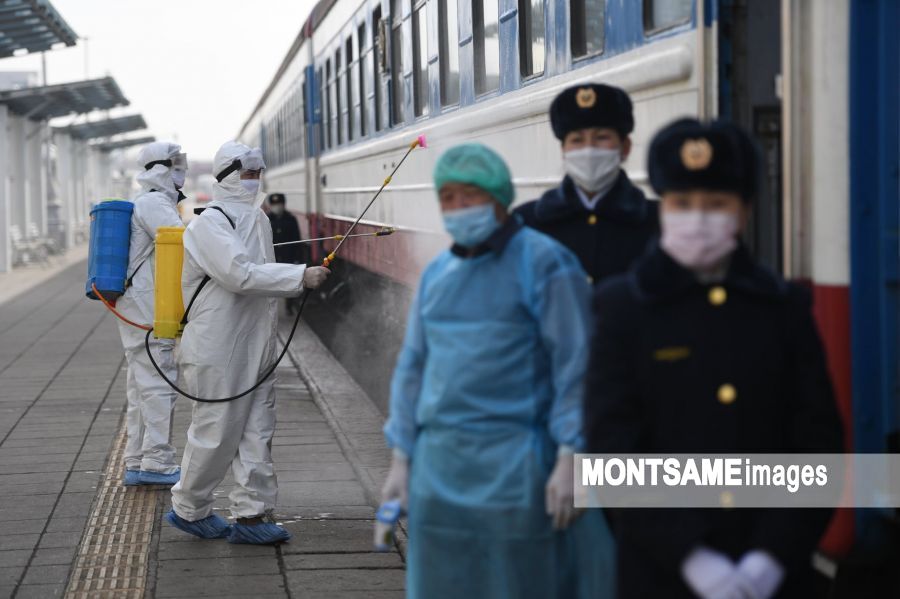
Mongolia reports 1,249 new COVID-19 cases, 8 more deaths www.xinhuanet.com
July 26 (Xinhua) -- The COVID-19 cases in Mongolia rose by 1,249 over the past 24 hours to 157,974, the country's health ministry said on Monday.
A total of 6,151 samples were tested in the past day, and the latest confirmed cases were local infections, the ministry said in a statement.
Meanwhile, eight more deaths were recorded in the past day, pushing the total deaths to 809, said the ministry.
The Asian country began a nationwide COVID-19 vaccination campaign in late February, aiming to cover at least 60 percent of its population.
So far, 59.3 percent of the country's population have been vaccinated, according to the ministry. Enditem
- «
- 1
- 2
- 3
- 4
- 5
- 6
- 7
- 8
- 9
- 10
- 11
- 12
- 13
- 14
- 15
- 16
- 17
- 18
- 19
- 20
- 21
- 22
- 23
- 24
- 25
- 26
- 27
- 28
- 29
- 30
- 31
- 32
- 33
- 34
- 35
- 36
- 37
- 38
- 39
- 40
- 41
- 42
- 43
- 44
- 45
- 46
- 47
- 48
- 49
- 50
- 51
- 52
- 53
- 54
- 55
- 56
- 57
- 58
- 59
- 60
- 61
- 62
- 63
- 64
- 65
- 66
- 67
- 68
- 69
- 70
- 71
- 72
- 73
- 74
- 75
- 76
- 77
- 78
- 79
- 80
- 81
- 82
- 83
- 84
- 85
- 86
- 87
- 88
- 89
- 90
- 91
- 92
- 93
- 94
- 95
- 96
- 97
- 98
- 99
- 100
- 101
- 102
- 103
- 104
- 105
- 106
- 107
- 108
- 109
- 110
- 111
- 112
- 113
- 114
- 115
- 116
- 117
- 118
- 119
- 120
- 121
- 122
- 123
- 124
- 125
- 126
- 127
- 128
- 129
- 130
- 131
- 132
- 133
- 134
- 135
- 136
- 137
- 138
- 139
- 140
- 141
- 142
- 143
- 144
- 145
- 146
- 147
- 148
- 149
- 150
- 151
- 152
- 153
- 154
- 155
- 156
- 157
- 158
- 159
- 160
- 161
- 162
- 163
- 164
- 165
- 166
- 167
- 168
- 169
- 170
- 171
- 172
- 173
- 174
- 175
- 176
- 177
- 178
- 179
- 180
- 181
- 182
- 183
- 184
- 185
- 186
- 187
- 188
- 189
- 190
- 191
- 192
- 193
- 194
- 195
- 196
- 197
- 198
- 199
- 200
- 201
- 202
- 203
- 204
- 205
- 206
- 207
- 208
- 209
- 210
- 211
- 212
- 213
- 214
- 215
- 216
- 217
- 218
- 219
- 220
- 221
- 222
- 223
- 224
- 225
- 226
- 227
- 228
- 229
- 230
- 231
- 232
- 233
- 234
- 235
- 236
- 237
- 238
- 239
- 240
- 241
- 242
- 243
- 244
- 245
- 246
- 247
- 248
- 249
- 250
- 251
- 252
- 253
- 254
- 255
- 256
- 257
- 258
- 259
- 260
- 261
- 262
- 263
- 264
- 265
- 266
- 267
- 268
- 269
- 270
- 271
- 272
- 273
- 274
- 275
- 276
- 277
- 278
- 279
- 280
- 281
- 282
- 283
- 284
- 285
- 286
- 287
- 288
- 289
- 290
- 291
- 292
- 293
- 294
- 295
- 296
- 297
- 298
- 299
- 300
- 301
- 302
- 303
- 304
- 305
- 306
- 307
- 308
- 309
- 310
- 311
- 312
- 313
- 314
- 315
- 316
- 317
- 318
- 319
- 320
- 321
- 322
- 323
- 324
- 325
- 326
- 327
- 328
- 329
- 330
- 331
- 332
- 333
- 334
- 335
- 336
- 337
- 338
- 339
- 340
- 341
- 342
- 343
- 344
- 345
- 346
- 347
- 348
- 349
- 350
- 351
- 352
- 353
- 354
- 355
- 356
- 357
- 358
- 359
- 360
- 361
- 362
- 363
- 364
- 365
- 366
- 367
- 368
- 369
- 370
- 371
- 372
- 373
- 374
- 375
- 376
- 377
- 378
- 379
- 380
- 381
- 382
- 383
- 384
- 385
- 386
- 387
- 388
- 389
- 390
- 391
- 392
- 393
- 394
- 395
- 396
- 397
- 398
- 399
- 400
- 401
- 402
- 403
- 404
- 405
- 406
- 407
- 408
- 409
- 410
- 411
- 412
- 413
- 414
- 415
- 416
- 417
- 418
- 419
- 420
- 421
- 422
- 423
- 424
- 425
- 426
- 427
- 428
- 429
- 430
- 431
- 432
- 433
- 434
- 435
- 436
- 437
- 438
- 439
- 440
- 441
- 442
- 443
- 444
- 445
- 446
- 447
- 448
- 449
- 450
- 451
- 452
- 453
- 454
- 455
- 456
- 457
- 458
- 459
- 460
- 461
- 462
- 463
- 464
- 465
- 466
- 467
- 468
- 469
- 470
- 471
- 472
- 473
- 474
- 475
- 476
- 477
- 478
- 479
- 480
- 481
- 482
- 483
- 484
- 485
- 486
- 487
- 488
- 489
- 490
- 491
- 492
- 493
- 494
- 495
- 496
- 497
- 498
- 499
- 500
- 501
- 502
- 503
- 504
- 505
- 506
- 507
- 508
- 509
- 510
- 511
- 512
- 513
- 514
- 515
- 516
- 517
- 518
- 519
- 520
- 521
- 522
- 523
- 524
- 525
- 526
- 527
- 528
- 529
- 530
- 531
- 532
- 533
- 534
- 535
- 536
- 537
- 538
- 539
- 540
- 541
- 542
- 543
- 544
- 545
- 546
- 547
- 548
- 549
- 550
- 551
- 552
- 553
- 554
- 555
- 556
- 557
- 558
- 559
- 560
- 561
- 562
- 563
- 564
- 565
- 566
- 567
- 568
- 569
- 570
- 571
- 572
- 573
- 574
- 575
- 576
- 577
- 578
- 579
- 580
- 581
- 582
- 583
- 584
- 585
- 586
- 587
- 588
- 589
- 590
- 591
- 592
- 593
- 594
- 595
- 596
- 597
- 598
- 599
- 600
- 601
- 602
- 603
- 604
- 605
- 606
- 607
- 608
- 609
- 610
- 611
- 612
- 613
- 614
- 615
- 616
- 617
- 618
- 619
- 620
- 621
- 622
- 623
- 624
- 625
- 626
- 627
- 628
- 629
- 630
- 631
- 632
- 633
- 634
- 635
- 636
- 637
- 638
- 639
- 640
- 641
- 642
- 643
- 644
- 645
- 646
- 647
- 648
- 649
- 650
- 651
- 652
- 653
- 654
- 655
- 656
- 657
- 658
- 659
- 660
- 661
- 662
- 663
- 664
- 665
- 666
- 667
- 668
- 669
- 670
- 671
- 672
- 673
- 674
- 675
- 676
- 677
- 678
- 679
- 680
- 681
- 682
- 683
- 684
- 685
- 686
- 687
- 688
- 689
- 690
- 691
- 692
- 693
- 694
- 695
- 696
- 697
- 698
- 699
- 700
- 701
- 702
- 703
- 704
- 705
- 706
- 707
- 708
- 709
- 710
- 711
- 712
- 713
- 714
- 715
- 716
- 717
- 718
- 719
- 720
- 721
- 722
- 723
- 724
- 725
- 726
- 727
- 728
- 729
- 730
- 731
- 732
- 733
- 734
- 735
- 736
- 737
- 738
- 739
- 740
- 741
- 742
- 743
- 744
- 745
- 746
- 747
- 748
- 749
- 750
- 751
- 752
- 753
- 754
- 755
- 756
- 757
- 758
- 759
- 760
- 761
- 762
- 763
- 764
- 765
- 766
- 767
- 768
- 769
- 770
- 771
- 772
- 773
- 774
- 775
- 776
- 777
- 778
- 779
- 780
- 781
- 782
- 783
- 784
- 785
- 786
- 787
- 788
- 789
- 790
- 791
- 792
- 793
- 794
- 795
- 796
- 797
- 798
- 799
- 800
- 801
- 802
- 803
- 804
- 805
- 806
- 807
- 808
- 809
- 810
- 811
- 812
- 813
- 814
- 815
- 816
- 817
- 818
- 819
- 820
- 821
- 822
- 823
- 824
- 825
- 826
- 827
- 828
- 829
- 830
- 831
- 832
- 833
- 834
- 835
- 836
- 837
- 838
- 839
- 840
- 841
- 842
- 843
- 844
- 845
- 846
- 847
- 848
- 849
- 850
- 851
- 852
- 853
- 854
- 855
- 856
- 857
- 858
- 859
- 860
- 861
- 862
- 863
- 864
- 865
- 866
- 867
- 868
- 869
- 870
- 871
- 872
- 873
- 874
- 875
- 876
- 877
- 878
- 879
- 880
- 881
- 882
- 883
- 884
- 885
- 886
- 887
- 888
- 889
- 890
- 891
- 892
- 893
- 894
- 895
- 896
- 897
- 898
- 899
- 900
- 901
- 902
- 903
- 904
- 905
- 906
- 907
- 908
- 909
- 910
- 911
- 912
- 913
- 914
- 915
- 916
- 917
- 918
- 919
- 920
- 921
- 922
- 923
- 924
- 925
- 926
- 927
- 928
- 929
- 930
- 931
- 932
- 933
- 934
- 935
- 936
- 937
- 938
- 939
- 940
- 941
- 942
- 943
- 944
- 945
- 946
- 947
- 948
- 949
- 950
- 951
- 952
- 953
- 954
- 955
- 956
- 957
- 958
- 959
- 960
- 961
- 962
- 963
- 964
- 965
- 966
- 967
- 968
- 969
- 970
- 971
- 972
- 973
- 974
- 975
- 976
- 977
- 978
- 979
- 980
- 981
- 982
- 983
- 984
- 985
- 986
- 987
- 988
- 989
- 990
- 991
- 992
- 993
- 994
- 995
- 996
- 997
- 998
- 999
- 1000
- 1001
- 1002
- 1003
- 1004
- 1005
- 1006
- 1007
- 1008
- 1009
- 1010
- 1011
- 1012
- 1013
- 1014
- 1015
- 1016
- 1017
- 1018
- 1019
- 1020
- 1021
- 1022
- 1023
- 1024
- 1025
- 1026
- 1027
- 1028
- 1029
- 1030
- 1031
- 1032
- 1033
- 1034
- 1035
- 1036
- 1037
- 1038
- 1039
- 1040
- 1041
- 1042
- 1043
- 1044
- 1045
- 1046
- 1047
- 1048
- 1049
- 1050
- 1051
- 1052
- 1053
- 1054
- 1055
- 1056
- 1057
- 1058
- 1059
- 1060
- 1061
- 1062
- 1063
- 1064
- 1065
- 1066
- 1067
- 1068
- 1069
- 1070
- 1071
- 1072
- 1073
- 1074
- 1075
- 1076
- 1077
- 1078
- 1079
- 1080
- 1081
- 1082
- 1083
- 1084
- 1085
- 1086
- 1087
- 1088
- 1089
- 1090
- 1091
- 1092
- 1093
- 1094
- 1095
- 1096
- 1097
- 1098
- 1099
- 1100
- 1101
- 1102
- 1103
- 1104
- 1105
- 1106
- 1107
- 1108
- 1109
- 1110
- 1111
- 1112
- 1113
- 1114
- 1115
- 1116
- 1117
- 1118
- 1119
- 1120
- 1121
- 1122
- 1123
- 1124
- 1125
- 1126
- 1127
- 1128
- 1129
- 1130
- 1131
- 1132
- 1133
- 1134
- 1135
- 1136
- 1137
- 1138
- 1139
- 1140
- 1141
- 1142
- 1143
- 1144
- 1145
- 1146
- 1147
- 1148
- 1149
- 1150
- 1151
- 1152
- 1153
- 1154
- 1155
- 1156
- 1157
- 1158
- 1159
- 1160
- 1161
- 1162
- 1163
- 1164
- 1165
- 1166
- 1167
- 1168
- 1169
- 1170
- 1171
- 1172
- 1173
- 1174
- 1175
- 1176
- 1177
- 1178
- 1179
- 1180
- 1181
- 1182
- 1183
- 1184
- 1185
- 1186
- 1187
- 1188
- 1189
- 1190
- 1191
- 1192
- 1193
- 1194
- 1195
- 1196
- 1197
- 1198
- 1199
- 1200
- 1201
- 1202
- 1203
- 1204
- 1205
- 1206
- 1207
- 1208
- 1209
- 1210
- 1211
- 1212
- 1213
- 1214
- 1215
- 1216
- 1217
- 1218
- 1219
- 1220
- 1221
- 1222
- 1223
- 1224
- 1225
- 1226
- 1227
- 1228
- 1229
- 1230
- 1231
- 1232
- 1233
- 1234
- 1235
- 1236
- 1237
- 1238
- 1239
- 1240
- 1241
- 1242
- 1243
- 1244
- 1245
- 1246
- 1247
- 1248
- 1249
- 1250
- 1251
- 1252
- 1253
- 1254
- 1255
- 1256
- 1257
- 1258
- 1259
- 1260
- 1261
- 1262
- 1263
- 1264
- 1265
- 1266
- 1267
- 1268
- 1269
- 1270
- 1271
- 1272
- 1273
- 1274
- 1275
- 1276
- 1277
- 1278
- 1279
- 1280
- 1281
- 1282
- 1283
- 1284
- 1285
- 1286
- 1287
- 1288
- 1289
- 1290
- 1291
- 1292
- 1293
- 1294
- 1295
- 1296
- 1297
- 1298
- 1299
- 1300
- 1301
- 1302
- 1303
- 1304
- 1305
- 1306
- 1307
- 1308
- 1309
- 1310
- 1311
- 1312
- 1313
- 1314
- 1315
- 1316
- 1317
- 1318
- 1319
- 1320
- 1321
- 1322
- 1323
- 1324
- 1325
- 1326
- 1327
- 1328
- 1329
- 1330
- 1331
- 1332
- 1333
- 1334
- 1335
- 1336
- 1337
- 1338
- 1339
- 1340
- 1341
- 1342
- 1343
- 1344
- 1345
- 1346
- 1347
- 1348
- 1349
- 1350
- 1351
- 1352
- 1353
- 1354
- 1355
- 1356
- 1357
- 1358
- 1359
- 1360
- 1361
- 1362
- 1363
- 1364
- 1365
- 1366
- 1367
- 1368
- 1369
- 1370
- 1371
- 1372
- 1373
- 1374
- 1375
- 1376
- 1377
- 1378
- 1379
- 1380
- 1381
- 1382
- 1383
- 1384
- 1385
- 1386
- 1387
- 1388
- 1389
- 1390
- 1391
- 1392
- 1393
- 1394
- 1395
- 1396
- 1397
- 1398
- 1399
- 1400
- 1401
- 1402
- 1403
- 1404
- 1405
- 1406
- 1407
- 1408
- 1409
- 1410
- 1411
- 1412
- 1413
- 1414
- 1415
- 1416
- 1417
- 1418
- 1419
- 1420
- 1421
- 1422
- 1423
- 1424
- 1425
- 1426
- 1427
- 1428
- 1429
- 1430
- 1431
- 1432
- 1433
- 1434
- 1435
- 1436
- 1437
- 1438
- 1439
- 1440
- 1441
- 1442
- 1443
- 1444
- 1445
- 1446
- 1447
- 1448
- 1449
- 1450
- 1451
- 1452
- 1453
- 1454
- 1455
- 1456
- 1457
- 1458
- 1459
- 1460
- 1461
- 1462
- 1463
- 1464
- 1465
- 1466
- 1467
- 1468
- 1469
- 1470
- 1471
- 1472
- 1473
- 1474
- 1475
- 1476
- 1477
- 1478
- 1479
- 1480
- 1481
- 1482
- 1483
- 1484
- 1485
- 1486
- 1487
- 1488
- 1489
- 1490
- 1491
- 1492
- 1493
- 1494
- 1495
- 1496
- 1497
- 1498
- 1499
- 1500
- 1501
- 1502
- 1503
- 1504
- 1505
- 1506
- 1507
- 1508
- 1509
- 1510
- 1511
- 1512
- 1513
- 1514
- 1515
- 1516
- 1517
- 1518
- 1519
- 1520
- 1521
- 1522
- 1523
- 1524
- 1525
- 1526
- 1527
- 1528
- 1529
- 1530
- 1531
- 1532
- 1533
- 1534
- 1535
- 1536
- 1537
- 1538
- 1539
- 1540
- 1541
- 1542
- 1543
- 1544
- 1545
- 1546
- 1547
- 1548
- 1549
- 1550
- 1551
- 1552
- 1553
- 1554
- 1555
- 1556
- 1557
- 1558
- 1559
- 1560
- 1561
- 1562
- 1563
- 1564
- 1565
- 1566
- 1567
- 1568
- 1569
- 1570
- 1571
- 1572
- 1573
- 1574
- 1575
- 1576
- 1577
- 1578
- 1579
- 1580
- 1581
- 1582
- 1583
- 1584
- 1585
- 1586
- 1587
- 1588
- 1589
- 1590
- 1591
- 1592
- 1593
- 1594
- 1595
- 1596
- 1597
- 1598
- 1599
- 1600
- 1601
- 1602
- 1603
- 1604
- 1605
- 1606
- 1607
- 1608
- 1609
- 1610
- 1611
- 1612
- 1613
- 1614
- 1615
- 1616
- 1617
- 1618
- 1619
- 1620
- 1621
- 1622
- 1623
- 1624
- 1625
- 1626
- 1627
- 1628
- 1629
- 1630
- 1631
- 1632
- 1633
- 1634
- 1635
- 1636
- 1637
- 1638
- 1639
- 1640
- 1641
- 1642
- 1643
- 1644
- 1645
- 1646
- 1647
- 1648
- 1649
- 1650
- 1651
- 1652
- 1653
- 1654
- 1655
- 1656
- 1657
- 1658
- 1659
- 1660
- 1661
- 1662
- 1663
- 1664
- 1665
- 1666
- 1667
- 1668
- 1669
- 1670
- 1671
- 1672
- 1673
- 1674
- 1675
- 1676
- 1677
- 1678
- 1679
- 1680
- 1681
- 1682
- 1683
- 1684
- 1685
- 1686
- 1687
- 1688
- 1689
- 1690
- 1691
- 1692
- 1693
- 1694
- 1695
- 1696
- 1697
- 1698
- 1699
- 1700
- 1701
- 1702
- 1703
- 1704
- 1705
- 1706
- 1707
- 1708
- 1709
- 1710
- 1711
- 1712
- 1713
- 1714
- 1715
- 1716
- 1717
- 1718
- 1719
- 1720
- 1721
- 1722
- 1723
- 1724
- 1725
- 1726
- 1727
- 1728
- 1729
- 1730
- 1731
- 1732
- 1733
- 1734
- 1735
- 1736
- 1737
- 1738
- 1739
- 1740
- 1741
- 1742
- 1743
- 1744
- 1745
- 1746
- 1747
- 1748
- 1749
- 1750
- 1751
- 1752
- 1753
- 1754
- 1755
- 1756
- 1757
- 1758
- 1759
- 1760
- 1761
- 1762
- 1763
- 1764
- 1765
- 1766
- 1767
- 1768
- 1769
- 1770
- 1771
- 1772
- 1773
- 1774
- 1775
- 1776
- 1777
- 1778
- 1779
- 1780
- 1781
- 1782
- 1783
- 1784
- 1785
- 1786
- 1787
- 1788
- 1789
- 1790
- 1791
- 1792
- 1793
- 1794
- 1795
- 1796
- 1797
- 1798
- 1799
- 1800
- 1801
- 1802
- 1803
- 1804
- 1805
- 1806
- 1807
- 1808
- 1809
- 1810
- 1811
- 1812
- 1813
- 1814
- 1815
- 1816
- 1817
- 1818
- 1819
- 1820
- 1821
- »


