
Category
- Agriculture
- Automobiles and Machinery
- Bank, non banking financing, investment
- Blasting
- Construction
- Consumables
- Education
- Energy
- Engineer , Architecture and Geodesy
- Finance, Audit,Accounting and Brokerage
- Food
- Foreign Trade
- Geology Exploration
- Health
- Information Technology
- Insurance
- Labor Safety
- Legal and Business consulting
- Lighting
- Mining equipment
- Mining Services
- Other product and service
- Road
- Sewing and textile products
- Transportations
- Travel
Events

Events
| Name | organizer | Where |
|---|---|---|
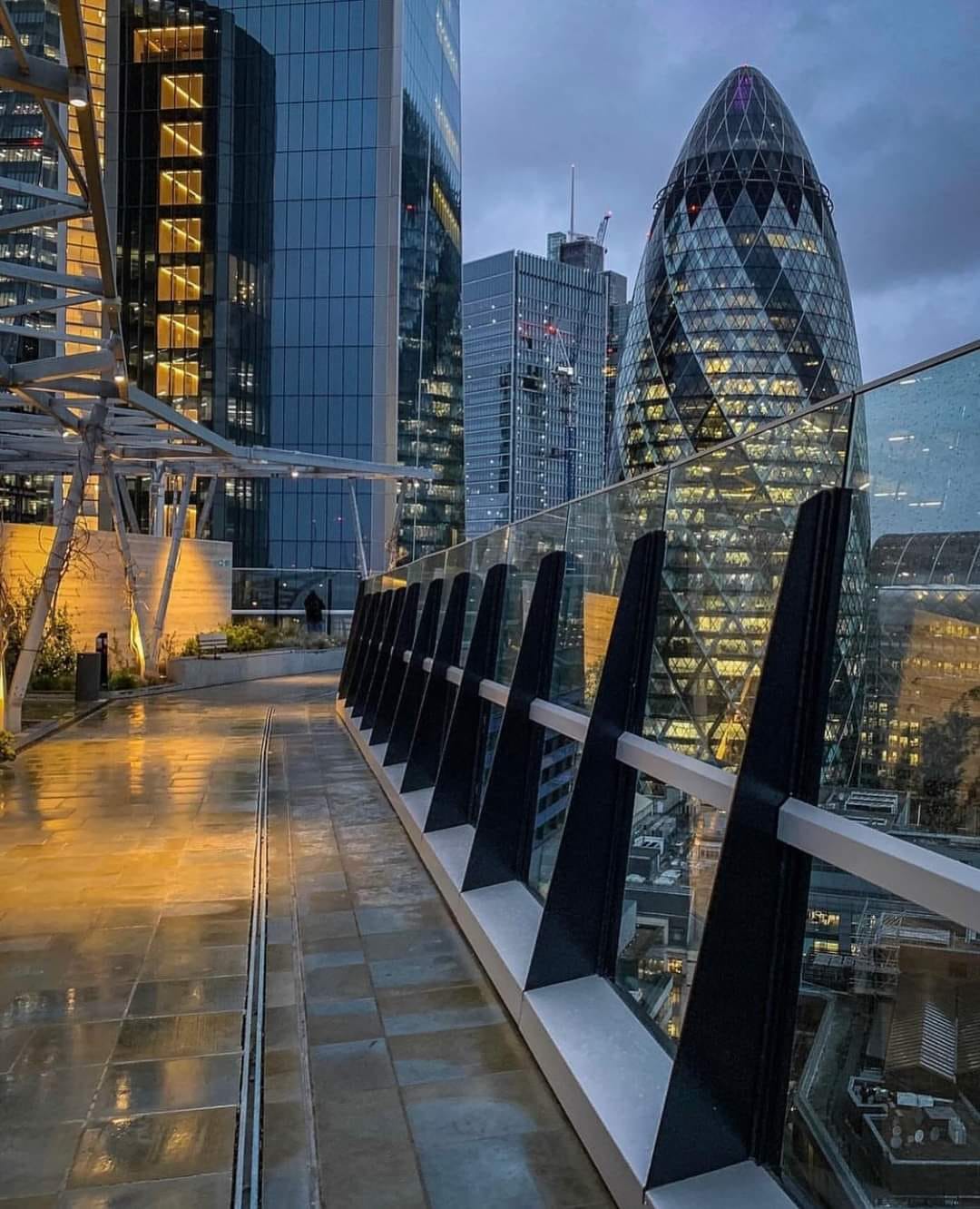
| MBCC “Doing Business with Mongolia seminar and Christmas Receptiom” Dec 10. 2025 London UK | MBCCI | London UK Goodman LLC |
NEWS

Mongolia, South Korea to collaborate in building a new TB hospital www.akipress.com
Members of the ‘Tuberculosis-free Mongolia’ parliamentary lobby group established a cooperation agreement with the the Korean National Tuberculosis Association (KNTA).
According to the agreement, the two sides will collaborate in building a new tuberculosis hospital, training professionals, carrying out projects on early detection of tuberculosis, and raising public awareness of the disease.
During the signing of the agreement, Mongolian Health Minister D.Sarangerel and Kyung Man-ho, President of the Korean National Tuberculosis Association, voiced their readiness to work together for ‘Tuberculosis-free Asia’.
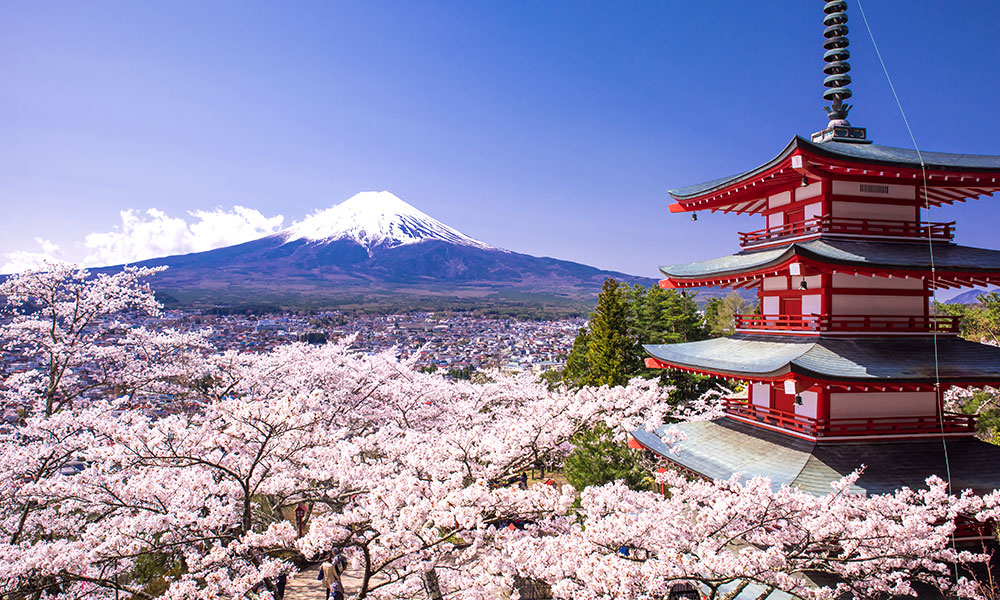
Mongolia is Japan's new frontier in the search for IT talent www.asia.nikkei.com
TOKYO -- Japanese companies, faced with a shortfall of homegrown tech talent, and intense competition with U.S. and European rivals for engineers from China and India, are looking to "frontier" markets such as Mongolia and Romania.
Advertising agency Dentsu recently held a briefing session in Mongolia hoping to land new information technology engineers, while staffing company Human Resocia is set to launch a project to send science and technology specialists to Japan from Romania.
Three Japanese-style technical colleges opened in Mongolia in 2014, and a job fair was recently held in the capital, Ulaanbaatar, for the 140 students graduating in May. Job hunters majoring in artificial intelligence and other fields listened to recruiting pitches from 29 companies from Japan and elsewhere.
The students seemed particularly interested in opportunities at a development center set up by Data Artist, Dentsu's AI subsidiary. Agchbayar Amarsanaa, a Mongolian mathematician and bronze medal winner at the International Mathematical Olympiad, leads the company. Dentsu Data Artist Mongol can refer hundreds of top-notch people from the National University of Mongolia, Agchbayar's alma mater, and other schools, to Japanese clients, he said proudly.
Mongolia is becoming a math powerhouse, rising in an international mathematics competition for high school students from 50th place in 2010 to 28th in 2018, on par with India. As medalists in international mathematics and other academic competitions are exempt from university entrance exams, high school mathematics clubs are more popular than sports clubs, Agchbayar said.
Unable to meet the demand for IT systems development domestically, Japanese companies have outsourced some of the work to vendors in China and India. But rising wages in those countries makes that approach less economical.
"People involved in systems development for Japanese companies in China are starting to move to Alibaba and Tencent," said Akimasa Nakao, an analyst at Gartner. "It has become difficult for Japanese companies to gain cost advantages, as higher wages have raised unit prices for development."
The average wage in China's information and communication industry was around $1,500 a month in 2016, up 40% from four years earlier, according to the International Labor Organization. In Vietnam, an increasingly popular substitute for China in the market for low-cost labor, wages are also rising.
The Ministry of Economy, Trade and Industry forecasts that Japan will face a shortage of up to 550,000 engineers in cutting-edge IT by 2030. Given the country's falling population, Japanese companies have no choice but to recruit from abroad. They have turned their attention to markets their U.S. and European counterparts have yet to tap.
Dentsu has its eye on Mongolia, which has many trained IT specialists and wages that are about half those in China. Another advantage for Japanese employers is Mongolians' positive views of Japan. One out of a 1,000 Mongolians travels to Japan to study, making it likely that those employed by Japanese companies will stick around.
Other Japanese companies are following Dentsu's lead. Ginco, a Tokyo-based blockchain startup, is also considering recruiting in Mongolia.
Romania is another potential source of IT engineers, thanks to the government's promotion of STEM education -- science, technology, engineering and mathematics. Trailing only China, Poland and Russia in terms of winners at the International Olympiad in Informatics, Romania turns out world-leading specialists in science and technology.
Human Resocia plans to train IT engineers in Romania and send them to work for clients in Japan.
Last November, Human Resocia set up a Japan Study Center in collaboration with the Bucharest University of Economic Studies on campus to promote Japanese culture and language education in Romania. Between classes, the company shows prospective IT engineers the type of work they might do in Japan. Human Resocia also plans to work with a local consultancy to promote the recruitment program.
Other Japanese headhunters are active in Southeast Asia. Fourth Valley Concierge, a Tokyo-based company that helps its clients find overseas talent, will offer a course later this year on Japanese culture and language to students at Yangon Technology University and other universities in Myanmar.
Fourth Valley will ask clients to offer loans to IT students, turning the loans into grants if the student takes a job with a client.
While Mongolia and Romania are the new frontiers for Japanese companies in the hunt for tech talent, others will come sniffing around sooner or later. They are working with local universities, hoping to get a leg up on their international competitors.
...
Trade war: What you need to know about US-China talks www.bbc.com
The US and China are due to begin a fresh round of talks in Beijing on Tuesday as they edge closer to resolving their damaging trade dispute.
The discussions will be led by US Trade Representative Robert Lighthizer and Chinese Vice Premier Liu He.
Talks have dragged on for months, with both sides struggling to agree on key issues.
The trade war has hurt the economy and challenged the multilateral system that has governed world trade for decades.
There has been cautious optimism surrounding the talks in recent months but also a sense that both sides remain divided on some points.
The US, which accuses China of unfair trading practices, imposed tariffs on $250bn (£193.2bn) worth of Chinese products last year.
Beijing has retaliated with duties on $110bn worth of American products.
Tariffs on $200bn worth of Chinese goods were due to more than double at the start of the year, rising from 10% to 25%.
But both countries agreed to suspend tit-for-tat tariffs after they struck a truce in December, and began negotiations to work towards a deal.
US President Donald Trump recently said the US and China had agreed on "a lot of the most difficult points" but that "we have some ways to go".
What are the sticking points?
Sticking points in negotiations in recent months have included how a deal would be enforced, issues around intellectual property protection, and how fast to roll back tariffs.
Gary Hufbauer from the Peterson Institute for International Economics in Washington said enforcement was a crucial issue, but remained optimistic about the prospect of a deal.
"China will make lots of promises, the US remains sceptical on implementation," he said.
Still, he expects a deal to be announced by mid-May. The latest round of talks are expected to be followed by further negotiations in Washington on 8 May.
The US accuses China of stealing intellectual property and wants Beijing to make changes to its economic policies, which it says unfairly favour domestic companies through subsidies. It also wants China to buy more US goods to rein in a lofty trade deficit.
Mr Xi addressed some of these concerns last week at the Belt and Road forum in Beijing ahead of the trade talks.
He said China would boost efforts to secure intellectual property protection, increase imports of goods and services and ensure a fair trading environment for firms.
But what makes trade negotiations particularly difficult to resolve is the fact they are part of a broader power struggle between the world's two largest economies.
China's growing influence has put many Western governments - and particularly the US on the defensive. Some in China see the trade war as part of US efforts to curb its rise.
Against this backdrop, there is a view that the trade deal will not put an end to a US-China rivalry, which is already playing out in the technology sector.
What's at stake?
The trade war is already having an impact on the world economy.
International Monetary Fund chief economist Gita Gopinath said the escalation of US-China trade tensions was one factor that had contributed to a "significantly weakened global expansion, especially in the second half of 2018." The IMF cut its growth forecast for this year by 0.2% to 3.3%.
The Organisation for Economic Cooperation and Development (OECD) also said tariffs imposed by the US and China last year had slowed economic growth in the world's two largest economies.
Beyond the tangible economic fallout, some fear the trade war is challenging the multilateral system which has governed global trade for decades, including through the World Trade Organisation (WTO).
"The system is already fragile. An all out trade war, in which both sides break their WTO commitments, will be very damaging," Mr Hufbauer said.
...
Power line and railway constructions of oil refinery complete www.zgm.mn
The Government of Mongolia has begun the construction of the oil refinery project. Authorities recently confirmed that power lines and railways have been completed. The construction of the road will be ready by September, according to the Ministry of Mining and Heavy Industry (MMHI). The construction of the plant is expected to be halfway complete in the first quarter of next year.
The plant is being built from the Indian Government's soft loan and an Indian firm Engineers India Ltd (EIL) was chosen as the project's management consultant. The mission is expected to visit Mongolia this month.
The Development Bank of Mongolia is also financing a part of the investment. Currently, MNT 61.8 billion has been allocated for construction, electricity, roads, and railways, totaling MNT 250 billion.
The construction of the oil refinery was inaugurated in Altanshiree soum of Dornogovi province, south-eastern part of Mongolia last year. The plant will have a capacity to refine 1.5 million tons of oil annually; however, the country lacks the resource to supply this giant factory. Therefore, Mongolia is currently drawing resources from the XIX and XXI area of Dornod province.
Oil is transported worldwide via sea, pipeline, road, and railway. The cheapest of these is water transport, which is impossible for a landlocked country. Accordingly, the policy-makers have decided to transport the fuel by pipeline. Officials have highlighted that the cost of transport will be comparably low and is environmentally friendly.
It is estimated that 651 kilometers of pipeline will be required from the Dornod oil field to Altanshireet soum. This area across several provinces is the main leverage for Mongolia to ease off high dependence of petroleum.
India is fully responsible for oil refineries under the bilateral cooperation agreement. Other than the factory, the pipeline, power plant, and infrastructure will be constructed by Mongolians.

‘Hollywood in Mongolia’: Bryce Nielsen arrives www.news.mn
Famous film makers are gathering in Ulaanbaatar for an international film makers’ festival called ‘Hollywood in Mongolia’. The event will be held in the Mongolian capital from 1-7 May. Earlier today, (29 April) the first visitor of the festival flew into Chinggis Khaan International. Bryce Nielsen is a VFX Producer; he worked on Cloud Atlas, Kingsman, The Golden Circle, Dark Phoenix, Iron Man2 and Dumbo. At a press conference at the Tuushin Hotel, he shared his first experience in Mongolia. Bryce Nielsen said, ‘I am delighted to have been welcomed by people in the traditional consumes of Mongolian queens and knights at the airport. Also, I tasted aaruul – a dairy product of Mongolia and liked it. On the way to city centre, I got caught in traffic jam, (laugh). In near future, I am planning to visit the Gobi Desert and ride a horse.’
The remaining 15 international visitors including Ivana Chubbuck, most of the ‘in-demand’ acting coaches in the business are expected to arrive in Ulaanbaatar from tomorrow. Ivana Chubbuck is well known for having coached Brad Pitt, Halle Berry and Charlize Theron.
The upcoming event will be a big opportunity for Mongolian film sector to step up to the next level.

The ‘Hu’ to tour Europe www.news.mn
Mongolian rock band ‘Hu’ has been becoming famous internationally as their song ‘Wolf Totem’ reached No. 1 on Billboard’s Hard Rock Digital Song Sales. The band is now preparing to tour Europe. This will begin in Berlin from 6 June and continue until 6 July. Tickets for the concerts will be available from 3 May.
Formed in 2016, the four-member band from Mongolia’s capital city of Ulaanbaatar, released a pair of songs last autumn. The ‘Hu’ incorporates traditional Mongolian instrumentation and throat singing into its music, resulting in material that’s often hard-hitting, though without the sounds that most heavy metal acts might utilize, namely electric guitar.
After some initial buzz and media coverage in January, the songs, particularly “Wolf Totem,” have hit new heights thanks in large part to a viral Facebook post showcasing the track’s official video with the caption, “Mongolian Metal is Awesome.”
The Hu is currently prepping a debut album, Gereg, due via Eleven Seven Records.
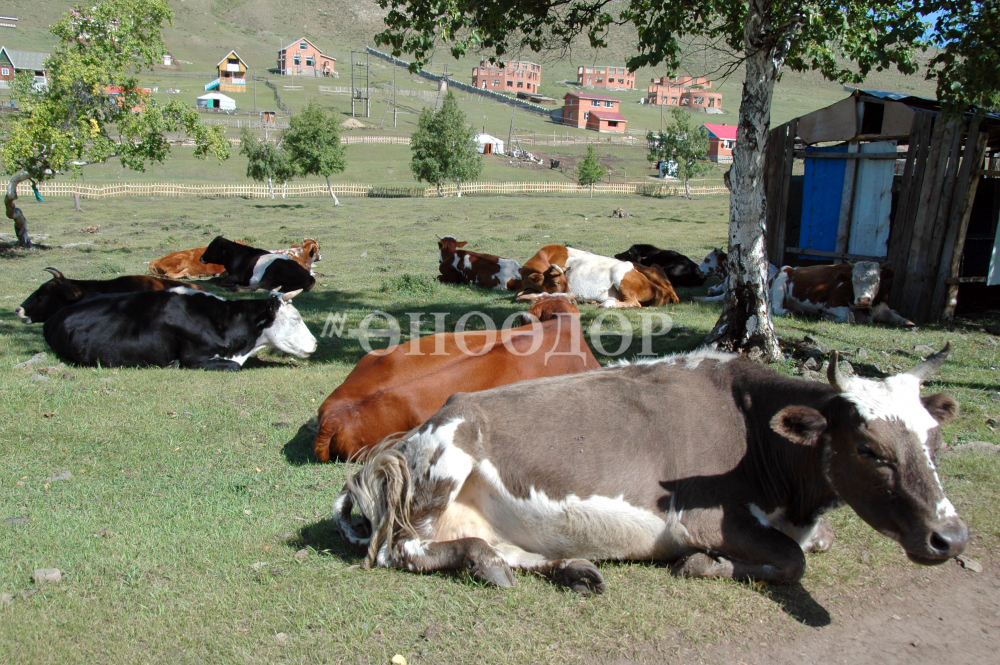
More than half of dams in Mongolia give birth www.xinhuanet.com
ULAN BATOR, April 29 (Xinhua) -- As of April 29, around 16 million dams (female animals) in Mongolia have given birth, an official of the country's Ministry of Food, Agriculture and Light Industry said Monday.
"The dams that have given birth account for more than 50 percent of 29.9 million dams nationwide which were counted by the end of 2018," Yadamsuren Altangerel, head of the department of Livestock Policy Implementation and Coordination at the ministry, told a press conference.
"Generally, spring conditions are normal across the country. Of the newborn animals, 98.6 percent survived," he said.
The Asian country is one of the last nomadic countries in the world.
The country has more than 66.46 million livestock animals as of the end of 2018, according to the country's National Statistics Office.
Animal husbandry is the backbone of the landlocked country's economy as nearly 40 percent of the country's nomad population depends on animal husbandry for their livelihood.
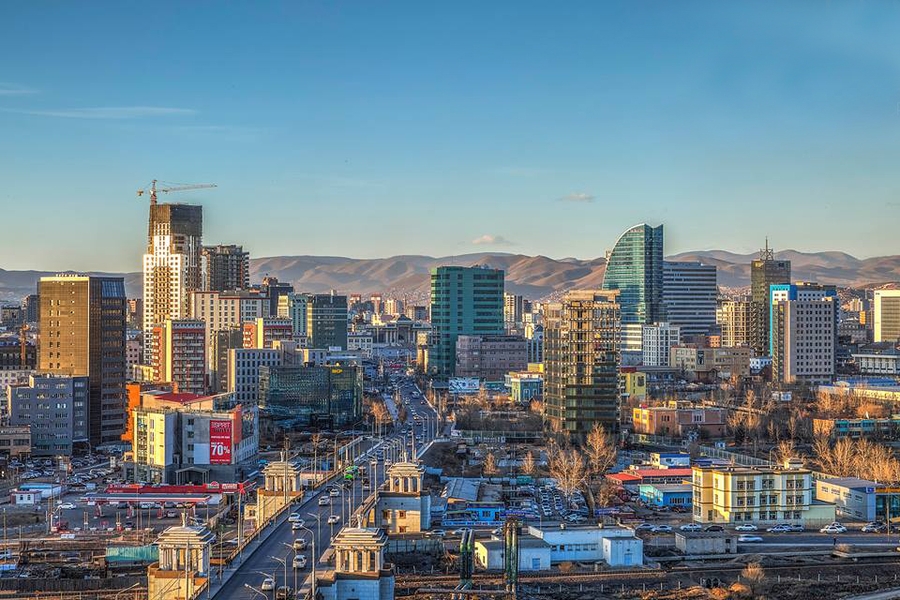
National Consultation on Facilitating Cross-border Paperless Trade: Mongolia www.unescap.org
In moving forward in the area of trade facilitation and paperless trade in Mongolia, legal and technical readiness assessments for cross-border paperless trade and a study on transit trade procedures on selected products have been conducted, under a United Nations ESCAP project entitled “Facilitating Cross-Border Paperless Trade along the Belt Road Initiative (BRI) Corridors for Regional Integration and Sustainable Development” (May 02. 2019 by invitation only). The purpose of the national consultation is to review the preliminary findings from this work, consolidate and validate the results and develop recommendations and an action plan.
...
U.S.-Mongolia Consultations Advance Bilateral Relations www.state.gov
On Friday, April 26, 2019, representatives of the United States and Mongolia met for the 13th Annual Bilateral Consultations at the Department of State in Washington, DC. This year’s consultations were the first held under the auspices of the U.S.-Mongolia Expanded Comprehensive Partnership, announced during Mongolian Prime Minister Khurelsukh’s official visit to Washington in September 2018.
Principal Deputy Assistant Secretary for East Asian and Pacific Affairs W. Patrick Murphy and Mongolian Ministry of Foreign Affairs State Secretary D. Davaasuren co-chaired the consultations, which were also attended by representatives from the U.S. Departments of Commerce, Defense, Labor, and Treasury, along with the National Security Council, the U.S. Agency for International Development, the Federal Aviation Administration, the Office of the U.S. Trade Representative, the Millennium Challenge Corporation, and the Overseas Private Investment Corporation.
The United States and Mongolia exchanged views on how to promote their shared values in the Indo-Pacific region, with an emphasis on democracy, human rights, freedom of belief, and the rule of law. The United States noted that the Leaders Advancing Democracy (LEAD) Mongolia program is extended through 2021, continuing support for young leaders working collaboratively to address Mongolia’s most pressing issues.
Further recognizing that strong people-to-people ties constitute the foundation of the bilateral relationship, the United States announced its intent to expand the Peace Corps presence in Mongolia, and also add a Mongolian Visiting Scholar component to the Fulbright program for the first time.
The United States and Mongolia held broad consultations on regional security matters, including their shared participation in the ASEAN Regional Forum, and on economic issues, including macroeconomic stability, regulatory transparency, countering financial crimes, sustainable infrastructure development, and investment in energy and other sectors. The United States and Mongolia agreed that aviation safety cooperation is a priority for both sides and will actively seek opportunities to deepen these ties. Both sides also identified mining safety as another area for deepened bilateral cooperation. The United States and Mongolia agreed to continue engagement in accordance with the 2018 Roadmap for Expanded Economic Partnership.

Russia & China set up yuan-denominated fund for joint investments www.rt.com
The Russian Direct Investment Fund (RDIF) has launched a regional fund worth 6-7 billion yuan (around $1 billion) with its Chinese partners.
The fund will mainly focus on investing in strategically-important projects in Russia and China in equal proportion, according to RDIF, which announced the fund’s establishment at the Belt and Road forum in Beijing.
For Chinese projects, it will mainly focus on Belt and Road related projects and other perspective sectors, it said. The fund has initially accumulated 1 billion yuan (around $150 million). The target capital will be raised from leading institutional investors in China.
“The Fund will engage in the implementation of strategically important investment projects, focused on the Central Federal District, the Far East of Russia and the north-eastern part of China,” said CEO of RDIF Kirill Dmitriev.
The fund “will actively promote the strengthening of economic ties at an inter-regional level, through the use of national currencies in all settlements,” he added.
The Co-CEO and President of Russia-China Investment Fund, Bing Hu noted that “It is especially important that the fund is formed in RMB [Chinese yuan – Ed.], which will reduce foreign exchange risk between RMB and RUB [Russian ruble – Ed.] via other currencies.”
- «
- 1
- 2
- 3
- 4
- 5
- 6
- 7
- 8
- 9
- 10
- 11
- 12
- 13
- 14
- 15
- 16
- 17
- 18
- 19
- 20
- 21
- 22
- 23
- 24
- 25
- 26
- 27
- 28
- 29
- 30
- 31
- 32
- 33
- 34
- 35
- 36
- 37
- 38
- 39
- 40
- 41
- 42
- 43
- 44
- 45
- 46
- 47
- 48
- 49
- 50
- 51
- 52
- 53
- 54
- 55
- 56
- 57
- 58
- 59
- 60
- 61
- 62
- 63
- 64
- 65
- 66
- 67
- 68
- 69
- 70
- 71
- 72
- 73
- 74
- 75
- 76
- 77
- 78
- 79
- 80
- 81
- 82
- 83
- 84
- 85
- 86
- 87
- 88
- 89
- 90
- 91
- 92
- 93
- 94
- 95
- 96
- 97
- 98
- 99
- 100
- 101
- 102
- 103
- 104
- 105
- 106
- 107
- 108
- 109
- 110
- 111
- 112
- 113
- 114
- 115
- 116
- 117
- 118
- 119
- 120
- 121
- 122
- 123
- 124
- 125
- 126
- 127
- 128
- 129
- 130
- 131
- 132
- 133
- 134
- 135
- 136
- 137
- 138
- 139
- 140
- 141
- 142
- 143
- 144
- 145
- 146
- 147
- 148
- 149
- 150
- 151
- 152
- 153
- 154
- 155
- 156
- 157
- 158
- 159
- 160
- 161
- 162
- 163
- 164
- 165
- 166
- 167
- 168
- 169
- 170
- 171
- 172
- 173
- 174
- 175
- 176
- 177
- 178
- 179
- 180
- 181
- 182
- 183
- 184
- 185
- 186
- 187
- 188
- 189
- 190
- 191
- 192
- 193
- 194
- 195
- 196
- 197
- 198
- 199
- 200
- 201
- 202
- 203
- 204
- 205
- 206
- 207
- 208
- 209
- 210
- 211
- 212
- 213
- 214
- 215
- 216
- 217
- 218
- 219
- 220
- 221
- 222
- 223
- 224
- 225
- 226
- 227
- 228
- 229
- 230
- 231
- 232
- 233
- 234
- 235
- 236
- 237
- 238
- 239
- 240
- 241
- 242
- 243
- 244
- 245
- 246
- 247
- 248
- 249
- 250
- 251
- 252
- 253
- 254
- 255
- 256
- 257
- 258
- 259
- 260
- 261
- 262
- 263
- 264
- 265
- 266
- 267
- 268
- 269
- 270
- 271
- 272
- 273
- 274
- 275
- 276
- 277
- 278
- 279
- 280
- 281
- 282
- 283
- 284
- 285
- 286
- 287
- 288
- 289
- 290
- 291
- 292
- 293
- 294
- 295
- 296
- 297
- 298
- 299
- 300
- 301
- 302
- 303
- 304
- 305
- 306
- 307
- 308
- 309
- 310
- 311
- 312
- 313
- 314
- 315
- 316
- 317
- 318
- 319
- 320
- 321
- 322
- 323
- 324
- 325
- 326
- 327
- 328
- 329
- 330
- 331
- 332
- 333
- 334
- 335
- 336
- 337
- 338
- 339
- 340
- 341
- 342
- 343
- 344
- 345
- 346
- 347
- 348
- 349
- 350
- 351
- 352
- 353
- 354
- 355
- 356
- 357
- 358
- 359
- 360
- 361
- 362
- 363
- 364
- 365
- 366
- 367
- 368
- 369
- 370
- 371
- 372
- 373
- 374
- 375
- 376
- 377
- 378
- 379
- 380
- 381
- 382
- 383
- 384
- 385
- 386
- 387
- 388
- 389
- 390
- 391
- 392
- 393
- 394
- 395
- 396
- 397
- 398
- 399
- 400
- 401
- 402
- 403
- 404
- 405
- 406
- 407
- 408
- 409
- 410
- 411
- 412
- 413
- 414
- 415
- 416
- 417
- 418
- 419
- 420
- 421
- 422
- 423
- 424
- 425
- 426
- 427
- 428
- 429
- 430
- 431
- 432
- 433
- 434
- 435
- 436
- 437
- 438
- 439
- 440
- 441
- 442
- 443
- 444
- 445
- 446
- 447
- 448
- 449
- 450
- 451
- 452
- 453
- 454
- 455
- 456
- 457
- 458
- 459
- 460
- 461
- 462
- 463
- 464
- 465
- 466
- 467
- 468
- 469
- 470
- 471
- 472
- 473
- 474
- 475
- 476
- 477
- 478
- 479
- 480
- 481
- 482
- 483
- 484
- 485
- 486
- 487
- 488
- 489
- 490
- 491
- 492
- 493
- 494
- 495
- 496
- 497
- 498
- 499
- 500
- 501
- 502
- 503
- 504
- 505
- 506
- 507
- 508
- 509
- 510
- 511
- 512
- 513
- 514
- 515
- 516
- 517
- 518
- 519
- 520
- 521
- 522
- 523
- 524
- 525
- 526
- 527
- 528
- 529
- 530
- 531
- 532
- 533
- 534
- 535
- 536
- 537
- 538
- 539
- 540
- 541
- 542
- 543
- 544
- 545
- 546
- 547
- 548
- 549
- 550
- 551
- 552
- 553
- 554
- 555
- 556
- 557
- 558
- 559
- 560
- 561
- 562
- 563
- 564
- 565
- 566
- 567
- 568
- 569
- 570
- 571
- 572
- 573
- 574
- 575
- 576
- 577
- 578
- 579
- 580
- 581
- 582
- 583
- 584
- 585
- 586
- 587
- 588
- 589
- 590
- 591
- 592
- 593
- 594
- 595
- 596
- 597
- 598
- 599
- 600
- 601
- 602
- 603
- 604
- 605
- 606
- 607
- 608
- 609
- 610
- 611
- 612
- 613
- 614
- 615
- 616
- 617
- 618
- 619
- 620
- 621
- 622
- 623
- 624
- 625
- 626
- 627
- 628
- 629
- 630
- 631
- 632
- 633
- 634
- 635
- 636
- 637
- 638
- 639
- 640
- 641
- 642
- 643
- 644
- 645
- 646
- 647
- 648
- 649
- 650
- 651
- 652
- 653
- 654
- 655
- 656
- 657
- 658
- 659
- 660
- 661
- 662
- 663
- 664
- 665
- 666
- 667
- 668
- 669
- 670
- 671
- 672
- 673
- 674
- 675
- 676
- 677
- 678
- 679
- 680
- 681
- 682
- 683
- 684
- 685
- 686
- 687
- 688
- 689
- 690
- 691
- 692
- 693
- 694
- 695
- 696
- 697
- 698
- 699
- 700
- 701
- 702
- 703
- 704
- 705
- 706
- 707
- 708
- 709
- 710
- 711
- 712
- 713
- 714
- 715
- 716
- 717
- 718
- 719
- 720
- 721
- 722
- 723
- 724
- 725
- 726
- 727
- 728
- 729
- 730
- 731
- 732
- 733
- 734
- 735
- 736
- 737
- 738
- 739
- 740
- 741
- 742
- 743
- 744
- 745
- 746
- 747
- 748
- 749
- 750
- 751
- 752
- 753
- 754
- 755
- 756
- 757
- 758
- 759
- 760
- 761
- 762
- 763
- 764
- 765
- 766
- 767
- 768
- 769
- 770
- 771
- 772
- 773
- 774
- 775
- 776
- 777
- 778
- 779
- 780
- 781
- 782
- 783
- 784
- 785
- 786
- 787
- 788
- 789
- 790
- 791
- 792
- 793
- 794
- 795
- 796
- 797
- 798
- 799
- 800
- 801
- 802
- 803
- 804
- 805
- 806
- 807
- 808
- 809
- 810
- 811
- 812
- 813
- 814
- 815
- 816
- 817
- 818
- 819
- 820
- 821
- 822
- 823
- 824
- 825
- 826
- 827
- 828
- 829
- 830
- 831
- 832
- 833
- 834
- 835
- 836
- 837
- 838
- 839
- 840
- 841
- 842
- 843
- 844
- 845
- 846
- 847
- 848
- 849
- 850
- 851
- 852
- 853
- 854
- 855
- 856
- 857
- 858
- 859
- 860
- 861
- 862
- 863
- 864
- 865
- 866
- 867
- 868
- 869
- 870
- 871
- 872
- 873
- 874
- 875
- 876
- 877
- 878
- 879
- 880
- 881
- 882
- 883
- 884
- 885
- 886
- 887
- 888
- 889
- 890
- 891
- 892
- 893
- 894
- 895
- 896
- 897
- 898
- 899
- 900
- 901
- 902
- 903
- 904
- 905
- 906
- 907
- 908
- 909
- 910
- 911
- 912
- 913
- 914
- 915
- 916
- 917
- 918
- 919
- 920
- 921
- 922
- 923
- 924
- 925
- 926
- 927
- 928
- 929
- 930
- 931
- 932
- 933
- 934
- 935
- 936
- 937
- 938
- 939
- 940
- 941
- 942
- 943
- 944
- 945
- 946
- 947
- 948
- 949
- 950
- 951
- 952
- 953
- 954
- 955
- 956
- 957
- 958
- 959
- 960
- 961
- 962
- 963
- 964
- 965
- 966
- 967
- 968
- 969
- 970
- 971
- 972
- 973
- 974
- 975
- 976
- 977
- 978
- 979
- 980
- 981
- 982
- 983
- 984
- 985
- 986
- 987
- 988
- 989
- 990
- 991
- 992
- 993
- 994
- 995
- 996
- 997
- 998
- 999
- 1000
- 1001
- 1002
- 1003
- 1004
- 1005
- 1006
- 1007
- 1008
- 1009
- 1010
- 1011
- 1012
- 1013
- 1014
- 1015
- 1016
- 1017
- 1018
- 1019
- 1020
- 1021
- 1022
- 1023
- 1024
- 1025
- 1026
- 1027
- 1028
- 1029
- 1030
- 1031
- 1032
- 1033
- 1034
- 1035
- 1036
- 1037
- 1038
- 1039
- 1040
- 1041
- 1042
- 1043
- 1044
- 1045
- 1046
- 1047
- 1048
- 1049
- 1050
- 1051
- 1052
- 1053
- 1054
- 1055
- 1056
- 1057
- 1058
- 1059
- 1060
- 1061
- 1062
- 1063
- 1064
- 1065
- 1066
- 1067
- 1068
- 1069
- 1070
- 1071
- 1072
- 1073
- 1074
- 1075
- 1076
- 1077
- 1078
- 1079
- 1080
- 1081
- 1082
- 1083
- 1084
- 1085
- 1086
- 1087
- 1088
- 1089
- 1090
- 1091
- 1092
- 1093
- 1094
- 1095
- 1096
- 1097
- 1098
- 1099
- 1100
- 1101
- 1102
- 1103
- 1104
- 1105
- 1106
- 1107
- 1108
- 1109
- 1110
- 1111
- 1112
- 1113
- 1114
- 1115
- 1116
- 1117
- 1118
- 1119
- 1120
- 1121
- 1122
- 1123
- 1124
- 1125
- 1126
- 1127
- 1128
- 1129
- 1130
- 1131
- 1132
- 1133
- 1134
- 1135
- 1136
- 1137
- 1138
- 1139
- 1140
- 1141
- 1142
- 1143
- 1144
- 1145
- 1146
- 1147
- 1148
- 1149
- 1150
- 1151
- 1152
- 1153
- 1154
- 1155
- 1156
- 1157
- 1158
- 1159
- 1160
- 1161
- 1162
- 1163
- 1164
- 1165
- 1166
- 1167
- 1168
- 1169
- 1170
- 1171
- 1172
- 1173
- 1174
- 1175
- 1176
- 1177
- 1178
- 1179
- 1180
- 1181
- 1182
- 1183
- 1184
- 1185
- 1186
- 1187
- 1188
- 1189
- 1190
- 1191
- 1192
- 1193
- 1194
- 1195
- 1196
- 1197
- 1198
- 1199
- 1200
- 1201
- 1202
- 1203
- 1204
- 1205
- 1206
- 1207
- 1208
- 1209
- 1210
- 1211
- 1212
- 1213
- 1214
- 1215
- 1216
- 1217
- 1218
- 1219
- 1220
- 1221
- 1222
- 1223
- 1224
- 1225
- 1226
- 1227
- 1228
- 1229
- 1230
- 1231
- 1232
- 1233
- 1234
- 1235
- 1236
- 1237
- 1238
- 1239
- 1240
- 1241
- 1242
- 1243
- 1244
- 1245
- 1246
- 1247
- 1248
- 1249
- 1250
- 1251
- 1252
- 1253
- 1254
- 1255
- 1256
- 1257
- 1258
- 1259
- 1260
- 1261
- 1262
- 1263
- 1264
- 1265
- 1266
- 1267
- 1268
- 1269
- 1270
- 1271
- 1272
- 1273
- 1274
- 1275
- 1276
- 1277
- 1278
- 1279
- 1280
- 1281
- 1282
- 1283
- 1284
- 1285
- 1286
- 1287
- 1288
- 1289
- 1290
- 1291
- 1292
- 1293
- 1294
- 1295
- 1296
- 1297
- 1298
- 1299
- 1300
- 1301
- 1302
- 1303
- 1304
- 1305
- 1306
- 1307
- 1308
- 1309
- 1310
- 1311
- 1312
- 1313
- 1314
- 1315
- 1316
- 1317
- 1318
- 1319
- 1320
- 1321
- 1322
- 1323
- 1324
- 1325
- 1326
- 1327
- 1328
- 1329
- 1330
- 1331
- 1332
- 1333
- 1334
- 1335
- 1336
- 1337
- 1338
- 1339
- 1340
- 1341
- 1342
- 1343
- 1344
- 1345
- 1346
- 1347
- 1348
- 1349
- 1350
- 1351
- 1352
- 1353
- 1354
- 1355
- 1356
- 1357
- 1358
- 1359
- 1360
- 1361
- 1362
- 1363
- 1364
- 1365
- 1366
- 1367
- 1368
- 1369
- 1370
- 1371
- 1372
- 1373
- 1374
- 1375
- 1376
- 1377
- 1378
- 1379
- 1380
- 1381
- 1382
- 1383
- 1384
- 1385
- 1386
- 1387
- 1388
- 1389
- 1390
- 1391
- 1392
- 1393
- 1394
- 1395
- 1396
- 1397
- 1398
- 1399
- 1400
- 1401
- 1402
- 1403
- 1404
- 1405
- 1406
- 1407
- 1408
- 1409
- 1410
- 1411
- 1412
- 1413
- 1414
- 1415
- 1416
- 1417
- 1418
- 1419
- 1420
- 1421
- 1422
- 1423
- 1424
- 1425
- 1426
- 1427
- 1428
- 1429
- 1430
- 1431
- 1432
- 1433
- 1434
- 1435
- 1436
- 1437
- 1438
- 1439
- 1440
- 1441
- 1442
- 1443
- 1444
- 1445
- 1446
- 1447
- 1448
- 1449
- 1450
- 1451
- 1452
- 1453
- 1454
- 1455
- 1456
- 1457
- 1458
- 1459
- 1460
- 1461
- 1462
- 1463
- 1464
- 1465
- 1466
- 1467
- 1468
- 1469
- 1470
- 1471
- 1472
- 1473
- 1474
- 1475
- 1476
- 1477
- 1478
- 1479
- 1480
- 1481
- 1482
- 1483
- 1484
- 1485
- 1486
- 1487
- 1488
- 1489
- 1490
- 1491
- 1492
- 1493
- 1494
- 1495
- 1496
- 1497
- 1498
- 1499
- 1500
- 1501
- 1502
- 1503
- 1504
- 1505
- 1506
- 1507
- 1508
- 1509
- 1510
- 1511
- 1512
- 1513
- 1514
- 1515
- 1516
- 1517
- 1518
- 1519
- 1520
- 1521
- 1522
- 1523
- 1524
- 1525
- 1526
- 1527
- 1528
- 1529
- 1530
- 1531
- 1532
- 1533
- 1534
- 1535
- 1536
- 1537
- 1538
- 1539
- 1540
- 1541
- 1542
- 1543
- 1544
- 1545
- 1546
- 1547
- 1548
- 1549
- 1550
- 1551
- 1552
- 1553
- 1554
- 1555
- 1556
- 1557
- 1558
- 1559
- 1560
- 1561
- 1562
- 1563
- 1564
- 1565
- 1566
- 1567
- 1568
- 1569
- 1570
- 1571
- 1572
- 1573
- 1574
- 1575
- 1576
- 1577
- 1578
- 1579
- 1580
- 1581
- 1582
- 1583
- 1584
- 1585
- 1586
- 1587
- 1588
- 1589
- 1590
- 1591
- 1592
- 1593
- 1594
- 1595
- 1596
- 1597
- 1598
- 1599
- 1600
- 1601
- 1602
- 1603
- 1604
- 1605
- 1606
- 1607
- 1608
- 1609
- 1610
- 1611
- 1612
- 1613
- 1614
- 1615
- 1616
- 1617
- 1618
- 1619
- 1620
- 1621
- 1622
- 1623
- 1624
- 1625
- 1626
- 1627
- 1628
- 1629
- 1630
- 1631
- 1632
- 1633
- 1634
- 1635
- 1636
- 1637
- 1638
- 1639
- 1640
- 1641
- 1642
- 1643
- 1644
- 1645
- 1646
- 1647
- 1648
- 1649
- 1650
- 1651
- 1652
- 1653
- 1654
- 1655
- 1656
- 1657
- 1658
- 1659
- 1660
- 1661
- 1662
- 1663
- 1664
- 1665
- 1666
- 1667
- 1668
- 1669
- 1670
- 1671
- 1672
- 1673
- 1674
- 1675
- 1676
- 1677
- 1678
- 1679
- 1680
- 1681
- 1682
- 1683
- 1684
- 1685
- 1686
- 1687
- 1688
- 1689
- 1690
- 1691
- 1692
- 1693
- 1694
- 1695
- 1696
- 1697
- 1698
- 1699
- 1700
- 1701
- 1702
- 1703
- 1704
- 1705
- 1706
- 1707
- 1708
- 1709
- 1710
- 1711
- 1712
- 1713
- 1714
- 1715
- 1716
- 1717
- 1718
- 1719
- 1720
- 1721
- 1722
- 1723
- 1724
- 1725
- 1726
- 1727
- 1728
- 1729
- 1730
- 1731
- 1732
- 1733
- 1734
- 1735
- 1736
- 1737
- 1738
- 1739
- 1740
- 1741
- 1742
- 1743
- 1744
- 1745
- 1746
- 1747
- 1748
- 1749
- 1750
- 1751
- 1752
- 1753
- 1754
- 1755
- 1756
- 1757
- 1758
- 1759
- 1760
- 1761
- 1762
- 1763
- 1764
- 1765
- 1766
- 1767
- 1768
- 1769
- 1770
- 1771
- 1772
- 1773
- 1774
- 1775
- 1776
- 1777
- 1778
- 1779
- 1780
- 1781
- 1782
- 1783
- 1784
- 1785
- 1786
- 1787
- 1788
- 1789
- 1790
- 1791
- 1792
- 1793
- 1794
- 1795
- 1796
- 1797
- 1798
- 1799
- 1800
- 1801
- 1802
- 1803
- 1804
- 1805
- 1806
- 1807
- 1808
- 1809
- 1810
- 1811
- 1812
- 1813
- 1814
- 1815
- 1816
- 1817
- 1818
- 1819
- 1820
- 1821
- »


