
Category
- Agriculture
- Automobiles and Machinery
- Bank, non banking financing, investment
- Blasting
- Construction
- Consumables
- Education
- Energy
- Engineer , Architecture and Geodesy
- Finance, Audit,Accounting and Brokerage
- Food
- Foreign Trade
- Geology Exploration
- Health
- Information Technology
- Insurance
- Labor Safety
- Legal and Business consulting
- Lighting
- Mining equipment
- Mining Services
- Other product and service
- Road
- Sewing and textile products
- Transportations
- Travel
Events

Events
| Name | organizer | Where |
|---|---|---|
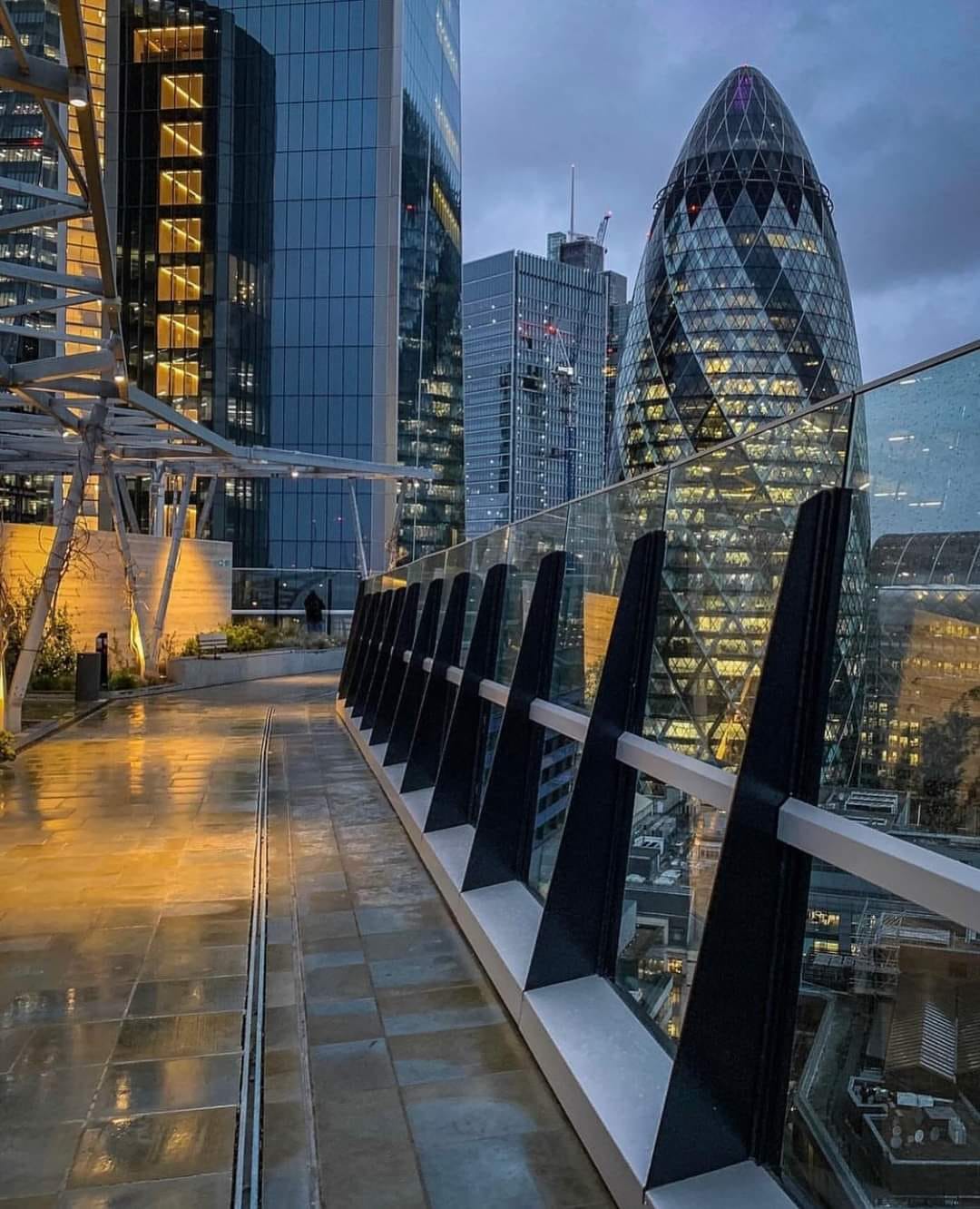
| MBCC “Doing Business with Mongolia seminar and Christmas Receptiom” Dec 10. 2025 London UK | MBCCI | London UK Goodman LLC |
NEWS
Rental flats to be available for ownership www.montsame.mn
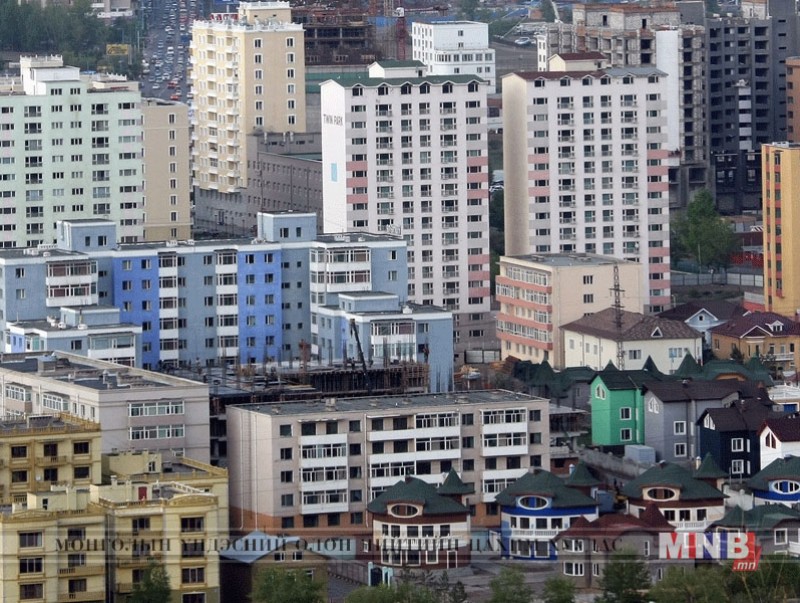
Ulaanbaatar/MONTSAME/. Today’s Cabinet meeting approved a regulation on ownership of rental flats.
According to the regulation, tenants of the apartments of the State Housing Corporation of Mongolia (SHCM) will be able to own the flats they are renting.
In doing so, tenants can own the flats by two ways; they can be involved in the mortgage loan after paying 30 percent of the total payment, or can buy the flat by making equally-divided payment every month for up to five years under the agreement.
“The regulation is coming to effect today. The price of SHCM apartments is set at MNT1.4 million per square meter. Presently, there are 1512 rental flats throughout the country. It is intended to construct apartments for 1008 households with the non-refundable aid of China, besides spending USD500 million -worth investment of the Republic of Korea on constructing rental apartments,” reported Kh.Badelkhan, Minister of Construction and Urban Development.
Mongolian ‘Deel’ export Deal www.news.mn
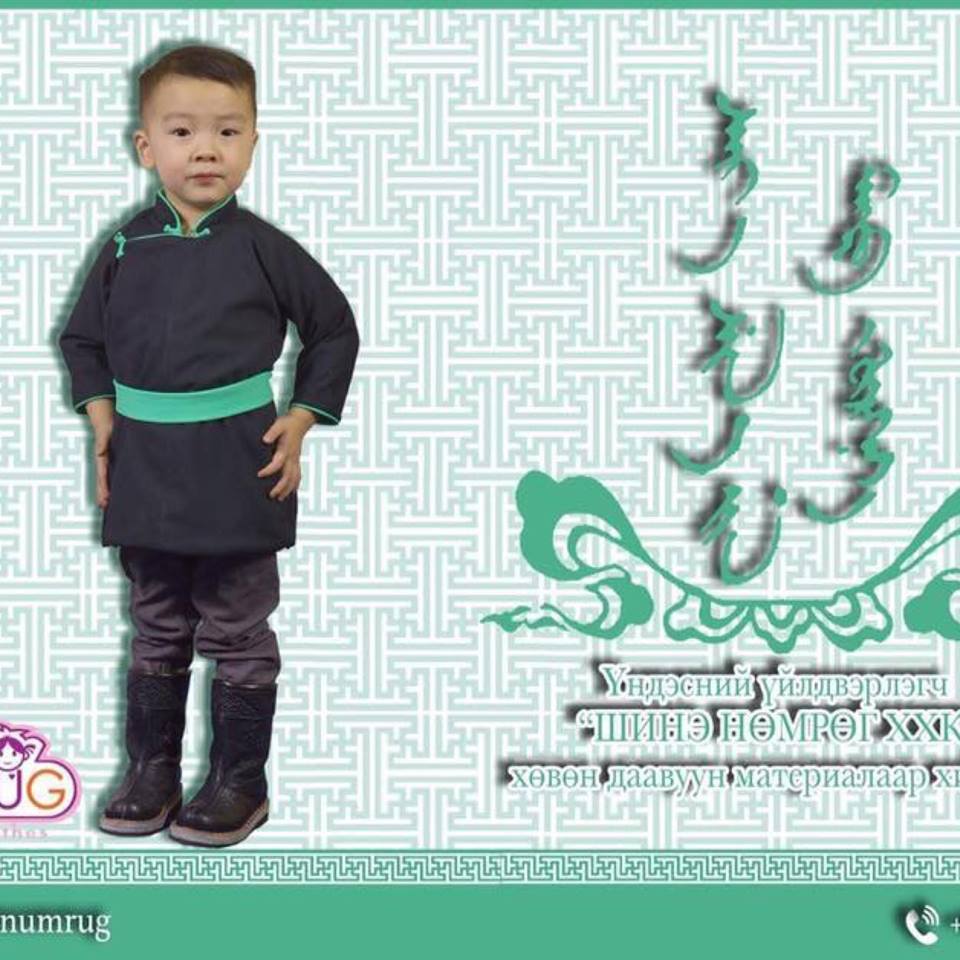
The Mongolian deel (pronounced “dale”) is a long tunic made from thick cotton material with narrow sleeves, a wide belt and a high stiff collar and has remain unchanged since the days of Chinngis Khan.
Mongolian designers are now targeting to export ‘deel’ to Inner Mongolia, as well as other countries. Urban Jeans, Mongolia’s first mass producer of jeans, exported its first batch of garments based on the deel to China in January, and has signed sales agreements with three distributors in Hohhot, the capital of Inner Mongolia.The company is also targeting sales in Southeast Asia, while Khadlan, another Mongolian manufacturer, is exporting winter deels to neighbouring Russian provinces.
D.Tungalag, who founded Urban Jeans with savings accumulated during a 10-year stint in the U.K., said there is a thriving market for ethnic designs in Mongolia, where the company released its first designs just before the 2016 Mongolian summer festival of Naadam.
Modernized versions of the deel usually retain the distinctive standing collar of the traditional garment, but incorporate elements of Western forms such as skirts, dresses or jumpsuits. Traditional motifs such as shoulder and waist buttons are kept for aesthetic purposes, but practical improvements such as zips are added for urban practicality. Designers often decorate outfits with Mongolian ornamental patterns.
Some Mongolians complain that designers have made the modernized deel look too much like traditional dress in other Asian countries, such as the Vietnamese Ao Dai or the Chinese Qipao, largely by fiddling with the high collar. But B.Enkhbaatar, who makes deels under the brand KADR, is sanguine about the similarities in Asian attire, saying that many foreign styles originated in Mongolia. (Source: Nikkei Asian Review)
In the footsteps of Roy Chapman Andrews – with NASA technology www.news.mn
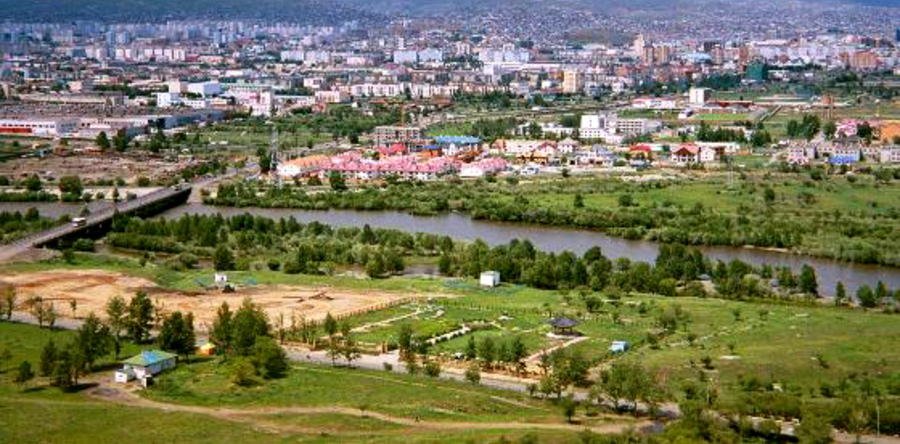
Across the stark steppes of the Gobi Desert, the largest desert in Asia, accounting for roughly 30% of Mongolia, almost a hundred years ago, a unique cavalcade of old motor vehicles made its way northwest from Peking. The cars and their passengers, which must have left the Gobi’s nomadic herders gawking in amazement on those days in 1920, was an expedition in search of the remains of early man and was led by a prototype of Indiana Jones – the US naturalist Roy Chapman Andrews. What they came across, however, was far older than ancient human remains – a nest of dinosaur eggs! This discovery – the first of its kind – was to lead to a host of fossil excavations putting Mongolia on the map as a veritable treasure trove for palaeontologists.
Just this past summer, the Hong Kong chapter of the Explorers Club, together with the Mongolian Institute of Palaeontology and Geology, traced a similar route through the desert, this time using NASA technologies, such as drone-mapping, multispectral and thermal imaging – the same technology used to explore Mars – to collect data and help identity fossil sites.
On the 20-day Roy Chapman Andrews Centennial Expedition, the 35-person team found potential evidence of at least three previously unknown dinosaur species and excavated 250 new dinosaur fossil sites.
This is just one of the club’s many adventures in destinations around the world.
General Financing Agreement signed with EBRD www.montsame.mn
Ulaanbaatar /MONTSAME/ General Financing Agreement between the Government of Mongolia and the European Bank for Reconstruction and Development (EBRD) was signed by Minister of Finance Ch.Khurelbaatar and Head of Mongolia Unit at the EBRD Irina Kravchenko on April 9.
By signing the agreement, the EBRD will grant USD 300 million credit financing to the Mongolian Government for the implementation of projects and programs in road and infrastructure sectors. The sides agreed to finance the project on construction of additional two-lane road in route Ulaanbaatar-Darkhan at the first stage.
Finance Minister Ch.Khurelbaatar said “The EBRD has implemented projects worth about USD 1.7 billion in private sectors of Mongolia in the past. I consider that cooperation between the Government of Mongolia and the EBRD is starting from today. USD 120 million out of USD 300 million loan financing from the Bank will be spent on construction of additional two-lane road in a route between Ulaanbaatar and Darkhan. I am expressing my gratitude to Head of Mongolia Unit at the EBRD Irina Kravchenko on resolving the funding in a very short time.”
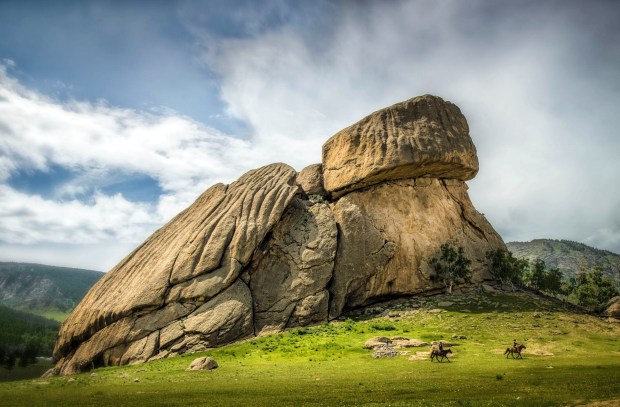
Promoting eco-friendly tourism in Mongolia www.egis-group.com
Between 2017 and 2018, Egis was involved in supporting the design of a project to assist the Mongolian government in developing eco-friendly tourism in the country’s protected natural reserves, which will account for 30% of the Mongolian territory by 2030. The aim is to preserve natural spaces, to promote local culture and to support a fair and equitable economy.
In partnership with Horwath HTL, Egis was appointed to help design a proposed project to both protect and develop two national parks in Mongolia: Khuvsgul Lake National Park (KLNP) and Onon-Balj National Park (OBNP).
The project was designed to be compliant with the principles of sustainable tourism defined by United Nations world tourism organisation; aims to preserve biodiversity; and introduce the first eco-certification program in the country. It is hoped that the designs will be used to help promote and develop green tourism in other national parks in Mongolia.
Projects that preserve nature and make it accessible
Lake Khuvsgul is the largest freshwater lake in the country (70% of Mongolia’s freshwater reserves, measuring 130 km in length and 36 km in width). Lake’s pollution caused by dust and waste (being solid or liquid) would be reduced by surfacing roads, by protecting the lake’s banks through better management of traffic along the 40 km of its most visited shores, by creating landfills and by building wastewater treatment plants and eco-toilets. As an example, on the two parcs, three new landfills are proposed to be created to deal with the waste of 15,000 residents and 100,000 tourists. They would be the first rural landfills in the country compliant with international standards. As such, the project would help to reduce public health risks, for both the local communities and visitors.
Biodiversity is proposed to be preserved by the revision of existing parks management plans, by public awareness and by capacity building actions.
To minimize the impact on existing power demand in KLNP park, the new building for staff and visitor centre is designed to be energy self-sufficient thanks to rooftop solar panels and energy savings through an efficient layout allowing to heat only the offices in winter.
Modelling the impact of climate change
Egis conducted an analysis of the potential impact of climate change on the bioclimatic conditions and the ecosystems on KLNP project.
For example, Egis prepared plant cover and habitat maps for the national park, determined the impact of climate change on the park and established various climate change scenarios.
To do this, Egis made substantial use of geospatial modelling, not only to quantify and map the impact on the different types of vegetation, but also to identify the new zones towards which certain ecosystems might migrate following climate change.
Preserving permafrost and fighting global warming
Permafrost is a geological term which describes ground which temperature remains below 0°C for more than two years in a row. Lake Khuvsgul is the only lake in the world that is entirely surrounded by permafrost. This frozen layer plays an important ecological role in regulating ground temperature, germination and resistance to drought and fire. Because of global warming, the permafrost is starting to melt, threatening to release large quantities of greenhouse gas (carbon dioxide, methane) into the atmosphere, which themselves cause temperatures increase. In short, a vicious circle.
To fight this phenomenon, Egis proposed several solutions including elevating structures, deploying insulating materials, and laying innovative road surface structures based on geocells compatible with low traffic density roads. Geocells are geotextiles with alveolar structures (75 to 200 mm high) used as a soil reinforcement product. This solution, which is a first of a kind in Mongolia, reduces the environmental impact of the project by confining and reusing the materials of the site. This structure has the advantage of withstanding the extreme climatic conditions prevalent in Mongolia (temperatures which can vary between -50°C and +50°C).
Highlighting local culture and creating jobs
The Mongolian tourist sector currently suffers from low service standards, lack of infrastructure and a very short tourist season due to long and harsh winters. Developing tourism is however one of the Mongolian government’s strategic priorities to diversify its economy and create jobs. These eco-tourism projects would stimulate the commercial activities of local producers and service providers and contribute to reduce the level of poverty of these regions which is currently particularly high.
Onon Balj is considered to be the birthplace of Genghis Khaan, the founder of the Mongol Empire. A brand-new architectural and tourist complex is planned to be built in his memory. Taking the form of a huge bust emerging from the ground (35 m high), the future 4000 m² building is proposed to house a unique visitor trail, punctuated with gers (traditional Mongolian yurts) recounting the life of the famous Emperor and describing the way the Mongolian people used to live in the 12th century.
With the construction of this iconic building, the forecast number of visitors in OBNP is planned to be multiplied by 20 in 10 years (rising from 27,000 visitors in 2018 to 440,000 in 2029). As a result, the number of residents of these parks making their living from tourism would triple, and 8,200 residents would receive training. This would thus help to contribute to the diversification of revenue streams, reduce unemployment and dependence on social aid, and include in this approach the vulnerable members of the local community. The various measures implemented would also help to prolong the tourist season, which currently only lasts three months.
...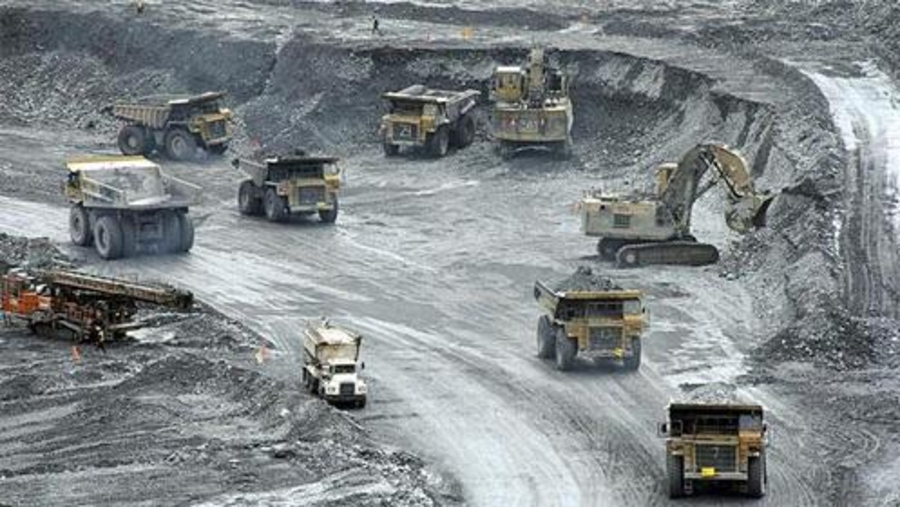
High coal price to provide favorable conditions for ETT investors www.zgm.mn
Coal firms are still in demand. The performance of the new Mongolian Mining Corporation (MMC)’s USD 440 million bond shows it. The bond has a 9.25 percent interest rate and received a total of USD 740 million bids for subscriptions. From the same example and with the current high price of coal, investors are showing interest in purchasing Erdenes Tavan Tolgoi (ETT)'s shares.
Erdenes Tavan Tolgoi JSC, which has 2.5 million shareholders, plans to hold its shareholders' meeting on April 30. The Board's conclusions on the 2018 annual report and the annual financial statements will be discussed at the meeting. The company is also planning to launch IPOs in the global market to raise USD 3 billion.
There are currently 305 companies listed in the Financial Regulatory Commission, out of which 26 have agreed to disburse dividends of MNT 62.1 billion. ETT has settled to distribute MNT 26,800 per share in dividends to Mongolian citizens each holding 1072 shares.
The company plans to hold its shareholders' meeting on April 30
In addition to dividends, preparations for trading on the international stock exchanges are continuing. Minister for Mining and Heavy Industry Sumyabazar Dolgorsuren announced that ETT will launch an IPO.
He informed that the company would restructure and establish an international subsidiary of Tavan Tolgoi. In order to succeed, it requires a CEO with high experience in finance and capital market proficiency. In addition, the Minister added that four of the nine board members should be foreign people who are internationally acceptable.
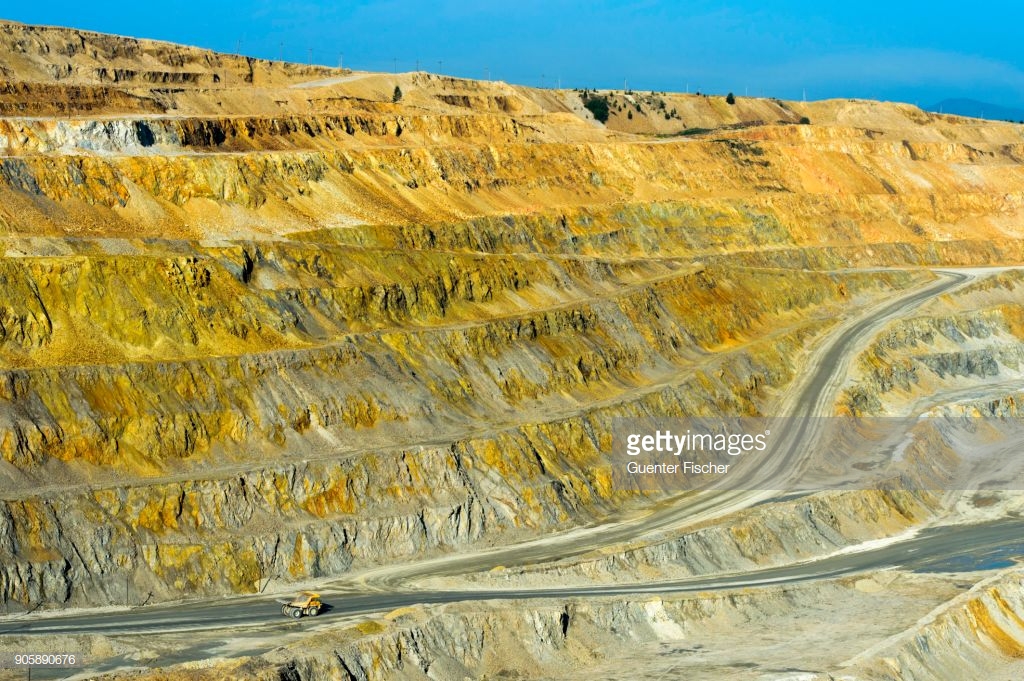
Erdenet enterprise finalizes its debt www.montsame.mn
Ulaanbaatar/MONTSAME/ ‘Erdenet’ state-owned enterprise has fulfilled a claim of ‘Standard’ Bank of South Africa and a decision of the London Court of International Arbitration (LCIA); thus it has completely resolved its debt issue, reported U.Enkhtuvshin, Deputy Prime Minister, and Kh.Badamsuren, Director-General of ‘Erdenet’ state-owned enterprise, on April 5.
On the grounds that its issuance of a guarantee on the loan that ‘Just’ Group received from ‘Standard’ Bank, the LCIA made a decision in 2013 that Erdenet enterprise must pay USD117 million in total, including of basic loan, interest, expenses on court proceedings and monthly interest, to the Bank.
Thanks to bilateral effective negotiations, held few times with the involvement of a mediator company, the parties reached an agreement to lower the payment three times. Accordingly, Erdenet enterprise paid USD40 million from its target-risk fund, finalizing its debt issue with the Bank, noted Deputy Prime Minister U.Enkhtuvshin.
An issue on taking the money issued from the risk fund back from culpable persons who caused this case to be tried at the international arbitration will be internally resolved at court.

‘National Gold to the Fund of Treasures’ campaign launches www.montsame.mn
Ulaanbaatar /MONTSAME/ A six-month campaign titled ‘National Gold to the Fund of Treasures’ launched on April 8 at the Bank of Mongolia (BoM).
Representatives of the BoM, the Ministry of Mining and Heavy Industry, Mineral Resources and Petroleum Authority, General Department of Taxation, commercial banks and gold miners presented and discussed pressing issues of the sector and their solutions.
Government and non-governmental organizations will cooperate on the campaign to increase the gold reserves, intensify training and promotion on the process of gold purchase among the public through introducing relevant laws and regulations and encouraging business entities and individuals to sell their gold to the BoM and to commercial banks.
It is also planned to make gold origins clear, eliminate illegal cross-border movements of gold, create an integrated platform and software for gold miners and buyers in cooperation with the Mineral Resources and Petroleum Authority and other relevant authorities.

Facebook to use AI to respect the dead www.bbc.com
Facebook has said it is working on using artificial intelligence to prevent a common and upsetting problem: receiving notifications about deceased friends and loved ones.
The company said it hoped to stop the “painful” experience of getting suggestions to invite dead people to events, or to wish them a happy birthday.
On profiles, tributes to a person will now appear separately, keeping the deceased’s timeline as they left it.
"We hope Facebook remains a place where the memory and spirit of our loved ones can be celebrated and live on,” said Sheryl Sandberg, Facebook’s chief operating officer.
Users have often complained about being shocked and upset when Facebook nudges them to interact with a deceased loved one.
Since 2009, Facebook has given users the ability to “memorialise” profiles; a status which adds “Remembering” to the person’s name and allows friends to post messages (more than 30 million people do this every month, Facebook said).
Once a page has been memorialised, it no longer appears within notifications as if that person were still alive. But, for profiles of deceased users that have not yet been memorialised, Facebook said it would use AI to stop those accounts from appearing in unexpected places as well.
Legacy contact control
Facebook also announced other tweaks to how dead people are represented on the network.
Memorialised accounts will now have a separate “tributes” tab for people to leave condolences and memories, a move that would leave the deceased’s timeline intact.
Content posted as tributes can be moderated by a person’s “legacy” contacts. These are other Facebook users who they have designated as a trusted person or persons, who can take over in the event of their death.
"Legacy contacts can now moderate the posts shared to the new tributes section by changing tagging settings, removing tags and editing who can post and see posts,” Ms Sandberg explained.
"This helps them manage content that might be hard for friends and family to see if they’re not ready.”
Under-18s cannot nominate a legacy contact, but parents or guardians of children who have died can contact Facebook to request access.
Some of these changes have come in response to abuses of its systems, such as a “prank” in which users would falsely tell Facebook someone had died, locking that user out of their account, and causing friends distress.
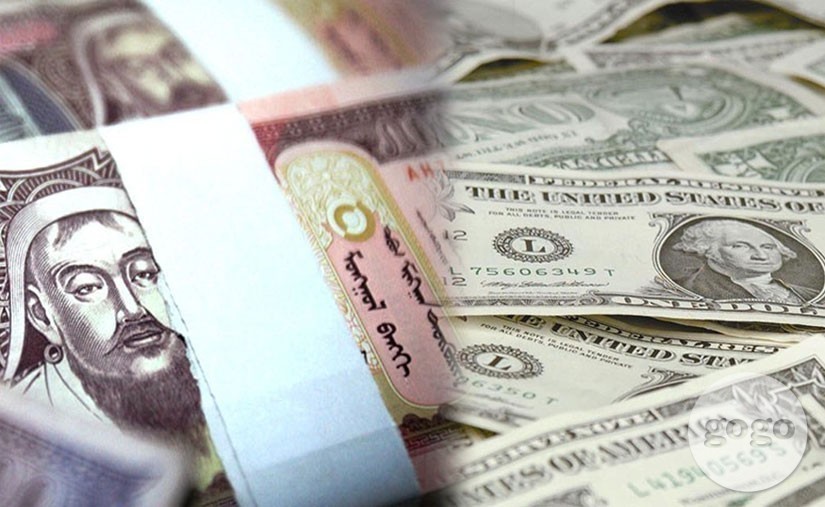
Mongolia’s foreign exchange reserves reach $3.7bn www.daily-sun.com
Mongolia's foreign exchange reserves rose to 3.7 billion U.S. dollars by the end of March, the country's central bank said Tuesday in a statement carried by its website.
The amount increased by 200 million dollars from the end of 2018, said Atarbaatar Enkhjin, head of the Reserve Management and Financial Markets Department at the Bank of Mongolia, reports Xinhua.
Enkhjin noted that the increase was a result of several factors, including the implementation of the three-year Extended Funding Facility (EFF) of the International Monetary Fund (IMF) in Mongolia and higher commodity prices in the global market.
- «
- 1
- 2
- 3
- 4
- 5
- 6
- 7
- 8
- 9
- 10
- 11
- 12
- 13
- 14
- 15
- 16
- 17
- 18
- 19
- 20
- 21
- 22
- 23
- 24
- 25
- 26
- 27
- 28
- 29
- 30
- 31
- 32
- 33
- 34
- 35
- 36
- 37
- 38
- 39
- 40
- 41
- 42
- 43
- 44
- 45
- 46
- 47
- 48
- 49
- 50
- 51
- 52
- 53
- 54
- 55
- 56
- 57
- 58
- 59
- 60
- 61
- 62
- 63
- 64
- 65
- 66
- 67
- 68
- 69
- 70
- 71
- 72
- 73
- 74
- 75
- 76
- 77
- 78
- 79
- 80
- 81
- 82
- 83
- 84
- 85
- 86
- 87
- 88
- 89
- 90
- 91
- 92
- 93
- 94
- 95
- 96
- 97
- 98
- 99
- 100
- 101
- 102
- 103
- 104
- 105
- 106
- 107
- 108
- 109
- 110
- 111
- 112
- 113
- 114
- 115
- 116
- 117
- 118
- 119
- 120
- 121
- 122
- 123
- 124
- 125
- 126
- 127
- 128
- 129
- 130
- 131
- 132
- 133
- 134
- 135
- 136
- 137
- 138
- 139
- 140
- 141
- 142
- 143
- 144
- 145
- 146
- 147
- 148
- 149
- 150
- 151
- 152
- 153
- 154
- 155
- 156
- 157
- 158
- 159
- 160
- 161
- 162
- 163
- 164
- 165
- 166
- 167
- 168
- 169
- 170
- 171
- 172
- 173
- 174
- 175
- 176
- 177
- 178
- 179
- 180
- 181
- 182
- 183
- 184
- 185
- 186
- 187
- 188
- 189
- 190
- 191
- 192
- 193
- 194
- 195
- 196
- 197
- 198
- 199
- 200
- 201
- 202
- 203
- 204
- 205
- 206
- 207
- 208
- 209
- 210
- 211
- 212
- 213
- 214
- 215
- 216
- 217
- 218
- 219
- 220
- 221
- 222
- 223
- 224
- 225
- 226
- 227
- 228
- 229
- 230
- 231
- 232
- 233
- 234
- 235
- 236
- 237
- 238
- 239
- 240
- 241
- 242
- 243
- 244
- 245
- 246
- 247
- 248
- 249
- 250
- 251
- 252
- 253
- 254
- 255
- 256
- 257
- 258
- 259
- 260
- 261
- 262
- 263
- 264
- 265
- 266
- 267
- 268
- 269
- 270
- 271
- 272
- 273
- 274
- 275
- 276
- 277
- 278
- 279
- 280
- 281
- 282
- 283
- 284
- 285
- 286
- 287
- 288
- 289
- 290
- 291
- 292
- 293
- 294
- 295
- 296
- 297
- 298
- 299
- 300
- 301
- 302
- 303
- 304
- 305
- 306
- 307
- 308
- 309
- 310
- 311
- 312
- 313
- 314
- 315
- 316
- 317
- 318
- 319
- 320
- 321
- 322
- 323
- 324
- 325
- 326
- 327
- 328
- 329
- 330
- 331
- 332
- 333
- 334
- 335
- 336
- 337
- 338
- 339
- 340
- 341
- 342
- 343
- 344
- 345
- 346
- 347
- 348
- 349
- 350
- 351
- 352
- 353
- 354
- 355
- 356
- 357
- 358
- 359
- 360
- 361
- 362
- 363
- 364
- 365
- 366
- 367
- 368
- 369
- 370
- 371
- 372
- 373
- 374
- 375
- 376
- 377
- 378
- 379
- 380
- 381
- 382
- 383
- 384
- 385
- 386
- 387
- 388
- 389
- 390
- 391
- 392
- 393
- 394
- 395
- 396
- 397
- 398
- 399
- 400
- 401
- 402
- 403
- 404
- 405
- 406
- 407
- 408
- 409
- 410
- 411
- 412
- 413
- 414
- 415
- 416
- 417
- 418
- 419
- 420
- 421
- 422
- 423
- 424
- 425
- 426
- 427
- 428
- 429
- 430
- 431
- 432
- 433
- 434
- 435
- 436
- 437
- 438
- 439
- 440
- 441
- 442
- 443
- 444
- 445
- 446
- 447
- 448
- 449
- 450
- 451
- 452
- 453
- 454
- 455
- 456
- 457
- 458
- 459
- 460
- 461
- 462
- 463
- 464
- 465
- 466
- 467
- 468
- 469
- 470
- 471
- 472
- 473
- 474
- 475
- 476
- 477
- 478
- 479
- 480
- 481
- 482
- 483
- 484
- 485
- 486
- 487
- 488
- 489
- 490
- 491
- 492
- 493
- 494
- 495
- 496
- 497
- 498
- 499
- 500
- 501
- 502
- 503
- 504
- 505
- 506
- 507
- 508
- 509
- 510
- 511
- 512
- 513
- 514
- 515
- 516
- 517
- 518
- 519
- 520
- 521
- 522
- 523
- 524
- 525
- 526
- 527
- 528
- 529
- 530
- 531
- 532
- 533
- 534
- 535
- 536
- 537
- 538
- 539
- 540
- 541
- 542
- 543
- 544
- 545
- 546
- 547
- 548
- 549
- 550
- 551
- 552
- 553
- 554
- 555
- 556
- 557
- 558
- 559
- 560
- 561
- 562
- 563
- 564
- 565
- 566
- 567
- 568
- 569
- 570
- 571
- 572
- 573
- 574
- 575
- 576
- 577
- 578
- 579
- 580
- 581
- 582
- 583
- 584
- 585
- 586
- 587
- 588
- 589
- 590
- 591
- 592
- 593
- 594
- 595
- 596
- 597
- 598
- 599
- 600
- 601
- 602
- 603
- 604
- 605
- 606
- 607
- 608
- 609
- 610
- 611
- 612
- 613
- 614
- 615
- 616
- 617
- 618
- 619
- 620
- 621
- 622
- 623
- 624
- 625
- 626
- 627
- 628
- 629
- 630
- 631
- 632
- 633
- 634
- 635
- 636
- 637
- 638
- 639
- 640
- 641
- 642
- 643
- 644
- 645
- 646
- 647
- 648
- 649
- 650
- 651
- 652
- 653
- 654
- 655
- 656
- 657
- 658
- 659
- 660
- 661
- 662
- 663
- 664
- 665
- 666
- 667
- 668
- 669
- 670
- 671
- 672
- 673
- 674
- 675
- 676
- 677
- 678
- 679
- 680
- 681
- 682
- 683
- 684
- 685
- 686
- 687
- 688
- 689
- 690
- 691
- 692
- 693
- 694
- 695
- 696
- 697
- 698
- 699
- 700
- 701
- 702
- 703
- 704
- 705
- 706
- 707
- 708
- 709
- 710
- 711
- 712
- 713
- 714
- 715
- 716
- 717
- 718
- 719
- 720
- 721
- 722
- 723
- 724
- 725
- 726
- 727
- 728
- 729
- 730
- 731
- 732
- 733
- 734
- 735
- 736
- 737
- 738
- 739
- 740
- 741
- 742
- 743
- 744
- 745
- 746
- 747
- 748
- 749
- 750
- 751
- 752
- 753
- 754
- 755
- 756
- 757
- 758
- 759
- 760
- 761
- 762
- 763
- 764
- 765
- 766
- 767
- 768
- 769
- 770
- 771
- 772
- 773
- 774
- 775
- 776
- 777
- 778
- 779
- 780
- 781
- 782
- 783
- 784
- 785
- 786
- 787
- 788
- 789
- 790
- 791
- 792
- 793
- 794
- 795
- 796
- 797
- 798
- 799
- 800
- 801
- 802
- 803
- 804
- 805
- 806
- 807
- 808
- 809
- 810
- 811
- 812
- 813
- 814
- 815
- 816
- 817
- 818
- 819
- 820
- 821
- 822
- 823
- 824
- 825
- 826
- 827
- 828
- 829
- 830
- 831
- 832
- 833
- 834
- 835
- 836
- 837
- 838
- 839
- 840
- 841
- 842
- 843
- 844
- 845
- 846
- 847
- 848
- 849
- 850
- 851
- 852
- 853
- 854
- 855
- 856
- 857
- 858
- 859
- 860
- 861
- 862
- 863
- 864
- 865
- 866
- 867
- 868
- 869
- 870
- 871
- 872
- 873
- 874
- 875
- 876
- 877
- 878
- 879
- 880
- 881
- 882
- 883
- 884
- 885
- 886
- 887
- 888
- 889
- 890
- 891
- 892
- 893
- 894
- 895
- 896
- 897
- 898
- 899
- 900
- 901
- 902
- 903
- 904
- 905
- 906
- 907
- 908
- 909
- 910
- 911
- 912
- 913
- 914
- 915
- 916
- 917
- 918
- 919
- 920
- 921
- 922
- 923
- 924
- 925
- 926
- 927
- 928
- 929
- 930
- 931
- 932
- 933
- 934
- 935
- 936
- 937
- 938
- 939
- 940
- 941
- 942
- 943
- 944
- 945
- 946
- 947
- 948
- 949
- 950
- 951
- 952
- 953
- 954
- 955
- 956
- 957
- 958
- 959
- 960
- 961
- 962
- 963
- 964
- 965
- 966
- 967
- 968
- 969
- 970
- 971
- 972
- 973
- 974
- 975
- 976
- 977
- 978
- 979
- 980
- 981
- 982
- 983
- 984
- 985
- 986
- 987
- 988
- 989
- 990
- 991
- 992
- 993
- 994
- 995
- 996
- 997
- 998
- 999
- 1000
- 1001
- 1002
- 1003
- 1004
- 1005
- 1006
- 1007
- 1008
- 1009
- 1010
- 1011
- 1012
- 1013
- 1014
- 1015
- 1016
- 1017
- 1018
- 1019
- 1020
- 1021
- 1022
- 1023
- 1024
- 1025
- 1026
- 1027
- 1028
- 1029
- 1030
- 1031
- 1032
- 1033
- 1034
- 1035
- 1036
- 1037
- 1038
- 1039
- 1040
- 1041
- 1042
- 1043
- 1044
- 1045
- 1046
- 1047
- 1048
- 1049
- 1050
- 1051
- 1052
- 1053
- 1054
- 1055
- 1056
- 1057
- 1058
- 1059
- 1060
- 1061
- 1062
- 1063
- 1064
- 1065
- 1066
- 1067
- 1068
- 1069
- 1070
- 1071
- 1072
- 1073
- 1074
- 1075
- 1076
- 1077
- 1078
- 1079
- 1080
- 1081
- 1082
- 1083
- 1084
- 1085
- 1086
- 1087
- 1088
- 1089
- 1090
- 1091
- 1092
- 1093
- 1094
- 1095
- 1096
- 1097
- 1098
- 1099
- 1100
- 1101
- 1102
- 1103
- 1104
- 1105
- 1106
- 1107
- 1108
- 1109
- 1110
- 1111
- 1112
- 1113
- 1114
- 1115
- 1116
- 1117
- 1118
- 1119
- 1120
- 1121
- 1122
- 1123
- 1124
- 1125
- 1126
- 1127
- 1128
- 1129
- 1130
- 1131
- 1132
- 1133
- 1134
- 1135
- 1136
- 1137
- 1138
- 1139
- 1140
- 1141
- 1142
- 1143
- 1144
- 1145
- 1146
- 1147
- 1148
- 1149
- 1150
- 1151
- 1152
- 1153
- 1154
- 1155
- 1156
- 1157
- 1158
- 1159
- 1160
- 1161
- 1162
- 1163
- 1164
- 1165
- 1166
- 1167
- 1168
- 1169
- 1170
- 1171
- 1172
- 1173
- 1174
- 1175
- 1176
- 1177
- 1178
- 1179
- 1180
- 1181
- 1182
- 1183
- 1184
- 1185
- 1186
- 1187
- 1188
- 1189
- 1190
- 1191
- 1192
- 1193
- 1194
- 1195
- 1196
- 1197
- 1198
- 1199
- 1200
- 1201
- 1202
- 1203
- 1204
- 1205
- 1206
- 1207
- 1208
- 1209
- 1210
- 1211
- 1212
- 1213
- 1214
- 1215
- 1216
- 1217
- 1218
- 1219
- 1220
- 1221
- 1222
- 1223
- 1224
- 1225
- 1226
- 1227
- 1228
- 1229
- 1230
- 1231
- 1232
- 1233
- 1234
- 1235
- 1236
- 1237
- 1238
- 1239
- 1240
- 1241
- 1242
- 1243
- 1244
- 1245
- 1246
- 1247
- 1248
- 1249
- 1250
- 1251
- 1252
- 1253
- 1254
- 1255
- 1256
- 1257
- 1258
- 1259
- 1260
- 1261
- 1262
- 1263
- 1264
- 1265
- 1266
- 1267
- 1268
- 1269
- 1270
- 1271
- 1272
- 1273
- 1274
- 1275
- 1276
- 1277
- 1278
- 1279
- 1280
- 1281
- 1282
- 1283
- 1284
- 1285
- 1286
- 1287
- 1288
- 1289
- 1290
- 1291
- 1292
- 1293
- 1294
- 1295
- 1296
- 1297
- 1298
- 1299
- 1300
- 1301
- 1302
- 1303
- 1304
- 1305
- 1306
- 1307
- 1308
- 1309
- 1310
- 1311
- 1312
- 1313
- 1314
- 1315
- 1316
- 1317
- 1318
- 1319
- 1320
- 1321
- 1322
- 1323
- 1324
- 1325
- 1326
- 1327
- 1328
- 1329
- 1330
- 1331
- 1332
- 1333
- 1334
- 1335
- 1336
- 1337
- 1338
- 1339
- 1340
- 1341
- 1342
- 1343
- 1344
- 1345
- 1346
- 1347
- 1348
- 1349
- 1350
- 1351
- 1352
- 1353
- 1354
- 1355
- 1356
- 1357
- 1358
- 1359
- 1360
- 1361
- 1362
- 1363
- 1364
- 1365
- 1366
- 1367
- 1368
- 1369
- 1370
- 1371
- 1372
- 1373
- 1374
- 1375
- 1376
- 1377
- 1378
- 1379
- 1380
- 1381
- 1382
- 1383
- 1384
- 1385
- 1386
- 1387
- 1388
- 1389
- 1390
- 1391
- 1392
- 1393
- 1394
- 1395
- 1396
- 1397
- 1398
- 1399
- 1400
- 1401
- 1402
- 1403
- 1404
- 1405
- 1406
- 1407
- 1408
- 1409
- 1410
- 1411
- 1412
- 1413
- 1414
- 1415
- 1416
- 1417
- 1418
- 1419
- 1420
- 1421
- 1422
- 1423
- 1424
- 1425
- 1426
- 1427
- 1428
- 1429
- 1430
- 1431
- 1432
- 1433
- 1434
- 1435
- 1436
- 1437
- 1438
- 1439
- 1440
- 1441
- 1442
- 1443
- 1444
- 1445
- 1446
- 1447
- 1448
- 1449
- 1450
- 1451
- 1452
- 1453
- 1454
- 1455
- 1456
- 1457
- 1458
- 1459
- 1460
- 1461
- 1462
- 1463
- 1464
- 1465
- 1466
- 1467
- 1468
- 1469
- 1470
- 1471
- 1472
- 1473
- 1474
- 1475
- 1476
- 1477
- 1478
- 1479
- 1480
- 1481
- 1482
- 1483
- 1484
- 1485
- 1486
- 1487
- 1488
- 1489
- 1490
- 1491
- 1492
- 1493
- 1494
- 1495
- 1496
- 1497
- 1498
- 1499
- 1500
- 1501
- 1502
- 1503
- 1504
- 1505
- 1506
- 1507
- 1508
- 1509
- 1510
- 1511
- 1512
- 1513
- 1514
- 1515
- 1516
- 1517
- 1518
- 1519
- 1520
- 1521
- 1522
- 1523
- 1524
- 1525
- 1526
- 1527
- 1528
- 1529
- 1530
- 1531
- 1532
- 1533
- 1534
- 1535
- 1536
- 1537
- 1538
- 1539
- 1540
- 1541
- 1542
- 1543
- 1544
- 1545
- 1546
- 1547
- 1548
- 1549
- 1550
- 1551
- 1552
- 1553
- 1554
- 1555
- 1556
- 1557
- 1558
- 1559
- 1560
- 1561
- 1562
- 1563
- 1564
- 1565
- 1566
- 1567
- 1568
- 1569
- 1570
- 1571
- 1572
- 1573
- 1574
- 1575
- 1576
- 1577
- 1578
- 1579
- 1580
- 1581
- 1582
- 1583
- 1584
- 1585
- 1586
- 1587
- 1588
- 1589
- 1590
- 1591
- 1592
- 1593
- 1594
- 1595
- 1596
- 1597
- 1598
- 1599
- 1600
- 1601
- 1602
- 1603
- 1604
- 1605
- 1606
- 1607
- 1608
- 1609
- 1610
- 1611
- 1612
- 1613
- 1614
- 1615
- 1616
- 1617
- 1618
- 1619
- 1620
- 1621
- 1622
- 1623
- 1624
- 1625
- 1626
- 1627
- 1628
- 1629
- 1630
- 1631
- 1632
- 1633
- 1634
- 1635
- 1636
- 1637
- 1638
- 1639
- 1640
- 1641
- 1642
- 1643
- 1644
- 1645
- 1646
- 1647
- 1648
- 1649
- 1650
- 1651
- 1652
- 1653
- 1654
- 1655
- 1656
- 1657
- 1658
- 1659
- 1660
- 1661
- 1662
- 1663
- 1664
- 1665
- 1666
- 1667
- 1668
- 1669
- 1670
- 1671
- 1672
- 1673
- 1674
- 1675
- 1676
- 1677
- 1678
- 1679
- 1680
- 1681
- 1682
- 1683
- 1684
- 1685
- 1686
- 1687
- 1688
- 1689
- 1690
- 1691
- 1692
- 1693
- 1694
- 1695
- 1696
- 1697
- 1698
- 1699
- 1700
- 1701
- 1702
- 1703
- 1704
- 1705
- 1706
- 1707
- 1708
- 1709
- 1710
- 1711
- 1712
- 1713
- 1714
- 1715
- 1716
- 1717
- 1718
- 1719
- 1720
- 1721
- 1722
- 1723
- 1724
- 1725
- 1726
- 1727
- 1728
- 1729
- 1730
- 1731
- 1732
- 1733
- 1734
- 1735
- 1736
- 1737
- 1738
- 1739
- 1740
- 1741
- 1742
- 1743
- 1744
- 1745
- 1746
- 1747
- 1748
- 1749
- 1750
- 1751
- 1752
- 1753
- 1754
- 1755
- 1756
- 1757
- 1758
- 1759
- 1760
- 1761
- 1762
- 1763
- 1764
- 1765
- 1766
- 1767
- 1768
- 1769
- 1770
- 1771
- 1772
- 1773
- 1774
- 1775
- 1776
- 1777
- 1778
- 1779
- 1780
- 1781
- 1782
- 1783
- 1784
- 1785
- 1786
- 1787
- 1788
- 1789
- 1790
- 1791
- 1792
- 1793
- 1794
- 1795
- 1796
- 1797
- 1798
- 1799
- 1800
- 1801
- 1802
- 1803
- 1804
- 1805
- 1806
- 1807
- 1808
- 1809
- 1810
- 1811
- 1812
- 1813
- 1814
- 1815
- 1816
- 1817
- 1818
- 1819
- 1820
- 1821
- »


