
Category
- Agriculture
- Automobiles and Machinery
- Bank, non banking financing, investment
- Blasting
- Construction
- Consumables
- Education
- Energy
- Engineer , Architecture and Geodesy
- Finance, Audit,Accounting and Brokerage
- Food
- Foreign Trade
- Geology Exploration
- Health
- Information Technology
- Insurance
- Labor Safety
- Legal and Business consulting
- Lighting
- Mining equipment
- Mining Services
- Other product and service
- Road
- Sewing and textile products
- Transportations
- Travel
Events

Events
| Name | organizer | Where |
|---|---|---|
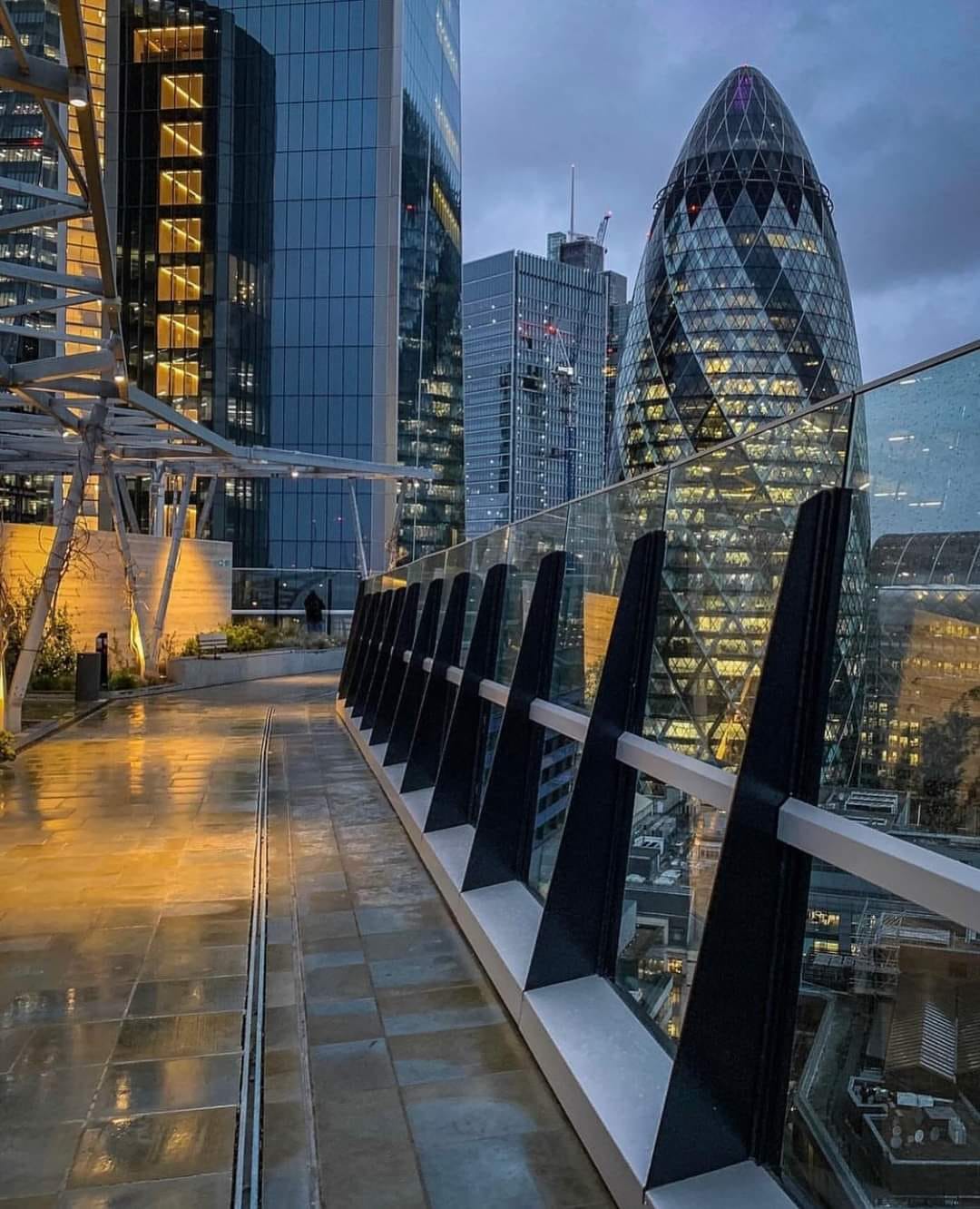
| MBCC “Doing Business with Mongolia seminar and Christmas Receptiom” Dec 10. 2025 London UK | MBCCI | London UK Goodman LLC |
NEWS

Hyundai Motor hires former GM researcher to lead self-driving car center www.reuters.com

Austria gets its first bitcoin digital currency 'bank' www.rt.com

Mongolia Parliament Votes to Nationalize Erdenet Copper Mine www.bloomberg.com
Mongolia’s parliament approved a resolution to nationalize copper, gold and iron-ore assets in the country following a probe that found a $400 million transaction with a closely held company was illegal.
Parliament’s resolution invalidates a previous government decision that had authorized the sale of 49 percent stakes in both Erdenet Mining Corp. and Mongolrostsvetmet LLC to Mongolian Copper Corp. The resolution was approved by a vote of 49 in favor to 12 against, according to a broadcast carried on Bloomberg TV Mongolia.
Former Prime Minister Saikhanbileg Chimed announced the sales on the eve of elections in June, declaring the purchases from Russia’s state-controlled Rostec a victory for a country that wanted to put greater control of its natural resources in the hands of Mongolians. Still, Saikhanbileg’s Democratic Party lost the election to the Mongolian People’s Party.
The purchases of the 49 percent holdings in the two mining stakes by Mongolian Copper used illegal loans and violated the constitution, according to the probe conducted by a parliamentary working group. Trade & Development Bank of Mongolia LLC spearheaded financing for the deal.
“It appears that there were various legal, governance and transparency issues surrounding the transaction,’’ Dale Choi, head of Mongolia Metals & Mining, said in an e-mail. “Moreover, it seems that public funding was used for private buyout and the government of Mongolia issued international bonds at an expensive 11 percent to supply FX for the transaction. While the privatization is desirable, the way it was done appears questionable and the rule of law should be applied.’’
TDBM Chief Executive Officer Orkhon Onon said the loans weren’t illegal and didn’t violate banking regulations, according to an e-mailed reply to queries Jan. 30.
The Erdenet Mining and Mongolrostsvetmet joint ventures were set up by the former Soviet Union and Mongolia in the 1970s. Erdenet is focused on copper, while Mongolrostsvetmet mines metals, including gold and iron ore.

Panama charges two Mossack Fonseca partners over Brazil link www.bbc.com
The arrests are linked to corruption and bribery allegations involving Brazil's construction giant, Odebrecht.
The two men, Ramon Fonseca Mora and Jurgen Mossack, were detained after two days of questioning.
The Mossack Fonseca partners now face charges of money-laundering.
There is information which "allegedly identifies the Panamanian firm as a criminal organisation that is dedicated to hiding assets or money from suspicious origins," said Panama's Attorney General Kenia Porcell, announcing the arrests.
The pair will be held in detention because they are considered a flight risk.
A defence lawyer for the two men described the evidence against them as "weak".
Odebrecht - Latin America's largest construction firm - has admitted to paying $1bn in bribes to obtain in contracts in 12 different countries.
In last April's "Panama Papers" leaks, more than 11 million documents from Mossack Fonseca were released.
They showed how some wealthy people were using offshore firms to evade tax and avoid sanctions.
Mossack Fonseca denied wrongdoing in the case and said it was the victim of a computer hack. It also maintained that the information leaked was being misrepresented.
Mr Fonseca had served as a minister in Panamanian President Juan Carlos Varela's government but stepped aside earlier in 2016 after separate allegations linked his law firm to the corruption scandal engulfing the Brazilian state oil company Petrobras.

Germany reclaims gold hidden from Soviets in New York vaults www.cnn.com
Germany's gold has come home.
The country's central bank has completed a transfer of gold bars worth $13 billion from New York to Frankfurt, part of a plan to repatriate roughly half the reserves it keeps abroad.
Germany has been bringing gold home from New York and Paris since 2013. So far, 642 tons has been transferred.
With the latest transfer, the central bank has shifted a total of 330 tons of gold that had been stored with the New York Federal Reserve, deep in a subterranean vault that rests on the bedrock of Manhattan Island. The bank won't say how it moves the gold.
The plan will be completed when a final 100 tons is returned from Paris.
The central bank says it is bringing the gold home to help build public "trust and confidence."
But it's also a recognition that times have changed: Germans are no longer worried about preventing their gold reserves from falling under Soviet control -- a real fear during the Cold War.
And the central bank no longer needs to keep gold in Paris as a protective measure that would allow it to quickly exchange international currency in an emergency. Both countries use the euro.
Germany gold bar
In the wake of World War II, Germany gradually rebuilt its decimated gold reserves. As its economy strengthened, it converted the U.S. dollars that paid for its exports to gold and stored the proceeds in foreign vaults.
Fears of Soviet invasion kept the reserves abroad even after the value of the dollar was decoupled from the price of gold.
In recent years, rumors and conspiracy theories have circulated in Germany about its foreign gold reserves. Some fringe observers questioned whether they had been lost or otherwise compromised.
The issue eventually spilled over into mainstream politics, and the German Federal Court of Auditors asked for an inspection of foreign gold reserves in 2012.
The central bank mounted a defense, saying it received annual updates from foreign central banks where the gold was being stored. It said that the "integrity, reputation and security of these foreign depositories are beyond reproach."
The following year, however, the central bank announced that it would bring half its reserves home to Frankfurt.
Germany will store its remaining reserves in London and New York, where they could be quickly exchanged for pounds or dollars in an economic emergency.

Abe, Trump release joint statement www.nhk.co.jp
Japan's Prime Minister Shinzo Abe and US President Donald Trump have released a joint statement on security and economy after their first summit.
The 2 leaders met at the White House on Friday.
The statement calls the Japan-US alliance the cornerstone of peace, prosperity, and freedom in the Asia-Pacific region.
It refers to an "unwavering" US commitment to defend Japan through the full range of both nuclear and conventional capabilities of the US military.
The United States says it will strengthen its presence in the Asia-Pacific region amid an increasingly difficult security environment, while Japan will assume larger roles and responsibilities in the alliance.
The statement says Abe and Trump instructed their foreign and defense ministers to hold early talks on ways to further strengthen the alliance. This includes a review of the 2 countries' roles, missions, and capabilities.
The 2 leaders affirmed that Article 5 of the bilateral security treaty covers Japan's Senkaku Islands in the East China Sea, and that they oppose any unilateral action that seeks to undermine Japan's administration of these islands. China and Taiwan claim the islands. The Japanese government maintains the islands are an inherent part of Japan's territory.
The leaders noted the importance of maintaining a maritime order based on international law, and said they oppose any attempt to assert maritime claims through intimidation, coercion, or force.
Without naming China, they called on "countries concerned" to avoid actions that would escalate tensions in the South China Sea, including the militarization of outposts.
Abe and Trump affirmed that the 2 countries are committed to a plan to relocate the US Marine Corps Futenma Air Station within Okinawa. The base is currently located in a densely populated part of the prefecture. The leaders agreed that the relocation plan is the only solution that avoids the continued use of the facility.
And they urged North Korea to abandon its nuclear and ballistic missile programs and refrain from taking any further provocative actions. They also affirmed the importance of seeking an early resolution of the issue of North Korea's abductions of Japanese nationals.
On the economy, the statement says Trump and Abe are committed to using the 3-pronged approach of fiscal, monetary, and structural policies to strengthen domestic and global economic demand.
It says they remain fully committed to strengthening bilateral and regional economic relationships based on rules for free and fair trade.
They say this includes setting high trade and investment standards, reducing market barriers, and enhancing opportunities for economic and job growth in the Asia-Pacific region.
The 2 countries reaffirmed the importance of deepening their trade and investment relations and of their continued efforts in promoting trade and economic growth in the Asia-Pacific region.
Abe and Trump pledged to explore how best to accomplish these shared objectives, noting Trump's decision to pull the US out of the Trans-Pacific Partnership free trade pact.
They said this includes Japan and the United States holding discussions on a bilateral framework, and Japan continuing to advance existing regional initiatives.
The leaders also decided to launch economic dialogue between the 2 countries to discuss cooperation across various sectors that will bring mutual economic benefits.
The statement says Abe invited Trump for an official visit to Japan this year and welcomed an early visit by Vice President Mike Pence to Tokyo. It says President Trump accepted these invitations.
...
Ford to invest $1 billion in autonomous vehicle tech firm Argo AI www.reuters.com
Ford Motor Co plans to invest $1 billion over the next five years in tech startup Argo AI to help the Detroit automaker reach its goal of producing a self-driving vehicle for commercial ride sharing fleets by 2021, the companies announced on Friday.
The investment in Pittsburg-based Argo AI, founded by former executives on self-driving teams at Google and Uber, will make Ford the company's largest shareholder.
Ford Chief Executive Officer Mark Fields said the investment is in line with previous announcements on planned capital expenditures.
Argo AI, which focuses on artificial intelligence and robotics, will help build what Ford calls its "virtual driver system" at the heart of the fully autonomous car Ford said last year it would develop by 2021.
"With Argo AI’s agility and Ford's scale we're combining the benefits of a technology start up with the experience and discipline we have at Ford," Fields said at a press conference.
Once the technology is fully developed for Ford, it could be licensed to other companies, executives said.
While Ford will retain a majority of the start-up's equity, the potential for an equity stake as Argo AI hires 200 more employees will be an advantage in recruiting talent, executives said.
"They have the opportunity to run it pretty independently with a board, but because it is a separate company or subsidiary, it has the opportunity to go out and recruit with competitive compensation packages and equity," Fields said.
Until now, Ford's investments in future transportation technology have been relatively modest, compared with those of General Motors Co and others. One of Ford’s largest such investments in the past year was $75 million to buy a minority stake in Velodyne, a manufacturer of laser-based lidar sensing systems for self-driving cars.
Rival GM made a billion-dollar bet a year ago with its acquisition of Silicon Valley self-driving startup Cruise Automation. GM also invested $500 million to buy a 9-percent stake in San Francisco-based ride services firm Lyft, a competitor to Uber.
(Additional reporting by Nick Carey and Paul Lienert; Editing by Tom Brown and Grant McCool)

Chinese state media says China can help Mongolia under one condition www.theubpost.mn
China has the capacity to lift Mongolia out of its current crisis and improve its economy under the condition that Mongolia intensifies its involvement in the One Belt One Road Initiative, says the Chinese state-run newspaper Global Times.
The Global Times is largely thought of as the informal voice of the Chinese government internationally. The newspaper is widely known to release controversial and critical articles that are believed to voice the positions of the Chinese Communist Party through an alternative channel.
The newspaper has been critical of Mongolia in the past, especially surrounding the recent Dalai Lama visit. This time, however, the newspaper proposed that enhancing economic cooperation with China could help Mongolia with its “financial impasse and reverse its slow growth.”
The article reminded readers about the 580 million USD bond debt due in March and mentioned about the charity fund established for citizens to donate money to help revive the economy. The bond in question was issued by the Development Bank of Mongolia in March 2012, with a tenor of five years and a coupon of 5.75 percent. The bond will mature on March 21.
The government is currently negotiating a bailout with the International Monetary Fund (IMF) and China amid a severe economic crisis in the country, which has dragged down GDP from double-digit growth a few years ago to close to zero.
The Global Times underlined, “Experts said China, Mongolia’s largest trading partner, can play a positive role in helping the crisis-stricken country.
“As of the end of September 2016, Mongolia’s overall debt stood at 23.78 billion USD, up 10 percent from a year earlier and exceeding 210 percent of its GDP, according to a statement posted on January 25 on the website of the economic and commercial counselor’s office of the Chinese Embassy in Mongolia. The statement cited data from Mongolia’s statistical authority and the central bank in the country.”
The article highlighted that a slump in commodity prices, coupled with natural disasters in 2016, caused Mongolia’s GDP growth in 2016 to drop to 1.6 percent.
Sun Huijun, an expert on relationships among China, Russia and Central Asian countries, told the Global Times on Sunday that as China’s neighbor is experiencing hardships, China can prove to be “a friend in need.”
“China can help Mongolia secure low-interest loans from multilateral institutions, or arrange loans after inter-governmental negotiations,” Sun said.
Li Xing, director of the Eurasian Studies Center with the Beijing Normal University, said that China has the capacity to lift Mongolia out of the current crisis and improve its economy, but there is a condition.
“Under China’s proposed One Belt and One Road initiative, there is an economic corridor starting from China, running through Mongolia and onward to Russia. This is a plan drawn up by the Chinese government, and much can be done under the framework,” Li said.
The One Belt and One Road initiative has been at the forefront of Chinese foreign policy as the project which was proposed by President Xi Jinping.
The initiative has many plans involving infrastructure and connectivity, and it can bring lots of money to Mongolia, Li told the Global Times on Sunday.
Sun said prosperous neighbors and partners also suit China’s ambitions to push its One Belt and One Road initiative, against the backdrop of likely uncertainties in world trade brought up by the Trump administration.
“Russia, Kazakhstan and Mongolia are especially important to the northern route of the Silk Road initiative,” noted Sun.
Li said that 580 million USD liquidity is within easy reach for China, “but China has its principles that are non-negotiable.” Li noted that the visit by the Dalai Lama to Mongolia last year hurt bilateral relations.
Analysts have noted that this might be the Chinese government’s way of expressing its openness to helping the Mongolian economy revive, more specifically helping pay off its bond obligations.
...
Dried Milk production equipment to be installed in rural areas www.mongolia.gogo.mn

Boeing's $14 billion Singapore Air order does not fill 777, 787 gap: CEO www.reuters.com
- «
- 1
- 2
- 3
- 4
- 5
- 6
- 7
- 8
- 9
- 10
- 11
- 12
- 13
- 14
- 15
- 16
- 17
- 18
- 19
- 20
- 21
- 22
- 23
- 24
- 25
- 26
- 27
- 28
- 29
- 30
- 31
- 32
- 33
- 34
- 35
- 36
- 37
- 38
- 39
- 40
- 41
- 42
- 43
- 44
- 45
- 46
- 47
- 48
- 49
- 50
- 51
- 52
- 53
- 54
- 55
- 56
- 57
- 58
- 59
- 60
- 61
- 62
- 63
- 64
- 65
- 66
- 67
- 68
- 69
- 70
- 71
- 72
- 73
- 74
- 75
- 76
- 77
- 78
- 79
- 80
- 81
- 82
- 83
- 84
- 85
- 86
- 87
- 88
- 89
- 90
- 91
- 92
- 93
- 94
- 95
- 96
- 97
- 98
- 99
- 100
- 101
- 102
- 103
- 104
- 105
- 106
- 107
- 108
- 109
- 110
- 111
- 112
- 113
- 114
- 115
- 116
- 117
- 118
- 119
- 120
- 121
- 122
- 123
- 124
- 125
- 126
- 127
- 128
- 129
- 130
- 131
- 132
- 133
- 134
- 135
- 136
- 137
- 138
- 139
- 140
- 141
- 142
- 143
- 144
- 145
- 146
- 147
- 148
- 149
- 150
- 151
- 152
- 153
- 154
- 155
- 156
- 157
- 158
- 159
- 160
- 161
- 162
- 163
- 164
- 165
- 166
- 167
- 168
- 169
- 170
- 171
- 172
- 173
- 174
- 175
- 176
- 177
- 178
- 179
- 180
- 181
- 182
- 183
- 184
- 185
- 186
- 187
- 188
- 189
- 190
- 191
- 192
- 193
- 194
- 195
- 196
- 197
- 198
- 199
- 200
- 201
- 202
- 203
- 204
- 205
- 206
- 207
- 208
- 209
- 210
- 211
- 212
- 213
- 214
- 215
- 216
- 217
- 218
- 219
- 220
- 221
- 222
- 223
- 224
- 225
- 226
- 227
- 228
- 229
- 230
- 231
- 232
- 233
- 234
- 235
- 236
- 237
- 238
- 239
- 240
- 241
- 242
- 243
- 244
- 245
- 246
- 247
- 248
- 249
- 250
- 251
- 252
- 253
- 254
- 255
- 256
- 257
- 258
- 259
- 260
- 261
- 262
- 263
- 264
- 265
- 266
- 267
- 268
- 269
- 270
- 271
- 272
- 273
- 274
- 275
- 276
- 277
- 278
- 279
- 280
- 281
- 282
- 283
- 284
- 285
- 286
- 287
- 288
- 289
- 290
- 291
- 292
- 293
- 294
- 295
- 296
- 297
- 298
- 299
- 300
- 301
- 302
- 303
- 304
- 305
- 306
- 307
- 308
- 309
- 310
- 311
- 312
- 313
- 314
- 315
- 316
- 317
- 318
- 319
- 320
- 321
- 322
- 323
- 324
- 325
- 326
- 327
- 328
- 329
- 330
- 331
- 332
- 333
- 334
- 335
- 336
- 337
- 338
- 339
- 340
- 341
- 342
- 343
- 344
- 345
- 346
- 347
- 348
- 349
- 350
- 351
- 352
- 353
- 354
- 355
- 356
- 357
- 358
- 359
- 360
- 361
- 362
- 363
- 364
- 365
- 366
- 367
- 368
- 369
- 370
- 371
- 372
- 373
- 374
- 375
- 376
- 377
- 378
- 379
- 380
- 381
- 382
- 383
- 384
- 385
- 386
- 387
- 388
- 389
- 390
- 391
- 392
- 393
- 394
- 395
- 396
- 397
- 398
- 399
- 400
- 401
- 402
- 403
- 404
- 405
- 406
- 407
- 408
- 409
- 410
- 411
- 412
- 413
- 414
- 415
- 416
- 417
- 418
- 419
- 420
- 421
- 422
- 423
- 424
- 425
- 426
- 427
- 428
- 429
- 430
- 431
- 432
- 433
- 434
- 435
- 436
- 437
- 438
- 439
- 440
- 441
- 442
- 443
- 444
- 445
- 446
- 447
- 448
- 449
- 450
- 451
- 452
- 453
- 454
- 455
- 456
- 457
- 458
- 459
- 460
- 461
- 462
- 463
- 464
- 465
- 466
- 467
- 468
- 469
- 470
- 471
- 472
- 473
- 474
- 475
- 476
- 477
- 478
- 479
- 480
- 481
- 482
- 483
- 484
- 485
- 486
- 487
- 488
- 489
- 490
- 491
- 492
- 493
- 494
- 495
- 496
- 497
- 498
- 499
- 500
- 501
- 502
- 503
- 504
- 505
- 506
- 507
- 508
- 509
- 510
- 511
- 512
- 513
- 514
- 515
- 516
- 517
- 518
- 519
- 520
- 521
- 522
- 523
- 524
- 525
- 526
- 527
- 528
- 529
- 530
- 531
- 532
- 533
- 534
- 535
- 536
- 537
- 538
- 539
- 540
- 541
- 542
- 543
- 544
- 545
- 546
- 547
- 548
- 549
- 550
- 551
- 552
- 553
- 554
- 555
- 556
- 557
- 558
- 559
- 560
- 561
- 562
- 563
- 564
- 565
- 566
- 567
- 568
- 569
- 570
- 571
- 572
- 573
- 574
- 575
- 576
- 577
- 578
- 579
- 580
- 581
- 582
- 583
- 584
- 585
- 586
- 587
- 588
- 589
- 590
- 591
- 592
- 593
- 594
- 595
- 596
- 597
- 598
- 599
- 600
- 601
- 602
- 603
- 604
- 605
- 606
- 607
- 608
- 609
- 610
- 611
- 612
- 613
- 614
- 615
- 616
- 617
- 618
- 619
- 620
- 621
- 622
- 623
- 624
- 625
- 626
- 627
- 628
- 629
- 630
- 631
- 632
- 633
- 634
- 635
- 636
- 637
- 638
- 639
- 640
- 641
- 642
- 643
- 644
- 645
- 646
- 647
- 648
- 649
- 650
- 651
- 652
- 653
- 654
- 655
- 656
- 657
- 658
- 659
- 660
- 661
- 662
- 663
- 664
- 665
- 666
- 667
- 668
- 669
- 670
- 671
- 672
- 673
- 674
- 675
- 676
- 677
- 678
- 679
- 680
- 681
- 682
- 683
- 684
- 685
- 686
- 687
- 688
- 689
- 690
- 691
- 692
- 693
- 694
- 695
- 696
- 697
- 698
- 699
- 700
- 701
- 702
- 703
- 704
- 705
- 706
- 707
- 708
- 709
- 710
- 711
- 712
- 713
- 714
- 715
- 716
- 717
- 718
- 719
- 720
- 721
- 722
- 723
- 724
- 725
- 726
- 727
- 728
- 729
- 730
- 731
- 732
- 733
- 734
- 735
- 736
- 737
- 738
- 739
- 740
- 741
- 742
- 743
- 744
- 745
- 746
- 747
- 748
- 749
- 750
- 751
- 752
- 753
- 754
- 755
- 756
- 757
- 758
- 759
- 760
- 761
- 762
- 763
- 764
- 765
- 766
- 767
- 768
- 769
- 770
- 771
- 772
- 773
- 774
- 775
- 776
- 777
- 778
- 779
- 780
- 781
- 782
- 783
- 784
- 785
- 786
- 787
- 788
- 789
- 790
- 791
- 792
- 793
- 794
- 795
- 796
- 797
- 798
- 799
- 800
- 801
- 802
- 803
- 804
- 805
- 806
- 807
- 808
- 809
- 810
- 811
- 812
- 813
- 814
- 815
- 816
- 817
- 818
- 819
- 820
- 821
- 822
- 823
- 824
- 825
- 826
- 827
- 828
- 829
- 830
- 831
- 832
- 833
- 834
- 835
- 836
- 837
- 838
- 839
- 840
- 841
- 842
- 843
- 844
- 845
- 846
- 847
- 848
- 849
- 850
- 851
- 852
- 853
- 854
- 855
- 856
- 857
- 858
- 859
- 860
- 861
- 862
- 863
- 864
- 865
- 866
- 867
- 868
- 869
- 870
- 871
- 872
- 873
- 874
- 875
- 876
- 877
- 878
- 879
- 880
- 881
- 882
- 883
- 884
- 885
- 886
- 887
- 888
- 889
- 890
- 891
- 892
- 893
- 894
- 895
- 896
- 897
- 898
- 899
- 900
- 901
- 902
- 903
- 904
- 905
- 906
- 907
- 908
- 909
- 910
- 911
- 912
- 913
- 914
- 915
- 916
- 917
- 918
- 919
- 920
- 921
- 922
- 923
- 924
- 925
- 926
- 927
- 928
- 929
- 930
- 931
- 932
- 933
- 934
- 935
- 936
- 937
- 938
- 939
- 940
- 941
- 942
- 943
- 944
- 945
- 946
- 947
- 948
- 949
- 950
- 951
- 952
- 953
- 954
- 955
- 956
- 957
- 958
- 959
- 960
- 961
- 962
- 963
- 964
- 965
- 966
- 967
- 968
- 969
- 970
- 971
- 972
- 973
- 974
- 975
- 976
- 977
- 978
- 979
- 980
- 981
- 982
- 983
- 984
- 985
- 986
- 987
- 988
- 989
- 990
- 991
- 992
- 993
- 994
- 995
- 996
- 997
- 998
- 999
- 1000
- 1001
- 1002
- 1003
- 1004
- 1005
- 1006
- 1007
- 1008
- 1009
- 1010
- 1011
- 1012
- 1013
- 1014
- 1015
- 1016
- 1017
- 1018
- 1019
- 1020
- 1021
- 1022
- 1023
- 1024
- 1025
- 1026
- 1027
- 1028
- 1029
- 1030
- 1031
- 1032
- 1033
- 1034
- 1035
- 1036
- 1037
- 1038
- 1039
- 1040
- 1041
- 1042
- 1043
- 1044
- 1045
- 1046
- 1047
- 1048
- 1049
- 1050
- 1051
- 1052
- 1053
- 1054
- 1055
- 1056
- 1057
- 1058
- 1059
- 1060
- 1061
- 1062
- 1063
- 1064
- 1065
- 1066
- 1067
- 1068
- 1069
- 1070
- 1071
- 1072
- 1073
- 1074
- 1075
- 1076
- 1077
- 1078
- 1079
- 1080
- 1081
- 1082
- 1083
- 1084
- 1085
- 1086
- 1087
- 1088
- 1089
- 1090
- 1091
- 1092
- 1093
- 1094
- 1095
- 1096
- 1097
- 1098
- 1099
- 1100
- 1101
- 1102
- 1103
- 1104
- 1105
- 1106
- 1107
- 1108
- 1109
- 1110
- 1111
- 1112
- 1113
- 1114
- 1115
- 1116
- 1117
- 1118
- 1119
- 1120
- 1121
- 1122
- 1123
- 1124
- 1125
- 1126
- 1127
- 1128
- 1129
- 1130
- 1131
- 1132
- 1133
- 1134
- 1135
- 1136
- 1137
- 1138
- 1139
- 1140
- 1141
- 1142
- 1143
- 1144
- 1145
- 1146
- 1147
- 1148
- 1149
- 1150
- 1151
- 1152
- 1153
- 1154
- 1155
- 1156
- 1157
- 1158
- 1159
- 1160
- 1161
- 1162
- 1163
- 1164
- 1165
- 1166
- 1167
- 1168
- 1169
- 1170
- 1171
- 1172
- 1173
- 1174
- 1175
- 1176
- 1177
- 1178
- 1179
- 1180
- 1181
- 1182
- 1183
- 1184
- 1185
- 1186
- 1187
- 1188
- 1189
- 1190
- 1191
- 1192
- 1193
- 1194
- 1195
- 1196
- 1197
- 1198
- 1199
- 1200
- 1201
- 1202
- 1203
- 1204
- 1205
- 1206
- 1207
- 1208
- 1209
- 1210
- 1211
- 1212
- 1213
- 1214
- 1215
- 1216
- 1217
- 1218
- 1219
- 1220
- 1221
- 1222
- 1223
- 1224
- 1225
- 1226
- 1227
- 1228
- 1229
- 1230
- 1231
- 1232
- 1233
- 1234
- 1235
- 1236
- 1237
- 1238
- 1239
- 1240
- 1241
- 1242
- 1243
- 1244
- 1245
- 1246
- 1247
- 1248
- 1249
- 1250
- 1251
- 1252
- 1253
- 1254
- 1255
- 1256
- 1257
- 1258
- 1259
- 1260
- 1261
- 1262
- 1263
- 1264
- 1265
- 1266
- 1267
- 1268
- 1269
- 1270
- 1271
- 1272
- 1273
- 1274
- 1275
- 1276
- 1277
- 1278
- 1279
- 1280
- 1281
- 1282
- 1283
- 1284
- 1285
- 1286
- 1287
- 1288
- 1289
- 1290
- 1291
- 1292
- 1293
- 1294
- 1295
- 1296
- 1297
- 1298
- 1299
- 1300
- 1301
- 1302
- 1303
- 1304
- 1305
- 1306
- 1307
- 1308
- 1309
- 1310
- 1311
- 1312
- 1313
- 1314
- 1315
- 1316
- 1317
- 1318
- 1319
- 1320
- 1321
- 1322
- 1323
- 1324
- 1325
- 1326
- 1327
- 1328
- 1329
- 1330
- 1331
- 1332
- 1333
- 1334
- 1335
- 1336
- 1337
- 1338
- 1339
- 1340
- 1341
- 1342
- 1343
- 1344
- 1345
- 1346
- 1347
- 1348
- 1349
- 1350
- 1351
- 1352
- 1353
- 1354
- 1355
- 1356
- 1357
- 1358
- 1359
- 1360
- 1361
- 1362
- 1363
- 1364
- 1365
- 1366
- 1367
- 1368
- 1369
- 1370
- 1371
- 1372
- 1373
- 1374
- 1375
- 1376
- 1377
- 1378
- 1379
- 1380
- 1381
- 1382
- 1383
- 1384
- 1385
- 1386
- 1387
- 1388
- 1389
- 1390
- 1391
- 1392
- 1393
- 1394
- 1395
- 1396
- 1397
- 1398
- 1399
- 1400
- 1401
- 1402
- 1403
- 1404
- 1405
- 1406
- 1407
- 1408
- 1409
- 1410
- 1411
- 1412
- 1413
- 1414
- 1415
- 1416
- 1417
- 1418
- 1419
- 1420
- 1421
- 1422
- 1423
- 1424
- 1425
- 1426
- 1427
- 1428
- 1429
- 1430
- 1431
- 1432
- 1433
- 1434
- 1435
- 1436
- 1437
- 1438
- 1439
- 1440
- 1441
- 1442
- 1443
- 1444
- 1445
- 1446
- 1447
- 1448
- 1449
- 1450
- 1451
- 1452
- 1453
- 1454
- 1455
- 1456
- 1457
- 1458
- 1459
- 1460
- 1461
- 1462
- 1463
- 1464
- 1465
- 1466
- 1467
- 1468
- 1469
- 1470
- 1471
- 1472
- 1473
- 1474
- 1475
- 1476
- 1477
- 1478
- 1479
- 1480
- 1481
- 1482
- 1483
- 1484
- 1485
- 1486
- 1487
- 1488
- 1489
- 1490
- 1491
- 1492
- 1493
- 1494
- 1495
- 1496
- 1497
- 1498
- 1499
- 1500
- 1501
- 1502
- 1503
- 1504
- 1505
- 1506
- 1507
- 1508
- 1509
- 1510
- 1511
- 1512
- 1513
- 1514
- 1515
- 1516
- 1517
- 1518
- 1519
- 1520
- 1521
- 1522
- 1523
- 1524
- 1525
- 1526
- 1527
- 1528
- 1529
- 1530
- 1531
- 1532
- 1533
- 1534
- 1535
- 1536
- 1537
- 1538
- 1539
- 1540
- 1541
- 1542
- 1543
- 1544
- 1545
- 1546
- 1547
- 1548
- 1549
- 1550
- 1551
- 1552
- 1553
- 1554
- 1555
- 1556
- 1557
- 1558
- 1559
- 1560
- 1561
- 1562
- 1563
- 1564
- 1565
- 1566
- 1567
- 1568
- 1569
- 1570
- 1571
- 1572
- 1573
- 1574
- 1575
- 1576
- 1577
- 1578
- 1579
- 1580
- 1581
- 1582
- 1583
- 1584
- 1585
- 1586
- 1587
- 1588
- 1589
- 1590
- 1591
- 1592
- 1593
- 1594
- 1595
- 1596
- 1597
- 1598
- 1599
- 1600
- 1601
- 1602
- 1603
- 1604
- 1605
- 1606
- 1607
- 1608
- 1609
- 1610
- 1611
- 1612
- 1613
- 1614
- 1615
- 1616
- 1617
- 1618
- 1619
- 1620
- 1621
- 1622
- 1623
- 1624
- 1625
- 1626
- 1627
- 1628
- 1629
- 1630
- 1631
- 1632
- 1633
- 1634
- 1635
- 1636
- 1637
- 1638
- 1639
- 1640
- 1641
- 1642
- 1643
- 1644
- 1645
- 1646
- 1647
- 1648
- 1649
- 1650
- 1651
- 1652
- 1653
- 1654
- 1655
- 1656
- 1657
- 1658
- 1659
- 1660
- 1661
- 1662
- 1663
- 1664
- 1665
- 1666
- 1667
- 1668
- 1669
- 1670
- 1671
- 1672
- 1673
- 1674
- 1675
- 1676
- 1677
- 1678
- 1679
- 1680
- 1681
- 1682
- 1683
- 1684
- 1685
- 1686
- 1687
- 1688
- 1689
- 1690
- 1691
- 1692
- 1693
- 1694
- 1695
- 1696
- 1697
- 1698
- 1699
- 1700
- 1701
- 1702
- 1703
- 1704
- 1705
- 1706
- 1707
- 1708
- 1709
- 1710
- 1711
- 1712
- 1713
- 1714
- 1715
- 1716
- 1717
- 1718
- 1719
- 1720
- 1721
- 1722
- 1723
- 1724
- 1725
- 1726
- 1727
- 1728
- 1729
- 1730
- 1731
- 1732
- 1733
- 1734
- 1735
- 1736
- 1737
- 1738
- 1739
- 1740
- 1741
- 1742
- 1743
- 1744
- 1745
- 1746
- 1747
- 1748
- 1749
- 1750
- 1751
- 1752
- 1753
- 1754
- 1755
- 1756
- 1757
- 1758
- 1759
- 1760
- 1761
- 1762
- 1763
- 1764
- 1765
- 1766
- 1767
- 1768
- 1769
- 1770
- 1771
- 1772
- 1773
- 1774
- 1775
- 1776
- 1777
- 1778
- 1779
- 1780
- 1781
- 1782
- 1783
- 1784
- 1785
- 1786
- 1787
- 1788
- 1789
- 1790
- 1791
- 1792
- 1793
- 1794
- 1795
- 1796
- 1797
- 1798
- 1799
- 1800
- 1801
- 1802
- 1803
- 1804
- 1805
- 1806
- 1807
- 1808
- 1809
- 1810
- 1811
- 1812
- 1813
- 1814
- 1815
- 1816
- 1817
- 1818
- 1819
- 1820
- 1821
- »


