
Category
- Agriculture
- Automobiles and Machinery
- Bank, non banking financing, investment
- Blasting
- Construction
- Consumables
- Education
- Energy
- Engineer , Architecture and Geodesy
- Finance, Audit,Accounting and Brokerage
- Food
- Foreign Trade
- Geology Exploration
- Health
- Information Technology
- Insurance
- Labor Safety
- Legal and Business consulting
- Lighting
- Mining equipment
- Mining Services
- Other product and service
- Road
- Sewing and textile products
- Transportations
- Travel
Events
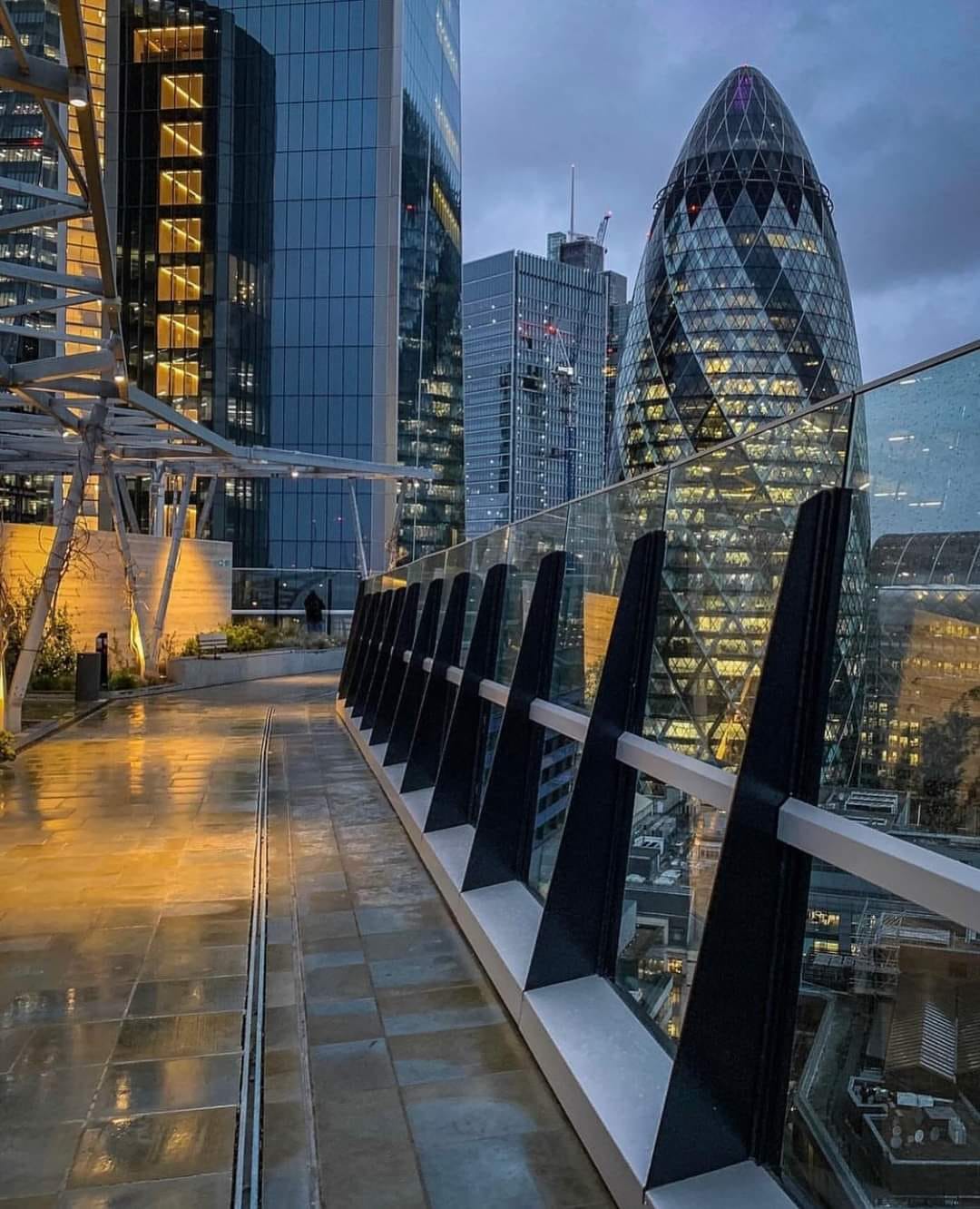

Events
| Name | organizer | Where |
|---|---|---|
| MBCC “Doing Business with Mongolia seminar and Christmas Receptiom” Dec 10. 2025 London UK | MBCCI | London UK Goodman LLC |
NEWS
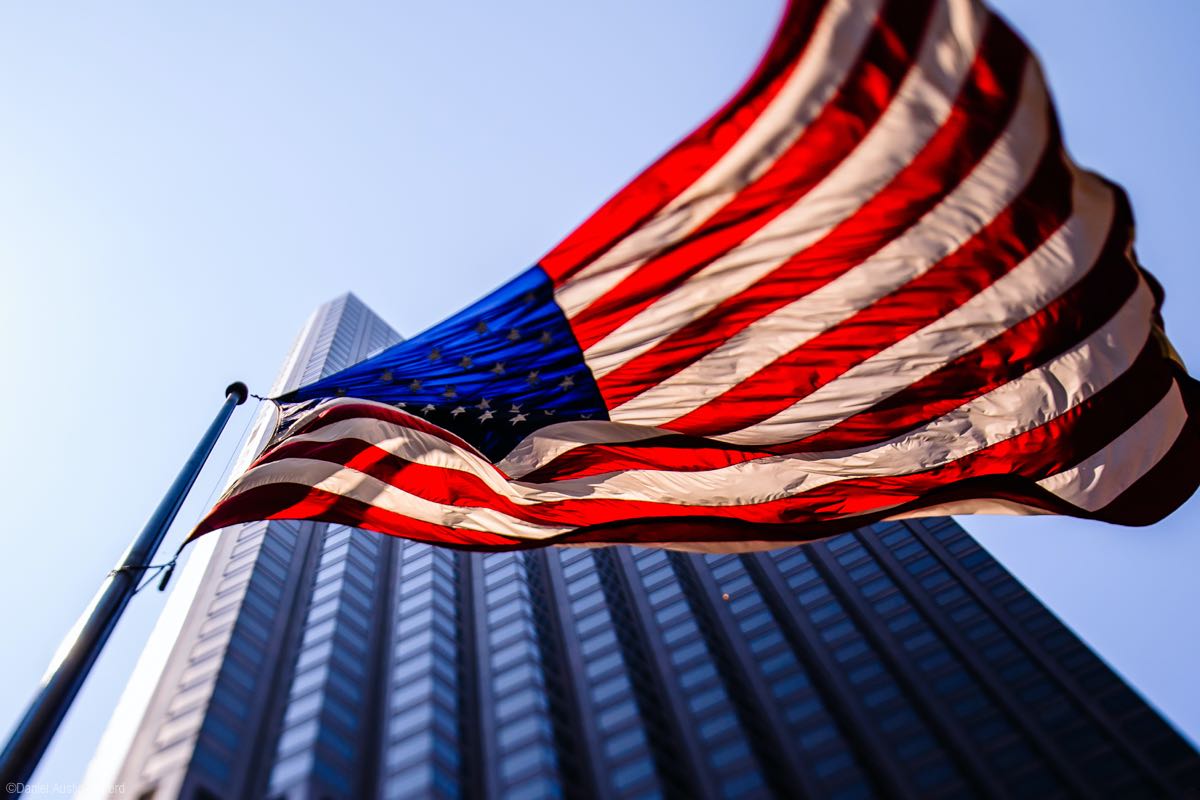
Joint Statement of the United States-Mongolia Trade and Investment Council www.mn.usembassy.gov
The United States and Mongolia convened the seventh meeting of the U.S.-Mongolia Trade and Investment Council, established under the U.S.-Mongolia Trade and Investment Framework Agreement (TIFA), to discuss opportunities for deepening bilateral trade and investment ties between the two countries. The meeting was co-chaired by Terry McCartin, Assistant U.S. Trade Representative, and Sainbuyan Amarsaikhan, Deputy Prime Minister of Mongolia.
During the meeting, the United States and Mongolia welcomed the 36th anniversary of diplomatic relations between the two countries. They also referenced the Joint Statement on the Strategic Third Neighbor Partnership between the United States of America and Mongolia, which was issued earlier this month after Vice President Kamala Harris welcomed Prime Minister Oyun-Erdene Luvsannamsrai to Washington, D.C., as well as the Economic Cooperation Roadmap for the Strategic Third Neighbor Partnership between the Government of Mongolia and the Government of the United States of America.
The United States and Mongolia highlighted the positive role that Trade and Investment Council discussions can play in supporting Mongolia’s efforts to foster its economic development and a prosperous market-based economy. They also discussed a range of bilateral trade and investment issues, including transparency, good regulatory practices, the investment climate, intellectual property rights protection and enforcement, economic diversification, regional initiatives, and trade promotion.
The United States will host the next meeting of the Trade and Investment Council in Washington, D.C.
Background
The U.S.-Mongolia Trade and Investment Council was established pursuant to the TIFA signed by the United States and Mongolia in 2004. It is the primary mechanism for trade and investment discussions between the two countries.
Total bilateral trade in goods was $175 million in 2022. U.S. goods exports to Mongolia in 2022 were $149 million, up 0.2 percent from 2021 but down 78 percent from 2012. Imports of goods from Mongolia were $26.4 million in 2022, a 365 percent increase from 2021. The stock of U. S. foreign direct investment (FDI) in Mongolia was $680 million as of Q1 2023, holding steady over the 2020-2023 period.
By U. S. Embassy Ulaanbaatar | 30 August, 2023 | Topics: Events, News, Press Releases
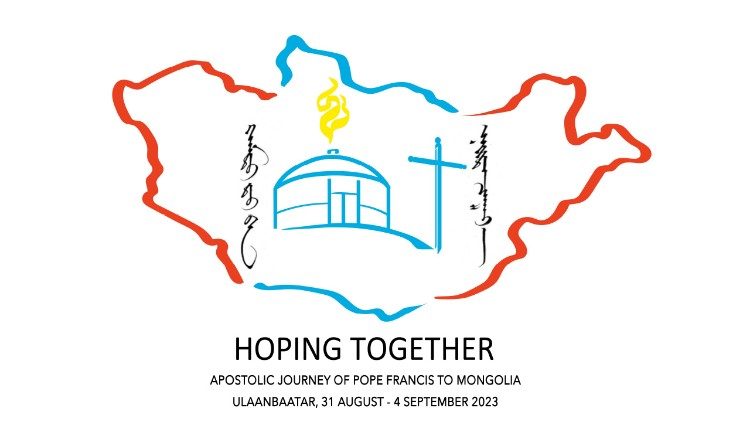
Pope heads to Mongolia to minister to its few Catholics and complete centuries-old East-West mission www.abcnews.go.com
VATICAN CITY -- When Pope Francis travels to Mongolia this week, he will in some ways be completing a mission begun by the 13th-century Pope Innocent IV, who dispatched emissaries east to ascertain the intentions of the rapidly expanding Mongol Empire and beseech its leaders to halt the bloodshed and convert.
Those medieval exchanges between Roman pope and Mongolian khan were full of bellicose demands for submission and conversion, with each side claiming to be acting in the name of God, according to texts of the letters that survive.
But the exchanges also showed mutual respect at a time when the Catholic Church was waging Crusades and the Mongol Empire was conquering lands as far west as Hungary in what would become the largest contiguous land empire in world history.
Some 800 years later, Francis won’t be testing new diplomatic waters or seeking to proselytize Mongolia’s mostly Buddhist people when he arrives in the capital Ulaanbaatar Friday for a four-day visit.
His trip is nevertheless a historic meeting of East and West, the first-ever visit by a Roman pontiff to Mongolia to minister to one of the tiniest, newest Catholic communities in the world.
“In a way, what’s happened is that both sides have moved on,” said Christopher Atwood, professor of Mongolian and Chinese frontier and ethnic history at the University of Pennsylvania. “Once upon a time, it was either/or: Either the world was ruled by the pope, or the world was ruled by the Mongol Empire. And now I think both sides are much more tolerant.”
Officially, there are only 1,450 Catholics in Mongolia and the Catholic Church has only had a sanctioned presence since 1992, after Mongolia shrugged off its Soviet-allied communist government and enshrined religious freedom in its constitution. Francis last year upped the Mongolian church's standing when he made a cardinal out of its leader, the Italian missionary Giorgio Marengo.
“It is amazing (for the pope) to come to a country that is not known to the world for its Catholicism,” said Uugantsetseg Tungalag, a Catholic who works with Mother Teresa’s Missionaries of Charity in a nursing home in the capital. “When the pope visits us, other countries will learn that it has been 30 years since Catholicism came to Mongolia.”
The Mongol Empire under its famed founder Genghis Khan was known for tolerating people of different faiths among those it conquered, and Francis will likely emphasize that tradition of religious coexistence when he presides over an interfaith meeting Sunday. It was after all, one of Genghis Khan's descendants, Kublai Khan, who welcomed Marco Polo into his court in Mongol-ruled China, providing the Venetian merchant with the experiences that would give Europe one of the best written accounts of Asia, its culture, geography and people.
Invited to Francis' interfaith event are Mongolian Buddhists, Jewish, Muslim and Shinto representatives as well as members of Christian churches that have established a presence in Mongolia in the last 30 years, including the Church of Jesus Christ of Latter-Day Saints, which officially claims more than 12,500 members in Mongolia in 22 congregations.
In a message to Mongolians ahead of his visit, Francis emphasized their interfaith traditions and said he was travelling to the “heart of Asia” as a brother to all.
“It is a much-desired visit, which will be an opportunity to embrace a Church that is small in number, but vibrant in faith and great in charity; and also to meet at close quarters a noble, wise people, with a strong religious tradition that I will have the honor of getting to know, especially in the context of an interreligious event,” Francis said Sunday.
Aside from the historic first, Francis’ trip holds great geopolitical import: With Mongolia sandwiched between China and Russia, Francis will be travelling to a region that has long been one of the thorniest for the Holy See to negotiate.
Francis will fly through Chinese airspace in both directions, allowing him a rare opportunity to send an official telegram of greetings to President Xi Jinping at a time when Vatican-Chinese relations are once again strained over the nomination of Chinese bishops.
As Russia’s war in Ukraine and China’s crackdown on religious minorities grind on, Francis will be visiting a relatively neutral player but one that is striving to show its regional importance in the shadow of its two powerful neighbors, said Manduhai Buyandelger, a professor of anthropology at MIT and a Mongolia scholar.
“I think Mongolia is a very safe arena for the pope to land to demonstrate his outreach, as well as to show Mongolia’s belonging on equal stage with the rest of the world,” she said from Ulaanbaatar.
Mongolia’s environmental precariousness, climate shocks and the increasing desertification of its land are likely to be raised by the pope, given he has made combatting climate change and addressing their impacts on vulnerable peoples a priority of his 10-year pontificate.
Mongolia, a vast, landlocked country historically afflicted by weather extremes, is considered to be one of the most affected by climate change. The country has already experienced a 2.1-degree Celsius (3.8-degree Fahrenheit) increase in average temperatures over the past 70 years, and an estimated 77% of its land is degraded because of overgrazing and climate change, according to the U.N. Development Program.
The cycles of dry, hot summers followed by harsh, snowy winters are particularly devastating for Mongolia’s nomadic herders, since their livestock are less able to fatten up on grass in summer before cold winters, said Nicola Di Cosmo, a Mongolian historian and professor of East Asian Studies at the Institute for Advanced Study in Princeton, New Jersey.
“If these events become more and more common and more frequent … this change interferes with this very delicate pastoral economy, which is a delicate balance between the resources of the grassland and the animals using those resources,” Di Cosmo said.
Already, many of Mongolia’s herders, who comprised about a third of the population of 3.3 million, have abandoned their traditional livelihoods to settle around Mongolia’s capital, stressing social services in a country where already nearly 1 in 3 people live in poverty.
More recently, Mongolia has turned to extraction industries, particularly copper, coal, gold, to fuel the economy, which gets more than 90% of its export revenue from minerals. Vatican spokesman Matteo Bruni said Francis would likely refer to this trend in his remarks; Francis has frequently spoken out about the harm caused by extraction industries, particularly on the natural environment and local populations.
Munkh-Erdene Lkhamsuren, a professor of anthropology at the National University of Mongolia, said he hoped Francis would speak out about “predatory” Western mining companies which, he said, together with Mongolian officials, are robbing Mongolia of its natural wealth.
In December, hundreds of people braved freezing cold temperatures in the capital to protest corruption in Mongolia’s trade with China over the alleged theft of 385,000 tons of coal.
The government has declared 2023 to be an “anti-corruption year” and says it is carrying out a five-part plan based on Transparency International, the global anti-graft watchdog that ranked Mongolia 116th last year in its corruption perceptions index.
“It is well known fact that most common Mongolians now see their country as a victim of a neo-colonialism,” Lkhamsuren said.
___
Associated Press journalist Zhang Weiqun in Ulaanbaatar, Mongolia, contributed to this report.
Associated Press religion coverage receives support through the AP’s collaboration with The Conversation US, with funding from Lilly Endowment Inc. The AP is solely responsible for this content.
Mongolian woman eager to welcome Pope Francis keeps up tea-spilling tradition www.reuters.com
ARVAIKHEER, Mongolia, Aug 30 (Reuters) - Perlimaa Gavaadandov offers a tribute to the sky by splashing a cup of freshly boiled milk tea just outside her yurt on the edge of Mongolia's grasslands, following an age-old tradition.
But at the end of her daily morning ritual, the 71-year-old pauses for a brief Christian prayer and crosses herself across the chest.
"For me, I offer this to our god and pray, without losing our culture," said Gavaadandov, who belongs to Mongolia's tiny Catholic minority, which the Church says numbers about 1,450.
It was important to keep alive Mongolian traditions alongside her Catholic faith, she said.
"I also teach my children to preserve this valuable heritage," added Gavaadandov, who wore an orange deel, or traditional silk robe.
With Pope Francis set to arrive on Thursday in Ulaanbaatar, the capital, she and several fellow parishioners hope to greet him and follow his every step until he leaves on Sept. 4.
"I am so excited that he is coming and I’ll get the chance to meet him in person, especially since he is the leader of the Catholic religion," she said. "I can’t wait to see him."
Gavaadandov, who lives on the outskirts of the central city of Arvaikheer, became a Catholic about 18 years ago, soon after a mission set up in her neighbourhood, being drawn initially by her curiosity at the foreigners speaking accented Mongolian.
Once a member of a regional government council during Mongolia’s communist era, Gavaadandov said she found her new faith during a difficult time after suffering a leg injury.
Eventually her leg got better, and she became a devout Catholic. For years, she often attended church services alone, but gradually her family, including her grandchildren and husband, joined her.
Still, the news of Pope Francis’s visit to her landlocked country was completely unexpected.
The nation of about 3.3 million is strategically significant for the Roman Catholic Church because of its proximity to China, where the Vatican is trying to improve the situation of Catholics.
Mongolians' nomadic lifestyle makes it difficult for the mission priests to keep in touch with parishioners, however.
"It is their way of life," said James Mate, a priest at Our Mother of Mercy Mission, where Gavaadandov attends church in a small yurt, or circular domed tent common in central Asia.
"They go upcountry to take care of their animals, to check on their relatives and so forth," added Mate, who originally hails from Kenya and delivers church services in Mongolian at one of just three Catholic parishes outside the capital.
Mongolia has just two native Catholic priests across a total of nine parishes. Arvaikheer has about 55 converts, Mate said.
About 60% of Mongolians identify as religious. Buddhists make up 87.1% of this number, with Muslims accounting for 5.4%, while 4.2% are Shamanist, 2.2% Christian and 1.1% follow other religions, the U.S. State Department says.
Occasionally Gavaadandov finds herself wishing she had come to her new faith sooner.
"Sometimes, I think if I were little younger, I could have converted sooner and met believers around the world and seen lots of nice things," she said.
Reporting by Joseph Campbell; Editing by Clarence Fernandez
Few Catholics in Mongolia, but Pope's visit eyes geopolitics www.afp.com
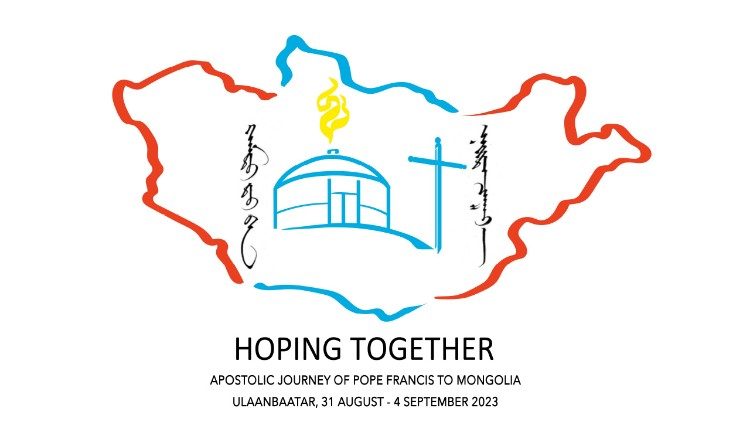
Pope Francis heads to Mongolia this week, an unlikely choice given the isolated nation's small Catholic community, but a strategic one due to the young democracy's geographical position between two superpowers.
In venturing to the sparsely populated, vast Buddhist-majority nation, the pope may eye Mongolia as a way to help build bridges with its neighbours China and Russia, given its strategic location and neutrality in the volatile region.
The trip, which involves a nine-hour flight from Rome on Thursday to the capital of Ulaanbaatar, will also be closely watched as a stamina test for the 86-year-old pope, who underwent hernia surgery in June and suffers pain when walking.
A former Soviet satellite state that has been a democracy since 1992, Mongolia has one of the world's youngest and smallest Catholic communities, estimated at approximately 1,400 people among its population of 3.3 million.
It has just 25 Catholic priests -- only two of them Mongolian -- and 33 nuns, according to the Vatican, although its ranks include the global Church's youngest cardinal.
Pope Francis's trip to rapidly urbanising Ulaanbaatar represents the Jesuit's desire to bring the Church's message to remote, largely ignored areas far from Rome while championing interfaith dialogue.
It will be "the opportunity to embrace a Church small in numbers but vibrant in faith and great in charity," the pope said Sunday.
But the trip, lasting until September 4, also has undeniably geopolitical aims.
The Vatican's long-term thinking is "to retain a presence and openness in countries where that's not an inevitability", Paul Elie, a senior fellow at Georgetown University's Berkley Center for Religion, Peace and World Affairs in Washington, told AFP.
"If going to Mongolia keeps the door open to that whole region, it's an effective visit with relatively few downsides," he said.
'Rediscovery of values'
Once part of the empire of Genghis Khan, landlocked Mongolia is sandwiched between Russia and China, dependent on the former for energy imports and on the latter for the export of its raw materials, primarily coal.
But Mongolia has sought to toe a neutral line with its expansionist neighbours, while reaching for balance among powers including the United States, Japan and South Korea.
That makes Mongolia potentially helpful for Vatican relations with both Beijing, with whom the Holy See last year renewed a deal on the thorny issue of bishop appointments, and Moscow, with which Pope Francis has sought to broker an end to the war in Ukraine.
Mongolia also maintains relations with North Korea.
"It has no disputes with its neighbours -- in Asia that's pretty rare," said Mongolia expert Julian Dierkes, a professor at the University of British Columbia.
"And it's really the only post-Socialist democracy in Asia, all the others have fallen by the wayside."
That has spurred a "rediscovery of values" between democratic nations and Mongolia, he said, amid rising Russian aggression and concern over an unchecked China.
First papal visit
The first pope to visit Mongolia, the pontiff arrives Friday morning but will have a day of rest before formal meetings Saturday, including with Prime Minister Luvsannamsrai Oyun-Erdene, members of civil society, diplomats, priests and missionaries.
On Sunday, he will address an interreligious meeting -- one of five public addresses scheduled -- and preside over a mass inside a newly built ice hockey arena.
He is not scheduled to venture outside Ulaanbaatar, where a decade-long mining windfall has fuelled a construction boom.
Pope Francis may use his trip to address his concerns about the impacts of climate change, which along with mining and overgrazing is fuelling desertification across swathes of Mongolia's territory.
Extreme weather, from severe floods to drought and sandstorms, has killed off herds on the vast grasslands, forcing nomads who make up one-third of the population to migrate to Ulaanbaatar.
Shantytowns inhabited by displaced nomads now surround the capital.
In December, protests broke out over a coal industry corruption scandal, exacerbated by ongoing popular discontent over a weak economy and high inflation tied to Covid and the Ukraine war.
Youngest cardinal
The pope's visit follows a flurry of diplomatic activity for Mongolia in recent months, including Luvsannamsrai's visit to Washington this month and a visit by French President Emmanuel Macron in June.
A Mongolian delegation of Buddhist monks and Catholic priests visited the Vatican last year to mark the 30th anniversary of diplomatic relations between the Holy See and Mongolia.
It was led by Italian Cardinal Giorgio Marengo, who at 49 is the Church's youngest cardinal, appointed by Pope Francis last year.
As the apostolic prefect of Ulaanbaatar, the missionary who has worked for 20 years in Mongolia -- helping establish the first church in a "ger", the nomads' traditional round tents -- is the country's highest-ranking Catholic official.
JICA signs protocol of discussion on technical cooperation project with Mongolia www.akipress.com
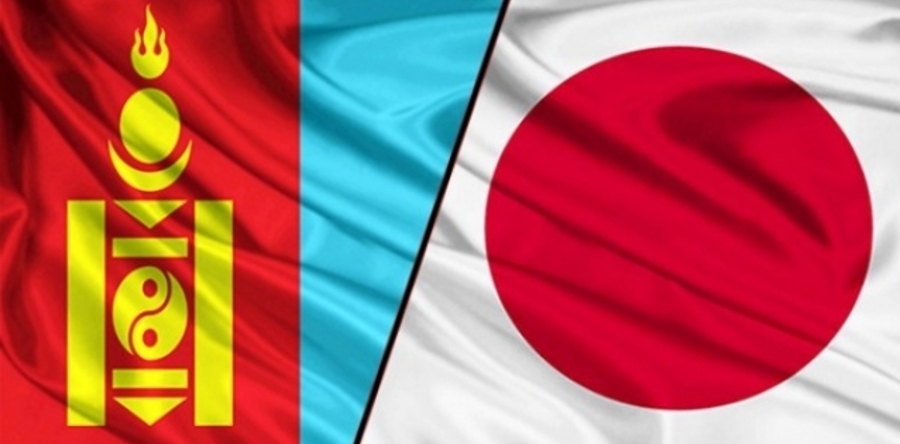
The Japan International Cooperation Agency (JICA) signed a protocol of discussion with the government of Mongolia on a technical cooperation project on tax administration capacity development using big data in Ulaanbaatar on August 15.
Mongolia has a fragile fiscal base as its economy is heavily dependent on external factors such as international resource prices. Ensuring stable budget revenues and strengthening the capacity of tax administration have become urgent issues within the country.
This project will develop a big data-driven risk analysis model to identify issues such as taxpayers at high risk of underreporting, enabling an efficient tax administration process to be implemented.
The project will help improve the efficiency of tax administration in the country by developing Mongolia's big data capabilities and improving the administrative process. It will also contribute to the achievement of the Sustainable Development Goals on decent work and economic growth, reducing inequalities and partnership to achieve the goals.
Irrigation systems to be introduced on 7,000 hectares in 8 provinces of Mongolia www.akipress.com
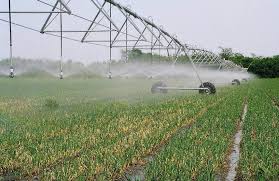
The Ministry of Food, Agriculture and Light Industry is implementing the vegetable and irrigated agriculture project with funding from the Asian Development Bank in 2020-2026.
7,000 hectares of land will be introduced into irrigated crop rotation through the modernization of 4 irrigation systems of 18 districts of local ownership, research institutions in 8 provinces.
50 billion tugriks have been invested in the construction of irrigation systems capable of irrigating a total of 3,031 hectares in 10 districts of 7 provinces, including Bayan-Olgii, Govi-Altai, Zavkhan, Selenge, Tov, Khovd and Khentii.
More than 3,500 families of farmers will produce an average of 8,000 tons of vegetables and 90,000 tons of livestock feed per year after the creation of engineered irrigation systems.
The number of irrigated crops will increase by 10-12%, which will help protect agricultural production from risks and ensure food stability in the face of climate change, drought and warming.
Why Switzerland is ending development aid to Mongolia www.swissinfo.ch
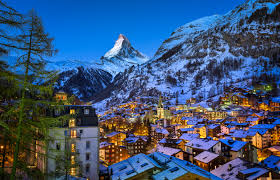
After promoting sustainable livestock farming and education for two decades, the Swiss Agency for Development and Cooperation (SDC) will discontinue its programme in Mongolia at the end of 2024. This is in line with the new direction of its foreign policy.
The SDC opened its cooperation office in Mongolia’s capital Ulaanbaatar in 2004, three years after it had launched its assistance programme in the landlocked Asian country. Switzerland’s assistance aimed to promote sustainable livestock farming and food security.
Nomadic livestock farming is of great cultural, societal and economic significance in Mongolia. Around 110 million hectares or 70% of the country, which is almost 38 times larger than Switzerland, is covered in grassland - and intact grassland is the most important livelihood for the nomads. It is called “Green Gold” in Mongolia.
The heavy use of pastures and the effects of climate change are extremely challenging for Mongolia. The number of livestock, particularly goats, has increased considerably over the last few decades, which is partially due to the rising demand for cashmere wool. However, the heavy use and frequent overuse of the land reduces the biodiversity and leads to the desertification of the land.
Together with the nomads, Mongolian authorities and other partners, the SDC launched the “Green Gold and Animal Health” project in 2004. Based on agreements with local authorities, the nomads have committed to cultivate the land communally and sustainably.
According to indicators, such as the number and type of plants, it was determined which zones should be opened for grazing and which ones should be protected. So far, more than 92,000 nomad families have made a contractual commitment to sustainable rangeland management which now covers half of the entire grazing land.
“Switzerland has played a significant role in rehabilitating more than 20 million hectares of fallow grazing land within 15 years. This is almost five times the size of Switzerland,” says Stefanie Burri, head of the SDC cooperation office and Swiss consul in Mongolia.
At the same time, Switzerland also contributed to reduce desertification. The project, which has now come to an end, has also proved successful in rolling out a digital system for tracking animal products. It aims to provide information on hygiene and food security.
The project also helped set up more than 76 nomadic cooperatives across the country which manufacture and sell products under their own label dubbed “Responsible Nomads”. Burri believes in the success of this concept. The internationally renowned Mongolian rock band “The Hu”, for example, produces its leather merchandise under this brand.
The “Responsible Nomad” label also banks on innovation. Yaks are traditionally used as pack animals in Mongolia which means their hair and leather are considered low quality. However, the project has developed a special type of comb to extract good quality yak wool which can be used for scarves, jumpers or blankets. And a new start-up in the capital Ulaanbaatar produces handmade footballs from yak leather.
In the food security sector, the SDC supported a state-run research project which developed a climate-resistant potato variety. Thanks to this project, Mongolia is now able to meet its own demand for potatoes and does not have to import them from China. The quality of seeds has also been improved which means that more carrots, cabbages and beetroot are now planted.
Democratic reforms and scholarships
The SDC’s budget between 2022 and 2024 stands at CHF 8.2 million which is significantly less than the CHF 46.4 million for the period between 2018 and 2021. The funds are allocated for projects on good governance, climate change and the environment as well as inclusive economic development. The SDC also worked on decentralisation and democratic reforms in Mongolia. For example, it helped push through a new law to increase the financial power of local governments by allocating 40% of the [national] tax revenues to them. Furthermore, Mongolians can now initiate motions and resolutions which are discussed in the local councils.
Since 2017, Switzerland has supported the Secretariat of Mongolia’s parliament (State Great Hural) by providing training and promoting parliamentarian oversight. The Secretariat offers advice during all stages of the legislative process.
“The cooperation between the Secretariat of the Great Hural and the SDC has significantly contributed to the promotion of parliamentary democracy in Mongolia,” says Luvsandorj Ulziisaikhan, Secretary General of Mongolia’s parliament. He points out that the number of citizens participating in the democratic process has grown, and local governance has improved.
The SDC initiated an exchange with regular visits by Mongolian parliamentarians in Switzerland and vice versa. The visits are due to continue beyond 2024.
Switzerland also provided support for vocational training and the establishment of start-up companies. For years, it has worked with the Zorig Foundation (ZF), a Mongolian non-governmental organisation (NGO) which offers scholarships for disadvantaged students. The SDC funded almost half of the 2,900 scholarships, 60% of which were given to women.
“The high employment rate of scholars is a clear sign that investing in talented young people who cannot afford a university degree has a lasting [positive] impact on their careers and livelihoods,” says the foundation’s director Tsolmon Bayar.
Swiss foreign policy’s new direction
The strategy for international cooperation 2021-2024 aims to concentrate more on fragile contexts. For this reason, the SDC decided to end its bilateral development cooperation with 11 of the 46 countries as of the end of 2024. Mongolia is one of these countries.
Critics in Switzerland view this move as a paradigm shift from humanitarian work to a type of development cooperation that is motivated by Swiss foreign policy to influence migration flows.
The human resources in Mongolia are gradually being reduced. The number of SDC employees in Mongolia has dropped from 28 in 2020 to currently 12. The organisation has handed over its projects to the national and local governments as well as to research institutes and universities in the country.
All partners of the projects had been involved in the projects in the past and either contributed financially or provided infrastructure which has paid off: the projects are due to continue even after the SDC has closed its programmes in Mongolia. “It is important to pass laws that provide local authorities with budgets for such projects,” says Burri.
Need for reforms
Switzerland will continue to be represented in Mongolia, albeit more indirectly. It will cooperate with institutions like the Asian Development Bank, the World Bank and UN agencies such as the UN Development Programme (UNDP).
“The biggest challenge Mongolia faces is climate change,” says Burri. The desertification of the country is increasingly visible. Half of the 3.5 million people now live in the capital Ulaanbaatar; youth unemployment is high at 19%; and the government is heavily indebted.”
Mongolia still deeply relies on exporting raw materials. Most of the country’s revenues are generated through mining coal, copper, uranium, gold and in the future also rare earths. Mongolia exports gold worth CHF1 billion to Switzerland alone per year.
The government currently promotes the processing of products. Mongolia wants to expand its solar and wind energy infrastructure with the goal to replace coal as an energy source by 2050.
Swiss Mongolian partnership continues
Next year, Switzerland and Mongolia will celebrate the 60th anniversary of their diplomatic relations. Burri thinks that this long partnership has created trust and offers the opportunity for new joint activities. “While one stage comes to an end, new doors open.”
The exhibition of the Rietberg Museum in Zurich is one such example. Together with the Mongolian Ministry of Culture, the museum wants to stage an exhibition on Mongolia’s urbanisation in 2025. And the Geneva Centre for Security Policy (GCSP) wants to establish a regional hub for training defence attachés in Ulaanbaatar.
Translated by Billi Bierling
Five Things To Know About Mongolia www.afp.com
Pope Francis is set to visit Mongolia and tour the Buddhist-majority nation's capital at the government's invitation this week, becoming the first pontiff to set foot there.
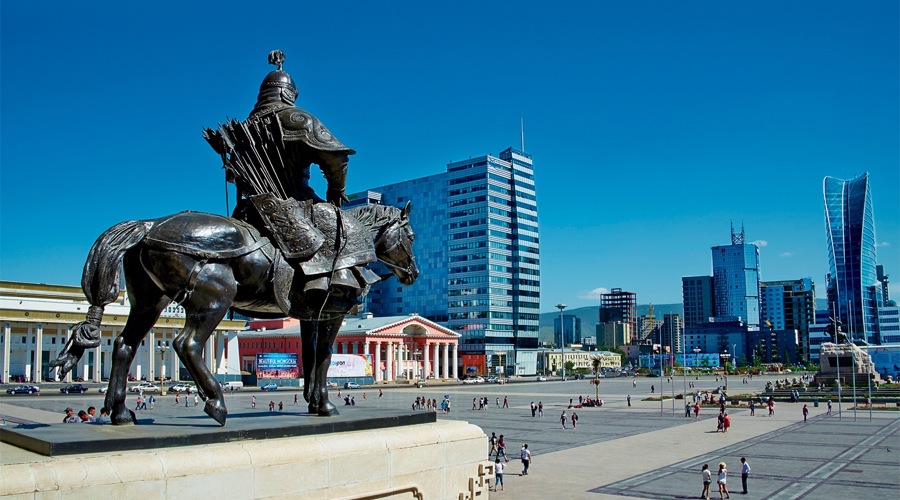
Here are five things to know about Mongolia:
Landlocked Mongolia is sandwiched between Russia and China, with which it has close economic ties.
Unlike its massive neighbours, Mongolia is democratically governed, with the US-based advocacy group Freedom House describing the country's political system as "free", albeit saddled with widespread corruption.
Mongolia's head of state is President Ukhnaagiin Khurelsukh, a former prime minister and member of the ruling party elected to his current office in 2021.
Despite their differences, Ulaanbaatar has been careful not to upset the regional powers.
Eighty-six percent of Mongolia's total exports go to China, half of which is coal.
And Mongolia is among a handful of countries that have not explicitly condemned Russia's invasion of Ukraine.
Traditionally dependent on agriculture, the country has experienced rapid economic growth on the back of a mining boom.
Profits from coal made up a quarter of Mongolia's gross domestic product in 2022.
Mongolia is also a major exporter of copper and iron ore.
Its capital Ulaanbaatar's population has quadrupled since the 1990s, with skyscrapers sprouting up across the sprawling city.
But poverty reduction in the middle-income country has stalled in recent years and economic inequality remains high.
And the women's employment rate has dropped from 72 percent in 1992 to 53 percent, largely due to a lack of childcare options.
The once-Communist nation enshrined its first democratic constitution in 1992, when it emerged from the Soviet orbit after a popular revolution two years earlier.
It is still heavily reliant on Russian fuel, and nostalgia for Soviet times remains strong in some quarters.
But the country has sought to distance itself from its recent past, tearing down statues of Stalin and Lenin and instead turning to celebrations of Genghis Khan, who led history's largest contiguous land empire in the 13th century.
Mongolia's government adopted the Cyrillic alphabet eight decades ago when it was ruled by the Soviet-dominated regime, but now it is also backing the revival of the traditional Hudum script following a surge of interest in the nation's cultural heritage.
The country's landscape is dominated by high-altitude grasslands and populated by just over three million residents spread across an area three times the size of France.
Its people have historically been nomadic, with one-third of the population still living in communities characterised by portable yurt dwellings.
Mongolia's steppes are home to the rare Przewalski's horse, an ancient equine subspecies brought back in recent years from the brink of extinction through breeding programmes at zoos worldwide.
Mongolia has one of the world's smallest Catholic communities, estimated at just 1,500 people.
Buddhism has returned to prominence after it was suppressed under Communist rule, with over half of the population now identifying as Buddhist, according to official figures.
Deep-rooted shamanist practices are also influential in the country, with traditional rituals featuring in major festivals.
Winter Preparation of Heat Supply System at 90 Percent www.montsame.mn
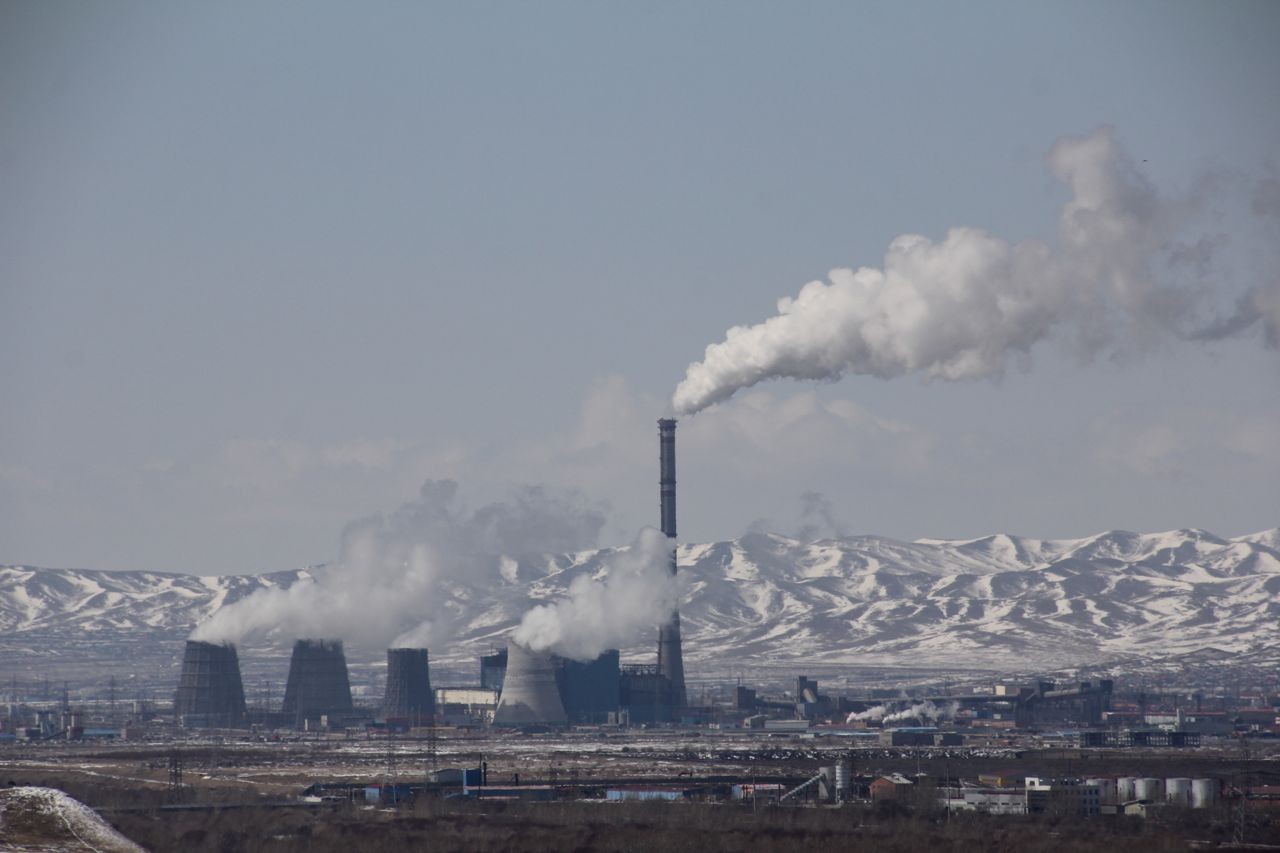
Ulaanbaatar Heating Network state-owned JSC transmits heating from four power plants of the capital city to consumers through 370 km thermal lines. In the 2023-2024 heating season, the company will deliver 3,501 kcal of thermal energy to 13,400 buildings and facilities.
In accordance with the master and regular repair plans approved this year, comprehensive repair and maintenance are being conducted on 15 trunk and branch lines' equipment. In respect of the plan implementation, the repair of the central trunk line has been completed, the repair of electrical equipment of pump stations is at 95 percent, and consumer line equipment work is at 73 percent. In other words, the preparation of the heat supply equipment has been accomplished at 90 percent.
The landscaping related to the renovation of the heating network, which is financed by the World Bank, will be completed by September 4, said the Executive Director of Ulaanbaatar Heating Network JSC G. Bayarsaikhan.
Rio Tinto-First Quantum JV to develop massive copper project in Peru www.mining.com
Rio Tinto (ASX, LON: RIO) and First Quantum Minerals (TSX: FM) have formed a joint venture that will focus on moving to development the La Granja copper project in Peru, which is described by the new partners as one of the world’s largest undeveloped deposits of the metal.
After paying $105 million to Rio Tinto, First Quantum now owns a 55% stake in the project and has become its operator. The Canadian miner has committed to further invest up to $546 million into La Granja, part of which will be used to complete a feasibility study over the next two to three years.
The remaining balance of the initial funding will be allocated to construction, provided that the partners decided to move forward with the project.
La Granja is a complex undertaking as it is located at an altitude of between 2,000 and 2,800 metres in the province of Cajamara, northern Peru.
Previously published reserve totals set the indicated and inferred mineral resource at 4.32 billion tonnes at 0.51% copper, and show potential for substantial expansion.
“La Granja has the potential to be a large, long-life operation and supply the copper that will be needed as the world transitions to the greener economy,” Tristan Pascall, chief executive of First Quantum, said in a statement.
“Developing La Granja would provide a significant new supply of copper and further strengthen Rio Tinto’s portfolio of materials needed for the energy transition,” said Bold Baatar, Rio Tinto’s copper boss.
Baatar added that developing La Granja would provide a significant new supply of copper and further strengthen the company’s portfolio of materials needed for the energy transition.
Rio Tinto-First Quantum JV to develop massive copper project in Peru
Graphic from First Quantum’s presentation.
The world’s second largest miner has been systematically adding copper assets to its portfolio and to the global supply of the metal. Following the acquisition of Turquoise Hill Resources, the company began underground mining at the vast Oyu Tolgoi in Mongolia.
Rio Tinto acquired the La Granja Project from Peru’s government in 2006 and carried out an extensive drilling program that significantly expanded the declared resource and understanding of the orebody. The miner has also established partnerships with host communities and local and national governments.
- «
- 1
- 2
- 3
- 4
- 5
- 6
- 7
- 8
- 9
- 10
- 11
- 12
- 13
- 14
- 15
- 16
- 17
- 18
- 19
- 20
- 21
- 22
- 23
- 24
- 25
- 26
- 27
- 28
- 29
- 30
- 31
- 32
- 33
- 34
- 35
- 36
- 37
- 38
- 39
- 40
- 41
- 42
- 43
- 44
- 45
- 46
- 47
- 48
- 49
- 50
- 51
- 52
- 53
- 54
- 55
- 56
- 57
- 58
- 59
- 60
- 61
- 62
- 63
- 64
- 65
- 66
- 67
- 68
- 69
- 70
- 71
- 72
- 73
- 74
- 75
- 76
- 77
- 78
- 79
- 80
- 81
- 82
- 83
- 84
- 85
- 86
- 87
- 88
- 89
- 90
- 91
- 92
- 93
- 94
- 95
- 96
- 97
- 98
- 99
- 100
- 101
- 102
- 103
- 104
- 105
- 106
- 107
- 108
- 109
- 110
- 111
- 112
- 113
- 114
- 115
- 116
- 117
- 118
- 119
- 120
- 121
- 122
- 123
- 124
- 125
- 126
- 127
- 128
- 129
- 130
- 131
- 132
- 133
- 134
- 135
- 136
- 137
- 138
- 139
- 140
- 141
- 142
- 143
- 144
- 145
- 146
- 147
- 148
- 149
- 150
- 151
- 152
- 153
- 154
- 155
- 156
- 157
- 158
- 159
- 160
- 161
- 162
- 163
- 164
- 165
- 166
- 167
- 168
- 169
- 170
- 171
- 172
- 173
- 174
- 175
- 176
- 177
- 178
- 179
- 180
- 181
- 182
- 183
- 184
- 185
- 186
- 187
- 188
- 189
- 190
- 191
- 192
- 193
- 194
- 195
- 196
- 197
- 198
- 199
- 200
- 201
- 202
- 203
- 204
- 205
- 206
- 207
- 208
- 209
- 210
- 211
- 212
- 213
- 214
- 215
- 216
- 217
- 218
- 219
- 220
- 221
- 222
- 223
- 224
- 225
- 226
- 227
- 228
- 229
- 230
- 231
- 232
- 233
- 234
- 235
- 236
- 237
- 238
- 239
- 240
- 241
- 242
- 243
- 244
- 245
- 246
- 247
- 248
- 249
- 250
- 251
- 252
- 253
- 254
- 255
- 256
- 257
- 258
- 259
- 260
- 261
- 262
- 263
- 264
- 265
- 266
- 267
- 268
- 269
- 270
- 271
- 272
- 273
- 274
- 275
- 276
- 277
- 278
- 279
- 280
- 281
- 282
- 283
- 284
- 285
- 286
- 287
- 288
- 289
- 290
- 291
- 292
- 293
- 294
- 295
- 296
- 297
- 298
- 299
- 300
- 301
- 302
- 303
- 304
- 305
- 306
- 307
- 308
- 309
- 310
- 311
- 312
- 313
- 314
- 315
- 316
- 317
- 318
- 319
- 320
- 321
- 322
- 323
- 324
- 325
- 326
- 327
- 328
- 329
- 330
- 331
- 332
- 333
- 334
- 335
- 336
- 337
- 338
- 339
- 340
- 341
- 342
- 343
- 344
- 345
- 346
- 347
- 348
- 349
- 350
- 351
- 352
- 353
- 354
- 355
- 356
- 357
- 358
- 359
- 360
- 361
- 362
- 363
- 364
- 365
- 366
- 367
- 368
- 369
- 370
- 371
- 372
- 373
- 374
- 375
- 376
- 377
- 378
- 379
- 380
- 381
- 382
- 383
- 384
- 385
- 386
- 387
- 388
- 389
- 390
- 391
- 392
- 393
- 394
- 395
- 396
- 397
- 398
- 399
- 400
- 401
- 402
- 403
- 404
- 405
- 406
- 407
- 408
- 409
- 410
- 411
- 412
- 413
- 414
- 415
- 416
- 417
- 418
- 419
- 420
- 421
- 422
- 423
- 424
- 425
- 426
- 427
- 428
- 429
- 430
- 431
- 432
- 433
- 434
- 435
- 436
- 437
- 438
- 439
- 440
- 441
- 442
- 443
- 444
- 445
- 446
- 447
- 448
- 449
- 450
- 451
- 452
- 453
- 454
- 455
- 456
- 457
- 458
- 459
- 460
- 461
- 462
- 463
- 464
- 465
- 466
- 467
- 468
- 469
- 470
- 471
- 472
- 473
- 474
- 475
- 476
- 477
- 478
- 479
- 480
- 481
- 482
- 483
- 484
- 485
- 486
- 487
- 488
- 489
- 490
- 491
- 492
- 493
- 494
- 495
- 496
- 497
- 498
- 499
- 500
- 501
- 502
- 503
- 504
- 505
- 506
- 507
- 508
- 509
- 510
- 511
- 512
- 513
- 514
- 515
- 516
- 517
- 518
- 519
- 520
- 521
- 522
- 523
- 524
- 525
- 526
- 527
- 528
- 529
- 530
- 531
- 532
- 533
- 534
- 535
- 536
- 537
- 538
- 539
- 540
- 541
- 542
- 543
- 544
- 545
- 546
- 547
- 548
- 549
- 550
- 551
- 552
- 553
- 554
- 555
- 556
- 557
- 558
- 559
- 560
- 561
- 562
- 563
- 564
- 565
- 566
- 567
- 568
- 569
- 570
- 571
- 572
- 573
- 574
- 575
- 576
- 577
- 578
- 579
- 580
- 581
- 582
- 583
- 584
- 585
- 586
- 587
- 588
- 589
- 590
- 591
- 592
- 593
- 594
- 595
- 596
- 597
- 598
- 599
- 600
- 601
- 602
- 603
- 604
- 605
- 606
- 607
- 608
- 609
- 610
- 611
- 612
- 613
- 614
- 615
- 616
- 617
- 618
- 619
- 620
- 621
- 622
- 623
- 624
- 625
- 626
- 627
- 628
- 629
- 630
- 631
- 632
- 633
- 634
- 635
- 636
- 637
- 638
- 639
- 640
- 641
- 642
- 643
- 644
- 645
- 646
- 647
- 648
- 649
- 650
- 651
- 652
- 653
- 654
- 655
- 656
- 657
- 658
- 659
- 660
- 661
- 662
- 663
- 664
- 665
- 666
- 667
- 668
- 669
- 670
- 671
- 672
- 673
- 674
- 675
- 676
- 677
- 678
- 679
- 680
- 681
- 682
- 683
- 684
- 685
- 686
- 687
- 688
- 689
- 690
- 691
- 692
- 693
- 694
- 695
- 696
- 697
- 698
- 699
- 700
- 701
- 702
- 703
- 704
- 705
- 706
- 707
- 708
- 709
- 710
- 711
- 712
- 713
- 714
- 715
- 716
- 717
- 718
- 719
- 720
- 721
- 722
- 723
- 724
- 725
- 726
- 727
- 728
- 729
- 730
- 731
- 732
- 733
- 734
- 735
- 736
- 737
- 738
- 739
- 740
- 741
- 742
- 743
- 744
- 745
- 746
- 747
- 748
- 749
- 750
- 751
- 752
- 753
- 754
- 755
- 756
- 757
- 758
- 759
- 760
- 761
- 762
- 763
- 764
- 765
- 766
- 767
- 768
- 769
- 770
- 771
- 772
- 773
- 774
- 775
- 776
- 777
- 778
- 779
- 780
- 781
- 782
- 783
- 784
- 785
- 786
- 787
- 788
- 789
- 790
- 791
- 792
- 793
- 794
- 795
- 796
- 797
- 798
- 799
- 800
- 801
- 802
- 803
- 804
- 805
- 806
- 807
- 808
- 809
- 810
- 811
- 812
- 813
- 814
- 815
- 816
- 817
- 818
- 819
- 820
- 821
- 822
- 823
- 824
- 825
- 826
- 827
- 828
- 829
- 830
- 831
- 832
- 833
- 834
- 835
- 836
- 837
- 838
- 839
- 840
- 841
- 842
- 843
- 844
- 845
- 846
- 847
- 848
- 849
- 850
- 851
- 852
- 853
- 854
- 855
- 856
- 857
- 858
- 859
- 860
- 861
- 862
- 863
- 864
- 865
- 866
- 867
- 868
- 869
- 870
- 871
- 872
- 873
- 874
- 875
- 876
- 877
- 878
- 879
- 880
- 881
- 882
- 883
- 884
- 885
- 886
- 887
- 888
- 889
- 890
- 891
- 892
- 893
- 894
- 895
- 896
- 897
- 898
- 899
- 900
- 901
- 902
- 903
- 904
- 905
- 906
- 907
- 908
- 909
- 910
- 911
- 912
- 913
- 914
- 915
- 916
- 917
- 918
- 919
- 920
- 921
- 922
- 923
- 924
- 925
- 926
- 927
- 928
- 929
- 930
- 931
- 932
- 933
- 934
- 935
- 936
- 937
- 938
- 939
- 940
- 941
- 942
- 943
- 944
- 945
- 946
- 947
- 948
- 949
- 950
- 951
- 952
- 953
- 954
- 955
- 956
- 957
- 958
- 959
- 960
- 961
- 962
- 963
- 964
- 965
- 966
- 967
- 968
- 969
- 970
- 971
- 972
- 973
- 974
- 975
- 976
- 977
- 978
- 979
- 980
- 981
- 982
- 983
- 984
- 985
- 986
- 987
- 988
- 989
- 990
- 991
- 992
- 993
- 994
- 995
- 996
- 997
- 998
- 999
- 1000
- 1001
- 1002
- 1003
- 1004
- 1005
- 1006
- 1007
- 1008
- 1009
- 1010
- 1011
- 1012
- 1013
- 1014
- 1015
- 1016
- 1017
- 1018
- 1019
- 1020
- 1021
- 1022
- 1023
- 1024
- 1025
- 1026
- 1027
- 1028
- 1029
- 1030
- 1031
- 1032
- 1033
- 1034
- 1035
- 1036
- 1037
- 1038
- 1039
- 1040
- 1041
- 1042
- 1043
- 1044
- 1045
- 1046
- 1047
- 1048
- 1049
- 1050
- 1051
- 1052
- 1053
- 1054
- 1055
- 1056
- 1057
- 1058
- 1059
- 1060
- 1061
- 1062
- 1063
- 1064
- 1065
- 1066
- 1067
- 1068
- 1069
- 1070
- 1071
- 1072
- 1073
- 1074
- 1075
- 1076
- 1077
- 1078
- 1079
- 1080
- 1081
- 1082
- 1083
- 1084
- 1085
- 1086
- 1087
- 1088
- 1089
- 1090
- 1091
- 1092
- 1093
- 1094
- 1095
- 1096
- 1097
- 1098
- 1099
- 1100
- 1101
- 1102
- 1103
- 1104
- 1105
- 1106
- 1107
- 1108
- 1109
- 1110
- 1111
- 1112
- 1113
- 1114
- 1115
- 1116
- 1117
- 1118
- 1119
- 1120
- 1121
- 1122
- 1123
- 1124
- 1125
- 1126
- 1127
- 1128
- 1129
- 1130
- 1131
- 1132
- 1133
- 1134
- 1135
- 1136
- 1137
- 1138
- 1139
- 1140
- 1141
- 1142
- 1143
- 1144
- 1145
- 1146
- 1147
- 1148
- 1149
- 1150
- 1151
- 1152
- 1153
- 1154
- 1155
- 1156
- 1157
- 1158
- 1159
- 1160
- 1161
- 1162
- 1163
- 1164
- 1165
- 1166
- 1167
- 1168
- 1169
- 1170
- 1171
- 1172
- 1173
- 1174
- 1175
- 1176
- 1177
- 1178
- 1179
- 1180
- 1181
- 1182
- 1183
- 1184
- 1185
- 1186
- 1187
- 1188
- 1189
- 1190
- 1191
- 1192
- 1193
- 1194
- 1195
- 1196
- 1197
- 1198
- 1199
- 1200
- 1201
- 1202
- 1203
- 1204
- 1205
- 1206
- 1207
- 1208
- 1209
- 1210
- 1211
- 1212
- 1213
- 1214
- 1215
- 1216
- 1217
- 1218
- 1219
- 1220
- 1221
- 1222
- 1223
- 1224
- 1225
- 1226
- 1227
- 1228
- 1229
- 1230
- 1231
- 1232
- 1233
- 1234
- 1235
- 1236
- 1237
- 1238
- 1239
- 1240
- 1241
- 1242
- 1243
- 1244
- 1245
- 1246
- 1247
- 1248
- 1249
- 1250
- 1251
- 1252
- 1253
- 1254
- 1255
- 1256
- 1257
- 1258
- 1259
- 1260
- 1261
- 1262
- 1263
- 1264
- 1265
- 1266
- 1267
- 1268
- 1269
- 1270
- 1271
- 1272
- 1273
- 1274
- 1275
- 1276
- 1277
- 1278
- 1279
- 1280
- 1281
- 1282
- 1283
- 1284
- 1285
- 1286
- 1287
- 1288
- 1289
- 1290
- 1291
- 1292
- 1293
- 1294
- 1295
- 1296
- 1297
- 1298
- 1299
- 1300
- 1301
- 1302
- 1303
- 1304
- 1305
- 1306
- 1307
- 1308
- 1309
- 1310
- 1311
- 1312
- 1313
- 1314
- 1315
- 1316
- 1317
- 1318
- 1319
- 1320
- 1321
- 1322
- 1323
- 1324
- 1325
- 1326
- 1327
- 1328
- 1329
- 1330
- 1331
- 1332
- 1333
- 1334
- 1335
- 1336
- 1337
- 1338
- 1339
- 1340
- 1341
- 1342
- 1343
- 1344
- 1345
- 1346
- 1347
- 1348
- 1349
- 1350
- 1351
- 1352
- 1353
- 1354
- 1355
- 1356
- 1357
- 1358
- 1359
- 1360
- 1361
- 1362
- 1363
- 1364
- 1365
- 1366
- 1367
- 1368
- 1369
- 1370
- 1371
- 1372
- 1373
- 1374
- 1375
- 1376
- 1377
- 1378
- 1379
- 1380
- 1381
- 1382
- 1383
- 1384
- 1385
- 1386
- 1387
- 1388
- 1389
- 1390
- 1391
- 1392
- 1393
- 1394
- 1395
- 1396
- 1397
- 1398
- 1399
- 1400
- 1401
- 1402
- 1403
- 1404
- 1405
- 1406
- 1407
- 1408
- 1409
- 1410
- 1411
- 1412
- 1413
- 1414
- 1415
- 1416
- 1417
- 1418
- 1419
- 1420
- 1421
- 1422
- 1423
- 1424
- 1425
- 1426
- 1427
- 1428
- 1429
- 1430
- 1431
- 1432
- 1433
- 1434
- 1435
- 1436
- 1437
- 1438
- 1439
- 1440
- 1441
- 1442
- 1443
- 1444
- 1445
- 1446
- 1447
- 1448
- 1449
- 1450
- 1451
- 1452
- 1453
- 1454
- 1455
- 1456
- 1457
- 1458
- 1459
- 1460
- 1461
- 1462
- 1463
- 1464
- 1465
- 1466
- 1467
- 1468
- 1469
- 1470
- 1471
- 1472
- 1473
- 1474
- 1475
- 1476
- 1477
- 1478
- 1479
- 1480
- 1481
- 1482
- 1483
- 1484
- 1485
- 1486
- 1487
- 1488
- 1489
- 1490
- 1491
- 1492
- 1493
- 1494
- 1495
- 1496
- 1497
- 1498
- 1499
- 1500
- 1501
- 1502
- 1503
- 1504
- 1505
- 1506
- 1507
- 1508
- 1509
- 1510
- 1511
- 1512
- 1513
- 1514
- 1515
- 1516
- 1517
- 1518
- 1519
- 1520
- 1521
- 1522
- 1523
- 1524
- 1525
- 1526
- 1527
- 1528
- 1529
- 1530
- 1531
- 1532
- 1533
- 1534
- 1535
- 1536
- 1537
- 1538
- 1539
- 1540
- 1541
- 1542
- 1543
- 1544
- 1545
- 1546
- 1547
- 1548
- 1549
- 1550
- 1551
- 1552
- 1553
- 1554
- 1555
- 1556
- 1557
- 1558
- 1559
- 1560
- 1561
- 1562
- 1563
- 1564
- 1565
- 1566
- 1567
- 1568
- 1569
- 1570
- 1571
- 1572
- 1573
- 1574
- 1575
- 1576
- 1577
- 1578
- 1579
- 1580
- 1581
- 1582
- 1583
- 1584
- 1585
- 1586
- 1587
- 1588
- 1589
- 1590
- 1591
- 1592
- 1593
- 1594
- 1595
- 1596
- 1597
- 1598
- 1599
- 1600
- 1601
- 1602
- 1603
- 1604
- 1605
- 1606
- 1607
- 1608
- 1609
- 1610
- 1611
- 1612
- 1613
- 1614
- 1615
- 1616
- 1617
- 1618
- 1619
- 1620
- 1621
- 1622
- 1623
- 1624
- 1625
- 1626
- 1627
- 1628
- 1629
- 1630
- 1631
- 1632
- 1633
- 1634
- 1635
- 1636
- 1637
- 1638
- 1639
- 1640
- 1641
- 1642
- 1643
- 1644
- 1645
- 1646
- 1647
- 1648
- 1649
- 1650
- 1651
- 1652
- 1653
- 1654
- 1655
- 1656
- 1657
- 1658
- 1659
- 1660
- 1661
- 1662
- 1663
- 1664
- 1665
- 1666
- 1667
- 1668
- 1669
- 1670
- 1671
- 1672
- 1673
- 1674
- 1675
- 1676
- 1677
- 1678
- 1679
- 1680
- 1681
- 1682
- 1683
- 1684
- 1685
- 1686
- 1687
- 1688
- 1689
- 1690
- 1691
- 1692
- 1693
- 1694
- 1695
- 1696
- 1697
- 1698
- 1699
- 1700
- 1701
- 1702
- 1703
- 1704
- 1705
- 1706
- 1707
- 1708
- 1709
- 1710
- 1711
- 1712
- 1713
- 1714
- 1715
- 1716
- 1717
- 1718
- 1719
- 1720
- 1721
- 1722
- 1723
- 1724
- 1725
- 1726
- 1727
- 1728
- 1729
- 1730
- 1731
- 1732
- 1733
- 1734
- 1735
- 1736
- 1737
- 1738
- 1739
- 1740
- 1741
- 1742
- 1743
- 1744
- 1745
- 1746
- 1747
- 1748
- 1749
- 1750
- 1751
- 1752
- 1753
- 1754
- 1755
- 1756
- 1757
- 1758
- 1759
- 1760
- 1761
- 1762
- 1763
- 1764
- 1765
- 1766
- 1767
- 1768
- 1769
- 1770
- 1771
- 1772
- 1773
- 1774
- 1775
- 1776
- 1777
- 1778
- 1779
- 1780
- 1781
- 1782
- 1783
- 1784
- 1785
- 1786
- 1787
- 1788
- 1789
- 1790
- 1791
- 1792
- 1793
- 1794
- 1795
- 1796
- 1797
- 1798
- 1799
- 1800
- 1801
- 1802
- 1803
- 1804
- 1805
- 1806
- 1807
- 1808
- 1809
- 1810
- 1811
- 1812
- 1813
- 1814
- 1815
- 1816
- 1817
- 1818
- 1819
- 1820
- 1821
- 1822
- 1823
- 1824
- 1825
- 1826
- 1827
- 1828
- 1829
- 1830
- 1831
- 1832
- 1833
- 1834
- 1835
- 1836
- »


