
Category
- Agriculture
- Automobiles and Machinery
- Bank, non banking financing, investment
- Blasting
- Construction
- Consumables
- Education
- Energy
- Engineer , Architecture and Geodesy
- Finance, Audit,Accounting and Brokerage
- Food
- Foreign Trade
- Geology Exploration
- Health
- Information Technology
- Insurance
- Labor Safety
- Legal and Business consulting
- Lighting
- Mining equipment
- Mining Services
- Other product and service
- Road
- Sewing and textile products
- Transportations
- Travel
Events

Events
| Name | organizer | Where |
|---|---|---|
| MBCC “Doing Business with Mongolia seminar and Christmas Receptiom” Dec 10. 2025 London UK | MBCCI | London UK Goodman LLC |
NEWS

‘Cashmere, Wool and Leather Products-2020’ Expo www.news.mn
The ‘Cashmere, Wool and Leather Products-2020’ Expo opened at Misheel Expo on 18 October. Mongolia’s top producers; such as ‘Gobi’, ‘Goyo’, ‘Goyol’, ‘Khanbogd Cashmere’, and ‘Darkhan Nekhii’, as well as over 120 factories specialising in wool, cashmere, and leather processing are all participating in the event.
Erdenet Carpet is one of the leading manufacturers in Mongolia, specialising in the production of rugs and carpets with a wool content of 80-100%. Goods from this important factory are shipped to more than 20 countries around the world. There are representative offices in Russia and China.
GOBI Mongolian Cashmere Corporation has been producing premium cashmere products for 40 years. The brand exports products all over the world and has won a leading position among firms specializing in the manufacture of cashmere clothing. GOBI has a special certificate of the International Organization for Standardisation, demonstrating that the products meet the highest world quality standards. About 80% of products exported, and 20% sold in the local market.
Also represented are leading Mongolian leather brands: Luter is a company famous for its excellent quality and design of its products. The soles of Luter’s boots are made of bovine leather, camel hair, and porous rubber with water-repellent impregnation. Their frost resistance is confirmed by the temperature regime of boots of right down to 45 degrees below zero. Mongolian boots are good for healthy feet. Natural fur and skin have a massage function, helping to prevent orthopedic diseases.
The first leather products under the Bagaa brand appeared in 2014. The company produces men’s and women’s bags, purses, belts. Most of the brand’s products combine a laconic classical form and traditional Mongolian decor — embossing.

China's economy continues to bounce back from virus slump www.
China's economy continues its recovery from the Covid-19 pandemic according to its latest official figures.
The world's second-biggest economy saw growth of 4.9% between July and September, compared to the same quarter last year.
However, the figure is lower than the 5.2% expected by economists.
China is now leading the charge for a global recovery based on its latest gross domestic product (GDP) data.
The near-5% growth is a far cry from the slump the Chinese economy suffered at the start of 2020 when the pandemic first emerged.
For the first three months of this year China’s economy shrank by 6.8% when it saw nationwide shutdowns of factories and manufacturing plants.
It was the first time China’s economy contracted since it started recording quarterly figures back in 1992.
The key economic growth figures released on Monday suggest that China’s recovery is gathering pace, although experts often question the accuracy of its economic data.
The quarterly figures are compared to the same quarter of 2019.
"I don't think the headline number is bad," said Iris Pang, chief China economist for ING in Hong Kong. "Job creation in China is quite stable which creates more consumption."
China’s trade figures for September also pointed to a strong recovery, with exports growing by 9.9% and imports growing by 13.2% compared to September last year.
Over the previous two decades, China had seen an average economic growth rate of about 9% although the pace has gradually been slowing.
While the Covid-19 pandemic has hampered this year's growth targets, China also remains in a trade war with the US which has hurt the economy.
Analysis by Robin Brant, BBC China correspondent
China's economy continues to grow at rates unimaginable in other Covid-hit countries.
Draconian lockdown measures to control the virus combined with some government stimulus appeared to have worked well.
While growth of 4.9% is slightly below some forecasts, industrial output - a good barometer of state controlled activity - came in above expectations.
China's communist party rulers wanted to see ramped up supply, but retail sales were slower than predicted.
Nonetheless it appears to be a broadening recovery with the all-important services sector rebounding.
Domestic tourists and travellers have probably helped the recovery continue by spending their money at home because global restrictions mean they can't - yet - go abroad.
Earlier this year China's central bank stepped up support for growth and employment after widespread travel restrictions choked economic activity. But it has more recently held off on further easing.
Premier Li Keqiang warned earlier in October that China needs to make arduous efforts to achieve its full-year economic goals.
For the second quarter of this year, economic growth in China reached 3.2% as it started its rebound.
"China's economy remains on the recovery path, driven by a rebound in exports," said Yoshikiyo Shimamine, chief economist at the Dai-Ichi Life Research Institute in Tokyo.
"But we cannot say it has completely shaken off the drag caused by the coronavirus."
China's economy should also get a boost this year from "Golden Week" - an annual holiday in October that sees millions of Chinese travel.
With international travel severely restricted, millions of Chinese have been travelling, and spending, domestically instead.
There were 637m trips in China over the eight-day holiday which generated revenue of 466.6bn RMB ($69.6bn, £53.8bn), according to data from its Ministry of Culture and Tourism.
Duty-free sales in the tropical island province of Hainan more than doubled from last year, soaring by nearly 150% according to the local customs data.
UN asked to cooperate for capacity building of civil service of Mongolia www.montsame.mn
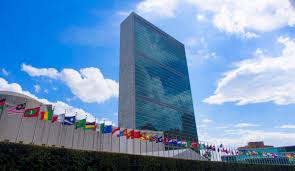
Ulaanbaatar/MONTSAME/. On October 16, Chief of the Cabinet Secretariat of the Government L. Oyun-Erdene received UN Resident Coordinator Tapan Mishra, together with representatives of UN organizations.
Emphasizing the efficient COVID-19 response of the Mongolian government, Mr. Tapan Mishra noted the UN's continued support and cooperation in this regard.
At the meeting, the sides exchanged information on implementation of the projects and programs in Mongolia in the field of economic recovery and other areas, the process of UN reform, as well as documents such as ‘Sustainable Development Goals-2030’ and ‘The UN Development Assistance Framework 2017-2021 for Mongolia’ and discussed possibilities of cooperating with the Cabinet Secretariat in the near future.
Mr. Tapan Mishra also expressed gratitude to Mr. Oyun-Erdene on the Government’s great efforts to have the ‘Vision 2050’ policy document approved by the Parliament, attaching great importance to the long-term planning of Mongolia’s development.
L. Oyun-Erdene said that the Cabinet Secretariat is willing to work more closely with the UN Office and other specialized agencies in two fields: the technical transition of E-Mongolia platform to digitize public services, as well as the capacity building of the civil service.
The sides concurred to work together to establish a multi-stakeholder partnerships platform, with a purpose to comprehensively resolve the financing required to ensure implementation of the Sustainable Development Goals at the national level.
Countries are organizing discussions and meetings in honor of the 75th anniversary of the founding of the United Nations that falls this year. Within this framework, a total of 12 meetings have been organized in Mongolia, noted Mr. Tapan Mishra.
Mr. Oyun-Erdene expressed all-round support of the Cabinet Secretariat as the country will mark its 60th anniversary of joining the United Nations next year.

Alumna becomes first chairwoman of Mongolia's information and communications authority www.bsg.ox.ac.uk
Bolor-Erdene Battsengel (MPP 2016) has been appointed as the first Chairwoman of the Government of Mongolia's Communications and Information Technology Authority. At 27 years old, she is the youngest person and first female to hold this position. Bolor-Erdene has been working on efforts to implement widespread digital governance in Mongolia, as part of the 'E-Mongolia' project.
...
Four more patients test positive for COVID-19 in Mongolia www.menafn.com
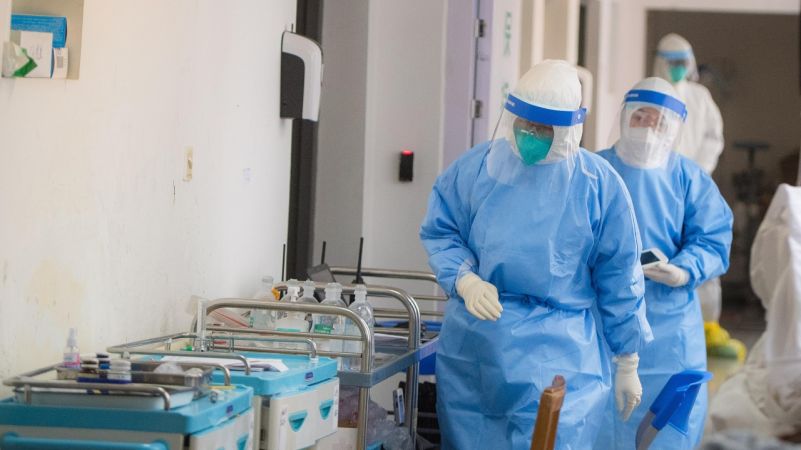
According to a statement issued on Sunday by the Mongolian National Center for Communicable Disease (NCCD), the overall tally of patients who have tested positive for the novel coronavirus across the state has risen to 324, after four more cases were reported during the last 24-hour period.
At a regular news briefing, the NCCD's head Dulmaa Nyamkhuu revealed "The newly-confirmed cases are returnees from abroad who were under quarantine in the country's capital Ulan Bator."
The official declared that Five of the remaining 12 patients being treated at the National Center for Communicable Diseases are in serious condition.
The center"s statement further included that a number of 312 patients have so far won the battle against the brutal coronavirus infection and been accordingly discharged from hospitals, adding that all the confirmed cases in the East Asian nation are imported from the overseas, mostly from Russia.

China will be the only major economy to see growth this year as world braces for long recovery from Covid-19 crisis – IMF www.rt.com
With most of the world facing a deep recession due to the coronavirus pandemic, China will be the only major economy to climb back from the depths of the historic crisis in 2020, according to the International Monetary Fund (IMF).
Despite the reopening of economies, global growth is projected to contract by 4.4 percent, the IMF said in its latest World Economic Outlook (WEO) report published earlier this week. While the outlook signals an upward revision of 0.8 percent compared to the body’s previous forecast, this year still marks the worst crisis since the Great Depression of the 1930s.
“This upgrade owes to somewhat less dire outcomes in the second quarter, as well as signs of a stronger recovery in the third quarter, offset partly by downgrades in some emerging and developing economies,” the report reads.
Most countries are not expected to rebound before next year, when global output is set to grow by 5.2 percent. This is a downward revision of 0.2 percent compared to the IMF’s June projection.
China is set to be the only exception in this gloomy forecast because it can avoid recession and even expand its economy, though not as much as during previous years. The IMF anticipates that China’s gross domestic product (GDP) will jump 1.9 percent in 2020, while other emerging and advanced economies are set to plunge 5.7 percent and 5.8 percent, respectively.
“Except for China, where output is expected to exceed 2019 levels this year, output in both advanced economies and emerging market and developing economies is projected to remain below 2019 levels even next year,” the report, compiled by IMF Chief Economist Gita Gopinath, said.
China was the first country to face the Covid-19 outbreak and was also the first to contain the spread of the virus domestically, while the number of infections continues to rise across the globe.
China’s faster-than-expected recovery is also based on strong demand for medical equipment and electronics needed to work from home, Gopinath noted. This eventually boosted the country’s exports, which have been on the rise for several consecutive months.
The IMF economist told Xihuia that China’s performance can have a positive impact on other countries, especially its neighbors. However, the global economy’s “long ascent back to pre-pandemic levels of activity remains prone to setbacks,” the body warned in its recent outlook.
“The virus is resurging with localized lockdowns being re-instituted. If this worsens and prospects for treatments and vaccines deteriorate, the toll on economic activity would be severe, and likely amplified by severe financial market turmoil,” Gopinath wrote, adding that restrictions on trade and rising geopolitical uncertainty could further harm the recovery.
Asian markets start on firm footing on vaccine, U.S. aid hopes www.reuters.com
SYDNEY (Reuters) - Asian markets started higher on Monday, buoyed by hopes of a U.S fiscal package before the U.S. presidential elections next month and expectations of a coronavirus vaccine by the end of this year, though the mood was still cautious as infections jump.
The index has risen in eight of the last 10 sessions amid a rally in risk assets buoyed by hopes of a coronavirus vaccine and expectations of a so called “blue wave”, which would see the Democrats claim victory in November’s elections.
Boosting overall sentiment, drugmaker Pfizer Inc PFE.N said on Friday it could have a coronavirus vaccine ready in the United States by the end of this year.
Japan's Nikkei .N225 climbed about 1% while South Korea's KOSPI and Australian shares .AXJO were up 0.7% each.
New Zealand .NZ50 was a tad lower after Prime Minister Jacinda Ardern won a second term at elections over the weekend, having risen over the week in anticipation of such a result.
E-Mini futures for the S&P 500 ESc1 jumped 0.5% in early Asian trading after House Speaker Nancy Pelosi said on Sunday she was optimistic legislation on a wide-ranging coronavirus relief package could be pushed through before the election.
But with her negotiating partner, Treasury Secretary Steven Mnuchin, in the Middle East until Tuesday, such a timeframe would seem to be overly optimistic, analysts said.
Investors are also concerned about rising coronavirus cases to help curb the spread of the disease.
Global coronavirus cases rose by more than 400,000 for the first time late on Friday, a record one-day increase as much of Europe enacts new restrictions to curb the outbreak.
Investors now await China’s third-quarter gross domestic product (GDP), monthly production and retail sales due later in the Asia morning.
“Chinese growth has bounced back well from its early COVID-19 losses and this data will be key to identify how the economy has progressed,” said Steven Dooley, chief strategist at Western Union Business Solutions.
Later in the week, key events include minutes of Australia’s central bank meeting, the final U.S. presidential debate and global manufacturing indicators.
Action in currencies was muted with the U.S. dollar, usually perceived as a safe-haven asset, =USD flat at 93.696 against a basket of six major currencies. [USD/]
The euro EUR= was also unchanged at $1.1715.
Sterling traded near two-week lows at $1.2925 after UK Prime Minister Boris Johnson told businesses to get ready for a no-deal Brexit in case negotiations with the European Union fail to produce a free trade agreement.
“EU-UK trade talks are flirting with collapse,” ANZ economists said.
“UK Prime Minister Johnson said the UK needs to prepare for a no-deal outcome, as both sides cannot agree on a Canada-style FTA. Talks resume in London on Monday, but without the political willingness to shift ground, there is little the negotiators can achieve.”
In commodities, Brent crude futures LCOc1 added 5 cents to $42.98 a barrel, and U.S. West Texas Intermediate (WTI) crude futures CLC1 climbed 5 cents to $40.9 a barrel.
Spot gold XAU= was a shade firmer at $1,899.9 an ounce.
Editing by Sam Holmes
Mongolia employees 4400 foreign workers www.news.mn
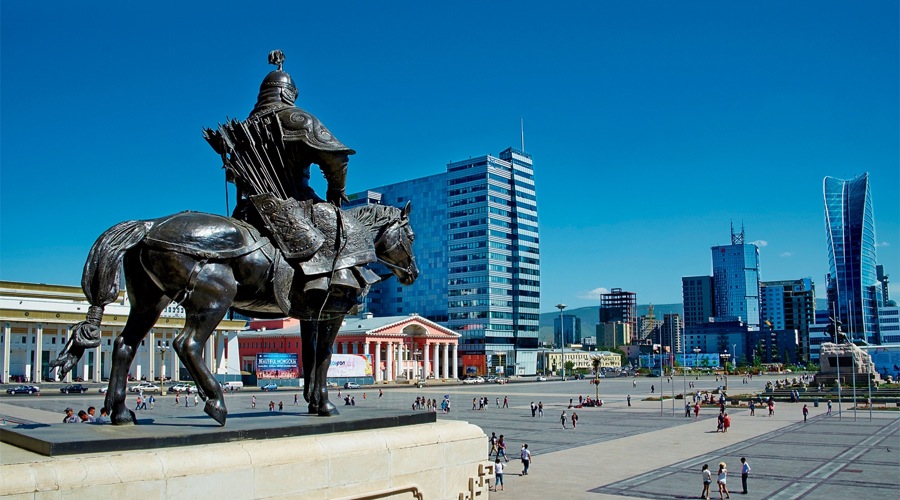
According to statistic office, Mongolia has employed 4400 thousand foreign workers from 92 foreign countries with labor contract in the third quarter of 2020. Compared with the same time of the 2019, the number of countries decreased by nine and the number of foreign workers decreased by 6000 thousand persons (57.7%).
Most foreign workers who employed in Mongolia were from China following 6.6 percent from Russian Federation, 5.9 percent from Australia, 4.6 percent from South Korea, 4.2 percent from Vietnam, 4.0 percent from United States, 3.4percent from South Africa, 2.9 percent from Philippines, 2.4percent from Great Britain, 1.7 percent from Japan and remaining 17.3 percent from other countries.
Some 1.7 thousand foreign workers are working in mining and quarrying sector, 709 workers in wholesale and retail trade, repair of motor vehicles and motorcycles, 614 foreign workers in education sector, 472 workers in construction sector, 294 workers in manufacturing sector, 217 workers in transportation and storage, 126 in administrative and support service activities, and 0.2 thousand foreign workers in other sectors.
Workers picket over violence and nepotism in Mongolia www.industriall-union.org
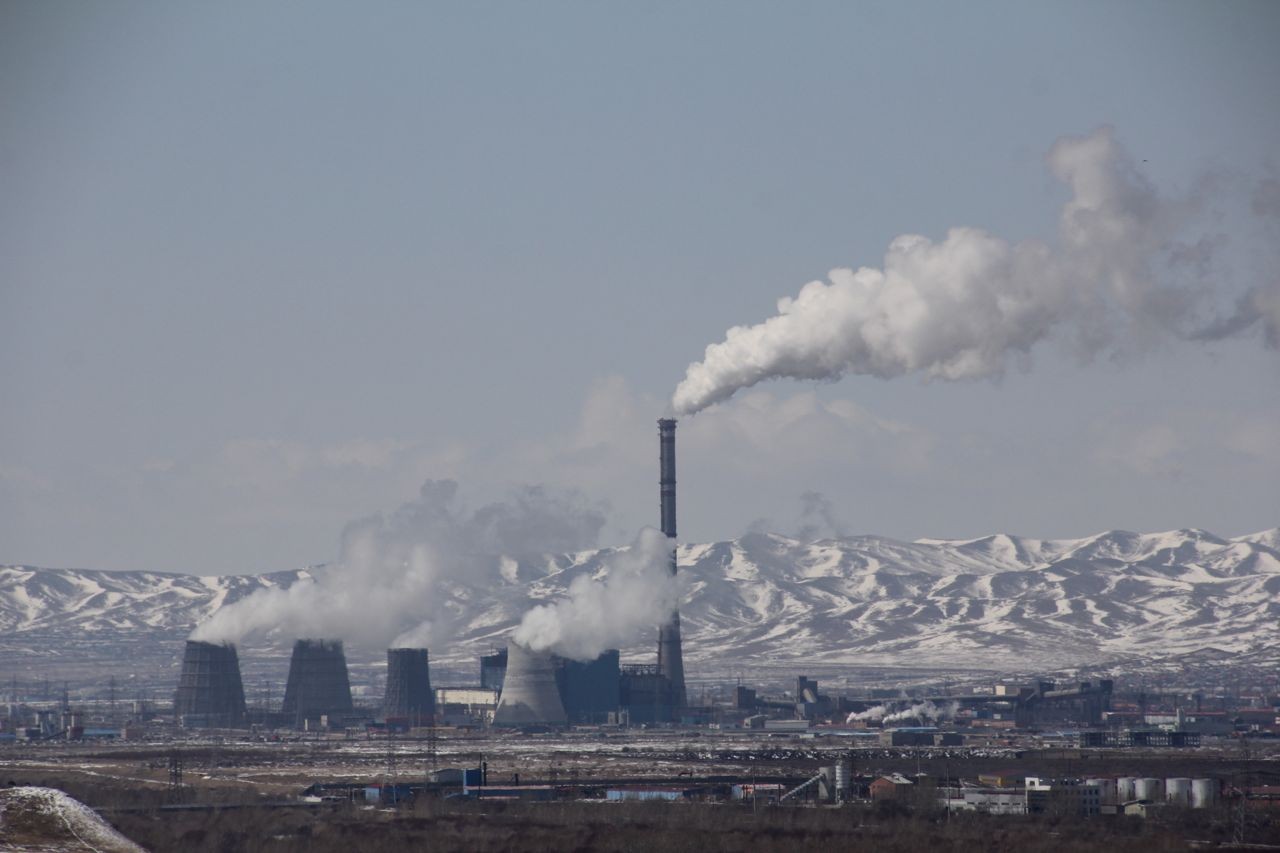
The first ever picket in Mongolia’s energy sector gathered more than 20 workers at the state-owned Thermal Power Plant 2 SSH Co. (TPP2) on 12 October, with protestors raising their voices over violence against women union leaders and rampant nepotism in the company.
The workers, affiliated to IndustriALL Global Union through Federation of Energy, Geology and Mining Workers’ Trade Unions of Mongolia (MEGM), called on the government to act against a company head who assaulted MEGM’s company level union leader when she called out the company’s practices of nepotism.
The local branch of MEGM has campaigned against nepotism since June, demanding that the company stop hiring relatives of top management. These well-connected workers enjoy higher wages and benefits than other staff with higher positions.
MEGM president Buyanjargal Khuyag says:
“We strongly condemn the violence against a union leader. After the picket, we met with the minister of mineral resources and energy and demanded that action be taken to deal with the brutality and nepotism in the company.
“The minister promised to appoint a new chief executive officer for TPP2 and that executives involved in the violence and nepotism will be dismissed, if they are to blame. The ministry will also set up a working group to study workers’ demands.”
IndustriALL South East Asia regional secretary Annie Adviento says:
“I congratulate MEGM for taking swift action and defending women workers’ rights. This violent incidence shows the importance of eliminating violence in the world of work. I hope the Mongolian government, trade unions and employer association can push for the ratification of ILO Convention 190 on violence and harassment in the world of work.”
PKF International welcomes new firm in Mongolia www.pkf.com
PKF International takes great pride in welcoming PKF-IFS Mongolia (formerly Integrated Financial Services) to the network.
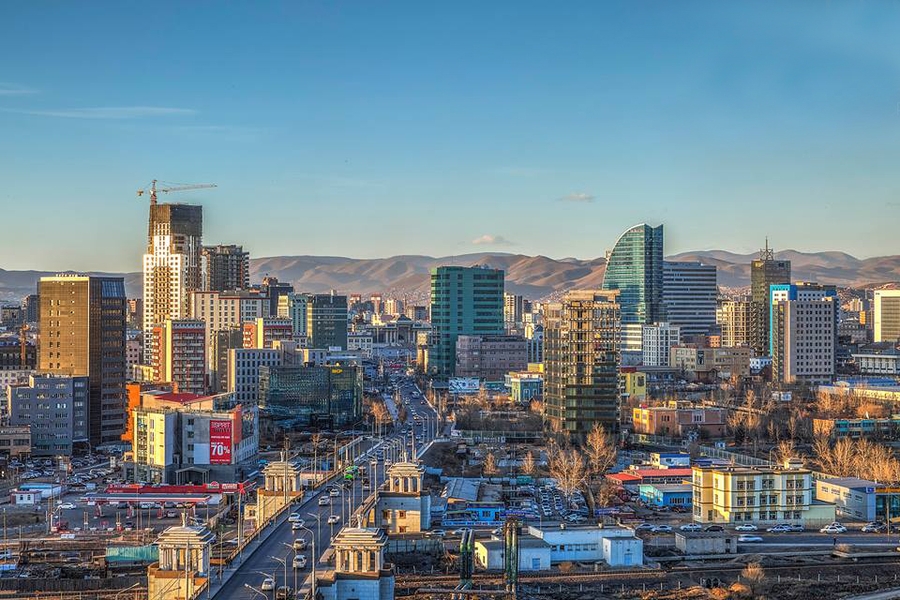
PKF-IFS Mongolia was established in 2003 by a group of accomplished professionals to provide tax advisory services. The firm is one of the leading accounting, taxation and business consulting firms in Mongolia and is located in the heart of downtown Ulaanbaatar.
Amarbayasgalan Tamir, Managing Director of PKF-IFS Mongolia, commented: “The membership of PKF International will give us an edge to provide high quality professional services in assurance, tax and payroll in this fast growing market”.
PKF International CEO, Theo Vermaak, said: "We are really pleased to welcome PKF-IFS Mongolia to the PKF family as we continue to expand and strengthen the PKF brand. PKF-IFS Mongolia fits well with our value proposition of quality with Integrity, and also meets our strategic objective of global coverage with quality firms.”
PKF International welcomes the new firm to a network of over 20,000 professions operating in 150 countries across the word.
- «
- 1
- 2
- 3
- 4
- 5
- 6
- 7
- 8
- 9
- 10
- 11
- 12
- 13
- 14
- 15
- 16
- 17
- 18
- 19
- 20
- 21
- 22
- 23
- 24
- 25
- 26
- 27
- 28
- 29
- 30
- 31
- 32
- 33
- 34
- 35
- 36
- 37
- 38
- 39
- 40
- 41
- 42
- 43
- 44
- 45
- 46
- 47
- 48
- 49
- 50
- 51
- 52
- 53
- 54
- 55
- 56
- 57
- 58
- 59
- 60
- 61
- 62
- 63
- 64
- 65
- 66
- 67
- 68
- 69
- 70
- 71
- 72
- 73
- 74
- 75
- 76
- 77
- 78
- 79
- 80
- 81
- 82
- 83
- 84
- 85
- 86
- 87
- 88
- 89
- 90
- 91
- 92
- 93
- 94
- 95
- 96
- 97
- 98
- 99
- 100
- 101
- 102
- 103
- 104
- 105
- 106
- 107
- 108
- 109
- 110
- 111
- 112
- 113
- 114
- 115
- 116
- 117
- 118
- 119
- 120
- 121
- 122
- 123
- 124
- 125
- 126
- 127
- 128
- 129
- 130
- 131
- 132
- 133
- 134
- 135
- 136
- 137
- 138
- 139
- 140
- 141
- 142
- 143
- 144
- 145
- 146
- 147
- 148
- 149
- 150
- 151
- 152
- 153
- 154
- 155
- 156
- 157
- 158
- 159
- 160
- 161
- 162
- 163
- 164
- 165
- 166
- 167
- 168
- 169
- 170
- 171
- 172
- 173
- 174
- 175
- 176
- 177
- 178
- 179
- 180
- 181
- 182
- 183
- 184
- 185
- 186
- 187
- 188
- 189
- 190
- 191
- 192
- 193
- 194
- 195
- 196
- 197
- 198
- 199
- 200
- 201
- 202
- 203
- 204
- 205
- 206
- 207
- 208
- 209
- 210
- 211
- 212
- 213
- 214
- 215
- 216
- 217
- 218
- 219
- 220
- 221
- 222
- 223
- 224
- 225
- 226
- 227
- 228
- 229
- 230
- 231
- 232
- 233
- 234
- 235
- 236
- 237
- 238
- 239
- 240
- 241
- 242
- 243
- 244
- 245
- 246
- 247
- 248
- 249
- 250
- 251
- 252
- 253
- 254
- 255
- 256
- 257
- 258
- 259
- 260
- 261
- 262
- 263
- 264
- 265
- 266
- 267
- 268
- 269
- 270
- 271
- 272
- 273
- 274
- 275
- 276
- 277
- 278
- 279
- 280
- 281
- 282
- 283
- 284
- 285
- 286
- 287
- 288
- 289
- 290
- 291
- 292
- 293
- 294
- 295
- 296
- 297
- 298
- 299
- 300
- 301
- 302
- 303
- 304
- 305
- 306
- 307
- 308
- 309
- 310
- 311
- 312
- 313
- 314
- 315
- 316
- 317
- 318
- 319
- 320
- 321
- 322
- 323
- 324
- 325
- 326
- 327
- 328
- 329
- 330
- 331
- 332
- 333
- 334
- 335
- 336
- 337
- 338
- 339
- 340
- 341
- 342
- 343
- 344
- 345
- 346
- 347
- 348
- 349
- 350
- 351
- 352
- 353
- 354
- 355
- 356
- 357
- 358
- 359
- 360
- 361
- 362
- 363
- 364
- 365
- 366
- 367
- 368
- 369
- 370
- 371
- 372
- 373
- 374
- 375
- 376
- 377
- 378
- 379
- 380
- 381
- 382
- 383
- 384
- 385
- 386
- 387
- 388
- 389
- 390
- 391
- 392
- 393
- 394
- 395
- 396
- 397
- 398
- 399
- 400
- 401
- 402
- 403
- 404
- 405
- 406
- 407
- 408
- 409
- 410
- 411
- 412
- 413
- 414
- 415
- 416
- 417
- 418
- 419
- 420
- 421
- 422
- 423
- 424
- 425
- 426
- 427
- 428
- 429
- 430
- 431
- 432
- 433
- 434
- 435
- 436
- 437
- 438
- 439
- 440
- 441
- 442
- 443
- 444
- 445
- 446
- 447
- 448
- 449
- 450
- 451
- 452
- 453
- 454
- 455
- 456
- 457
- 458
- 459
- 460
- 461
- 462
- 463
- 464
- 465
- 466
- 467
- 468
- 469
- 470
- 471
- 472
- 473
- 474
- 475
- 476
- 477
- 478
- 479
- 480
- 481
- 482
- 483
- 484
- 485
- 486
- 487
- 488
- 489
- 490
- 491
- 492
- 493
- 494
- 495
- 496
- 497
- 498
- 499
- 500
- 501
- 502
- 503
- 504
- 505
- 506
- 507
- 508
- 509
- 510
- 511
- 512
- 513
- 514
- 515
- 516
- 517
- 518
- 519
- 520
- 521
- 522
- 523
- 524
- 525
- 526
- 527
- 528
- 529
- 530
- 531
- 532
- 533
- 534
- 535
- 536
- 537
- 538
- 539
- 540
- 541
- 542
- 543
- 544
- 545
- 546
- 547
- 548
- 549
- 550
- 551
- 552
- 553
- 554
- 555
- 556
- 557
- 558
- 559
- 560
- 561
- 562
- 563
- 564
- 565
- 566
- 567
- 568
- 569
- 570
- 571
- 572
- 573
- 574
- 575
- 576
- 577
- 578
- 579
- 580
- 581
- 582
- 583
- 584
- 585
- 586
- 587
- 588
- 589
- 590
- 591
- 592
- 593
- 594
- 595
- 596
- 597
- 598
- 599
- 600
- 601
- 602
- 603
- 604
- 605
- 606
- 607
- 608
- 609
- 610
- 611
- 612
- 613
- 614
- 615
- 616
- 617
- 618
- 619
- 620
- 621
- 622
- 623
- 624
- 625
- 626
- 627
- 628
- 629
- 630
- 631
- 632
- 633
- 634
- 635
- 636
- 637
- 638
- 639
- 640
- 641
- 642
- 643
- 644
- 645
- 646
- 647
- 648
- 649
- 650
- 651
- 652
- 653
- 654
- 655
- 656
- 657
- 658
- 659
- 660
- 661
- 662
- 663
- 664
- 665
- 666
- 667
- 668
- 669
- 670
- 671
- 672
- 673
- 674
- 675
- 676
- 677
- 678
- 679
- 680
- 681
- 682
- 683
- 684
- 685
- 686
- 687
- 688
- 689
- 690
- 691
- 692
- 693
- 694
- 695
- 696
- 697
- 698
- 699
- 700
- 701
- 702
- 703
- 704
- 705
- 706
- 707
- 708
- 709
- 710
- 711
- 712
- 713
- 714
- 715
- 716
- 717
- 718
- 719
- 720
- 721
- 722
- 723
- 724
- 725
- 726
- 727
- 728
- 729
- 730
- 731
- 732
- 733
- 734
- 735
- 736
- 737
- 738
- 739
- 740
- 741
- 742
- 743
- 744
- 745
- 746
- 747
- 748
- 749
- 750
- 751
- 752
- 753
- 754
- 755
- 756
- 757
- 758
- 759
- 760
- 761
- 762
- 763
- 764
- 765
- 766
- 767
- 768
- 769
- 770
- 771
- 772
- 773
- 774
- 775
- 776
- 777
- 778
- 779
- 780
- 781
- 782
- 783
- 784
- 785
- 786
- 787
- 788
- 789
- 790
- 791
- 792
- 793
- 794
- 795
- 796
- 797
- 798
- 799
- 800
- 801
- 802
- 803
- 804
- 805
- 806
- 807
- 808
- 809
- 810
- 811
- 812
- 813
- 814
- 815
- 816
- 817
- 818
- 819
- 820
- 821
- 822
- 823
- 824
- 825
- 826
- 827
- 828
- 829
- 830
- 831
- 832
- 833
- 834
- 835
- 836
- 837
- 838
- 839
- 840
- 841
- 842
- 843
- 844
- 845
- 846
- 847
- 848
- 849
- 850
- 851
- 852
- 853
- 854
- 855
- 856
- 857
- 858
- 859
- 860
- 861
- 862
- 863
- 864
- 865
- 866
- 867
- 868
- 869
- 870
- 871
- 872
- 873
- 874
- 875
- 876
- 877
- 878
- 879
- 880
- 881
- 882
- 883
- 884
- 885
- 886
- 887
- 888
- 889
- 890
- 891
- 892
- 893
- 894
- 895
- 896
- 897
- 898
- 899
- 900
- 901
- 902
- 903
- 904
- 905
- 906
- 907
- 908
- 909
- 910
- 911
- 912
- 913
- 914
- 915
- 916
- 917
- 918
- 919
- 920
- 921
- 922
- 923
- 924
- 925
- 926
- 927
- 928
- 929
- 930
- 931
- 932
- 933
- 934
- 935
- 936
- 937
- 938
- 939
- 940
- 941
- 942
- 943
- 944
- 945
- 946
- 947
- 948
- 949
- 950
- 951
- 952
- 953
- 954
- 955
- 956
- 957
- 958
- 959
- 960
- 961
- 962
- 963
- 964
- 965
- 966
- 967
- 968
- 969
- 970
- 971
- 972
- 973
- 974
- 975
- 976
- 977
- 978
- 979
- 980
- 981
- 982
- 983
- 984
- 985
- 986
- 987
- 988
- 989
- 990
- 991
- 992
- 993
- 994
- 995
- 996
- 997
- 998
- 999
- 1000
- 1001
- 1002
- 1003
- 1004
- 1005
- 1006
- 1007
- 1008
- 1009
- 1010
- 1011
- 1012
- 1013
- 1014
- 1015
- 1016
- 1017
- 1018
- 1019
- 1020
- 1021
- 1022
- 1023
- 1024
- 1025
- 1026
- 1027
- 1028
- 1029
- 1030
- 1031
- 1032
- 1033
- 1034
- 1035
- 1036
- 1037
- 1038
- 1039
- 1040
- 1041
- 1042
- 1043
- 1044
- 1045
- 1046
- 1047
- 1048
- 1049
- 1050
- 1051
- 1052
- 1053
- 1054
- 1055
- 1056
- 1057
- 1058
- 1059
- 1060
- 1061
- 1062
- 1063
- 1064
- 1065
- 1066
- 1067
- 1068
- 1069
- 1070
- 1071
- 1072
- 1073
- 1074
- 1075
- 1076
- 1077
- 1078
- 1079
- 1080
- 1081
- 1082
- 1083
- 1084
- 1085
- 1086
- 1087
- 1088
- 1089
- 1090
- 1091
- 1092
- 1093
- 1094
- 1095
- 1096
- 1097
- 1098
- 1099
- 1100
- 1101
- 1102
- 1103
- 1104
- 1105
- 1106
- 1107
- 1108
- 1109
- 1110
- 1111
- 1112
- 1113
- 1114
- 1115
- 1116
- 1117
- 1118
- 1119
- 1120
- 1121
- 1122
- 1123
- 1124
- 1125
- 1126
- 1127
- 1128
- 1129
- 1130
- 1131
- 1132
- 1133
- 1134
- 1135
- 1136
- 1137
- 1138
- 1139
- 1140
- 1141
- 1142
- 1143
- 1144
- 1145
- 1146
- 1147
- 1148
- 1149
- 1150
- 1151
- 1152
- 1153
- 1154
- 1155
- 1156
- 1157
- 1158
- 1159
- 1160
- 1161
- 1162
- 1163
- 1164
- 1165
- 1166
- 1167
- 1168
- 1169
- 1170
- 1171
- 1172
- 1173
- 1174
- 1175
- 1176
- 1177
- 1178
- 1179
- 1180
- 1181
- 1182
- 1183
- 1184
- 1185
- 1186
- 1187
- 1188
- 1189
- 1190
- 1191
- 1192
- 1193
- 1194
- 1195
- 1196
- 1197
- 1198
- 1199
- 1200
- 1201
- 1202
- 1203
- 1204
- 1205
- 1206
- 1207
- 1208
- 1209
- 1210
- 1211
- 1212
- 1213
- 1214
- 1215
- 1216
- 1217
- 1218
- 1219
- 1220
- 1221
- 1222
- 1223
- 1224
- 1225
- 1226
- 1227
- 1228
- 1229
- 1230
- 1231
- 1232
- 1233
- 1234
- 1235
- 1236
- 1237
- 1238
- 1239
- 1240
- 1241
- 1242
- 1243
- 1244
- 1245
- 1246
- 1247
- 1248
- 1249
- 1250
- 1251
- 1252
- 1253
- 1254
- 1255
- 1256
- 1257
- 1258
- 1259
- 1260
- 1261
- 1262
- 1263
- 1264
- 1265
- 1266
- 1267
- 1268
- 1269
- 1270
- 1271
- 1272
- 1273
- 1274
- 1275
- 1276
- 1277
- 1278
- 1279
- 1280
- 1281
- 1282
- 1283
- 1284
- 1285
- 1286
- 1287
- 1288
- 1289
- 1290
- 1291
- 1292
- 1293
- 1294
- 1295
- 1296
- 1297
- 1298
- 1299
- 1300
- 1301
- 1302
- 1303
- 1304
- 1305
- 1306
- 1307
- 1308
- 1309
- 1310
- 1311
- 1312
- 1313
- 1314
- 1315
- 1316
- 1317
- 1318
- 1319
- 1320
- 1321
- 1322
- 1323
- 1324
- 1325
- 1326
- 1327
- 1328
- 1329
- 1330
- 1331
- 1332
- 1333
- 1334
- 1335
- 1336
- 1337
- 1338
- 1339
- 1340
- 1341
- 1342
- 1343
- 1344
- 1345
- 1346
- 1347
- 1348
- 1349
- 1350
- 1351
- 1352
- 1353
- 1354
- 1355
- 1356
- 1357
- 1358
- 1359
- 1360
- 1361
- 1362
- 1363
- 1364
- 1365
- 1366
- 1367
- 1368
- 1369
- 1370
- 1371
- 1372
- 1373
- 1374
- 1375
- 1376
- 1377
- 1378
- 1379
- 1380
- 1381
- 1382
- 1383
- 1384
- 1385
- 1386
- 1387
- 1388
- 1389
- 1390
- 1391
- 1392
- 1393
- 1394
- 1395
- 1396
- 1397
- 1398
- 1399
- 1400
- 1401
- 1402
- 1403
- 1404
- 1405
- 1406
- 1407
- 1408
- 1409
- 1410
- 1411
- 1412
- 1413
- 1414
- 1415
- 1416
- 1417
- 1418
- 1419
- 1420
- 1421
- 1422
- 1423
- 1424
- 1425
- 1426
- 1427
- 1428
- 1429
- 1430
- 1431
- 1432
- 1433
- 1434
- 1435
- 1436
- 1437
- 1438
- 1439
- 1440
- 1441
- 1442
- 1443
- 1444
- 1445
- 1446
- 1447
- 1448
- 1449
- 1450
- 1451
- 1452
- 1453
- 1454
- 1455
- 1456
- 1457
- 1458
- 1459
- 1460
- 1461
- 1462
- 1463
- 1464
- 1465
- 1466
- 1467
- 1468
- 1469
- 1470
- 1471
- 1472
- 1473
- 1474
- 1475
- 1476
- 1477
- 1478
- 1479
- 1480
- 1481
- 1482
- 1483
- 1484
- 1485
- 1486
- 1487
- 1488
- 1489
- 1490
- 1491
- 1492
- 1493
- 1494
- 1495
- 1496
- 1497
- 1498
- 1499
- 1500
- 1501
- 1502
- 1503
- 1504
- 1505
- 1506
- 1507
- 1508
- 1509
- 1510
- 1511
- 1512
- 1513
- 1514
- 1515
- 1516
- 1517
- 1518
- 1519
- 1520
- 1521
- 1522
- 1523
- 1524
- 1525
- 1526
- 1527
- 1528
- 1529
- 1530
- 1531
- 1532
- 1533
- 1534
- 1535
- 1536
- 1537
- 1538
- 1539
- 1540
- 1541
- 1542
- 1543
- 1544
- 1545
- 1546
- 1547
- 1548
- 1549
- 1550
- 1551
- 1552
- 1553
- 1554
- 1555
- 1556
- 1557
- 1558
- 1559
- 1560
- 1561
- 1562
- 1563
- 1564
- 1565
- 1566
- 1567
- 1568
- 1569
- 1570
- 1571
- 1572
- 1573
- 1574
- 1575
- 1576
- 1577
- 1578
- 1579
- 1580
- 1581
- 1582
- 1583
- 1584
- 1585
- 1586
- 1587
- 1588
- 1589
- 1590
- 1591
- 1592
- 1593
- 1594
- 1595
- 1596
- 1597
- 1598
- 1599
- 1600
- 1601
- 1602
- 1603
- 1604
- 1605
- 1606
- 1607
- 1608
- 1609
- 1610
- 1611
- 1612
- 1613
- 1614
- 1615
- 1616
- 1617
- 1618
- 1619
- 1620
- 1621
- 1622
- 1623
- 1624
- 1625
- 1626
- 1627
- 1628
- 1629
- 1630
- 1631
- 1632
- 1633
- 1634
- 1635
- 1636
- 1637
- 1638
- 1639
- 1640
- 1641
- 1642
- 1643
- 1644
- 1645
- 1646
- 1647
- 1648
- 1649
- 1650
- 1651
- 1652
- 1653
- 1654
- 1655
- 1656
- 1657
- 1658
- 1659
- 1660
- 1661
- 1662
- 1663
- 1664
- 1665
- 1666
- 1667
- 1668
- 1669
- 1670
- 1671
- 1672
- 1673
- 1674
- 1675
- 1676
- 1677
- 1678
- 1679
- 1680
- 1681
- 1682
- 1683
- 1684
- 1685
- 1686
- 1687
- 1688
- 1689
- 1690
- 1691
- 1692
- 1693
- 1694
- 1695
- 1696
- 1697
- 1698
- 1699
- 1700
- 1701
- 1702
- 1703
- 1704
- 1705
- 1706
- 1707
- 1708
- 1709
- 1710
- 1711
- 1712
- 1713
- 1714
- 1715
- 1716
- 1717
- 1718
- 1719
- 1720
- 1721
- 1722
- 1723
- 1724
- 1725
- 1726
- 1727
- 1728
- 1729
- 1730
- 1731
- 1732
- 1733
- 1734
- 1735
- 1736
- 1737
- 1738
- 1739
- 1740
- 1741
- 1742
- 1743
- 1744
- 1745
- 1746
- 1747
- 1748
- 1749
- 1750
- 1751
- 1752
- 1753
- 1754
- 1755
- 1756
- 1757
- 1758
- 1759
- 1760
- 1761
- 1762
- 1763
- 1764
- 1765
- 1766
- 1767
- 1768
- 1769
- 1770
- 1771
- 1772
- 1773
- 1774
- 1775
- 1776
- 1777
- 1778
- 1779
- 1780
- 1781
- 1782
- 1783
- 1784
- 1785
- 1786
- 1787
- 1788
- 1789
- 1790
- 1791
- 1792
- 1793
- 1794
- 1795
- 1796
- 1797
- 1798
- 1799
- 1800
- 1801
- 1802
- 1803
- 1804
- 1805
- 1806
- 1807
- 1808
- 1809
- 1810
- 1811
- 1812
- 1813
- 1814
- 1815
- 1816
- 1817
- 1818
- 1819
- 1820
- 1821
- »


