
Category
- Agriculture
- Automobiles and Machinery
- Bank, non banking financing, investment
- Blasting
- Construction
- Consumables
- Education
- Energy
- Engineer , Architecture and Geodesy
- Finance, Audit,Accounting and Brokerage
- Food
- Foreign Trade
- Geology Exploration
- Health
- Information Technology
- Insurance
- Labor Safety
- Legal and Business consulting
- Lighting
- Mining equipment
- Mining Services
- Other product and service
- Road
- Sewing and textile products
- Transportations
- Travel
Events

Events
| Name | organizer | Where |
|---|---|---|
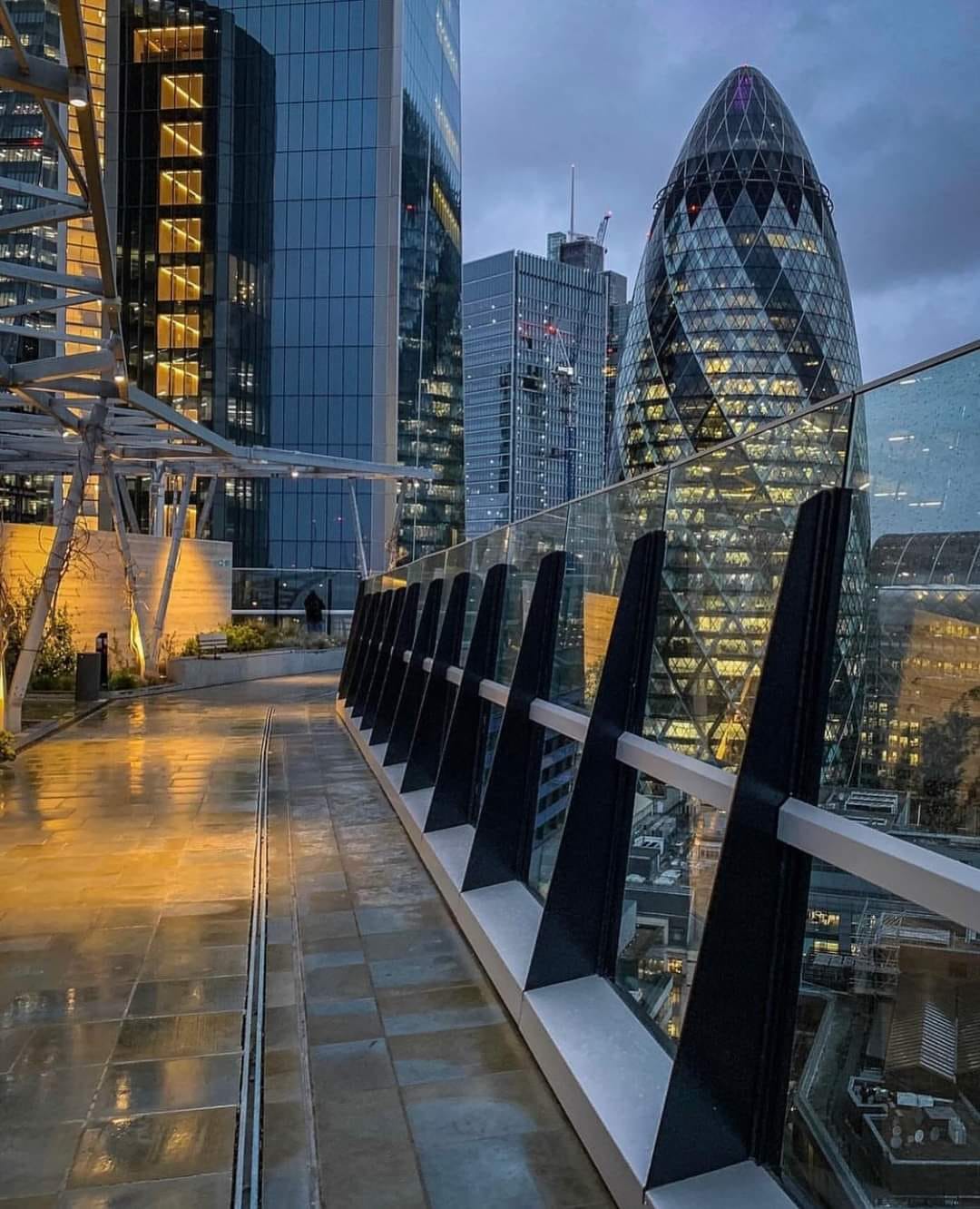
| MBCC “Doing Business with Mongolia seminar and Christmas Receptiom” Dec 10. 2025 London UK | MBCCI | London UK Goodman LLC |
NEWS

26 мянган хүн ургац хураалтад оролцож байна www.news.mn
Улсын хэмжээнд есдүгээр сарын 23-ны өдрийн байдлаар 24.6 мянган га талбайг ангилан хадаж, 85.3 мянган га талбайгаас 138.3 мянган тонн үр тариа, 6.7 мянган га талбайгаас 81.8 мянган тонн төмс, 5.5 мянган га талбайгаас 79.4 мянган тонн хүнсний ногоо, 17.6 мянган га талбайгаас 54.1 мянган тонн малын тэжээл, 3.7 мянган га талбайгаас 3.1 мянган тонн тосны ургамал тус тус хураан аваад байна.
Энэ нь өнгөрсөн оны мөн үетэй харьцуулахад улаанбуудайн ургац хураалт 33.3 мянган га буюу 45.7 хувиар, төмсний ургац хураалт 3.2 мянган га буюу 48.5 хувиар, хүнсний ногооных 1.4 мянган га буюу 25.5 хувиар, таримал тэжээлийнх 16.4 мянган га буюу 92.9 хувиар тус тус нэмэгдсэн үзүүлэлт юм. Харин тосны ургамлын ургац хураалт өнгөрсөн оны мөн үеэс 5.1 мянган га талбайгаар бага байна.
Ургац хураалтын ажилд нийт 951 комбайн, 609 жатка, 230 үтрэмд 1058 үр тариа цэвэрлэх тоног төхөөрөмж, 453 төмс, хүнсний ногоо хураах тоног төхөөрөмж ажиллаж байна. Техникийн иж бүрдлийг тооцоход ургац хураалтын ажлыг 26-30 хоногт багтаан дуусгах боломжтой байна.
Мөн ургац хураалтад их, дээд сургуулийн 800 оюутан, Дотоод хэргийн их сургуулийн 545 сонсогч, Хил хамгаалах байгууллагын 62 цэрэг, Шүүхийн шийдвэр гүйцэтгэх байгууллагын 159 алба хаагч, Зэвсэгт хүчний жанжин штабын 16 анги нэгтгэлийн 1293 цэрэг, Үндэсний батлан хамгаалах их сургуулийн 630 сонсогч оролцож байна. Үүнээс гадна байнгын 21,500, түр 393 ажилтан ажиллаж байгаа бөгөөд нийтдээ 26 мянган хүн ургац хураалтын ажилд оролцож байна.
...
Outstanding Bank Loans Rise 14.3 Percent www.montsame.mn
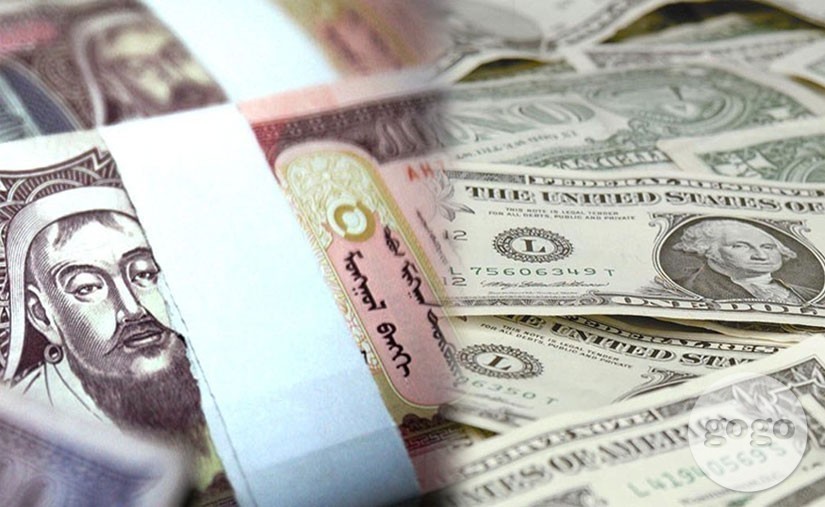
The total outstanding balance of bank loans reached MNT 48.4 trillion in August 2026, up 14.3 percent from the same period of the previous year.
Bank lending is a key indicator of how money circulates through the economy, providing financial resources to individuals and businesses with an obligation to repay within a specified period. Mortgage loans and loans transferred to the Mongolian Mortgage Corporation (MIK) increased by 18.8 percent, while the growth of consumer loans and loans secured by savings deposits slowed to 4.7 percent.
Experts noted that the slowdown in annual loan growth over the 18-month period was mainly driven by slower growth in consumer lending. Meanwhile, business lending grew by 17.9 percent year-on-year, indicating relatively stable economic activity.
According to the Bank of Mongolia, non-performing loans accounted for 5.3 percent of total loans, while loans classified as requiring attention accounted for 2.5 percent. The share of loans requiring attention declined by 2.0 percentage points, while the share of non-performing loans remained stable.
...
Central Asia and Mongolia growth to remain robust www.ebrd.com
Growth across Central Asia and Mongolia remained strong, at 5.9 per cent year on year, in the first half of 2026, according to the latest Regional Economic Prospects report published by the European Bank for Reconstruction and Development (EBRD).
The Bank forecasts growth in Central Asia and Mongolia to remain robust at 5.8 per cent in 2026 and 5.3 per cent in 2027. It warns that weakening demand among key trading partners, elevated global energy prices linked to the Middle East conflict, disruptions to Russian fuel supplies and trade routes, and lower global commodity prices could all weigh on future economic expansion.
The fastest rates of GDP growth in the six months to June were recorded in the Kyrgyz Republic, Tajikistan and Uzbekistan, driven by the construction and manufacturing sectors, as well as domestic demand. Mongolia benefited from rising mining output and exports. Kazakhstan’s growth moderated due to lower oil production following export disruptions, while Turkmenistan continued to expand at a stable pace, supported by services, construction and state-led investment.
Economic growth in the region’s largest economy, Kazakhstan, slowed to 4.1 per cent year on year in the first half of 2026. Disruptions along the Caspian Pipeline Consortium export route and incidents at the Tengiz field resulted in the contraction of oil and gas output. At the same time, manufacturing output increased, supported by a strong performance in the machinery, food-processing and chemical industries. The construction sector expanded, too, driven by large-scale infrastructure projects. The Bank projects Kazakhstan’s GDP growth to reach 4.7 per cent in 2026 before moderating slightly to 4.5 per cent in 2027. The main downside risks stem from further disruptions to oil export routes, weaker external demand and lower commodity prices.
In the Kyrgyz Republic, real GDP expanded by 11.1 per cent year on year, driven by strong investment activity. Fixed capital investment rose significantly and was largely directed to transport, mining and energy infrastructure projects. Solid growth was also observed in the construction and manufacturing sectors. The EBRD projects GDP growth of 8.7 per cent in 2026 and 7.0 per cent in 2027. The key downside risks are linked to the Kyrgyz Republic's dependence on Russia for remittances and fuel imports.
Mongolia’s economic growth remained strong in the first six months, at 7.7 per cent year on year, mainly driven by mining. Coal production increased 52.4 per cent year on year, while copper output rose 20 per cent on the year as production at the Oyu Tolgoi mine continued to ramp up. These developments translated into stronger exports, with external demand emerging as the main driver of growth. The economy is forecast to grow by 6.3 per cent in 2026 and 5.5 per cent in 2027. Key downside risks include weaker demand from China and Mongolia’s dependence on fuel imports from Russia, which leaves it vulnerable to supply disruptions and higher global energy prices.
Tajikistan’s real GDP growth of 8.2 per cent year on year in the first half of 2026 was boosted by an expansion in services, manufacturing and agriculture. Household consumption remained resilient, supported by rising real wages and strong remittance inflows. Fixed capital investment grew 35.9 per cent year on year, reflecting continued infrastructure development. Exports increased significantly, by 57.2 per cent year on year, on the back of rising shipments of mineral products and precious and semi-precious metals and stones. According to the Regional Economic Prospects report, Tajikistan’s economic growth is likely to moderate to 7.9 per cent in 2026 and 7 per cent in 2027. The key downside risks stem from the country’s dependence on Russia as its main source of remittances and fuel. Prolonged disruptions to fuel supplies could weaken growth, particularly in the agricultural, trade and industrial sectors.
Turkmenistan’s economy continued to expand in the first six months of 2026, with official GDP growth of 6.3 per cent year on year. This growth was broad-based, driven by strong performances in the transport and communications, trade and other service sectors. Construction activity also grew, underpinned largely by continued state-led investment and the ongoing implementation of large-scale infrastructure and industrial projects. Turkmenistan’s growth is projected at 6.3 per cent in both 2026 and 2027. Downside risks lie mainly in weaker demand in China, lower energy prices and rising inflationary pressures from higher food and import costs.
Uzbekistan’s GDP growth accelerated to 8.5 per cent year on year in the first half of 2026, driven primarily by services and manufacturing. This growth also reflected strong investment in the manufacturing, construction and agricultural sectors. The EBRD projects real GDP to grow by 7.5 per cent in 2026 and 6 per cent in 2027. The main downside risks include a slowdown in Russia and prolonged disruptions to Russian fuel supplies, which could amplify the effects of elevated global energy prices caused by the conflict in the Middle East.
...
A new oil storage facility with a capacity of 16,000 cubic meters has been put into operation in Mongolia www.open.kg
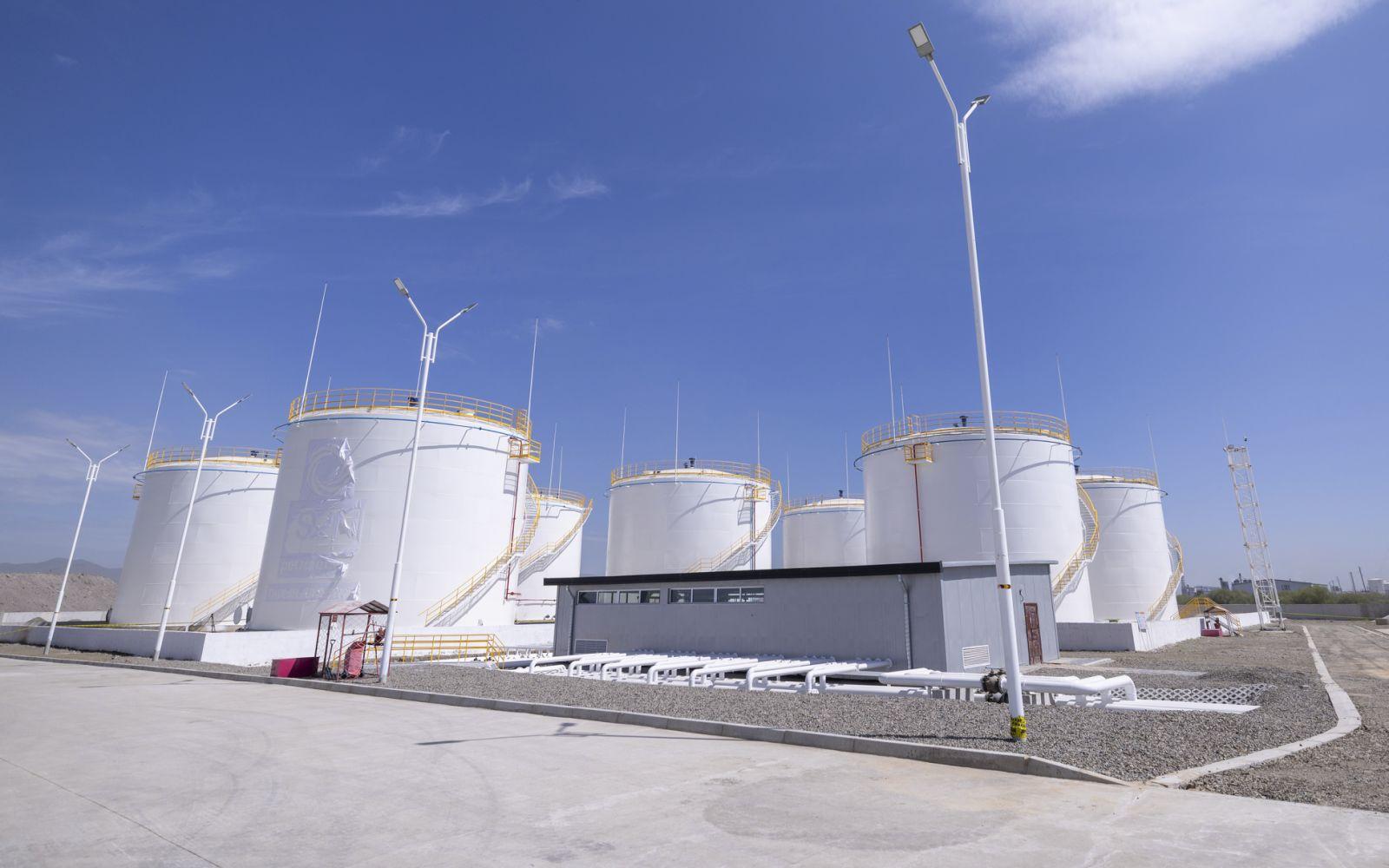
A new fuel storage tank complex has been completed in Mongolia, marking a significant step towards strengthening the country's energy independence as part of the government's program for 2024–2028. The project, implemented by San Petroleum LLC, received state support and now includes a storage facility with a capacity of 16,000 m³, as reported by Zogii.mn.
The new facility has a high throughput capacity, allowing for the simultaneous unloading of 14 railway tank cars. The opening of the storage facility is expected to significantly improve the processes of procurement, placement, and distribution of petroleum products, as well as minimize the risks of disruptions in the domestic market.
The government's long-term plan includes a phased expansion of fuel storage capacities aimed at creating a strategic reserve of petroleum products that will meet the country's needs for 3–6 months. The launch of this facility serves as a practical example of state policy aimed at ensuring energy security and reliable fuel supply for both the economy sector and citizens.
...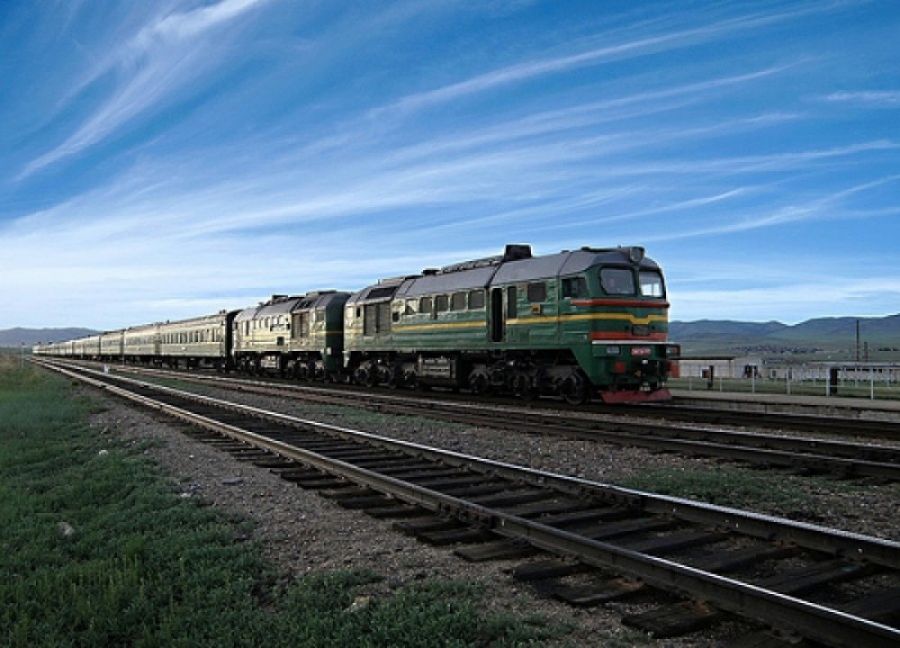
Russia, Mongolia Form Working Group To Examine Feasibility Of A Western Rail Corridor www.russiaspivottoasia.com
Mongolia and Russia have agreed to establish a working group, including representatives from China, tasked with finalizing the design details and financing terms for the Russia-Mongolia-China western railway corridor. The decision came after a meeting between Mongolian Deputy Prime Minister Nyamtaishiryn Nomtoibayar and Russian Deputy Prime Minister Alexei Overchuk.
The Mongolian government stated that “Minister Nomtoibayar expressed interest in advancing the western railway corridor project, a matter previously discussed by the two countries’ leaders during the Shanghai Cooperation Organization (SCO) summit. The railway project should be a key hub for regional trade, investment, and transport logistics.”
Overchuk emphasized the great importance of the trade and economic sphere for expanding and developing cooperation between the two countries.
Mongolia proposed constructing a railway from the northwestern border with Russia to the northwestern border with China as part of efforts to develop cooperation with the Eurasian Economic Union and China in June this year. The planned corridor is intended to link Russia with Mongolia’s Uvs Province via the Arts Suuri checkpoint on the border with Tuva, the Bulgan checkpoint in Khovd Province, and the Takshiken checkpoint on the border with China’s Xinjiang Province.
China has responded positively to the initiative, as the intensification of railway construction is part of the country’s development plan for the upcoming five-year period. Mongolian President Ukhnaagiin Khurelsukh discussed the project with President Vladimir Putin during the SCO summit in early September.
Russia, China, and Mongolia are currently implementing a project for another railway corridor linking the three nations from Altanbulag, the largest border crossing in Mongolia, on the border with Buryatia, to Zamyn-Uud on the southeastern border with China. Constructing the railway is part of the program to establish an economic corridor running from Russia through Mongolia to China. The line should be completed in 2031.
...
Mongolia Submits Candidacy for UN Security Council Non-Permanent Seat for 2048–2049 www.montsame.mn
President of Mongolia Khurelsukh Ukhnaa announced Mongolia’s candidacy for election as a non-permanent member of the United Nations Security Council for the 2048–2049 term while attending the 81st session of the UN General Assembly in New York, the United States.
While addressing the General Debate of the 81st UN General Assembly session to outline Mongolia's position on pressing international relations issues, foreign policy goals, priorities, and socio-economic status, he emphasized that Mongolia believes "UN Security Council reform must be at the core of UN reform." Consequently, Mongolia maintains a principled position advocating for an increase in both permanent and non-permanent seats on the UN Security Council, adequate representation for developing countries, and greater openness and transparency in its operations.
Mongolia is one of 58 countries that have never served as a non-permanent member of the UN Security Council.
President of Mongolia Khurelsukh Ukhnaa stated, "Our country strives to actively participate in the Security Council's activities and contribute to finding collective solutions to the issues and challenges facing the international community. Thus, Mongolia officially announces its candidacy for a non-permanent seat on the UN Security Council for the 2048-2049 term."
...
‘Gasoline disruption may last 2 to 3 years’ www.ubpost.mn
The country’s fuel shortage has stretched to roughly 50 days, with the wholesale price of AI-92 fuel climbing from 85 to 105 USD per tonne over the past month, the government’s fuel supply task force reported at a regular meeting on September 21.
State Secretary of the Ministry of Industry and Mineral Resources B.Dashpurev briefed the task force, established by Prime Minister’s order, on the country’s response to the crisis. He explained that the Ulaanbaatar Railway system currently holds a reserve of 79 railcars of AI-92 fuel, and a contract to import 8,000 tonnes of the fuel from China this month remains on track.
B.Dashpurev attributed the price spike largely to the deteriorating situation in Russia, where drone strikes have damaged oil refineries. He estimated that disruptions to Russian fuel supply could persist for two to three years, given the scale of repair and restoration work required.
To offset the shortfall, authorities are diversifying import sources. Mongolia has already brought in 2,000 tonnes of AI-92 fuel from South Korea, and officials are in talks to secure additional supply from Malaysia, Singapore and Belarus. A preliminary agreement has also been reached to import 20,000 tonnes of fuel from China next month, and all border crossings have been opened to facilitate imports.
The government’s policy is to hold the price of standard AI-92 fuel steady or limit increases to a minimum, officials said, while prices for AI-95 and diesel will continue to move according to market principles.
Distribution imbalances are also straining supply in the capital. Stocks of AI-92 fuel in Ulaanbaatar are running low as reserves are redirected to rural areas, and four provinces are currently experiencing delivery delays. Officials noted that Euro-95 fuel supplies remain sufficient nationwide, with the shortage concentrated in standard AI-92 grade. Businesses have been urged to build up their own reserves as a precaution.
Responding to public complaints over fuel quality, the task force said inspections and monitoring of fuel currently on sale would be carried out. Price data for October is expected to be released on September 25, officials added, as authorities prepare fuel storage capacity ahead of anticipated continued volatility.
...
Mongolia, Australia discuss increasing Oyu Tolgoi returns and localizing technology www.gogo.mn
On September 22, 2026, Prime Minister of Mongolia N.Uchral received Milton Dick, Speaker of the House of Representatives of Australia, and held broad discussions on bilateral cooperation.
Prime Minister N.Uchral described Australia as an important “third neighbor” and a close partner in the Pacific region, sharing common values with Mongolia including democracy, human rights, the rule of law, and a market economy.
He noted that mining and mineral resources are among the key areas of economic cooperation between the two countries, with the Oyu Tolgoi project being a major example.
The Prime Minister highlighted the Government’s negotiations with Rio Tinto Group, noting that progress had been made in reducing project costs and increasing the returns accruing to the Mongolian side. He said Mongolia would continue working to maximize the project’s long-term benefits, develop a national workforce, increase the participation of domestic companies in the project’s supply chain, and localize technology and know-how.
Prime Minister N.Uchral also expressed interest in increasing bilateral trade and making its structure more balanced, diversified, and mutually beneficial, particularly by expanding the range and volume of Mongolian exports to Australia.
He said the Government is implementing comprehensive reforms to improve the investment and business environment and protect investors’ legitimate interests. In particular, he highlighted the “Let’s Free” initiative, which he originally proposed while serving as Speaker of Parliament and is now being advanced as a government policy, focusing on reducing bureaucracy, transferring certain government functions and services to the private sector, and promoting investment and innovation.
The Prime Minister also expressed interest in working with Australia, a global leader in renewable energy, to draw on its expertise in investment, technology, standards, accreditation, and professional training.
In particular, Mongolia proposed cooperation in specialist training and certification by studying Australia’s accreditation system for photovoltaic (PV) installers and designers, with the aim of improving safety and quality in the installation and operation of rooftop solar power systems.
Bilateral trade reached USD 66.8 million in 2025, while approximately 28,000 Mongolian citizens live in Australia.
The Prime Minister also requested Australia’s attention to improving visa conditions and post-graduation employment opportunities for Mongolian students studying in the country.
The two sides aim to advance Mongolia-Australia relations toward a Comprehensive Partnership and translate agreements reached during high-level reciprocal visits into concrete results.
...
Plan Presented to Reach USD 5.5 Billion Foreign Investment www.montsame.mn
At the regular session of the Cabinet of Mongolia on September 23, 2026, Dorjkhand Togmid, Deputy Prime Minister, presented a draft action plan for implementing comprehensive measures to attract, retain, and support investments.
The 2026-2028 plan aims to attract foreign investment, steadily increase its inflows, and retain capital in Mongolia. A primary objective is to bring the country's annual foreign direct investment inflows to USD 5.5 billion by 2028.
Deputy PM Dorjkhand emphasized that both foreign and domestic investments are crucial for ensuring sustainable economic growth, diversifying the economy, boosting productivity and competitiveness, and introducing new technology, knowledge, and innovation.
The action plan was developed across five key areas:
Creating a favorable legal environment for investment
Developing a system to attract foreign investment
Strengthening institutional capacity and human resources
Resolving the grievances of foreign investors
Establishing an investor aftercare system
The plan will be jointly implemented by the Ministry of Economy and Development, the Ministry of Foreign Affairs, the Ministry of Finance, and the Ministry of Digital Development, Innovation and Communications.

Coal Pyrolysis Plant to Be Built in Baganuur through Public-Private Partnership www.montsame.mn
At its regular meeting, the Government decided to establish a coal pyrolysis plant based on the Baganuur coal mine through a public-private partnership.
The Board of Directors of Chinggis Khaan Sovereign Wealth Fund Holding LLC was tasked with establishing Baganuur Coal-Chemical Plant LLC, which will operate the plant, in partnership with a legal entity owned by the capital city. Chinggis Khaan Sovereign Wealth Fund Holding LLC will hold 67 percent of the company’s total issued common shares, and the remaining 33 percent will be held by a shareholder to be determined by a resolution of the Citizens’ Representative Khural of the Capital City.
To reduce air pollution in Ulaanbaatar, Prime Minister Uchral Nyam-Osor has instructed that construction of the coal pyrolysis plant, with an annual capacity to produce 600,000 tonnes of semi-coke and a 40 MW thermal power plant, and employing 400 people, begin in the fourth quarter of this year and be commissioned in the first quarter of 2028.
Chinggis Khaan Sovereign Wealth Fund Holding plans to exercise its ownership stake through Erdenes Industrial and Technological Park LLC, while the capital city plans to exercise its stake through Ulaanbaatar Partnership Fund Private Fund LLC.
The adoption of the Government resolution establishes the legal entity representing the public-sector partner and creates the conditions for conducting the selection process, concluding the partnership agreement, and preparing for construction.
...- 1
- 2
- 3
- 4
- 5
- 6
- 7
- 8
- 9
- 10
- 11
- 12
- 13
- 14
- 15
- 16
- 17
- 18
- 19
- 20
- 21
- 22
- 23
- 24
- 25
- 26
- 27
- 28
- 29
- 30
- 31
- 32
- 33
- 34
- 35
- 36
- 37
- 38
- 39
- 40
- 41
- 42
- 43
- 44
- 45
- 46
- 47
- 48
- 49
- 50
- 51
- 52
- 53
- 54
- 55
- 56
- 57
- 58
- 59
- 60
- 61
- 62
- 63
- 64
- 65
- 66
- 67
- 68
- 69
- 70
- 71
- 72
- 73
- 74
- 75
- 76
- 77
- 78
- 79
- 80
- 81
- 82
- 83
- 84
- 85
- 86
- 87
- 88
- 89
- 90
- 91
- 92
- 93
- 94
- 95
- 96
- 97
- 98
- 99
- 100
- 101
- 102
- 103
- 104
- 105
- 106
- 107
- 108
- 109
- 110
- 111
- 112
- 113
- 114
- 115
- 116
- 117
- 118
- 119
- 120
- 121
- 122
- 123
- 124
- 125
- 126
- 127
- 128
- 129
- 130
- 131
- 132
- 133
- 134
- 135
- 136
- 137
- 138
- 139
- 140
- 141
- 142
- 143
- 144
- 145
- 146
- 147
- 148
- 149
- 150
- 151
- 152
- 153
- 154
- 155
- 156
- 157
- 158
- 159
- 160
- 161
- 162
- 163
- 164
- 165
- 166
- 167
- 168
- 169
- 170
- 171
- 172
- 173
- 174
- 175
- 176
- 177
- 178
- 179
- 180
- 181
- 182
- 183
- 184
- 185
- 186
- 187
- 188
- 189
- 190
- 191
- 192
- 193
- 194
- 195
- 196
- 197
- 198
- 199
- 200
- 201
- 202
- 203
- 204
- 205
- 206
- 207
- 208
- 209
- 210
- 211
- 212
- 213
- 214
- 215
- 216
- 217
- 218
- 219
- 220
- 221
- 222
- 223
- 224
- 225
- 226
- 227
- 228
- 229
- 230
- 231
- 232
- 233
- 234
- 235
- 236
- 237
- 238
- 239
- 240
- 241
- 242
- 243
- 244
- 245
- 246
- 247
- 248
- 249
- 250
- 251
- 252
- 253
- 254
- 255
- 256
- 257
- 258
- 259
- 260
- 261
- 262
- 263
- 264
- 265
- 266
- 267
- 268
- 269
- 270
- 271
- 272
- 273
- 274
- 275
- 276
- 277
- 278
- 279
- 280
- 281
- 282
- 283
- 284
- 285
- 286
- 287
- 288
- 289
- 290
- 291
- 292
- 293
- 294
- 295
- 296
- 297
- 298
- 299
- 300
- 301
- 302
- 303
- 304
- 305
- 306
- 307
- 308
- 309
- 310
- 311
- 312
- 313
- 314
- 315
- 316
- 317
- 318
- 319
- 320
- 321
- 322
- 323
- 324
- 325
- 326
- 327
- 328
- 329
- 330
- 331
- 332
- 333
- 334
- 335
- 336
- 337
- 338
- 339
- 340
- 341
- 342
- 343
- 344
- 345
- 346
- 347
- 348
- 349
- 350
- 351
- 352
- 353
- 354
- 355
- 356
- 357
- 358
- 359
- 360
- 361
- 362
- 363
- 364
- 365
- 366
- 367
- 368
- 369
- 370
- 371
- 372
- 373
- 374
- 375
- 376
- 377
- 378
- 379
- 380
- 381
- 382
- 383
- 384
- 385
- 386
- 387
- 388
- 389
- 390
- 391
- 392
- 393
- 394
- 395
- 396
- 397
- 398
- 399
- 400
- 401
- 402
- 403
- 404
- 405
- 406
- 407
- 408
- 409
- 410
- 411
- 412
- 413
- 414
- 415
- 416
- 417
- 418
- 419
- 420
- 421
- 422
- 423
- 424
- 425
- 426
- 427
- 428
- 429
- 430
- 431
- 432
- 433
- 434
- 435
- 436
- 437
- 438
- 439
- 440
- 441
- 442
- 443
- 444
- 445
- 446
- 447
- 448
- 449
- 450
- 451
- 452
- 453
- 454
- 455
- 456
- 457
- 458
- 459
- 460
- 461
- 462
- 463
- 464
- 465
- 466
- 467
- 468
- 469
- 470
- 471
- 472
- 473
- 474
- 475
- 476
- 477
- 478
- 479
- 480
- 481
- 482
- 483
- 484
- 485
- 486
- 487
- 488
- 489
- 490
- 491
- 492
- 493
- 494
- 495
- 496
- 497
- 498
- 499
- 500
- 501
- 502
- 503
- 504
- 505
- 506
- 507
- 508
- 509
- 510
- 511
- 512
- 513
- 514
- 515
- 516
- 517
- 518
- 519
- 520
- 521
- 522
- 523
- 524
- 525
- 526
- 527
- 528
- 529
- 530
- 531
- 532
- 533
- 534
- 535
- 536
- 537
- 538
- 539
- 540
- 541
- 542
- 543
- 544
- 545
- 546
- 547
- 548
- 549
- 550
- 551
- 552
- 553
- 554
- 555
- 556
- 557
- 558
- 559
- 560
- 561
- 562
- 563
- 564
- 565
- 566
- 567
- 568
- 569
- 570
- 571
- 572
- 573
- 574
- 575
- 576
- 577
- 578
- 579
- 580
- 581
- 582
- 583
- 584
- 585
- 586
- 587
- 588
- 589
- 590
- 591
- 592
- 593
- 594
- 595
- 596
- 597
- 598
- 599
- 600
- 601
- 602
- 603
- 604
- 605
- 606
- 607
- 608
- 609
- 610
- 611
- 612
- 613
- 614
- 615
- 616
- 617
- 618
- 619
- 620
- 621
- 622
- 623
- 624
- 625
- 626
- 627
- 628
- 629
- 630
- 631
- 632
- 633
- 634
- 635
- 636
- 637
- 638
- 639
- 640
- 641
- 642
- 643
- 644
- 645
- 646
- 647
- 648
- 649
- 650
- 651
- 652
- 653
- 654
- 655
- 656
- 657
- 658
- 659
- 660
- 661
- 662
- 663
- 664
- 665
- 666
- 667
- 668
- 669
- 670
- 671
- 672
- 673
- 674
- 675
- 676
- 677
- 678
- 679
- 680
- 681
- 682
- 683
- 684
- 685
- 686
- 687
- 688
- 689
- 690
- 691
- 692
- 693
- 694
- 695
- 696
- 697
- 698
- 699
- 700
- 701
- 702
- 703
- 704
- 705
- 706
- 707
- 708
- 709
- 710
- 711
- 712
- 713
- 714
- 715
- 716
- 717
- 718
- 719
- 720
- 721
- 722
- 723
- 724
- 725
- 726
- 727
- 728
- 729
- 730
- 731
- 732
- 733
- 734
- 735
- 736
- 737
- 738
- 739
- 740
- 741
- 742
- 743
- 744
- 745
- 746
- 747
- 748
- 749
- 750
- 751
- 752
- 753
- 754
- 755
- 756
- 757
- 758
- 759
- 760
- 761
- 762
- 763
- 764
- 765
- 766
- 767
- 768
- 769
- 770
- 771
- 772
- 773
- 774
- 775
- 776
- 777
- 778
- 779
- 780
- 781
- 782
- 783
- 784
- 785
- 786
- 787
- 788
- 789
- 790
- 791
- 792
- 793
- 794
- 795
- 796
- 797
- 798
- 799
- 800
- 801
- 802
- 803
- 804
- 805
- 806
- 807
- 808
- 809
- 810
- 811
- 812
- 813
- 814
- 815
- 816
- 817
- 818
- 819
- 820
- 821
- 822
- 823
- 824
- 825
- 826
- 827
- 828
- 829
- 830
- 831
- 832
- 833
- 834
- 835
- 836
- 837
- 838
- 839
- 840
- 841
- 842
- 843
- 844
- 845
- 846
- 847
- 848
- 849
- 850
- 851
- 852
- 853
- 854
- 855
- 856
- 857
- 858
- 859
- 860
- 861
- 862
- 863
- 864
- 865
- 866
- 867
- 868
- 869
- 870
- 871
- 872
- 873
- 874
- 875
- 876
- 877
- 878
- 879
- 880
- 881
- 882
- 883
- 884
- 885
- 886
- 887
- 888
- 889
- 890
- 891
- 892
- 893
- 894
- 895
- 896
- 897
- 898
- 899
- 900
- 901
- 902
- 903
- 904
- 905
- 906
- 907
- 908
- 909
- 910
- 911
- 912
- 913
- 914
- 915
- 916
- 917
- 918
- 919
- 920
- 921
- 922
- 923
- 924
- 925
- 926
- 927
- 928
- 929
- 930
- 931
- 932
- 933
- 934
- 935
- 936
- 937
- 938
- 939
- 940
- 941
- 942
- 943
- 944
- 945
- 946
- 947
- 948
- 949
- 950
- 951
- 952
- 953
- 954
- 955
- 956
- 957
- 958
- 959
- 960
- 961
- 962
- 963
- 964
- 965
- 966
- 967
- 968
- 969
- 970
- 971
- 972
- 973
- 974
- 975
- 976
- 977
- 978
- 979
- 980
- 981
- 982
- 983
- 984
- 985
- 986
- 987
- 988
- 989
- 990
- 991
- 992
- 993
- 994
- 995
- 996
- 997
- 998
- 999
- 1000
- 1001
- 1002
- 1003
- 1004
- 1005
- 1006
- 1007
- 1008
- 1009
- 1010
- 1011
- 1012
- 1013
- 1014
- 1015
- 1016
- 1017
- 1018
- 1019
- 1020
- 1021
- 1022
- 1023
- 1024
- 1025
- 1026
- 1027
- 1028
- 1029
- 1030
- 1031
- 1032
- 1033
- 1034
- 1035
- 1036
- 1037
- 1038
- 1039
- 1040
- 1041
- 1042
- 1043
- 1044
- 1045
- 1046
- 1047
- 1048
- 1049
- 1050
- 1051
- 1052
- 1053
- 1054
- 1055
- 1056
- 1057
- 1058
- 1059
- 1060
- 1061
- 1062
- 1063
- 1064
- 1065
- 1066
- 1067
- 1068
- 1069
- 1070
- 1071
- 1072
- 1073
- 1074
- 1075
- 1076
- 1077
- 1078
- 1079
- 1080
- 1081
- 1082
- 1083
- 1084
- 1085
- 1086
- 1087
- 1088
- 1089
- 1090
- 1091
- 1092
- 1093
- 1094
- 1095
- 1096
- 1097
- 1098
- 1099
- 1100
- 1101
- 1102
- 1103
- 1104
- 1105
- 1106
- 1107
- 1108
- 1109
- 1110
- 1111
- 1112
- 1113
- 1114
- 1115
- 1116
- 1117
- 1118
- 1119
- 1120
- 1121
- 1122
- 1123
- 1124
- 1125
- 1126
- 1127
- 1128
- 1129
- 1130
- 1131
- 1132
- 1133
- 1134
- 1135
- 1136
- 1137
- 1138
- 1139
- 1140
- 1141
- 1142
- 1143
- 1144
- 1145
- 1146
- 1147
- 1148
- 1149
- 1150
- 1151
- 1152
- 1153
- 1154
- 1155
- 1156
- 1157
- 1158
- 1159
- 1160
- 1161
- 1162
- 1163
- 1164
- 1165
- 1166
- 1167
- 1168
- 1169
- 1170
- 1171
- 1172
- 1173
- 1174
- 1175
- 1176
- 1177
- 1178
- 1179
- 1180
- 1181
- 1182
- 1183
- 1184
- 1185
- 1186
- 1187
- 1188
- 1189
- 1190
- 1191
- 1192
- 1193
- 1194
- 1195
- 1196
- 1197
- 1198
- 1199
- 1200
- 1201
- 1202
- 1203
- 1204
- 1205
- 1206
- 1207
- 1208
- 1209
- 1210
- 1211
- 1212
- 1213
- 1214
- 1215
- 1216
- 1217
- 1218
- 1219
- 1220
- 1221
- 1222
- 1223
- 1224
- 1225
- 1226
- 1227
- 1228
- 1229
- 1230
- 1231
- 1232
- 1233
- 1234
- 1235
- 1236
- 1237
- 1238
- 1239
- 1240
- 1241
- 1242
- 1243
- 1244
- 1245
- 1246
- 1247
- 1248
- 1249
- 1250
- 1251
- 1252
- 1253
- 1254
- 1255
- 1256
- 1257
- 1258
- 1259
- 1260
- 1261
- 1262
- 1263
- 1264
- 1265
- 1266
- 1267
- 1268
- 1269
- 1270
- 1271
- 1272
- 1273
- 1274
- 1275
- 1276
- 1277
- 1278
- 1279
- 1280
- 1281
- 1282
- 1283
- 1284
- 1285
- 1286
- 1287
- 1288
- 1289
- 1290
- 1291
- 1292
- 1293
- 1294
- 1295
- 1296
- 1297
- 1298
- 1299
- 1300
- 1301
- 1302
- 1303
- 1304
- 1305
- 1306
- 1307
- 1308
- 1309
- 1310
- 1311
- 1312
- 1313
- 1314
- 1315
- 1316
- 1317
- 1318
- 1319
- 1320
- 1321
- 1322
- 1323
- 1324
- 1325
- 1326
- 1327
- 1328
- 1329
- 1330
- 1331
- 1332
- 1333
- 1334
- 1335
- 1336
- 1337
- 1338
- 1339
- 1340
- 1341
- 1342
- 1343
- 1344
- 1345
- 1346
- 1347
- 1348
- 1349
- 1350
- 1351
- 1352
- 1353
- 1354
- 1355
- 1356
- 1357
- 1358
- 1359
- 1360
- 1361
- 1362
- 1363
- 1364
- 1365
- 1366
- 1367
- 1368
- 1369
- 1370
- 1371
- 1372
- 1373
- 1374
- 1375
- 1376
- 1377
- 1378
- 1379
- 1380
- 1381
- 1382
- 1383
- 1384
- 1385
- 1386
- 1387
- 1388
- 1389
- 1390
- 1391
- 1392
- 1393
- 1394
- 1395
- 1396
- 1397
- 1398
- 1399
- 1400
- 1401
- 1402
- 1403
- 1404
- 1405
- 1406
- 1407
- 1408
- 1409
- 1410
- 1411
- 1412
- 1413
- 1414
- 1415
- 1416
- 1417
- 1418
- 1419
- 1420
- 1421
- 1422
- 1423
- 1424
- 1425
- 1426
- 1427
- 1428
- 1429
- 1430
- 1431
- 1432
- 1433
- 1434
- 1435
- 1436
- 1437
- 1438
- 1439
- 1440
- 1441
- 1442
- 1443
- 1444
- 1445
- 1446
- 1447
- 1448
- 1449
- 1450
- 1451
- 1452
- 1453
- 1454
- 1455
- 1456
- 1457
- 1458
- 1459
- 1460
- 1461
- 1462
- 1463
- 1464
- 1465
- 1466
- 1467
- 1468
- 1469
- 1470
- 1471
- 1472
- 1473
- 1474
- 1475
- 1476
- 1477
- 1478
- 1479
- 1480
- 1481
- 1482
- 1483
- 1484
- 1485
- 1486
- 1487
- 1488
- 1489
- 1490
- 1491
- 1492
- 1493
- 1494
- 1495
- 1496
- 1497
- 1498
- 1499
- 1500
- 1501
- 1502
- 1503
- 1504
- 1505
- 1506
- 1507
- 1508
- 1509
- 1510
- 1511
- 1512
- 1513
- 1514
- 1515
- 1516
- 1517
- 1518
- 1519
- 1520
- 1521
- 1522
- 1523
- 1524
- 1525
- 1526
- 1527
- 1528
- 1529
- 1530
- 1531
- 1532
- 1533
- 1534
- 1535
- 1536
- 1537
- 1538
- 1539
- 1540
- 1541
- 1542
- 1543
- 1544
- 1545
- 1546
- 1547
- 1548
- 1549
- 1550
- 1551
- 1552
- 1553
- 1554
- 1555
- 1556
- 1557
- 1558
- 1559
- 1560
- 1561
- 1562
- 1563
- 1564
- 1565
- 1566
- 1567
- 1568
- 1569
- 1570
- 1571
- 1572
- 1573
- 1574
- 1575
- 1576
- 1577
- 1578
- 1579
- 1580
- 1581
- 1582
- 1583
- 1584
- 1585
- 1586
- 1587
- 1588
- 1589
- 1590
- 1591
- 1592
- 1593
- 1594
- 1595
- 1596
- 1597
- 1598
- 1599
- 1600
- 1601
- 1602
- 1603
- 1604
- 1605
- 1606
- 1607
- 1608
- 1609
- 1610
- 1611
- 1612
- 1613
- 1614
- 1615
- 1616
- 1617
- 1618
- 1619
- 1620
- 1621
- 1622
- 1623
- 1624
- 1625
- 1626
- 1627
- 1628
- 1629
- 1630
- 1631
- 1632
- 1633
- 1634
- 1635
- 1636
- 1637
- 1638
- 1639
- 1640
- 1641
- 1642
- 1643
- 1644
- 1645
- 1646
- 1647
- 1648
- 1649
- 1650
- 1651
- 1652
- 1653
- 1654
- 1655
- 1656
- 1657
- 1658
- 1659
- 1660
- 1661
- 1662
- 1663
- 1664
- 1665
- 1666
- 1667
- 1668
- 1669
- 1670
- 1671
- 1672
- 1673
- 1674
- 1675
- 1676
- 1677
- 1678
- 1679
- 1680
- 1681
- 1682
- 1683
- 1684
- 1685
- 1686
- 1687
- 1688
- 1689
- 1690
- 1691
- 1692
- 1693
- 1694
- 1695
- 1696
- 1697
- 1698
- 1699
- 1700
- 1701
- 1702
- 1703
- 1704
- 1705
- 1706
- 1707
- 1708
- 1709
- 1710
- 1711
- 1712
- 1713
- 1714
- 1715
- 1716
- 1717
- 1718
- 1719
- 1720
- 1721
- 1722
- 1723
- 1724
- 1725
- 1726
- 1727
- 1728
- 1729
- 1730
- 1731
- 1732
- 1733
- 1734
- 1735
- 1736
- 1737
- 1738
- 1739
- 1740
- 1741
- 1742
- 1743
- 1744
- 1745
- 1746
- 1747
- 1748
- 1749
- 1750
- 1751
- 1752
- 1753
- 1754
- 1755
- 1756
- 1757
- 1758
- 1759
- 1760
- 1761
- 1762
- 1763
- 1764
- 1765
- 1766
- 1767
- 1768
- 1769
- 1770
- 1771
- 1772
- 1773
- 1774
- 1775
- 1776
- 1777
- 1778
- 1779
- 1780
- 1781
- 1782
- 1783
- 1784
- 1785
- 1786
- 1787
- 1788
- 1789
- 1790
- 1791
- 1792
- 1793
- 1794
- 1795
- 1796
- 1797
- 1798
- 1799
- 1800
- 1801
- 1802
- 1803
- 1804
- 1805
- 1806
- 1807
- 1808
- 1809
- 1810
- 1811
- 1812
- 1813
- 1814
- 1815
- 1816
- 1817
- 1818
- 1819
- 1820
- 1821
- »


