
Category
- Agriculture
- Automobiles and Machinery
- Bank, non banking financing, investment
- Blasting
- Construction
- Consumables
- Education
- Energy
- Engineer , Architecture and Geodesy
- Finance, Audit,Accounting and Brokerage
- Food
- Foreign Trade
- Geology Exploration
- Health
- Information Technology
- Insurance
- Labor Safety
- Legal and Business consulting
- Lighting
- Mining equipment
- Mining Services
- Other product and service
- Road
- Sewing and textile products
- Transportations
- Travel
Events

Events
| Name | organizer | Where |
|---|---|---|
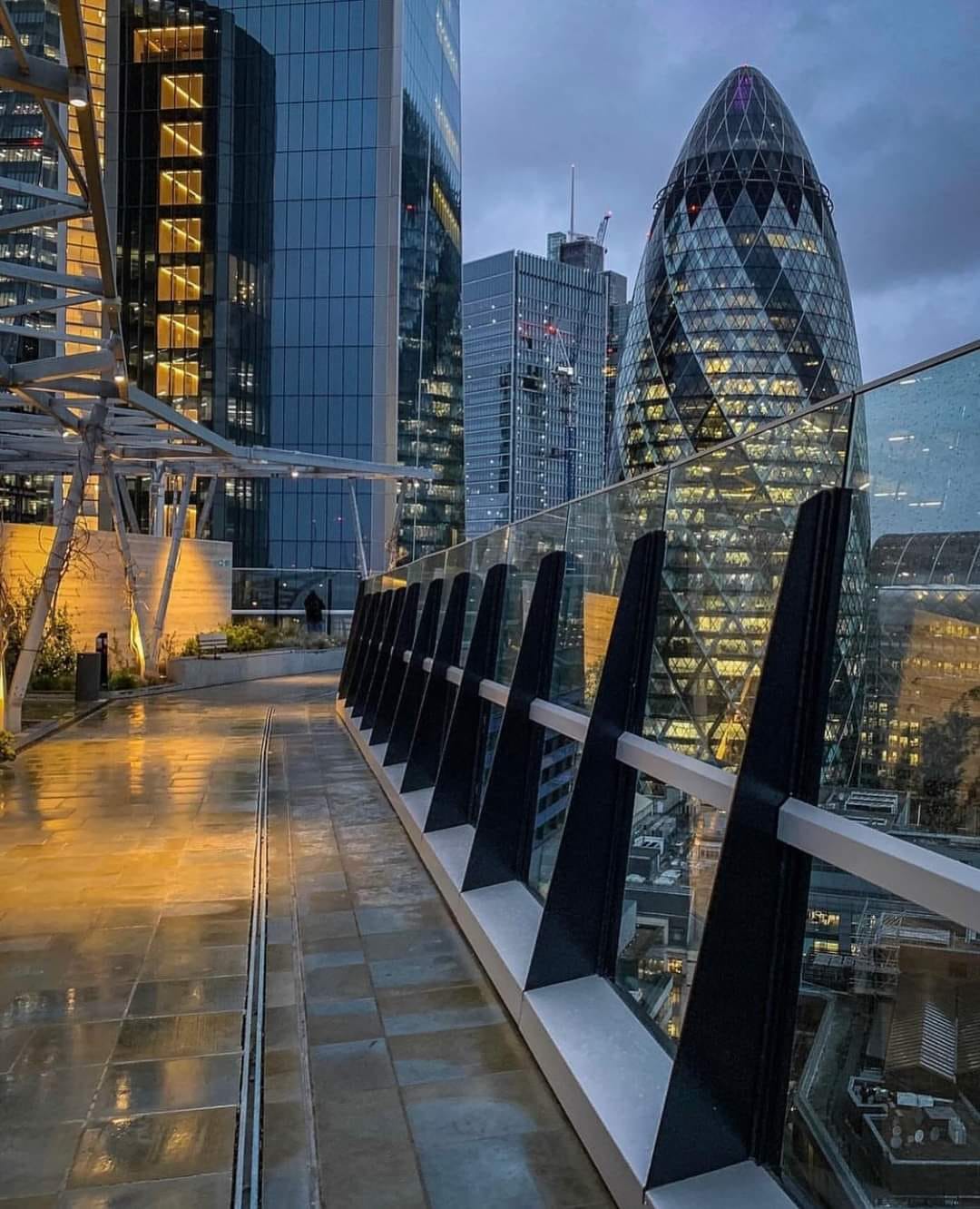
| MBCC “Doing Business with Mongolia seminar and Christmas Receptiom” Dec 10. 2025 London UK | MBCCI | London UK Goodman LLC |
NEWS
National Sports Stadium to be established www.montsame.mn
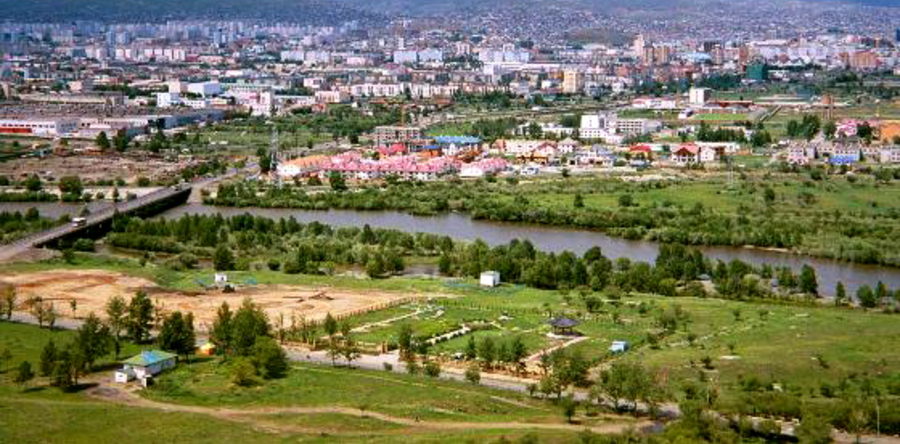
Ulaanbaatar /MONTSAME/ At its regular meeting on August 7, the Cabinet discussed the plan to newly build an ethnic, eco-friendly, indoor sports stadium with a seating capacity of 50 to 60 thousand. A contest to design the year-round stadium, capable of hosting a variety of international sports competitions and art and cultural events in addition to the Naadam festival, has been announced.
The new stadium is planned to be constructed either in the southeast of the Nisekh-Yarmag traffic circle in Khan-Uul district or around the Mongol Naadam complex in Khui Doloon Khudag, Songinokhairkhan district and commissioned by the 2021 Naadam festival, on the occasion of the 100th anniversary of the People’s Revolution.
Head of the Cabinet Secretariat L.Oyun-Erdene is leading the working group in charge of both the project development and its budget.

With an eye on Russia and China, U.S. defense secretary visits Mongolia www.reuters.com
ULAN BATOR (Reuters) - U.S. Defense Secretary Mark Esper is set to meet senior Mongolian leaders on Thursday in a rare visit to the strategically important nation to deepen ties, as the Pentagon seeks to implement its strategy of focusing on countering China and Russia.
On a map, Mongolia, locked between Russia and China, best represents the Pentagon’s priorities over the coming decades.
Esper’s visit to Mongolia, on his first international trip since being confirmed as defense secretary, highlights the importance the country is seen as playing in the region.
This is the first visit to the country by a defense secretary since 2014, when Chuck Hagel spent about four hours there. Esper will be spending a night in the capital, Ulan Bator.
On Wednesday evening, Esper was welcomed to Ulan Bator according to custom, and tried dried milk curd upon stepping off the plane at Chinggis Khaan International Airport, named after the country’s warrior-emperor.
He is set to meet Mongolia’s president and defense minister on Thursday.
But the ceremonial highlight of the visit will be when Esper is given a horse as a present later in the day.
“Mongolia is, given its location, given its interest in working more with us, their ‘third neighbor’ policy, all those things, is the reason why I want to go there and engage,” Esper told reporters traveling with him around Asia earlier this week.
Mongolia is eager for investment from the United States and other countries it considers “third neighbors” to help it reduce its economic dependence on China, through which most of its exports of cashmere and other goods move.
Late last month, Mongolian President Battulga Khaltmaa visited Washington to meet with President Donald Trump.
“They have been a good ally that punches above its weight, and I think Secretary Esper wants to acknowledge (that) and see if there are ways to grow the partnership further,” said a senior U.S. defense official, speaking on the condition of anonymity.
The official said that while this trip was not about promoting any specific initiative, the United States is keen to look at expanding ties, potentially in areas like military training, which could take advantage of Mongolia’s cold weather.
REGIONAL IMPORTANCE
Esper’s trip to Mongolia comes at a particularly tense time in relations between the United States and China, which are locked into an escalating trade war.
Last year, the U.S. military put countering China and Russia at the center of a new national defense strategy, shifting priorities after more than a decade and a half of focusing on the fight against Islamist militants.
Mongolia has been a consistent U.S. military partner, providing troops to U.S.-led missions in Iraq and Afghanistan, where it still has about 200 troops.
It also has a relationship with North Korea, something Washington could leverage as Trump seeks to revive stalled denuclearization talks with Pyongyang. The country is accessible by rail from North Korea.
“Mongolia is not going to side entirely with anybody against anybody,” said Abraham Denmark, a former U.S. deputy assistant secretary of defense for East Asia.
“But they are looking to bolster their relationships with the United States because possibly they want American economic engagement and political engagement, but also because it gives them a bit more breathing space in their relations with Beijing and Moscow,” Denmark said.
Reporting by Idrees Ali; editing by Jonathan Oatis
...
Repairing Mongolia’s darkest history www.news.mn
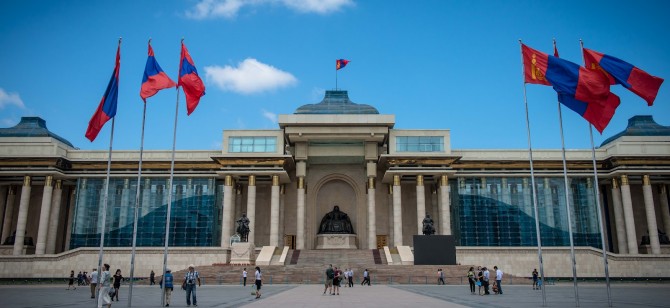
The murder of tens of thousands of Mongolians by communist leaders from the 1930’s to the mid 1950’s was chronicled by a Mongolian woman named G.Tserendulam, who opened the Victims of Political Persecution Memorial Museum in Ulaanbaatar in 1992. She did this partially in remembrance of her father, former Prime Minister P.Genden, who was executed by the KGB in 1937 for bravely resisting directives from Stalin.
The museum, housed in a humble wooden house has been closed for two years by order of General Agency for Specialized Investigation. After 16 years since it has first repaired, the museum is now under reconstruction.
The museum is now owned by P.Genden’s grandson S.Bekhbat. According to him, the museum is to increase the number of its exhibits from 160 to 200.
G.Tserendulam was only nine years old when P.Genden was dismissed as PM in 1936, after rejecting Stalin’s demands to disband the Buddhist clergy and give Moscow more control. P.Genden’s family was exiled to the Soviet Union, where they were held for over a year near the Black Sea. G.Tserendulam last saw her father one day in 1937, when police whisked him away after lunch – later they executed him. But it wasn’t until 54 years later that she actually received confirmation of his execution via a letter from Mikhail Gorbachev in 1992. The number of people killed in the Mongolian purges is usually estimated to have been between 22,000 and 35,000 people, or about three to four percent of the country’s population at that time. Nearly 18,000 victims were Buddhist lamas.

President’s defence adviser under investigation www.news.mn
Lieutenant-General D.Davaa, one of the advisers to Mongolian President Kh.Battulga is being investigated by the Independent Authority Anti-Corruption, according to the ‘Unuudur’ daily newspaper.
D.Davaa is accused of illegally appointing retired Lieutenant-General Ts.Byambajav as an academic at the Peacekeeping Training Centre or 311st military unit of Mongolian Armed Force when he was Chief of General Staff of the Mongolian Armed Forces in 2017. Until he was dismissed from the post in February, 2019, Ts.Byambajav allegedly illegally benefited from a pension worth of MNT 12.2 million.
Former Chief of General Staff D.Davaa was appointed as an adviser to the president in charge of defence affairs in January, 2019.
Mongolia-Indian IT outsourcing center to be built www.montsame.mn
Ulaanbaatar /MONTSAME/ State Secretary of Ministry of Education, Culture, Science and Sports B.Bayarsaikhan received delegates of Indian “Lovely International Trust” company, which was selected as an executor of the second complex project “Mongolia-India Information Technology Education and Outsourcing Center” to be implemented by the Ministry. The center, to be built by the soft loan from the Indian Government and Export–Import Bank of India, will be equipped with the latest technologies and engineers and instructors to work at the center will also be trained.
On the significance of the center, State Secretary B.Bayarsaikhan noted “Training Mongolian engineers and becoming a bridge to export their knowledge, the Mongolian-Indian Outsourcing Center will serve as a Call Center, executing the works in Mongolia like other IT companies of highly developed countries do.”
After the meeting, the sides signed an agreement between the Ministry and Lovely International Trust company. Ambassador of India to Mongolia Mohinder Pratap Singh, who was present at the signing, said “As a result of this project, a part of major projects being carried out in the scope of the Strategic Partnership between Mongolia and India to strengthen the bilateral cooperation, ten thousand young professionals from Mongolia will be trained in India and the human capital of the IT industry will be increased”.

N China's Inner Mongolia opens Mongolian WeChat account www.xinhuanet.com
North China's Inner Mongolia Autonomous Region has launched its Mongolian language WeChat public account as a new channel of policy communication with the public, according to local authorities.
The official WeChat account, based on the country's most popular social network, will not only release timely information on important policies and major events of the region's government in Mongolian, but provide free services including translation between Chinese and Mongolian for the public.
The account can help more people share timely information on the region's policies and events and improve the government's services for the public, according to local authorities.
WeChat, which was created by the Chinese firm Tencent in 2011, is the leading social media app in China.
In addition to being an interactive social media platform, WeChat allows users to manage their accounts and purchase or pay for goods and services, such as air tickets and taxi fares.
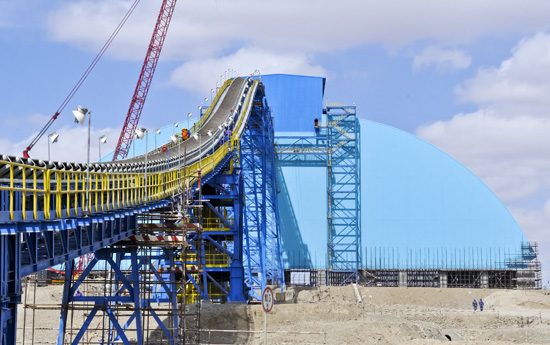
World's largest ore chute created in Sudbury www.northernontariobusiness.com
A manufacturing shop in Greater Sudbury has created the largest ore chute in the world, which will soon be shipped out and installed in one of the largest copper and gold mining operations in the world, the Rio Tinto Oyu Tolgoi mine in Mongolia.
The massive steel chute, as big as a house and with built-in safety features, was manufactured at Variant Mining Technologies in Lively. It is the prototype for several other chutes that will be installed at the mine in the coming months and years.
An ore chute is a device that allows chunks of rock (muck) to be transported by force of gravity from one level of the mine to another level. The chute is used to control the flow of muck, or waste rock, so that haulage equipment such as scooptrams, ore trucks or even underground rail cars can be loaded quickly and safely.
Variant’s website describes the company as a global leader in loading chute systems, which can explain why company designers decided to go so big.
“The size of the chute was driven by the size of the material they are actually processing and the tonnage that will be processed," said Variant general manager Paul Chamberland.
"(The throat) is 800 by 800 by 1,200 millimetres, which is the maximum dimension of rock we are working with, and the tonnage is an instantaneous rate of 10,000 tonnes per hour."
Despite its size, Chamberland said the entire chute can be broken down into individual modules, making it easier to be moved. He added that the dismantled components can be transported down a mine ramp or loaded onto the cage in the mine shaft. That way the chute can be bolted back together and installed deep in the mine.
Want to read more stories about business in the North? Subscribe to our newsletter.
The project has been a few years in the making, according to Derek Meloche, Variant’s manager of business development and sales.
“So we started pursuing the client in 2016, which was our first trip to Mongolia,” said Meloche.
“Strategically, we believe that to conduct business in certain countries you need representation there to do it effectively. So we went over there with the intent of finding a partner, which we have found. We have a partner in Ulaanbaatar, which is Mongolia’s capital city.”
He said he was pleased that Ulaanbaatar is a large manufacturing hub with enough technical and industrial expertise to carry on the work.
“Our contract for Rio Tinto is to build five of these systems. We have four them being built in parallel to this one being built in Canada,” said Meloche.
He said Rio Tinto wanted the prototype put together in Sudbury so that all the functional testing could be carried out on such things as the electrical, mechanical and hydraulic engineering. He said that took place in February.
Meloche said there were challenges for Variant, not just in functionality, but also in safety designs.
“This will be the first of its kind," Meloche said. "It is a patent-pending chute with the arc gate on the end of the lip. That is a fallen object protection for operators coming through the loading zone.”
Meloche credited Rio Tinto for putting such a high priority on safety that Variant developed new technological solutions to meet that need.
Chamberland said it was something that Variant anticipated.
“The design of this chute is all oriented towards safety. This a design we worked on for some time and basically it was the biggest selling feature with the client. We already had a design that was control-reliable and functionally safe, developed by the time this project came out for tender,” said Chamberland.
“So that is a pretty big challenge in the mining environment. There are a lot of factors that are difficult to predict. We have quite a bit of experience working in that environment with this product. So we had a pretty good understanding of what we were up against."
Meloche said the project is a success for the Variant team and the hope is that the new chute will be adopted by other mines in Canada. Variant held an event in May to showcase the chute to a select group of mining professionals. He said mining insiders will be watching the project closely over the next few years to gauge the long-term success of the project.
“This is the early stages of this particular operation in Mongolia,” said Meloche. “By the end of the day, there will be 29 to 38 systems going into this particular mine over the next seven years. So we received the order for the first five, to develop the technologies and work out any kinks and find adjustments to make it technically perfect.”
From there he said Variant will continue to move forward on building the best mining chutes available.
Len Gillis is the editor of Sudbury Mining Solutions Journal. This story will appear in the September edition of that publication.
...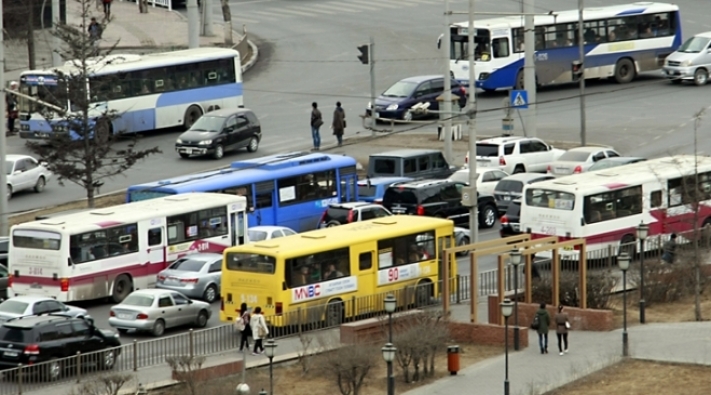
Traffic accidents claim 185 lives in Mongolia in H1 www.foreignaffairs.co.nz
A total of 185 people have lost their lives in traffic accidents across Mongolia in the first half of this year, the country’s traffic police department said Monday.
“During the January-June period, around 500 serious traffic accidents occurred in Mongolia, killing 185 people,” the department said in a statement.
The report said that 57.8 percent of these accidents occurred on rural roads, noting that over-speeding, unpermitted overtaking, drunk driving and driver fatigue were the main causes of the accidents.
On June 15, the country launched a three-month national campaign called “No hurry” to reduce traffic accidents.
In 2018, a total of 562 people, including 45 children, died and 4,761 people were injured as a result of traffic accidents in Mongolia.
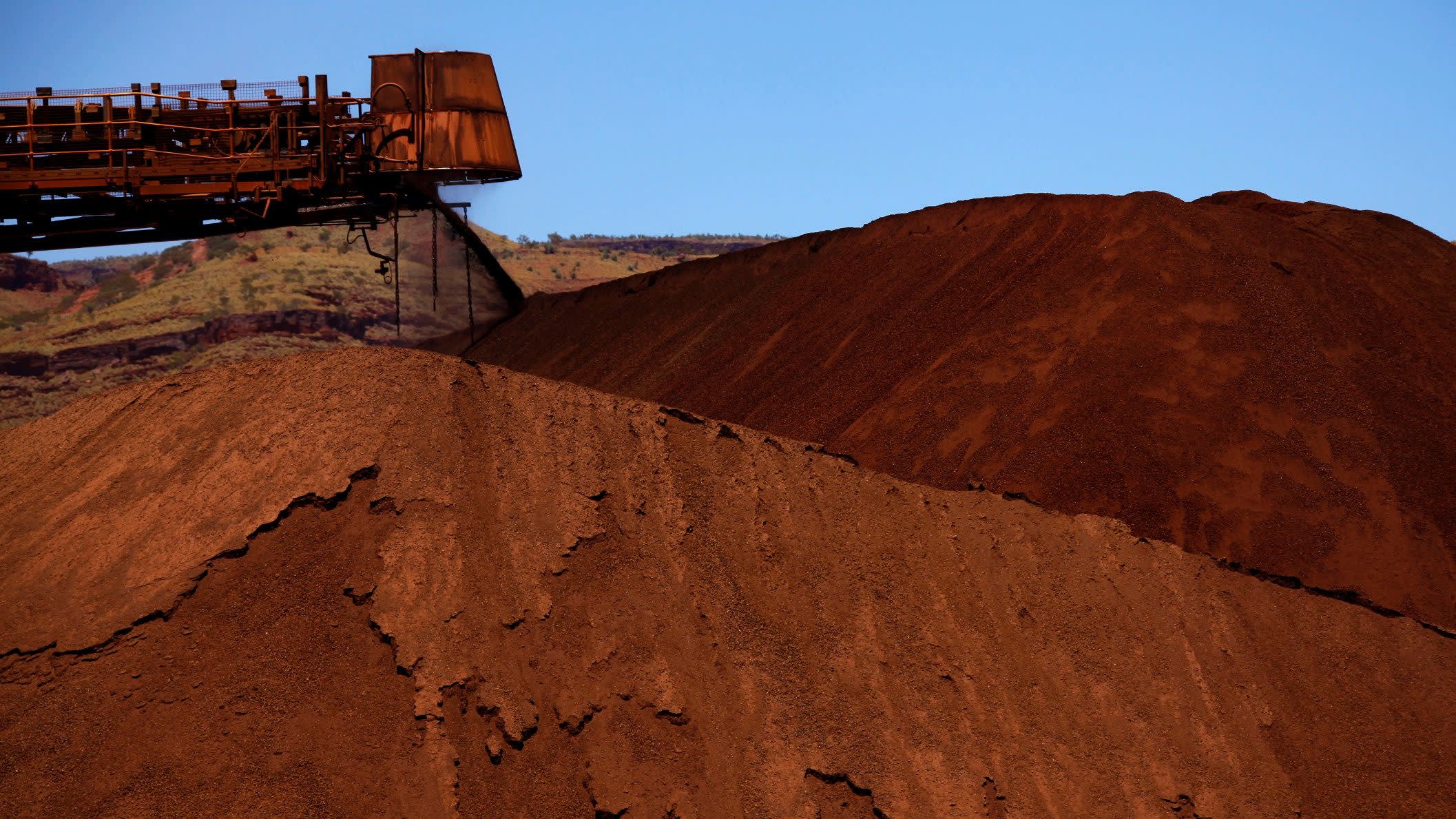
China gets more iron ore from Brazil as supply woes fade www.reuters.com
While iron ore has been hammered by the renewed escalation of the U.S.-China trade war, there are also signs the supply crunch that sent prices to a five-year high is easing.
Iron ore futures on the Dalian Commodity Exchange (DCE) fell by the 6% exchange limit during Monday’s trade, after China’s yuan fell to more than seven to the U.S. dollar, its weakest in more than a decade.
The United States responded to the yuan weakening by labelling China a currency manipulator, a move likely to stoke already inflamed trade tensions.
DCE iron ore ended Monday at 709 yuan ($100.71) a tonne, its weakest close in a month, while spot cargoes of benchmark 62% iron ore for delivery to China, as assessed by commodity price reporting agency Argus, finished at $99.80, the softest since June 6.
The spot price is still 32.2% above the level of Jan. 24, the day before a tailings dam collapsed at a mine operated by Brazil’s Vale and left more than 200 dead and dozens still missing.
THERE ARE SIGNS THAT BRAZIL’S EXPORTS ARE STARTING TO RECOVER, WITH CHINA, THE WORLD’S TOP BUYER, IMPORTING THE MOST FROM THE SOUTH AMERICAN NATION IN JULY SINCE MARCH
That disaster resulted in the shutdown of several of Vale’s operations for safety checks, cutting shipments from the world’s second-biggest exporter of the steel-making ingredient.
But there are signs that Brazil’s exports are starting to recover, with China, the world’s top buyer, importing the most from the South American nation in July since March.
China imported 17.7 million tonnes from Brazil in July, according to vessel-tracking and port data compiled by Refinitiv, more than double the 7.7 million recorded in June, and almost matching the 18.2 million taken in March.
It’s also likely that China’s imports of Brazilian ore will continue to rise in August, given that Brazil’s July exports rose 16.6% from the previous month to 34.3 million tonnes, according to official data released on Aug. 1.
The improved performance from Brazil comes as Vale was authorised in June to restart operations at its Brucutu mine, which has a capacity of 30 million tonnes a year.
China’s overall imports were also strong in July, coming in at 87.8 million tonnes, up from 76.8 million in June and the strongest month since March.
Supply coming back to normal
China’s imports in the April to June period were not only affected by the curtailing of shipments from Brazil, though, as a tropical cyclone in late March idled mines and ports in northwestern Australia, the main producing area in the world’s top exporter.
What the vessel-tracking numbers show is that supply is returning to normal, and therefore the premium prices should start to leave the market.
A further factor worth considering is the level of China’s port inventories, which climbed for a third week in the week to Aug. 2, reaching 121 million tonnes, according to consultancy Steelhome.
While this is still well below the 2019 peak of 148.9 million tonnes, reached in early April, inventories have reversed the downtrend in place for the past three months.
Overall, the iron ore market is experiencing a recovery in supply and inventories, and Chinese demand so far is holding up.
The main risk now is that the trade dispute between the world’s two major economies starts to bite global growth harder, leading to an extended downturn in manufacturing.
While Beijing has a fairly good track record in stimulating its economy out of trouble, there are always questions as to how much more infrastructure and construction can be financed in order to prop up heavy industries such as steel.
It’s worth noting that spot iron ore has dropped by 20.3% from its Aug. 3 peak of $125.20 a tonne, while benchmark Shanghai steel rebar futures have declined by only 8% since their July 1 peak of 4,108 yuan a tonne.
That means Chinese steel mill margins are likely improving, and the depreciation of the yuan isn’t large enough to offset the weaker iron ore price.
This may lend iron ore some support, but probably not enough to prevent prices from slipping back closer to the $75 a tonne seen just before the Vale dam disaster, with the risk of further weakness if the U.S.-China trade war escalates even further.
(By Clyde Russell; Editing by Tom Hogue)
...
The third Mongolia-China Expo under preparation www.montsame.mn
Ulaanbaatar /MONTSAME/ The Mongolia-China Expo will be held in Hohhot, Ulanqab, and Tongliao cities of Inner Mongolia, China between September 6 and 10. The expo’s organizing committee convened today at the Mongolia National Chamber of Commerce and Industry (MNCCI).
Moreover, MNCCI, Supporting Association for Mongolian Entrepreneur, and Misheel expo today started registering the forum’s participants from Mongolia.
The third expo’s co-organizers are Mongolia’s Ministry of Foreign Affairs, Ministry of Education, Culture, Science and Technology, Ministry of Health, Ministry of Road and Transport Development, Customs General Administration, General Agency for Specialized Inspection, Ulaanbaatar Railway JSC, and the Agency for Standardization and Metrology.
The Chinese side stated that it cannot allow certain products at the expo including milk and dairy products of animals in honey, lard, and pork products which are subject to quarantine. As for other meat and meat products, only companies that have an export permit to China will be allowed.
This year’s expo program is comprised of four main parts: trade fair, cultural exchange, meetings and forums, and investment.
- «
- 1
- 2
- 3
- 4
- 5
- 6
- 7
- 8
- 9
- 10
- 11
- 12
- 13
- 14
- 15
- 16
- 17
- 18
- 19
- 20
- 21
- 22
- 23
- 24
- 25
- 26
- 27
- 28
- 29
- 30
- 31
- 32
- 33
- 34
- 35
- 36
- 37
- 38
- 39
- 40
- 41
- 42
- 43
- 44
- 45
- 46
- 47
- 48
- 49
- 50
- 51
- 52
- 53
- 54
- 55
- 56
- 57
- 58
- 59
- 60
- 61
- 62
- 63
- 64
- 65
- 66
- 67
- 68
- 69
- 70
- 71
- 72
- 73
- 74
- 75
- 76
- 77
- 78
- 79
- 80
- 81
- 82
- 83
- 84
- 85
- 86
- 87
- 88
- 89
- 90
- 91
- 92
- 93
- 94
- 95
- 96
- 97
- 98
- 99
- 100
- 101
- 102
- 103
- 104
- 105
- 106
- 107
- 108
- 109
- 110
- 111
- 112
- 113
- 114
- 115
- 116
- 117
- 118
- 119
- 120
- 121
- 122
- 123
- 124
- 125
- 126
- 127
- 128
- 129
- 130
- 131
- 132
- 133
- 134
- 135
- 136
- 137
- 138
- 139
- 140
- 141
- 142
- 143
- 144
- 145
- 146
- 147
- 148
- 149
- 150
- 151
- 152
- 153
- 154
- 155
- 156
- 157
- 158
- 159
- 160
- 161
- 162
- 163
- 164
- 165
- 166
- 167
- 168
- 169
- 170
- 171
- 172
- 173
- 174
- 175
- 176
- 177
- 178
- 179
- 180
- 181
- 182
- 183
- 184
- 185
- 186
- 187
- 188
- 189
- 190
- 191
- 192
- 193
- 194
- 195
- 196
- 197
- 198
- 199
- 200
- 201
- 202
- 203
- 204
- 205
- 206
- 207
- 208
- 209
- 210
- 211
- 212
- 213
- 214
- 215
- 216
- 217
- 218
- 219
- 220
- 221
- 222
- 223
- 224
- 225
- 226
- 227
- 228
- 229
- 230
- 231
- 232
- 233
- 234
- 235
- 236
- 237
- 238
- 239
- 240
- 241
- 242
- 243
- 244
- 245
- 246
- 247
- 248
- 249
- 250
- 251
- 252
- 253
- 254
- 255
- 256
- 257
- 258
- 259
- 260
- 261
- 262
- 263
- 264
- 265
- 266
- 267
- 268
- 269
- 270
- 271
- 272
- 273
- 274
- 275
- 276
- 277
- 278
- 279
- 280
- 281
- 282
- 283
- 284
- 285
- 286
- 287
- 288
- 289
- 290
- 291
- 292
- 293
- 294
- 295
- 296
- 297
- 298
- 299
- 300
- 301
- 302
- 303
- 304
- 305
- 306
- 307
- 308
- 309
- 310
- 311
- 312
- 313
- 314
- 315
- 316
- 317
- 318
- 319
- 320
- 321
- 322
- 323
- 324
- 325
- 326
- 327
- 328
- 329
- 330
- 331
- 332
- 333
- 334
- 335
- 336
- 337
- 338
- 339
- 340
- 341
- 342
- 343
- 344
- 345
- 346
- 347
- 348
- 349
- 350
- 351
- 352
- 353
- 354
- 355
- 356
- 357
- 358
- 359
- 360
- 361
- 362
- 363
- 364
- 365
- 366
- 367
- 368
- 369
- 370
- 371
- 372
- 373
- 374
- 375
- 376
- 377
- 378
- 379
- 380
- 381
- 382
- 383
- 384
- 385
- 386
- 387
- 388
- 389
- 390
- 391
- 392
- 393
- 394
- 395
- 396
- 397
- 398
- 399
- 400
- 401
- 402
- 403
- 404
- 405
- 406
- 407
- 408
- 409
- 410
- 411
- 412
- 413
- 414
- 415
- 416
- 417
- 418
- 419
- 420
- 421
- 422
- 423
- 424
- 425
- 426
- 427
- 428
- 429
- 430
- 431
- 432
- 433
- 434
- 435
- 436
- 437
- 438
- 439
- 440
- 441
- 442
- 443
- 444
- 445
- 446
- 447
- 448
- 449
- 450
- 451
- 452
- 453
- 454
- 455
- 456
- 457
- 458
- 459
- 460
- 461
- 462
- 463
- 464
- 465
- 466
- 467
- 468
- 469
- 470
- 471
- 472
- 473
- 474
- 475
- 476
- 477
- 478
- 479
- 480
- 481
- 482
- 483
- 484
- 485
- 486
- 487
- 488
- 489
- 490
- 491
- 492
- 493
- 494
- 495
- 496
- 497
- 498
- 499
- 500
- 501
- 502
- 503
- 504
- 505
- 506
- 507
- 508
- 509
- 510
- 511
- 512
- 513
- 514
- 515
- 516
- 517
- 518
- 519
- 520
- 521
- 522
- 523
- 524
- 525
- 526
- 527
- 528
- 529
- 530
- 531
- 532
- 533
- 534
- 535
- 536
- 537
- 538
- 539
- 540
- 541
- 542
- 543
- 544
- 545
- 546
- 547
- 548
- 549
- 550
- 551
- 552
- 553
- 554
- 555
- 556
- 557
- 558
- 559
- 560
- 561
- 562
- 563
- 564
- 565
- 566
- 567
- 568
- 569
- 570
- 571
- 572
- 573
- 574
- 575
- 576
- 577
- 578
- 579
- 580
- 581
- 582
- 583
- 584
- 585
- 586
- 587
- 588
- 589
- 590
- 591
- 592
- 593
- 594
- 595
- 596
- 597
- 598
- 599
- 600
- 601
- 602
- 603
- 604
- 605
- 606
- 607
- 608
- 609
- 610
- 611
- 612
- 613
- 614
- 615
- 616
- 617
- 618
- 619
- 620
- 621
- 622
- 623
- 624
- 625
- 626
- 627
- 628
- 629
- 630
- 631
- 632
- 633
- 634
- 635
- 636
- 637
- 638
- 639
- 640
- 641
- 642
- 643
- 644
- 645
- 646
- 647
- 648
- 649
- 650
- 651
- 652
- 653
- 654
- 655
- 656
- 657
- 658
- 659
- 660
- 661
- 662
- 663
- 664
- 665
- 666
- 667
- 668
- 669
- 670
- 671
- 672
- 673
- 674
- 675
- 676
- 677
- 678
- 679
- 680
- 681
- 682
- 683
- 684
- 685
- 686
- 687
- 688
- 689
- 690
- 691
- 692
- 693
- 694
- 695
- 696
- 697
- 698
- 699
- 700
- 701
- 702
- 703
- 704
- 705
- 706
- 707
- 708
- 709
- 710
- 711
- 712
- 713
- 714
- 715
- 716
- 717
- 718
- 719
- 720
- 721
- 722
- 723
- 724
- 725
- 726
- 727
- 728
- 729
- 730
- 731
- 732
- 733
- 734
- 735
- 736
- 737
- 738
- 739
- 740
- 741
- 742
- 743
- 744
- 745
- 746
- 747
- 748
- 749
- 750
- 751
- 752
- 753
- 754
- 755
- 756
- 757
- 758
- 759
- 760
- 761
- 762
- 763
- 764
- 765
- 766
- 767
- 768
- 769
- 770
- 771
- 772
- 773
- 774
- 775
- 776
- 777
- 778
- 779
- 780
- 781
- 782
- 783
- 784
- 785
- 786
- 787
- 788
- 789
- 790
- 791
- 792
- 793
- 794
- 795
- 796
- 797
- 798
- 799
- 800
- 801
- 802
- 803
- 804
- 805
- 806
- 807
- 808
- 809
- 810
- 811
- 812
- 813
- 814
- 815
- 816
- 817
- 818
- 819
- 820
- 821
- 822
- 823
- 824
- 825
- 826
- 827
- 828
- 829
- 830
- 831
- 832
- 833
- 834
- 835
- 836
- 837
- 838
- 839
- 840
- 841
- 842
- 843
- 844
- 845
- 846
- 847
- 848
- 849
- 850
- 851
- 852
- 853
- 854
- 855
- 856
- 857
- 858
- 859
- 860
- 861
- 862
- 863
- 864
- 865
- 866
- 867
- 868
- 869
- 870
- 871
- 872
- 873
- 874
- 875
- 876
- 877
- 878
- 879
- 880
- 881
- 882
- 883
- 884
- 885
- 886
- 887
- 888
- 889
- 890
- 891
- 892
- 893
- 894
- 895
- 896
- 897
- 898
- 899
- 900
- 901
- 902
- 903
- 904
- 905
- 906
- 907
- 908
- 909
- 910
- 911
- 912
- 913
- 914
- 915
- 916
- 917
- 918
- 919
- 920
- 921
- 922
- 923
- 924
- 925
- 926
- 927
- 928
- 929
- 930
- 931
- 932
- 933
- 934
- 935
- 936
- 937
- 938
- 939
- 940
- 941
- 942
- 943
- 944
- 945
- 946
- 947
- 948
- 949
- 950
- 951
- 952
- 953
- 954
- 955
- 956
- 957
- 958
- 959
- 960
- 961
- 962
- 963
- 964
- 965
- 966
- 967
- 968
- 969
- 970
- 971
- 972
- 973
- 974
- 975
- 976
- 977
- 978
- 979
- 980
- 981
- 982
- 983
- 984
- 985
- 986
- 987
- 988
- 989
- 990
- 991
- 992
- 993
- 994
- 995
- 996
- 997
- 998
- 999
- 1000
- 1001
- 1002
- 1003
- 1004
- 1005
- 1006
- 1007
- 1008
- 1009
- 1010
- 1011
- 1012
- 1013
- 1014
- 1015
- 1016
- 1017
- 1018
- 1019
- 1020
- 1021
- 1022
- 1023
- 1024
- 1025
- 1026
- 1027
- 1028
- 1029
- 1030
- 1031
- 1032
- 1033
- 1034
- 1035
- 1036
- 1037
- 1038
- 1039
- 1040
- 1041
- 1042
- 1043
- 1044
- 1045
- 1046
- 1047
- 1048
- 1049
- 1050
- 1051
- 1052
- 1053
- 1054
- 1055
- 1056
- 1057
- 1058
- 1059
- 1060
- 1061
- 1062
- 1063
- 1064
- 1065
- 1066
- 1067
- 1068
- 1069
- 1070
- 1071
- 1072
- 1073
- 1074
- 1075
- 1076
- 1077
- 1078
- 1079
- 1080
- 1081
- 1082
- 1083
- 1084
- 1085
- 1086
- 1087
- 1088
- 1089
- 1090
- 1091
- 1092
- 1093
- 1094
- 1095
- 1096
- 1097
- 1098
- 1099
- 1100
- 1101
- 1102
- 1103
- 1104
- 1105
- 1106
- 1107
- 1108
- 1109
- 1110
- 1111
- 1112
- 1113
- 1114
- 1115
- 1116
- 1117
- 1118
- 1119
- 1120
- 1121
- 1122
- 1123
- 1124
- 1125
- 1126
- 1127
- 1128
- 1129
- 1130
- 1131
- 1132
- 1133
- 1134
- 1135
- 1136
- 1137
- 1138
- 1139
- 1140
- 1141
- 1142
- 1143
- 1144
- 1145
- 1146
- 1147
- 1148
- 1149
- 1150
- 1151
- 1152
- 1153
- 1154
- 1155
- 1156
- 1157
- 1158
- 1159
- 1160
- 1161
- 1162
- 1163
- 1164
- 1165
- 1166
- 1167
- 1168
- 1169
- 1170
- 1171
- 1172
- 1173
- 1174
- 1175
- 1176
- 1177
- 1178
- 1179
- 1180
- 1181
- 1182
- 1183
- 1184
- 1185
- 1186
- 1187
- 1188
- 1189
- 1190
- 1191
- 1192
- 1193
- 1194
- 1195
- 1196
- 1197
- 1198
- 1199
- 1200
- 1201
- 1202
- 1203
- 1204
- 1205
- 1206
- 1207
- 1208
- 1209
- 1210
- 1211
- 1212
- 1213
- 1214
- 1215
- 1216
- 1217
- 1218
- 1219
- 1220
- 1221
- 1222
- 1223
- 1224
- 1225
- 1226
- 1227
- 1228
- 1229
- 1230
- 1231
- 1232
- 1233
- 1234
- 1235
- 1236
- 1237
- 1238
- 1239
- 1240
- 1241
- 1242
- 1243
- 1244
- 1245
- 1246
- 1247
- 1248
- 1249
- 1250
- 1251
- 1252
- 1253
- 1254
- 1255
- 1256
- 1257
- 1258
- 1259
- 1260
- 1261
- 1262
- 1263
- 1264
- 1265
- 1266
- 1267
- 1268
- 1269
- 1270
- 1271
- 1272
- 1273
- 1274
- 1275
- 1276
- 1277
- 1278
- 1279
- 1280
- 1281
- 1282
- 1283
- 1284
- 1285
- 1286
- 1287
- 1288
- 1289
- 1290
- 1291
- 1292
- 1293
- 1294
- 1295
- 1296
- 1297
- 1298
- 1299
- 1300
- 1301
- 1302
- 1303
- 1304
- 1305
- 1306
- 1307
- 1308
- 1309
- 1310
- 1311
- 1312
- 1313
- 1314
- 1315
- 1316
- 1317
- 1318
- 1319
- 1320
- 1321
- 1322
- 1323
- 1324
- 1325
- 1326
- 1327
- 1328
- 1329
- 1330
- 1331
- 1332
- 1333
- 1334
- 1335
- 1336
- 1337
- 1338
- 1339
- 1340
- 1341
- 1342
- 1343
- 1344
- 1345
- 1346
- 1347
- 1348
- 1349
- 1350
- 1351
- 1352
- 1353
- 1354
- 1355
- 1356
- 1357
- 1358
- 1359
- 1360
- 1361
- 1362
- 1363
- 1364
- 1365
- 1366
- 1367
- 1368
- 1369
- 1370
- 1371
- 1372
- 1373
- 1374
- 1375
- 1376
- 1377
- 1378
- 1379
- 1380
- 1381
- 1382
- 1383
- 1384
- 1385
- 1386
- 1387
- 1388
- 1389
- 1390
- 1391
- 1392
- 1393
- 1394
- 1395
- 1396
- 1397
- 1398
- 1399
- 1400
- 1401
- 1402
- 1403
- 1404
- 1405
- 1406
- 1407
- 1408
- 1409
- 1410
- 1411
- 1412
- 1413
- 1414
- 1415
- 1416
- 1417
- 1418
- 1419
- 1420
- 1421
- 1422
- 1423
- 1424
- 1425
- 1426
- 1427
- 1428
- 1429
- 1430
- 1431
- 1432
- 1433
- 1434
- 1435
- 1436
- 1437
- 1438
- 1439
- 1440
- 1441
- 1442
- 1443
- 1444
- 1445
- 1446
- 1447
- 1448
- 1449
- 1450
- 1451
- 1452
- 1453
- 1454
- 1455
- 1456
- 1457
- 1458
- 1459
- 1460
- 1461
- 1462
- 1463
- 1464
- 1465
- 1466
- 1467
- 1468
- 1469
- 1470
- 1471
- 1472
- 1473
- 1474
- 1475
- 1476
- 1477
- 1478
- 1479
- 1480
- 1481
- 1482
- 1483
- 1484
- 1485
- 1486
- 1487
- 1488
- 1489
- 1490
- 1491
- 1492
- 1493
- 1494
- 1495
- 1496
- 1497
- 1498
- 1499
- 1500
- 1501
- 1502
- 1503
- 1504
- 1505
- 1506
- 1507
- 1508
- 1509
- 1510
- 1511
- 1512
- 1513
- 1514
- 1515
- 1516
- 1517
- 1518
- 1519
- 1520
- 1521
- 1522
- 1523
- 1524
- 1525
- 1526
- 1527
- 1528
- 1529
- 1530
- 1531
- 1532
- 1533
- 1534
- 1535
- 1536
- 1537
- 1538
- 1539
- 1540
- 1541
- 1542
- 1543
- 1544
- 1545
- 1546
- 1547
- 1548
- 1549
- 1550
- 1551
- 1552
- 1553
- 1554
- 1555
- 1556
- 1557
- 1558
- 1559
- 1560
- 1561
- 1562
- 1563
- 1564
- 1565
- 1566
- 1567
- 1568
- 1569
- 1570
- 1571
- 1572
- 1573
- 1574
- 1575
- 1576
- 1577
- 1578
- 1579
- 1580
- 1581
- 1582
- 1583
- 1584
- 1585
- 1586
- 1587
- 1588
- 1589
- 1590
- 1591
- 1592
- 1593
- 1594
- 1595
- 1596
- 1597
- 1598
- 1599
- 1600
- 1601
- 1602
- 1603
- 1604
- 1605
- 1606
- 1607
- 1608
- 1609
- 1610
- 1611
- 1612
- 1613
- 1614
- 1615
- 1616
- 1617
- 1618
- 1619
- 1620
- 1621
- 1622
- 1623
- 1624
- 1625
- 1626
- 1627
- 1628
- 1629
- 1630
- 1631
- 1632
- 1633
- 1634
- 1635
- 1636
- 1637
- 1638
- 1639
- 1640
- 1641
- 1642
- 1643
- 1644
- 1645
- 1646
- 1647
- 1648
- 1649
- 1650
- 1651
- 1652
- 1653
- 1654
- 1655
- 1656
- 1657
- 1658
- 1659
- 1660
- 1661
- 1662
- 1663
- 1664
- 1665
- 1666
- 1667
- 1668
- 1669
- 1670
- 1671
- 1672
- 1673
- 1674
- 1675
- 1676
- 1677
- 1678
- 1679
- 1680
- 1681
- 1682
- 1683
- 1684
- 1685
- 1686
- 1687
- 1688
- 1689
- 1690
- 1691
- 1692
- 1693
- 1694
- 1695
- 1696
- 1697
- 1698
- 1699
- 1700
- 1701
- 1702
- 1703
- 1704
- 1705
- 1706
- 1707
- 1708
- 1709
- 1710
- 1711
- 1712
- 1713
- 1714
- 1715
- 1716
- 1717
- 1718
- 1719
- 1720
- 1721
- 1722
- 1723
- 1724
- 1725
- 1726
- 1727
- 1728
- 1729
- 1730
- 1731
- 1732
- 1733
- 1734
- 1735
- 1736
- 1737
- 1738
- 1739
- 1740
- 1741
- 1742
- 1743
- 1744
- 1745
- 1746
- 1747
- 1748
- 1749
- 1750
- 1751
- 1752
- 1753
- 1754
- 1755
- 1756
- 1757
- 1758
- 1759
- 1760
- 1761
- 1762
- 1763
- 1764
- 1765
- 1766
- 1767
- 1768
- 1769
- 1770
- 1771
- 1772
- 1773
- 1774
- 1775
- 1776
- 1777
- 1778
- 1779
- 1780
- 1781
- 1782
- 1783
- 1784
- 1785
- 1786
- 1787
- 1788
- 1789
- 1790
- 1791
- 1792
- 1793
- 1794
- 1795
- 1796
- 1797
- 1798
- 1799
- 1800
- 1801
- 1802
- 1803
- 1804
- 1805
- 1806
- 1807
- 1808
- 1809
- 1810
- 1811
- 1812
- 1813
- 1814
- 1815
- 1816
- 1817
- 1818
- 1819
- 1820
- 1821
- »


