
Category
- Agriculture
- Automobiles and Machinery
- Bank, non banking financing, investment
- Blasting
- Construction
- Consumables
- Education
- Energy
- Engineer , Architecture and Geodesy
- Finance, Audit,Accounting and Brokerage
- Food
- Foreign Trade
- Geology Exploration
- Health
- Information Technology
- Insurance
- Labor Safety
- Legal and Business consulting
- Lighting
- Mining equipment
- Mining Services
- Other product and service
- Road
- Sewing and textile products
- Transportations
- Travel
Events

Events
| Name | organizer | Where |
|---|---|---|
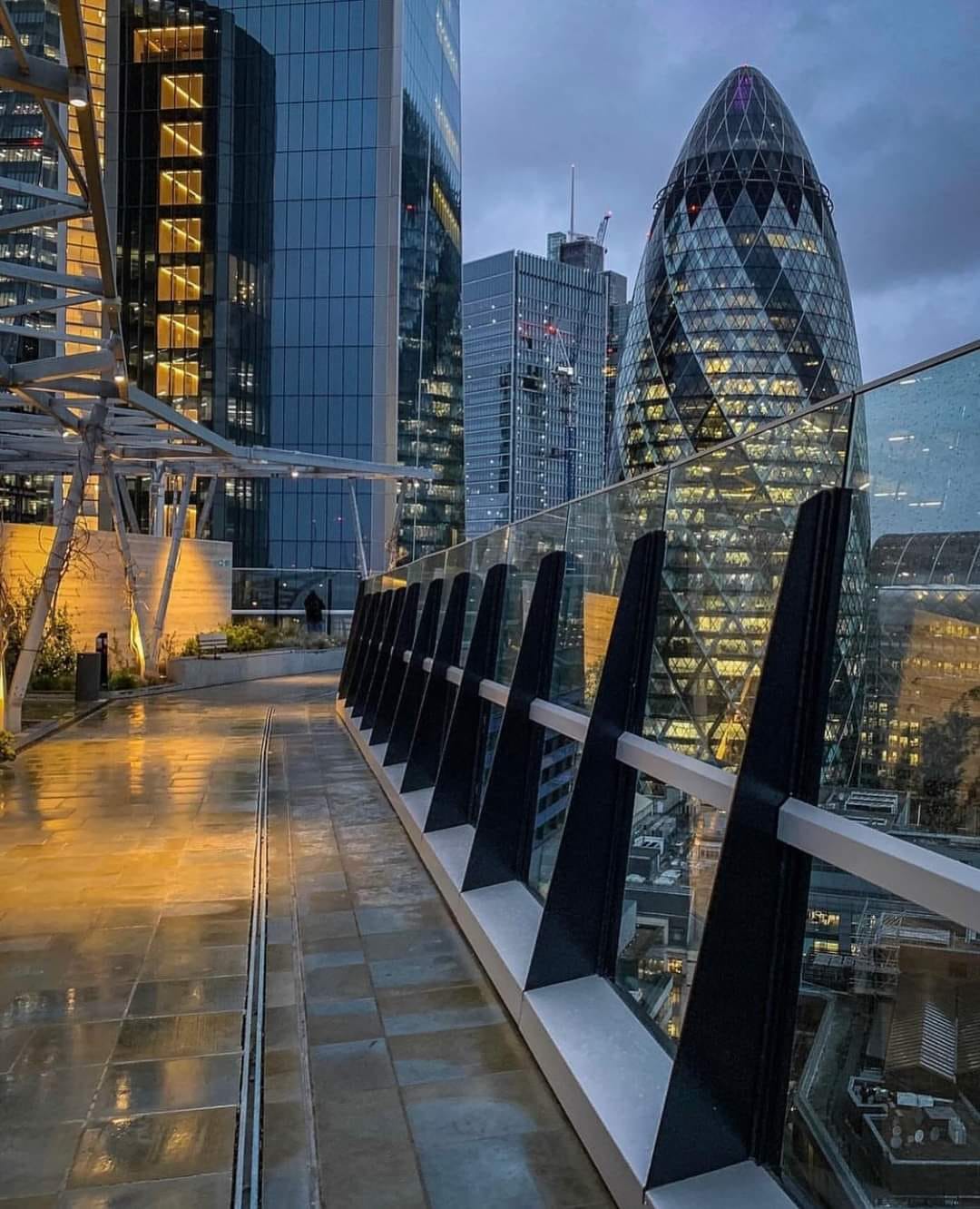
| MBCC “Doing Business with Mongolia seminar and Christmas Receptiom” Dec 10. 2025 London UK | MBCCI | London UK Goodman LLC |
NEWS
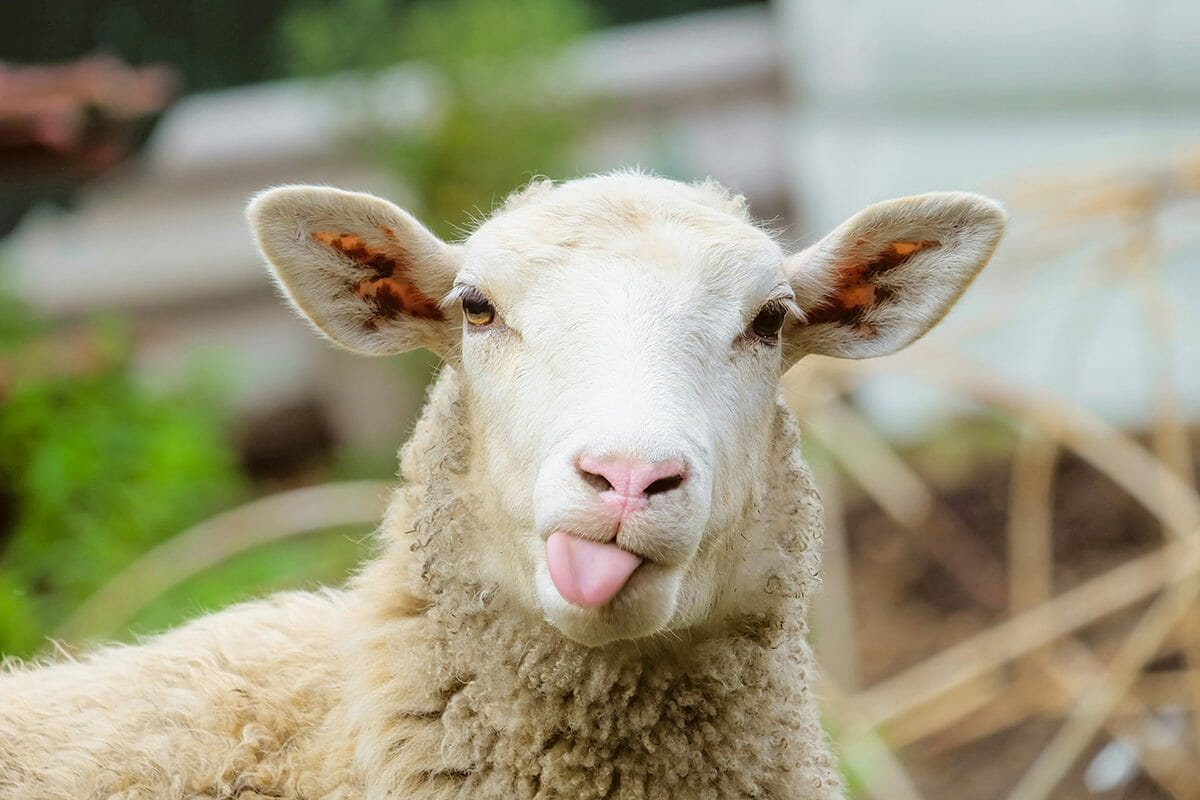
730 breeding sheep were brought from Mongolia to Namangan Uzbekistan www.zamin.uz
730 Bayat breed sheep were imported to the Namangan region from the Republic of Mongolia. This breed belongs to the fat sheep breed and is distinguished by its ability to adapt to harsh climates and challenging natural conditions.
It is reported that females of the Bayat breed weigh 35-40 kilograms, and rams weigh 45-50 kilograms. These animals have high meat and fat productivity and are important in animal husbandry due to their economic efficiency.
So far, the 730 sheep brought in at the initial stage have been delivered to "Akhsi Chorva" LLC, located in the Uychi district of Namangan region. In the future, it is planned to fully study the possibilities of their adaptation to local conditions, care, and breeding.
Within the framework of the joint project, it is planned to import 100 thousand breeding sheep from Mongolia. Experts note that this initiative is important as a new import-climate technology and innovation in the livestock sector and is expected to make a significant contribution to the development of the local economy.
Thus, Bayat sheep not only increase livestock productivity, but also play an important role in creating new economic opportunities and jobs for the residents of Namangan.
Mongolia Records USD 16.6 Billion in Trade www.montsame.mn
Mongolia conducted trade with 157 countries, recording a total foreign trade turnover of USD 16.6 billion over the first eight months of 2025, according to the National Statistics Committee.
Exports totaled USD 9.2 billion, while imports stood at USD 7.5 billion, resulting in a trade surplus of USD 1.7 billion.
However, compared to the same period last year, the total trade turnover declined by 8.2 percent (USD 1.5 billion).
Exports declined by 13.8 percent (USD 1.5 billion), while imports declined slightly by 0.3 percent (USD 24.7 million). As a result, the trade surplus was reduced by 46.2 percent, reaching USD 1.4 billion.
Exports Decline Driven by Coal and Cashmere
The drop in exports was primarily attributed to a significant reduction in coal exports, which fell by USD 2.7 billion. Other notable declines included:
Washed cashmere: down USD 238.9 million
Crude oil: down USD 43.3 million
Semi-processed gold: down USD 35 million
Sheep and goat meat: down USD 25.9 million
Despite these setbacks, some export categories showed growth:
Copper ore and concentrate: up USD 1.5 billion
Combed animal hair and bristles: up USD 88.8 million
Zinc ore and concentrate: up USD 43.4 million
Imports Show Mixed Trends
Imports decreased slightly by USD 24.7 million, largely due to reduced purchases of:
Trucks: down USD 128.9 million
Public transport vehicles: down USD 44 million
Bulldozers and excavators: down USD 32.5 million
Diesel fuel: down USD 30.5 million
Gasoline: down USD 23.3 million
In contrast, imports of passenger cars surged by USD 128.6 million, and alcoholic beverages rose by USD 16.5 million, slowing the downward trend.

Government Reports Operational Improvements at Erdenes Tavantolgoi Under Special Regime www.montsame.mn
Under Government Resolution No. 26, dated July 9, 2025, a three-month special regime was imposed on Erdenes Tavantolgoi JSC. A team of Government Special Plenipotentiary Representatives was appointed to the company.
In the first half of this year, Erdenes Tavantolgoi sold an average of 1.7 million tons of coal per month. After the implementation of the special regime, this figure increased to 2.7 million tons in July and August, representing a 1.6-fold rise compared to the previous average. In August alone, 2.1 million tons of coal worth USD 116.6 million were sold through 26 exchange auctions. Coal exports via the exchange reached 739,000 tons, doubling from the previous month. During this period, delivery times for coal sales were reduced by two to three times as a result of optimized transport operations. Of the 29 contracts signed in 2023 and 2024 but left unimplemented, 11 have now been resolved and are being enforced.
In accordance with Government Resolution No. 26 of 2025 and the directives issued during the Prime Minister’s on-site visit to the Erdenes Tavantolgoi mine, a comprehensive plan has been adopted and is currently being implemented. This plan covers four key areas: mining, transport, sales, and overall operations. According to Byambasuren Urgamal, Head of the Government’s Special Representatives’ Team at Erdenes Tavantolgoi and Deputy Chief of the Cabinet Secretariat, the improved performance during the first two months of the special regime indicates that the initial issues that prompted the imposition of special measures are largely being addressed. Compared to previous levels, monthly average coal sales rose by 1.6 times, transport of coal sold through exchange contracts increased by 1.5 times, exports grew by 1.2 times, revenue improved by 1.3 times, and coal extraction went up by 1.1 times.
Following the presentation on the implementation, activities, and outcomes of the special regime during the Cabinet session on September 10, 2025, Head of the Government’s Special Representatives’ Team Byambasuren was instructed to intensify negotiations with buyers who had purchased coal at high prices through the exchange but have since suspended loading operations and failed to fulfill their contractual obligations. He was also directed to increase exchange-based trading and loading volumes, stabilize ongoing projects and programs initiated by Erdenes Tavantolgoi, and take the necessary measures to ensure the company’s continued and stable operations.
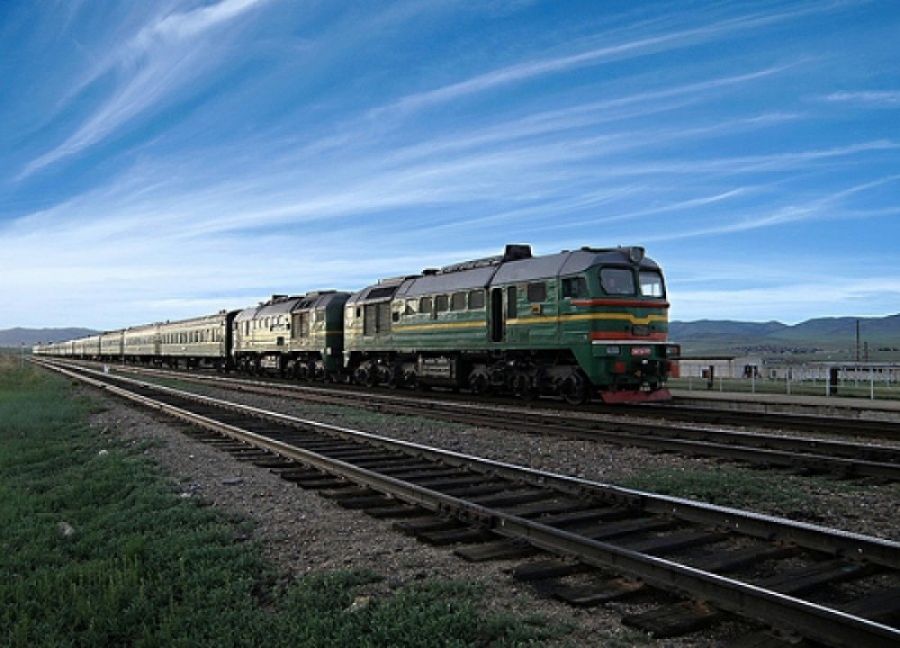
Diesel Locomotive Converted to Hybrid Locomotive in Mongolia www.raillynews.com
Experts in Mongolia, By converting 2TE116 diesel locomotives to a hybrid system has achieved a revolutionary development in railway transportation. Thanks to this innovative project, locomotives 60-70% reduction in fuel consumption while being provided, The amount of emissions released into the environment has also been significantly reducedThis achievement not only increases the efficiency of Mongolia's railways but also reinforces the vision of environmentally friendly transportation.Rail Infrastructure Investments
Technical Advantages of the Hybrid Locomotive
With the modernization, the locomotives are now two 400 kW diesel engines and two 440 kW batteries This hybrid system allows the locomotive to run on batteries only, while diesel engines can be used when needed. combined working flexibility This technological integration increases the efficiency of operations while also compliance with environmental standards This project stands as a living proof of how new technologies can be successfully integrated into railway infrastructure.
Strategic Importance for Mongolian Railways
This project, which took about a year and was completed in cooperation with a Chinese company, is of great importance for Mongolia's railways. lower fuel consumption and emissionsThis is seen as a vital development for the country's ecological balance. Experts believe this transformation is scalable. Therefore, the conversion of 2TE116 diesel locomotives to hybrid models could lay a solid foundation for future modernization of Mongolia's railway fleet. This step is considered a strategic move to make the country's rail transport more sustainable and environmentally friendly.
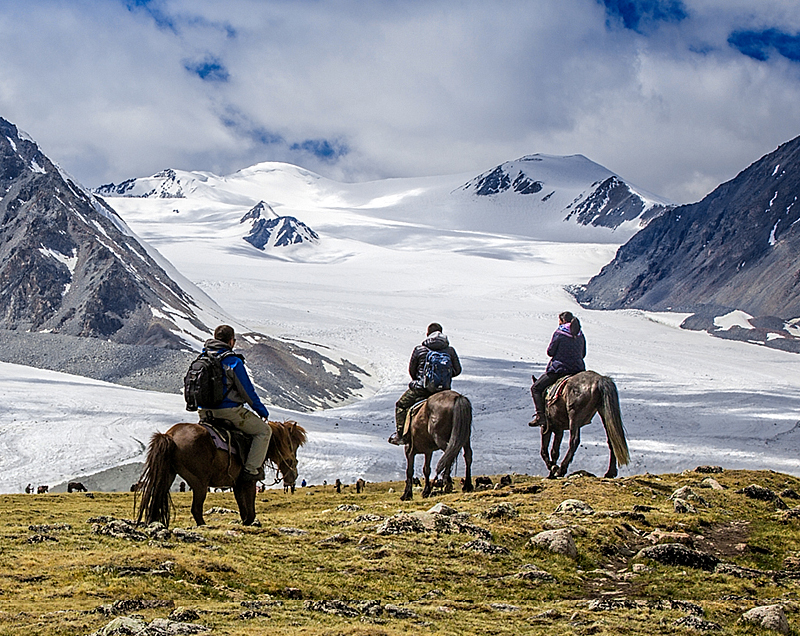
Mongolia Reveals Its Untamed Beauty and Rich Culture Through the Eyes of Dutch Tourists on an Unforgettable Adventure www.travelandtourworld.com
Mongolia travel offers an experience like no other, drawing adventurers eager to explore its vast landscapes, unique wildlife, and rich culture. For Dutch tourists Harrold Mertens and Carolien Molenaar, this dream became a reality.
Their three-week journey through Mongolia was filled with awe-inspiring moments—hiking in Mongolia’s rugged mountains, experiencing its wildlife, and learning about a culture so different from their own in the Netherlands. Their trip paints a vivid picture of why Mongolia is becoming an increasingly popular destination for those seeking adventure.
A Journey Through Mongolia’s Majestic Landscape
The couple’s adventure began in Ulaanbaatar, the capital city, before they made their way to Khovd and then to Ulgii. Their first real encounter with Mongolia’s natural beauty came with a three-day hike that led them deep into the country’s mountains. As they explored, it became clear that Mongolia travel isn’t just about visiting a new place—it’s about immersing oneself in the vastness of the land.
Majestic mountains and sweeping landscapes: From the rolling hills to the towering peaks, the couple was struck by the land’s untouched beauty, something entirely different from the urban bustle of the Netherlands.
Cultural immersion: Their hiking adventure included a special experience with an eagle hunter and his daughter, introducing them to the ancient traditions still practiced in Mongolia.
Hiking through untouched nature: Camping under the open sky, with nothing but the mountains and stars around them, was a reminder of how wild and free Mongolia remains.
The true magic of hiking in Mongolia lies in the connection to nature—where travelers like Harrold and Carolien can feel the land’s raw power in every step.
Encounters with Mongolia’s Unique Wildlife
One of the highlights of their Mongolia travel experience was encountering the country’s unique wildlife. For Harrold and Carolien, yaks were a particularly memorable part of their journey. During their trip, they visited a family that raised yaks and were invited to experience this integral part of Mongolian life.
Wildlife in the Mongolian countryside: From sheep to birds, the couple had the chance to observe domestic animals that roam freely across the land. However, it was the yaks, an essential part of Mongolia’s nomadic life, that truly left an impression.
Cultural significance of yaks: For centuries, these hardy animals have provided milk, meat, and transport for the country’s nomads. Spending time with the yak herders gave Harrold and Carolien a glimpse into the daily life of Mongolia’s rural communities.
Unique wildlife encounters: Whether it was the sight of yaks grazing in the open fields or watching birds soar above the mountains, the wildlife added another layer to the couple’s journey through this vast land.
Immersing in the Rich Mongolia Culture
As they traveled, Harrold and Carolien were also drawn to the unique and ancient Mongolia culture. The country’s deep traditions are reflected not only in its wildlife and landscapes but also in the way people live. With only about three million people spread across such a large country, it’s hard not to feel a sense of isolation and connection to the land.
The couple was amazed by the contrast between Mongolia’s vastness and their home country, which has one of the highest population densities in Europe. Whether in the city or the countryside, they found Mongolian people to be incredibly friendly and welcoming, always ready to help when needed.
From the horse riders to the eagle hunters, Harrold and Carolien were constantly in awe of the rich cultural heritage that still thrives in Mongolia, despite the modern world encroaching. For them, Mongolia’s culture was a vital part of the experience, making it more than just a travel destination but a place to connect with ancient ways of life.
The Challenges of Mongolia Travel
No adventure comes without its challenges, and Harrold and Carolien faced a few during their time in Mongolia. Yet, these obstacles became part of the adventure, revealing how resilient both the travelers and the people of Mongolia can be.
Unpredictable weather: The couple quickly learned that the weather in the mountains can change on a dime. In one day, they experienced sunshine, rain, and even snow—all of which kept them on their toes during their journey.
Logistical hurdles: At one point, they faced a challenge with their cooking gear, which was not allowed on the plane. But with the help of their guide, they were able to solve the problem. Their stoves were eventually delivered by bus, a reminder of how resourceful the Mongolian people can be.
Support from locals: The kindness of the Mongolian people was something they’ll never forget. When their car broke down in the middle of nowhere, locals arrived with spare parts, showing that even in remote areas, people go out of their way to help.
The Wide-Open Spaces of Mongolia
For Harrold and Carolien, the most profound part of their trip was the overwhelming sense of space. Coming from a small, densely populated country, the vastness of Mongolia left a lasting impression.
A country of contrasts: Mongolia’s landmass is almost as large as Western Europe, yet it has a population of only three million. This created a feeling of being completely free, with endless landscapes stretching out before them.
The beauty of emptiness: Far from feeling lonely, the couple found the emptiness of the land to be peaceful and serene, offering a refreshing break from the chaos of modern life.
Peace and solitude: In the wide-open spaces of Mongolia, Harrold and Carolien felt a rare sense of calm and tranquility, something that’s hard to find in the busy cities of Europe.
Mongolian Hospitality: A Warm Welcome
Throughout their journey, it was the people of Mongolia who made the most lasting impact on Harrold and Carolien. Despite the country’s remote areas, the Mongolian people were always ready to offer help and warmth.
From offering food to helping them with their travel plans, the couple found the locals to be incredibly kind and generous. Harrold and Carolien were especially touched by the strong sense of community in the rural areas, where people help each other in times of need.
Conclusion: An Unforgettable Mongolia Travel Experience
For Harrold and Carolien, their Mongolia travel experience was much more than just a trip—it was an adventure of discovery. From hiking through mountains to witnessing Mongolia’s unique wildlife and culture, every moment of their journey was an eye-opening experience. Whether it was learning about Mongolia’s deep traditions, encountering yaks, or simply enjoying the wide-open landscapes, their trip left them with memories they’ll cherish forever.
For anyone looking to explore a land where nature, culture, and wildlife come together, Mongolia offers an unforgettable journey. It’s a country that combines adventure, beauty, and warmth in a way that few other places can.
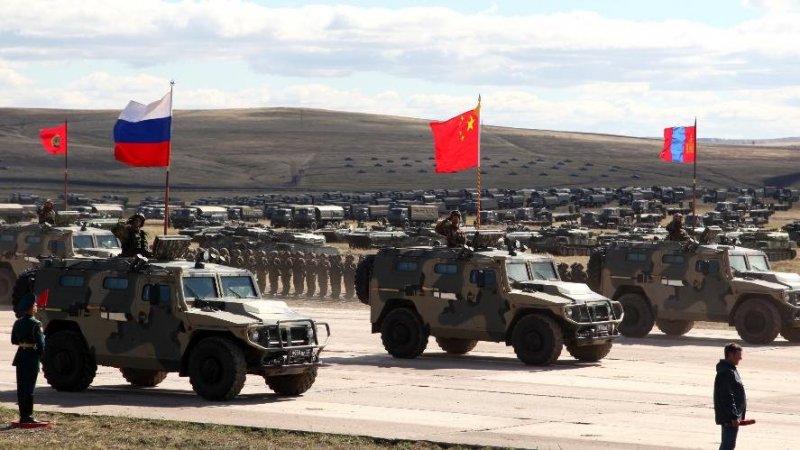
Robotic Military Dog Training Featured in China-Russia-Mongolia Border Defense Exercise www.novinite.com
The training of robotic dogs and military dogs was featured in the China-Russia-Mongolia joint border defense exercise which concluded on Tuesday.
Code-named "Border Defense Cooperation 2025," the two-day exercise took place in a frontier area where the three countries meet.
The dog training session was hosted on Russian territory, focusing on six key areas of obstacle navigation, drug search, explosives detection, item identification, pursuit and apprehension, and concealed target search.
Robotic dogs were integrated into the exercise, working alongside military dogs to perform search, detection, and identification tasks.
This joint exercise aimed to strengthen friendship between the border defense forces of the three nations and enhance collective capability to address security threats.
"This joint exercise not only tested our trilateral capacity to respond to emergencies but also is an important step in solidifying the traditional friendship, deepening strategic mutual trust, and enhancing security cooperation among China, Russia, and Mongolia," said Chen Jiang, a participating Chinese soldier.
Mongolia Deploys 15th Battalion’s Second Contingent to UN Mission in South Sudan www.montsame.mn
The second contingent of the 15th Battalion of the Mongolian Armed Forces has departed for the United Nations Mission in South Sudan (UNMISS), continuing Mongolia’s long-standing commitment to global peacekeeping efforts.
This marks the 15th consecutive year that Mongolian troops have been deployed to South Sudan to support peace and stability in the region.
At the send-off ceremony held at the 016th Unit of the Armed Forces of Mongolia, families and friends gathered to bid farewell to the departing personnel. Senior military officials, including Brigadier General D. Dugarragchaa, Head of the Operations Management Department, Colonel D. Myagmarjav, Head of the Peacekeeping-Military Cooperation Department, and Colonel J. Munkhbayar, Commander of the 016th Unit, greeted the contingent at Chinggis Khaan International Airport.
In his address, Brigadier General Dugarragchaa urged the peacekeepers to uphold the values and reputation of the Mongolian Armed Forces, stating, “Be supportive of your superiors, protective of your soldiers, and helpful to your comrades in your place of work. Carry out the tasks assigned by the higher leadership with due diligence and discipline. I especially urge you to uphold the reputation of the ‘Mongolian Army – World Arm’ created by generations of peacekeepers, considering that the work and reputation of your team depend on your actions. When you are abroad, remember that you represent Mongolia. The more responsibility you carry, the more mindful you must be not to worry your family.”
He concluded by wishing the contingent a safe mission and a joyful reunion next year.
Mongolia is among the top 24 countries contributing the largest number of military personnel to UN peacekeeping operations. Since deploying its first two military observers to the Democratic Republic of Congo in 2002, Mongolia has sent over 23,000 troops to various missions worldwide.
As of last year, more than 890 Mongolian peacekeepers were serving under the UN flag, with women making up 11 percent, placing Mongolia 19th out of 121 Troop-contributing countries.

The MongolZ Rankings Rise to Second Worldwide www.montsame.mn
HLTV, the leading platform for professional CS2 (Counter-Strike 2) rankings, has released its global standings as of September 8, 2025. The MongolZ have made a historic leap to second place worldwide, marking a major milestone for Mongolian esports.
The rankings update follows the BLAST Open Fall 2025, held in London last weekend. German squad G2 Esports, crowned champions of the tournament, surged seven spots to break into the global top five.
In a notable shift, Russian squad Team Spirit, previously holding the top spot, dropped two places in the rankings, now sitting at No.4, while German squad Team MOUZ advanced to third.
The global leaderboard remains topped by French giants Vitality, who retain the No. 1 spot.
In the Asian rankings, The MongolZ dominate with 800 HLTV points, firmly establishing themselves as the region’s top team. They are followed by TYLOO (171 points) and Lynn Vision (105 points), both representing China.
Among Mongolia’s rising contenders:
The Huns hold 5th place in Asia
Chinggis Warriors are ranked 6th
Eruption sits at 7th, continuing its steady climb.
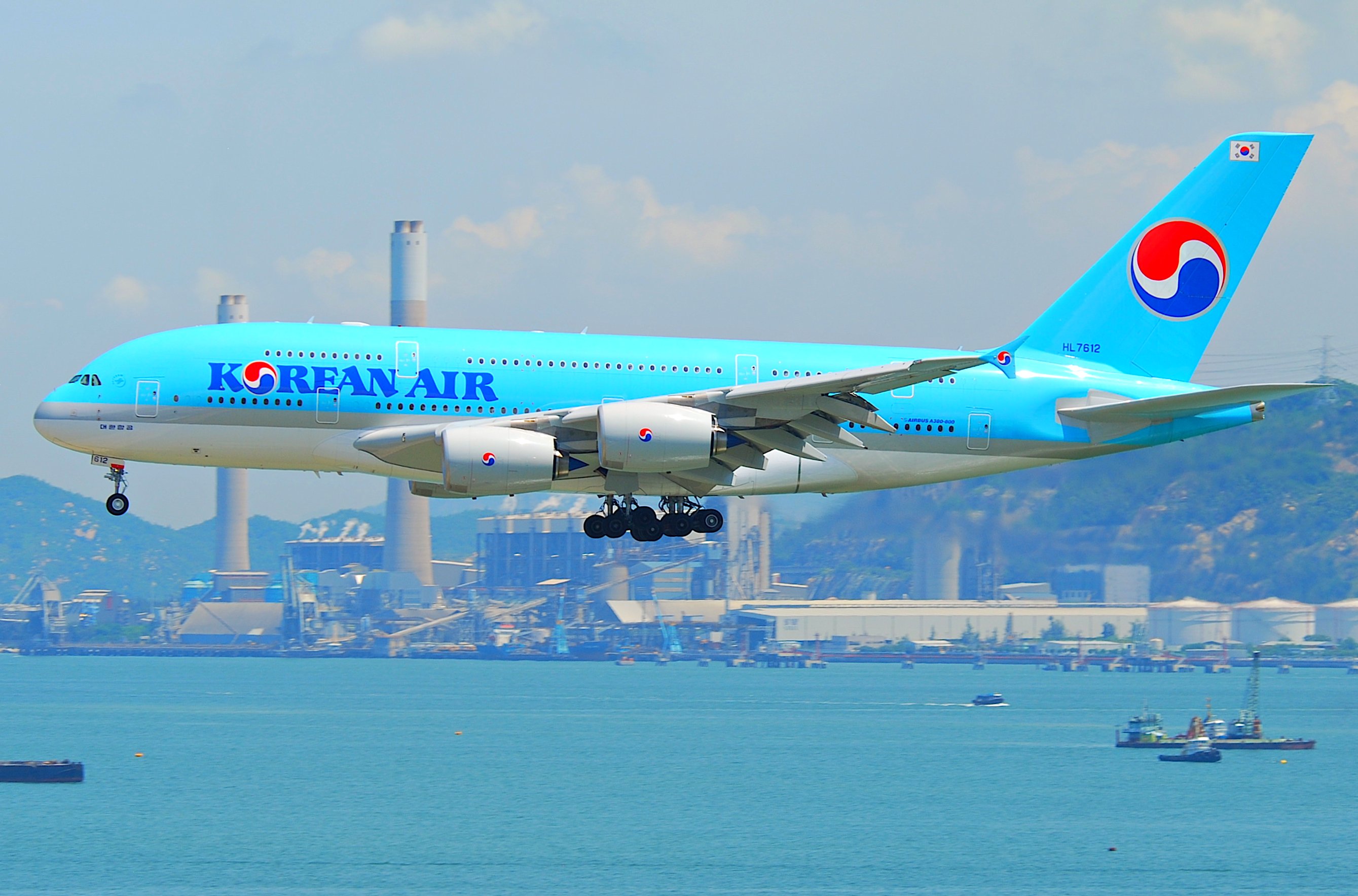
Chabot Mobility joins Mongolia Voyager project to export K-mobility infrastructure www.biz.chosun.com
Mobility concierge platform company Chabot Mobility said on the 10th that it took part in the Transportation Safety Korea Transportation Safety Authority’s (TS) “2025 TS Mongolia Voyager project,” laying the groundwork to enter the Mongolian mobility market.
Held in Mongolia for four days starting Sept. 6, the project is a one-stop overseas export support program promoted as a selected task under the Ministry of SMEs and Startups’ “2025 first joint overseas expansion support program for large and small companies.” Chabot Mobility participated as one of 13 outstanding domestic venture and small companies, showcasing the competitiveness of K-mobility on the ground.
In this project, Chabot Mobility unveiled an integrated export model covering the entire vehicle life cycle, including an EV mini truck, an automatic car wash system, a used-car certification solution, and a software-as-a-service (SaaS) digitalization service for vehicle inspection, and presented a plan to build customized mobility infrastructure for the local market. It drew strong interest from the local government and buyers for its goal of an industrial localization model that can expand beyond short-term product supply to EV assembly, maintenance, inspection, and certification.
The background that made such a model possible, the company noted, is its platform-based, end-to-end auto-commerce competitiveness. It has already operated the B2C vehicle management app “Chabot,” used by more than 720,000 people in Korea, along with a network of about 1,000 maintenance shops and dealers, building a system to provide EV supply, infrastructure facilities, and digital operating systems in an integrated manner.
Mongolia has a high penetration rate, with a population of 3.5 million and more than 1.4 million registered vehicles, but basic infrastructure such as maintenance, inspection, car wash, and certification remains lacking. More than 80% of imported vehicles are Japanese right-hand-drive cars that do not match the road system, posing a high accident risk, and there is no system to guarantee used-car quality. The frigid climate and poor car wash infrastructure also add to drivers’ inconvenience. Chabot Mobility said it drew attention locally by proposing EV mini trucks, an automatic car wash system, a certification-based used-car export model, and inspection SaaS as solutions to address these structural issues.
Chabot Mobility signed an agreement last year with Autoland, a local corporation in Mongolia, and has been carrying out a K-used-car export business. The Voyager project, building on the existing business, will serve as a springboard to expand into EVs and vehicle management infrastructure, the company said, adding that it plans to establish a phased market-entry strategy based on a cooperation framework with the Mongolian government and local corporations.
Kang Seong-geun, CEO of Chabot Mobility, said, “The Mongolia Voyager project is significant as the first case where Chabot has demonstrated a platform-based industrial model locally beyond simple product exports,” adding, “Mongolia’s auto market is growing rapidly, and there is ample room to improve systems and infrastructure, making it a region where Chabot’s data and platform capabilities can be most effectively applied.”
By
Kim Su-jeong
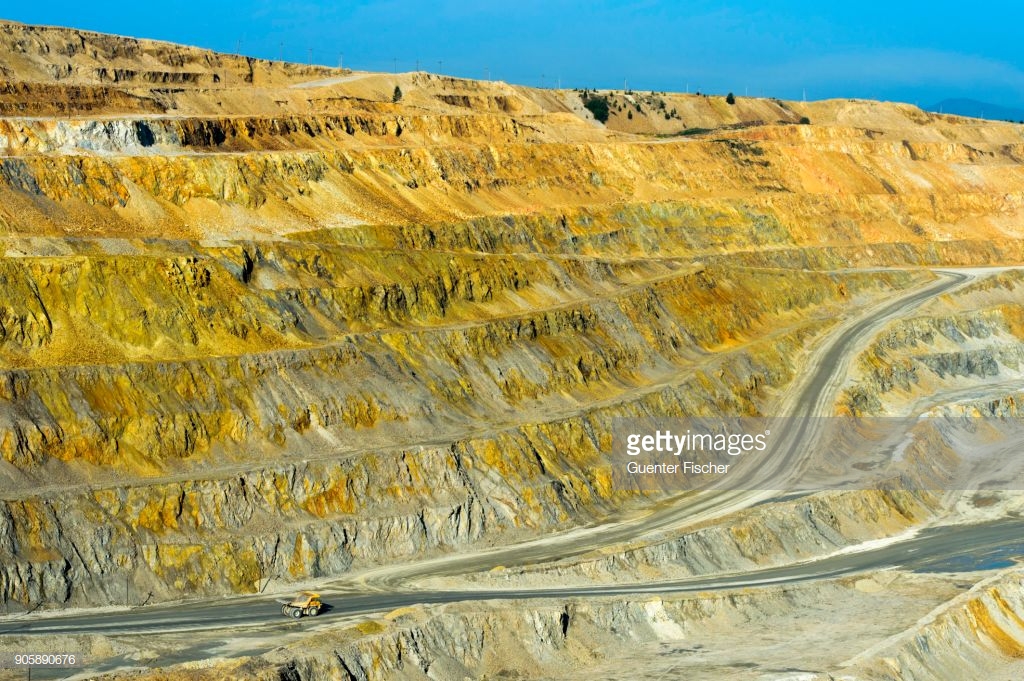
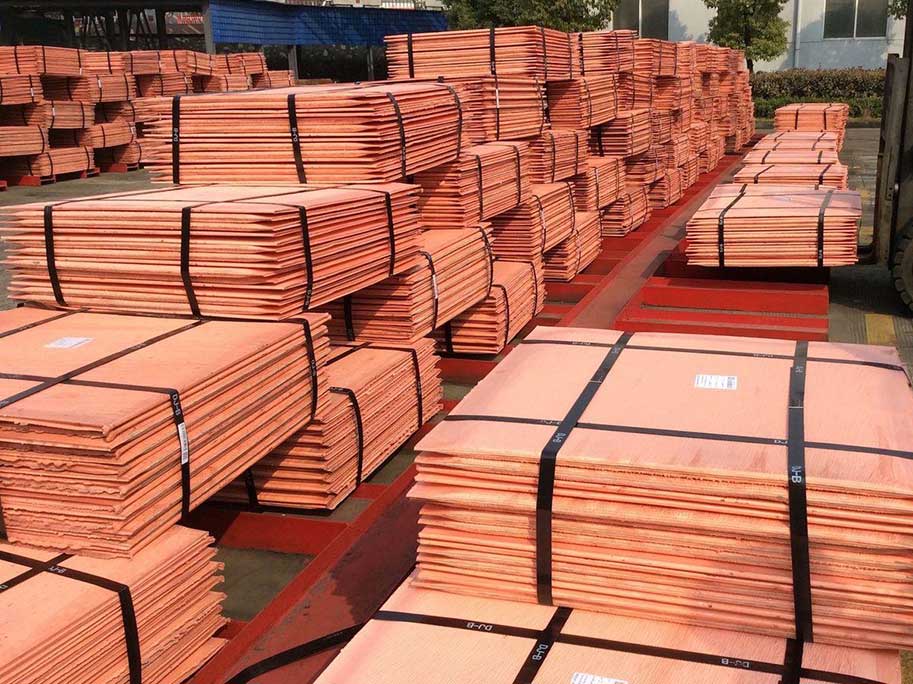
"Oyut" Copper Deposit with 1.1 Million Tons of Pure Copper Discovered www.gogo.mn
In 2022, the Government of Mongolia granted the state-owned company Erdenet Mining Corporation (EMC) the right to explore mineral resources in Orkhon and Bulgan provinces. Starting from 2023, EMC began detailed exploration of the Oyut deposit.
On September 7, 2025, EMC officially announced the discovery of a new copper deposit, named Oyut, with estimated reserves of 357 million tons of ore, equivalent to a mine life of 30–35 years.
According to preliminary results, the Oyut deposit contains more than 1.1 million tons of pure copper. Its development is expected to significantly contribute to the National Wealth Fund, stimulate socio-economic growth in Erdenet city, Orkhon province, the Northern region, and Mongolia as a whole.
Key Advantages of the Project:
Located less than 10 km from the Erdenet-Ovoo deposit and about 3 km from the Industrial and Technology Park infrastructure.
Supported by EMC’s 47 years of human resource expertise.
Preliminary Exploration Results:
357 million tons of ore with an average copper grade of 0.32%.
For comparison: when the Erdenet-Ovoo deposit was first explored in 1972, its reserves were estimated at 521.7 million tons, with an expected mine life of 34 years. The newly discovered Oyut deposit has comparable capacity, with reserves that could sustain production for about 30 years.
Plans include building a new concentrator plant capable of processing 5–10 million tons of ore annually, which will help maintain EMC’s current production level while expanding capacity.
The new deposit ensures EMC’s long-term sustainability, supports national and local budgets through taxes and revenues, and reinforces the company’s social responsibility to the city of Erdenet.
With a Copper Smelting Plant, GDP Could Increase Two to Three Times
Prime Minister G. Zandanshatar stated:
In the era of the Fourth Industrial Revolution, copper has become a critical strategic resource, with growing demand and rising global prices. Exploration is risky—like finding a needle in a haystack—but the discovery of the Oyut deposit with 357 million tons of ore is comparable to discovering a new Erdenet-Ovoo. We are preparing to announce a tender to establish a copper smelting plant, as copper is now an essential strategic product. With the Oyuut deposit extending Erdenet’s mine life by another 55 years and containing 1.1 million tons of pure copper, reserves are expected to further increase. Establishing a copper smelting plant based on this deposit could potentially double or even triple Mongolia’s GDP and national income.
Photo by Davaa Bold
...
- «
- 1
- 2
- 3
- 4
- 5
- 6
- 7
- 8
- 9
- 10
- 11
- 12
- 13
- 14
- 15
- 16
- 17
- 18
- 19
- 20
- 21
- 22
- 23
- 24
- 25
- 26
- 27
- 28
- 29
- 30
- 31
- 32
- 33
- 34
- 35
- 36
- 37
- 38
- 39
- 40
- 41
- 42
- 43
- 44
- 45
- 46
- 47
- 48
- 49
- 50
- 51
- 52
- 53
- 54
- 55
- 56
- 57
- 58
- 59
- 60
- 61
- 62
- 63
- 64
- 65
- 66
- 67
- 68
- 69
- 70
- 71
- 72
- 73
- 74
- 75
- 76
- 77
- 78
- 79
- 80
- 81
- 82
- 83
- 84
- 85
- 86
- 87
- 88
- 89
- 90
- 91
- 92
- 93
- 94
- 95
- 96
- 97
- 98
- 99
- 100
- 101
- 102
- 103
- 104
- 105
- 106
- 107
- 108
- 109
- 110
- 111
- 112
- 113
- 114
- 115
- 116
- 117
- 118
- 119
- 120
- 121
- 122
- 123
- 124
- 125
- 126
- 127
- 128
- 129
- 130
- 131
- 132
- 133
- 134
- 135
- 136
- 137
- 138
- 139
- 140
- 141
- 142
- 143
- 144
- 145
- 146
- 147
- 148
- 149
- 150
- 151
- 152
- 153
- 154
- 155
- 156
- 157
- 158
- 159
- 160
- 161
- 162
- 163
- 164
- 165
- 166
- 167
- 168
- 169
- 170
- 171
- 172
- 173
- 174
- 175
- 176
- 177
- 178
- 179
- 180
- 181
- 182
- 183
- 184
- 185
- 186
- 187
- 188
- 189
- 190
- 191
- 192
- 193
- 194
- 195
- 196
- 197
- 198
- 199
- 200
- 201
- 202
- 203
- 204
- 205
- 206
- 207
- 208
- 209
- 210
- 211
- 212
- 213
- 214
- 215
- 216
- 217
- 218
- 219
- 220
- 221
- 222
- 223
- 224
- 225
- 226
- 227
- 228
- 229
- 230
- 231
- 232
- 233
- 234
- 235
- 236
- 237
- 238
- 239
- 240
- 241
- 242
- 243
- 244
- 245
- 246
- 247
- 248
- 249
- 250
- 251
- 252
- 253
- 254
- 255
- 256
- 257
- 258
- 259
- 260
- 261
- 262
- 263
- 264
- 265
- 266
- 267
- 268
- 269
- 270
- 271
- 272
- 273
- 274
- 275
- 276
- 277
- 278
- 279
- 280
- 281
- 282
- 283
- 284
- 285
- 286
- 287
- 288
- 289
- 290
- 291
- 292
- 293
- 294
- 295
- 296
- 297
- 298
- 299
- 300
- 301
- 302
- 303
- 304
- 305
- 306
- 307
- 308
- 309
- 310
- 311
- 312
- 313
- 314
- 315
- 316
- 317
- 318
- 319
- 320
- 321
- 322
- 323
- 324
- 325
- 326
- 327
- 328
- 329
- 330
- 331
- 332
- 333
- 334
- 335
- 336
- 337
- 338
- 339
- 340
- 341
- 342
- 343
- 344
- 345
- 346
- 347
- 348
- 349
- 350
- 351
- 352
- 353
- 354
- 355
- 356
- 357
- 358
- 359
- 360
- 361
- 362
- 363
- 364
- 365
- 366
- 367
- 368
- 369
- 370
- 371
- 372
- 373
- 374
- 375
- 376
- 377
- 378
- 379
- 380
- 381
- 382
- 383
- 384
- 385
- 386
- 387
- 388
- 389
- 390
- 391
- 392
- 393
- 394
- 395
- 396
- 397
- 398
- 399
- 400
- 401
- 402
- 403
- 404
- 405
- 406
- 407
- 408
- 409
- 410
- 411
- 412
- 413
- 414
- 415
- 416
- 417
- 418
- 419
- 420
- 421
- 422
- 423
- 424
- 425
- 426
- 427
- 428
- 429
- 430
- 431
- 432
- 433
- 434
- 435
- 436
- 437
- 438
- 439
- 440
- 441
- 442
- 443
- 444
- 445
- 446
- 447
- 448
- 449
- 450
- 451
- 452
- 453
- 454
- 455
- 456
- 457
- 458
- 459
- 460
- 461
- 462
- 463
- 464
- 465
- 466
- 467
- 468
- 469
- 470
- 471
- 472
- 473
- 474
- 475
- 476
- 477
- 478
- 479
- 480
- 481
- 482
- 483
- 484
- 485
- 486
- 487
- 488
- 489
- 490
- 491
- 492
- 493
- 494
- 495
- 496
- 497
- 498
- 499
- 500
- 501
- 502
- 503
- 504
- 505
- 506
- 507
- 508
- 509
- 510
- 511
- 512
- 513
- 514
- 515
- 516
- 517
- 518
- 519
- 520
- 521
- 522
- 523
- 524
- 525
- 526
- 527
- 528
- 529
- 530
- 531
- 532
- 533
- 534
- 535
- 536
- 537
- 538
- 539
- 540
- 541
- 542
- 543
- 544
- 545
- 546
- 547
- 548
- 549
- 550
- 551
- 552
- 553
- 554
- 555
- 556
- 557
- 558
- 559
- 560
- 561
- 562
- 563
- 564
- 565
- 566
- 567
- 568
- 569
- 570
- 571
- 572
- 573
- 574
- 575
- 576
- 577
- 578
- 579
- 580
- 581
- 582
- 583
- 584
- 585
- 586
- 587
- 588
- 589
- 590
- 591
- 592
- 593
- 594
- 595
- 596
- 597
- 598
- 599
- 600
- 601
- 602
- 603
- 604
- 605
- 606
- 607
- 608
- 609
- 610
- 611
- 612
- 613
- 614
- 615
- 616
- 617
- 618
- 619
- 620
- 621
- 622
- 623
- 624
- 625
- 626
- 627
- 628
- 629
- 630
- 631
- 632
- 633
- 634
- 635
- 636
- 637
- 638
- 639
- 640
- 641
- 642
- 643
- 644
- 645
- 646
- 647
- 648
- 649
- 650
- 651
- 652
- 653
- 654
- 655
- 656
- 657
- 658
- 659
- 660
- 661
- 662
- 663
- 664
- 665
- 666
- 667
- 668
- 669
- 670
- 671
- 672
- 673
- 674
- 675
- 676
- 677
- 678
- 679
- 680
- 681
- 682
- 683
- 684
- 685
- 686
- 687
- 688
- 689
- 690
- 691
- 692
- 693
- 694
- 695
- 696
- 697
- 698
- 699
- 700
- 701
- 702
- 703
- 704
- 705
- 706
- 707
- 708
- 709
- 710
- 711
- 712
- 713
- 714
- 715
- 716
- 717
- 718
- 719
- 720
- 721
- 722
- 723
- 724
- 725
- 726
- 727
- 728
- 729
- 730
- 731
- 732
- 733
- 734
- 735
- 736
- 737
- 738
- 739
- 740
- 741
- 742
- 743
- 744
- 745
- 746
- 747
- 748
- 749
- 750
- 751
- 752
- 753
- 754
- 755
- 756
- 757
- 758
- 759
- 760
- 761
- 762
- 763
- 764
- 765
- 766
- 767
- 768
- 769
- 770
- 771
- 772
- 773
- 774
- 775
- 776
- 777
- 778
- 779
- 780
- 781
- 782
- 783
- 784
- 785
- 786
- 787
- 788
- 789
- 790
- 791
- 792
- 793
- 794
- 795
- 796
- 797
- 798
- 799
- 800
- 801
- 802
- 803
- 804
- 805
- 806
- 807
- 808
- 809
- 810
- 811
- 812
- 813
- 814
- 815
- 816
- 817
- 818
- 819
- 820
- 821
- 822
- 823
- 824
- 825
- 826
- 827
- 828
- 829
- 830
- 831
- 832
- 833
- 834
- 835
- 836
- 837
- 838
- 839
- 840
- 841
- 842
- 843
- 844
- 845
- 846
- 847
- 848
- 849
- 850
- 851
- 852
- 853
- 854
- 855
- 856
- 857
- 858
- 859
- 860
- 861
- 862
- 863
- 864
- 865
- 866
- 867
- 868
- 869
- 870
- 871
- 872
- 873
- 874
- 875
- 876
- 877
- 878
- 879
- 880
- 881
- 882
- 883
- 884
- 885
- 886
- 887
- 888
- 889
- 890
- 891
- 892
- 893
- 894
- 895
- 896
- 897
- 898
- 899
- 900
- 901
- 902
- 903
- 904
- 905
- 906
- 907
- 908
- 909
- 910
- 911
- 912
- 913
- 914
- 915
- 916
- 917
- 918
- 919
- 920
- 921
- 922
- 923
- 924
- 925
- 926
- 927
- 928
- 929
- 930
- 931
- 932
- 933
- 934
- 935
- 936
- 937
- 938
- 939
- 940
- 941
- 942
- 943
- 944
- 945
- 946
- 947
- 948
- 949
- 950
- 951
- 952
- 953
- 954
- 955
- 956
- 957
- 958
- 959
- 960
- 961
- 962
- 963
- 964
- 965
- 966
- 967
- 968
- 969
- 970
- 971
- 972
- 973
- 974
- 975
- 976
- 977
- 978
- 979
- 980
- 981
- 982
- 983
- 984
- 985
- 986
- 987
- 988
- 989
- 990
- 991
- 992
- 993
- 994
- 995
- 996
- 997
- 998
- 999
- 1000
- 1001
- 1002
- 1003
- 1004
- 1005
- 1006
- 1007
- 1008
- 1009
- 1010
- 1011
- 1012
- 1013
- 1014
- 1015
- 1016
- 1017
- 1018
- 1019
- 1020
- 1021
- 1022
- 1023
- 1024
- 1025
- 1026
- 1027
- 1028
- 1029
- 1030
- 1031
- 1032
- 1033
- 1034
- 1035
- 1036
- 1037
- 1038
- 1039
- 1040
- 1041
- 1042
- 1043
- 1044
- 1045
- 1046
- 1047
- 1048
- 1049
- 1050
- 1051
- 1052
- 1053
- 1054
- 1055
- 1056
- 1057
- 1058
- 1059
- 1060
- 1061
- 1062
- 1063
- 1064
- 1065
- 1066
- 1067
- 1068
- 1069
- 1070
- 1071
- 1072
- 1073
- 1074
- 1075
- 1076
- 1077
- 1078
- 1079
- 1080
- 1081
- 1082
- 1083
- 1084
- 1085
- 1086
- 1087
- 1088
- 1089
- 1090
- 1091
- 1092
- 1093
- 1094
- 1095
- 1096
- 1097
- 1098
- 1099
- 1100
- 1101
- 1102
- 1103
- 1104
- 1105
- 1106
- 1107
- 1108
- 1109
- 1110
- 1111
- 1112
- 1113
- 1114
- 1115
- 1116
- 1117
- 1118
- 1119
- 1120
- 1121
- 1122
- 1123
- 1124
- 1125
- 1126
- 1127
- 1128
- 1129
- 1130
- 1131
- 1132
- 1133
- 1134
- 1135
- 1136
- 1137
- 1138
- 1139
- 1140
- 1141
- 1142
- 1143
- 1144
- 1145
- 1146
- 1147
- 1148
- 1149
- 1150
- 1151
- 1152
- 1153
- 1154
- 1155
- 1156
- 1157
- 1158
- 1159
- 1160
- 1161
- 1162
- 1163
- 1164
- 1165
- 1166
- 1167
- 1168
- 1169
- 1170
- 1171
- 1172
- 1173
- 1174
- 1175
- 1176
- 1177
- 1178
- 1179
- 1180
- 1181
- 1182
- 1183
- 1184
- 1185
- 1186
- 1187
- 1188
- 1189
- 1190
- 1191
- 1192
- 1193
- 1194
- 1195
- 1196
- 1197
- 1198
- 1199
- 1200
- 1201
- 1202
- 1203
- 1204
- 1205
- 1206
- 1207
- 1208
- 1209
- 1210
- 1211
- 1212
- 1213
- 1214
- 1215
- 1216
- 1217
- 1218
- 1219
- 1220
- 1221
- 1222
- 1223
- 1224
- 1225
- 1226
- 1227
- 1228
- 1229
- 1230
- 1231
- 1232
- 1233
- 1234
- 1235
- 1236
- 1237
- 1238
- 1239
- 1240
- 1241
- 1242
- 1243
- 1244
- 1245
- 1246
- 1247
- 1248
- 1249
- 1250
- 1251
- 1252
- 1253
- 1254
- 1255
- 1256
- 1257
- 1258
- 1259
- 1260
- 1261
- 1262
- 1263
- 1264
- 1265
- 1266
- 1267
- 1268
- 1269
- 1270
- 1271
- 1272
- 1273
- 1274
- 1275
- 1276
- 1277
- 1278
- 1279
- 1280
- 1281
- 1282
- 1283
- 1284
- 1285
- 1286
- 1287
- 1288
- 1289
- 1290
- 1291
- 1292
- 1293
- 1294
- 1295
- 1296
- 1297
- 1298
- 1299
- 1300
- 1301
- 1302
- 1303
- 1304
- 1305
- 1306
- 1307
- 1308
- 1309
- 1310
- 1311
- 1312
- 1313
- 1314
- 1315
- 1316
- 1317
- 1318
- 1319
- 1320
- 1321
- 1322
- 1323
- 1324
- 1325
- 1326
- 1327
- 1328
- 1329
- 1330
- 1331
- 1332
- 1333
- 1334
- 1335
- 1336
- 1337
- 1338
- 1339
- 1340
- 1341
- 1342
- 1343
- 1344
- 1345
- 1346
- 1347
- 1348
- 1349
- 1350
- 1351
- 1352
- 1353
- 1354
- 1355
- 1356
- 1357
- 1358
- 1359
- 1360
- 1361
- 1362
- 1363
- 1364
- 1365
- 1366
- 1367
- 1368
- 1369
- 1370
- 1371
- 1372
- 1373
- 1374
- 1375
- 1376
- 1377
- 1378
- 1379
- 1380
- 1381
- 1382
- 1383
- 1384
- 1385
- 1386
- 1387
- 1388
- 1389
- 1390
- 1391
- 1392
- 1393
- 1394
- 1395
- 1396
- 1397
- 1398
- 1399
- 1400
- 1401
- 1402
- 1403
- 1404
- 1405
- 1406
- 1407
- 1408
- 1409
- 1410
- 1411
- 1412
- 1413
- 1414
- 1415
- 1416
- 1417
- 1418
- 1419
- 1420
- 1421
- 1422
- 1423
- 1424
- 1425
- 1426
- 1427
- 1428
- 1429
- 1430
- 1431
- 1432
- 1433
- 1434
- 1435
- 1436
- 1437
- 1438
- 1439
- 1440
- 1441
- 1442
- 1443
- 1444
- 1445
- 1446
- 1447
- 1448
- 1449
- 1450
- 1451
- 1452
- 1453
- 1454
- 1455
- 1456
- 1457
- 1458
- 1459
- 1460
- 1461
- 1462
- 1463
- 1464
- 1465
- 1466
- 1467
- 1468
- 1469
- 1470
- 1471
- 1472
- 1473
- 1474
- 1475
- 1476
- 1477
- 1478
- 1479
- 1480
- 1481
- 1482
- 1483
- 1484
- 1485
- 1486
- 1487
- 1488
- 1489
- 1490
- 1491
- 1492
- 1493
- 1494
- 1495
- 1496
- 1497
- 1498
- 1499
- 1500
- 1501
- 1502
- 1503
- 1504
- 1505
- 1506
- 1507
- 1508
- 1509
- 1510
- 1511
- 1512
- 1513
- 1514
- 1515
- 1516
- 1517
- 1518
- 1519
- 1520
- 1521
- 1522
- 1523
- 1524
- 1525
- 1526
- 1527
- 1528
- 1529
- 1530
- 1531
- 1532
- 1533
- 1534
- 1535
- 1536
- 1537
- 1538
- 1539
- 1540
- 1541
- 1542
- 1543
- 1544
- 1545
- 1546
- 1547
- 1548
- 1549
- 1550
- 1551
- 1552
- 1553
- 1554
- 1555
- 1556
- 1557
- 1558
- 1559
- 1560
- 1561
- 1562
- 1563
- 1564
- 1565
- 1566
- 1567
- 1568
- 1569
- 1570
- 1571
- 1572
- 1573
- 1574
- 1575
- 1576
- 1577
- 1578
- 1579
- 1580
- 1581
- 1582
- 1583
- 1584
- 1585
- 1586
- 1587
- 1588
- 1589
- 1590
- 1591
- 1592
- 1593
- 1594
- 1595
- 1596
- 1597
- 1598
- 1599
- 1600
- 1601
- 1602
- 1603
- 1604
- 1605
- 1606
- 1607
- 1608
- 1609
- 1610
- 1611
- 1612
- 1613
- 1614
- 1615
- 1616
- 1617
- 1618
- 1619
- 1620
- 1621
- 1622
- 1623
- 1624
- 1625
- 1626
- 1627
- 1628
- 1629
- 1630
- 1631
- 1632
- 1633
- 1634
- 1635
- 1636
- 1637
- 1638
- 1639
- 1640
- 1641
- 1642
- 1643
- 1644
- 1645
- 1646
- 1647
- 1648
- 1649
- 1650
- 1651
- 1652
- 1653
- 1654
- 1655
- 1656
- 1657
- 1658
- 1659
- 1660
- 1661
- 1662
- 1663
- 1664
- 1665
- 1666
- 1667
- 1668
- 1669
- 1670
- 1671
- 1672
- 1673
- 1674
- 1675
- 1676
- 1677
- 1678
- 1679
- 1680
- 1681
- 1682
- 1683
- 1684
- 1685
- 1686
- 1687
- 1688
- 1689
- 1690
- 1691
- 1692
- 1693
- 1694
- 1695
- 1696
- 1697
- 1698
- 1699
- 1700
- 1701
- 1702
- 1703
- 1704
- 1705
- 1706
- 1707
- 1708
- 1709
- 1710
- 1711
- 1712
- 1713
- 1714
- 1715
- 1716
- 1717
- 1718
- 1719
- 1720
- 1721
- 1722
- 1723
- 1724
- 1725
- 1726
- 1727
- 1728
- 1729
- 1730
- 1731
- 1732
- 1733
- 1734
- 1735
- 1736
- 1737
- 1738
- 1739
- 1740
- 1741
- 1742
- 1743
- 1744
- 1745
- 1746
- 1747
- 1748
- 1749
- 1750
- 1751
- 1752
- 1753
- 1754
- 1755
- 1756
- 1757
- 1758
- 1759
- 1760
- 1761
- 1762
- 1763
- 1764
- 1765
- 1766
- 1767
- 1768
- 1769
- 1770
- 1771
- 1772
- 1773
- 1774
- 1775
- 1776
- 1777
- 1778
- 1779
- 1780
- 1781
- 1782
- 1783
- 1784
- 1785
- 1786
- 1787
- 1788
- 1789
- 1790
- 1791
- 1792
- 1793
- 1794
- 1795
- 1796
- 1797
- 1798
- 1799
- 1800
- 1801
- 1802
- 1803
- 1804
- 1805
- 1806
- 1807
- 1808
- 1809
- 1810
- 1811
- 1812
- 1813
- 1814
- 1815
- 1816
- 1817
- 1818
- 1819
- 1820
- 1821
- »


