
Category
- Agriculture
- Automobiles and Machinery
- Bank, non banking financing, investment
- Blasting
- Construction
- Consumables
- Education
- Energy
- Engineer , Architecture and Geodesy
- Finance, Audit,Accounting and Brokerage
- Food
- Foreign Trade
- Geology Exploration
- Health
- Information Technology
- Insurance
- Labor Safety
- Legal and Business consulting
- Lighting
- Mining equipment
- Mining Services
- Other product and service
- Road
- Sewing and textile products
- Transportations
- Travel
Events

Events
| Name | organizer | Where |
|---|---|---|
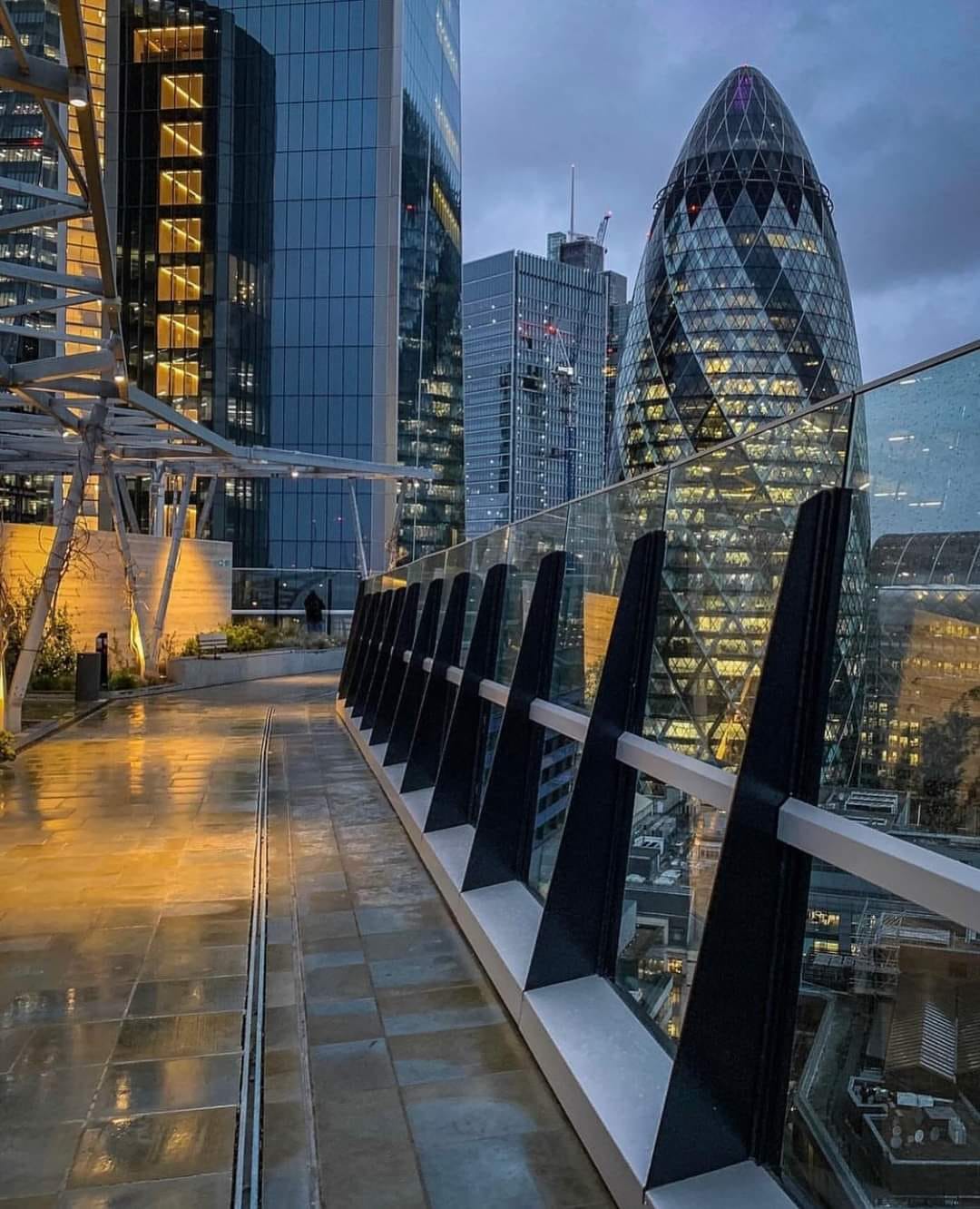
| MBCC “Doing Business with Mongolia seminar and Christmas Receptiom” Dec 10. 2025 London UK | MBCCI | London UK Goodman LLC |
NEWS

Mongolian herders enlist new tech against harsher, drier climate www.france24.com
"If they drank or stepped into it, the whole flock would be destroyed," she told AFP outside her traditional ger, the tent's shape silhouetted on the vast horizon of the Gobi Desert.
But thanks to an app helping herders navigate the risks that climate change is bringing to Mongolia, her husband was able to reach the sheep before they drank the brackish water.
"He immediately rushed over at top speed and intercepted them," said Ganchimeg, a mother of four who, like many Mongolians, goes by just one name.
"If we hadn't used that GPS tracker, we might have lost our entire flock."
Herders are on the frontline of both climate change and desertification impacts -- climate change is bringing extreme weather, including deadly cold snaps and droughts, which compound desertification caused by overgrazing.
Huge and sparsely populated, Mongolia is disproportionately affected by human-driven climate change, threatening the country's nomadic population and livestock.
Bilgudei Gankhulug, the 26-year-old founder of the Hunu app used by Ganchimeg, told AFP he was inspired to help herders after a 2024 "dzud" -- an extreme weather event that brought temperatures as low as minus 45C.
"Over eight million livestock died. I saw a lot of herders losing their income, losing their livelihoods in just the span of a few months," said Bilgudei.
Meaning "strong nomad", the name Hunu "embodies our mission of empowering nomadic herders with the help of technology," he said.
'Strong nomad'
The app allows nomads to track their livestock with a solar-charging GPS device attached to one animal per group -- sufficient for herds that tend to stick together on the spacious steppe.
It has an artificial intelligence-powered weather feature with updates on the deadly dust storms and blizzards made more common in recent years by climate change, which scientists say is intensifying globally.
The app also compiles useful information on maps showing snow depth, wind direction, soil moisture and drought, assisting nomads in crucial decisions on where to move next.
Mongolia hosted talks on a global desertification treaty, known as COP17, last month.
Countries agreed financing for land restoration and tackling drought resilience, but concerns remain over a massive funding shortfall to the growing problem.
Bilgudei told AFP he hopes to expand Hunu to central Asian countries, and met with pastoralists from Tanzania and Uruguay at COP17 interested too.
"Our problems are pretty similar," he said.
Global dilemma
About 80 percent of Mongolia is rangelands, large tracts of unfarmed land covered by native grasses and shrubs, according to Chimeddorj Buyanaa, Mongolia conservation director at the World Wildlife Fund.
"Rangelands are critically important for the local communities and also for the livelihoods of all of the Mongolian people," he told AFP.
Compounding the issue of climate change is rampant overgrazing that also endangers the region's wildlife, including snow leopards and saiga antelope, Chimeddorj said.
Around one in four Mongolians are nomadic herders.
Nearly 82 percent of the country's territory is affected by desertification and land degradation, authorities said in August.
Many herder families have simply decided to pack up and seek new lives in the city.
"Dundgovi Province's population has been declining continuously in recent years," the southern region's governor, Munkhchuluun Samdannyam, told AFP at COP17.
The worsening climate is a major problem for the province -- three-fifths of its economy depends on livestock husbandry, Munkhchuluun said -- but consequences are felt further afield.
"Dust storms can begin here and travel south to China, Korea, Japan and even as far as the United States," Munkhchuluun said.
"(It) is not only Mongolia's problem.
"It is also a global problem."
'Learn from traditions'
Speaking to AFP before heading to milk several camels tethered nearby, 49-year-old herder Bolormaa Erdenee said she was sceptical of forums like COP17.
"I often question whether the true voice of our herders is actually reaching decision-makers or not," she said.
Bolormaa and her husband raise about 400 livestock.
In their usual summer grazing area, she said roads for heavy mining trucks now criss-cross the steppe, kicking up dust and disrupting her animals.
Several nomadic households nearby have already relocated nearly 200 kilometres (125 miles) away in search of greener pastures.
Hunu app founder Bilgudei -- whose ancestors were nomadic herders -- said traditional migration itself is a form of environmental protection.
Bilgudei told AFP it's important to "learn from the traditions... and combine it with the science and technology".
...
Petro Matad halts Mongolian oil production amid ongoing dispute with PetroChina www.pluang.com
Petro Matad has stopped production at its Heron-1 and Gazelle-1 wells in Mongolia after PetroChina ordered a halt to deliveries of Block XX crude, continuing a dispute over their 2026 Oil Sales Agreement. Despite PetroChina's earlier written assurance that issues were resolved, internal discussions at PetroChina's head office have delayed invoice processing, leading to storage capacity concerns and a delivery stop ahead of Chinese national holidays. Petro Matad is escalating the issue through government and diplomatic channels while exploring alternative buyers. The company remains financially stable to operate into 2027 despite the sales delay.
Petro Matad production halt in Mongolia is the subject, with Pluang's energy sector market data providing context. As of Sep 22, 2026 10:51 WIB, 11 of 35 priced Energy-sector US stocks rose while 24 fell. Notable prices include Sunrun Inc (RUN) at USD 8.79 with a 3.05% increase, Exxon Mobil Corporation (XOM) at USD 158.32 with a 2.98% decrease, and Ecopetrol SA (EC) at USD 17.06 with a 2.96% decrease.
...
Russia limits diesel exports as Mongolia details its confirmed orders www.energynews.pro
Since August 1, 2026, Russia has enforced a temporary ban on exports of certain types of fuel, including diesel, accompanied by exceptions whose precise conditions determine the legality of each shipment. Volumes attributed to traders, published on September 21, 2026 and describing deliveries of Russian diesel to neighboring countries during this restriction period, remain without independent confirmation at this stage.
The regulatory framework and its exceptions
Decree No. 954 of the government of the Russian Federation, titled "On the establishment of a temporary ban on exporting certain types of fuel," was signed on July 30, 2026 before entering into force on August 1. It was subsequently amended by Decree No. 1097, signed on August 28, 2026. A first exception covers shipments made under intergovernmental agreements, within the limits of the applicable balances or protocols, and remains in force until September 30, 2026 inclusive. Other countries are adjusting their own diesel-related measures in parallel: France has extended the sale of summer-grade diesel until November 15, while Greece is preparing support for heating oil and road diesel prices.
The text then provides for an additional exception to enter into force on October 1, 2026, whose conditions concern in particular exports made directly by producers. This change in regime must be verified for each export, since its conditions of application differ from those of the intergovernmental exception currently in force. The general ban regime, for its part, is set to end on January 31, 2027 inclusive, a deadline distinct from the one governing intergovernmental deliveries.
Mongolia's orders, a partial indicator
The Mongolian government published, on August 5, 2026, a meeting report stating confirmed orders for 178,650 tonnes of diesel from Russian, Chinese and South Korean suppliers, for the month of August 2026. This figure describes planned purchases from suppliers of various origins; it measures neither Russian deliveries alone nor volumes actually recorded at the Mongolian border.
Mongolia belongs to East Asia, not Central Asia. A total presented as covering "Central Asia" but including this country should therefore be described through the explicit list of countries concerned, a distinction that also applies to aggregates including Afghanistan, which fall under a different scope and are not directly comparable to other regional totals.
Volumes without independent confirmation
The quantities by destination country, Russian production and deliveries intended for the domestic market, put forward by anonymous traders and an anonymous industry source on September 21, 2026, have not been found in any accessible customs, statistical or primary industry record. The available material therefore does not make it possible to validate the announced monthly increase, its breakdown by country, or its explanation through a production rebound. The existence of a regulatory exception does not by itself prove that every cargo reported by traders used that route: establishing such a link would require matching export declarations against the corresponding intergovernmental agreements, indicative balances or protocols.

Mongolian, Australian Speakers Hold Official Talks www.montsame.mn
At the invitation of Byambatsogt Sandag, Chairman of the State Great Khural of Mongolia, Milton Dick, Speaker of the House of Representatives of the Commonwealth of Australia, is paying an official visit to Mongolia. As part of the visit, Speakers Byambatsogt and Milton Dick held official talks at the State Palace on September 22.
At the beginning of the meeting, Speaker Byambatsogt emphasized that the official visit, the first by a Speaker of the House of Representatives of Australia to Mongolia in 15 years, is an important step toward developing bilateral and inter-parliamentary cooperation.
He noted that Mongolia and Australia share common values, including democracy, human rights and freedoms, the rule of law, and a market economy. He expressed Mongolia’s interest in expanding the scope of relations with Australia as a third neighbor, maintaining regular political dialogue, and boosting economic cooperation, trade, and investment.
Speaker Milton Dick noted that his visit represents significant progress in cooperation between the two countries. He said that next year will mark the 55th anniversary of the establishment of diplomatic relations between Mongolia and Australia. Over this period, strategic, political, economic and people-to-people ties between the two countries have been expanding, and he expressed confidence that the current visit would elevate these relations to a new level.
Chairman of the State Great Khural Byambatsogt briefed his counterpart on Mongolia’s 126-member Parliament established following amendments to the Constitution and emphasized the importance of Australia’s experience in developing a citizen-centered, transparent, and open parliament. He also expressed Mongolia’s interest in learning from Australia’s experience with legislation adopted to protect children’s rights on social media and prevent fraud.
He expressed satisfaction that the launch of direct flights between Mongolia and Australia, which he initiated and took part in establishing the legal framework for while serving as Minister of Road and Transport, is nearing realization. He also called for attention to easing visa requirements for travel to Australia, maintaining the positive outcome of Mongolia receiving dividends for the first time 17 years after the Oyu Tolgoi agreement was concluded, increasing investment, and expanding cooperation in education.
During the meeting, Chairman Byambatsogt also asked Australia to support efforts to resolve the case involving the murder of Mongolian citizen Altantuya Shaariibuu in Malaysia, in which a person convicted by the Federal Court of Malaysia is reportedly residing in Australia, and to facilitate the extradition of the convicted person to Malaysia to face legal accountability.
Speaker Milton Dick expressed appreciation for the reforms initiated to make the activities of the State Great Khural more open and transparent to citizens. He also expressed his commitment to expanding bilateral, particularly inter-parliamentary cooperation, and to continuing Australian Government scholarship programs to provide more young people with opportunities to study.
Regarding the case involving the murder of a Mongolian citizen in Malaysia, he said attention would be paid to ensuring that the matter is addressed fairly by the relevant law enforcement authorities and that information on measures being taken by law enforcement agencies would be provided as developments occur.
At the conclusion of the meeting, Speaker Milton Dick extended an invitation to Speaker Byambatsogt to pay an official visit to Australia, according to the Office of the Open Parliament of the State Great Khural.
...
Construction Begins on Power Plant, Wastewater Treatment Facility at Emeelt Eco Industrial Park www.montsame.mn
Construction of a thermal power plant and wastewater treatment facility at the Emeelt Eco Industrial Park in Ulaanbaatar has begun, with a groundbreaking ceremony held.
The power plant and wastewater treatment facility will form part of the park’s engineering infrastructure, providing its industries with a reliable supply of electricity and heat and proper wastewater management. The wastewater treatment facility will enable industrial
wastewater to be treated in accordance with the required technical standards and help reduce adverse environmental impacts.
The development of the Emeelt Eco Industrial Park is expected to create more than 5,600 new jobs, generate MNT 1.7 trillion in revenue and contribute MNT 86.3 billion in annual tax revenue. The investment is estimated to be recouped within six to seven years.
The park will have the capacity to process 7.5 million hides and skins, 3,000 tonnes of wool, 5,800 tonnes of cashmere, 25,000 tonnes of meat and 8,000 tonnes of by-products annually. The project aims to develop an environmentally friendly livestock-based industrial cluster equipped with advanced technologies that meet international standards.
The Emeelt Eco Industrial Park is being developed as part of efforts to accelerate industrialization, add value to livestock-origin raw materials and develop export-oriented production. Its development will enable industrial activities to be relocated to an appropriate designated area, while creating opportunities to rehabilitate and redevelop contaminated land in existing industrial zones.
Relocating leather, wool and cashmere processing plants currently operating around the Khargia area to Emeelt will help create a healthier and safer living environment for residents of Khan-Uul District.
Purevdagva Byaruuzana, Mayor of Ulaanbaatar and Governor of the Capital City, emphasized that the city administration will focus on accelerating the development of the park, providing the necessary engineering infrastructure in phases, and creating a favorable environment for investment and industrial production.
He also stressed the importance of cooperation among the government, private sector, investors and producers in completing the construction within the planned timeframe while meeting approved designs, standards, occupational safety requirements, and environmental regulations.
...
B.Naidalaa: Thermal energy shortage expected this winter www.gogo.mn
The HUN Party caucus in Parliament heard and discussed a presentation on preparations for the upcoming winter season in the energy sector and the implementation of future energy policies.
Minister of Energy B.Naidalaa said the energy sector is working around the clock to ensure adequate preparations for the winter.
“Of the 20 boilers at thermal power plants scheduled for maintenance, nine have been fully repaired, while the remaining 11 are between 35% and 85% complete. Of the 12 turbogenerators scheduled for maintenance, eight have been fully repaired and the remaining four are 85% complete.
Overall, winter preparations in the energy sector are currently 79% complete on average.
Citizens frequently ask whether electricity restrictions will be imposed this coming winter. Experts project that peak electricity demand will reach 1,956 MW next year.
Installed generation capacity currently stands at 1,836 MW. To meet peak demand, 1,410 MW will be supplied by thermal power plants, 30 MW by wind power, 5 MW by hydropower, and 150 MW by battery energy storage systems. The remaining demand will be covered through electricity imports from our southern and northern neighbors.
There will be a shortage of thermal energy this winter. Thermal power plants are operating under excessive strain and at levels significantly above their current capacity. They are operating under heavy load and struggling to meet heating demand.
Ulaanbaatar is facing a shortage of thermal power capacity. The situation has reached a point where even the construction of several small buildings is difficult, let alone entire residential districts. Therefore, funding for the construction of Thermal Power Plant No. 5 has been included in next year’s budget.”
...
Mongolia's International Bond Market: A Strong 2026, but the Next Test Lies Ahead www.capitalmarkets.mn
A Historically Active Year for Mongolian Issuers
Earlier this year, in our Investor Guide to Mongolia, CMM highlighted the potential for 2026 to become a particularly active year for Mongolian credit markets. As we approach the end of the third quarter, market activity has developed broadly in line with that expectation.
The third quarter of 2026 marks the close of an exceptionally active period for Mongolia's international bond market. Despite heightened geopolitical tensions, uncertainty surrounding global growth, and shifting investor allocations across emerging and frontier markets, Mongolian issuers continued to access international capital successfully. To put into perspective, non-sovereign Mongolian issuers raised approximately US$4.4 billion from international capital markets between January 2007 and December 2023. In comparison, non-sovereign issuance raised US$4.6 billion in just 33 months, from January 2024 through September 2026.
This means that nearly as much non-sovereign international bond financing was raised between January 2024 and September 2026 as during the preceding 17-year period. In just 33 months, Mongolia produced more issuance volume accumulated during the previous seventeen years, while expanding the number of borrowers accessing international investors.
The significance extends beyond volume.
Mongolia's international bond market has demonstrated greater issuer diversity, repeat access, and improved funding terms across multiple credit categories.2026 year-to-date issuance of US$2.15 billion ranks second only to 2012's US$2.98 billion. However, when viewed through the composition of issuance: the current cycle reflects a broader market involving sovereign, banks, municipal, and corporate borrowers. Mongolia is no longer simply accessing international capital during isolated sovereign financing windows.
The question now is whether this momentum can continue and what the market will look like as refinancing requirements intensify from 2027 onward.
Why Mongolia Capitalized on the International Bond Market Window
The current issuance cycle developed against a backdrop of changing global investor preferences and differentiated access to international funding. As global fixed-income markets experienced periods of volatility, investors reassessed allocations across emerging and frontier-market credits. Issuers in several comparable markets faced challenging funding conditions, delayed transactions, or less favorable pricing.
Mongolian issuers, however, continued to access the market.
One possible explanation lies in the relative supply of high-yield instruments. During periods when investors seek yield but the supply of new high-yield bonds remains limited, issuers that can demonstrate compelling credit fundamentals and execute efficiently may benefit from reduced competition for capital. Mongolian issuers appear to have capitalized on this dynamic during parts of the current cycle.
The evidence is visible in the progression of issuance terms.
In 2024, Mongolian issuers raised US$1.48 billion at a volume-weighted average coupon of 9.60% and tenor of 3.63 years. By the first three quarters of 2026, issuance had reached US$2.35 billion, while the weighted average coupon declined to 7.86% and tenor extended to 4.19 years. This combination of higher issuance, longer duration, and lower funding costs points to an improvement in market access that goes beyond individual transactions.
However, the timing of issuance remains critical.
A More Uncertain Issuance Environment
Global fixed-income markets have entered the later part of 2026 under renewed pressure.
Just recently, the U.S. 10-year Treasury yield briefly exceeded 5%, reaching levels not seen since the global financial crisis era, before easing below that threshold. Rising oil prices, persistent inflation concerns, fiscal pressures, and expectations surrounding Federal Reserve policy have contributed to higher benchmark borrowing costs.
For international bond issuers, the implications are direct.
Dollar-denominated borrowing costs are influenced not only by the issuer's credit spread but also by the underlying U.S. Treasury curve. When benchmark yields rise, issuers must either accept higher all-in funding costs or seek tighter credit spreads to preserve pricing. For Mongolian borrowers, this creates a more complex issuance environment.
Borrowers planning to access international markets may face three interrelated considerations:
1. Higher global benchmark yields
An elevated U.S. Treasury curve increases the base cost of dollar funding and swap costs, even when the issuer's own credit fundamentals remain unchanged.
2. Uncertainty around monetary policy
The Federal Reserve's September rate hike and accompanying signals regarding future rate hikes and policy have introduced additional uncertainty about the market outlook.
3. Domestic fiscal developments
Mongolia's preliminary 2027 budget introduces another variable for investors assessing sovereign risk. The government's draft budget projects MNT 43.6 trillion in total expenditure and a MNT 2.3 trillion equalized budget deficit. It also includes substantial planned borrowing and debt repayment requirements. For investors, the key consideration is how fiscal policy, borrowing requirements, and debt management interact with Mongolia's existing credit trends. For issuers, the implication is more immediate: the cost of waiting may be difficult to predict, while the cost of issuing into a higher-yield environment is becoming more visible.
Therefore, maintaining investor confidence and sustaining the momentum built during the current issuance cycle will be critical for Mongolian issuers in the months ahead. As global funding conditions evolve and refinancing requirements approach, transparent communication, proactive investor engagement, and a credible funding strategy will become increasingly important.
Join us at the Mongolia Investment Forum Singapore on November 18 to hear directly from issuers and key stakeholders shaping Mongolia's fixed-income market, and to discuss the opportunities and challenges ahead for Mongolian credit.
...
State enterprise listings pitched to 150 investors in London www.ubpost.mn
Last week, the Mongolian Stock Exchange (MSE) organized the Mongolia Investment Forum: London 2026 to promote plans to open state-owned enterprises to public investors, and held talks with the implementer of a UK government program on technical support to deepen the domestic market.
Organized by Capital Markets Mongolia (CMM), the forum brought together more than 150 investors from over 80 international organizations, representatives of capital market professional bodies, and delegates from leading Mongolian banking, finance and technology firms. Discussions covered the development of the country’s financial and capital markets, along with opportunities in information technology and artificial intelligence.
In the session titled “A New Era for Mongolia’s Equity Market,” Acting CEO of the MSE D.Munkhbat presented an overview of the market’s current state, its growth in recent years, investment opportunities, and future policies and objectives. He also outlined measures to open state-owned enterprises to the public through the capital market, part of the government’s broader reforms to improve governance and efficiency and to enhance public oversight.
The reform has moved quickly this year. On July 8, the government signed a memorandum of understanding with Franklin Templeton to prepare state firms for listings on domestic and international markets by 2027. Mongolia has 108 state-owned enterprises with about 60,700 employees and combined assets of roughly 60 trillion MNT, and the government has said many fall short of international standards on governance, profitability and investment readiness. Officials have underlined that the plan does not involve rapid privatisation. Companies will first be assessed against international methodologies and improved before being considered for listing. The parties will explore consolidating a portion of state shares into an investment fund whose units would be offered to professional investors on domestic and international exchanges. A first portfolio is targeted for international markets by the end of 2027.
At the forum, Executive Director for Central Asia at Franklin Templeton Marius Dan stressed the importance of opening state-owned enterprises to investors, ensuring professional management of state assets, and raising capital through domestic and international markets. Drawing on the firm’s experience with similar funds in Romania and Uzbekistan, he said these steps are crucial for increasing long-term institutional investment, boosting the value of state-owned enterprises and accelerating capital market development.
The Uzbek precedent is the closer model. Dan oversees the National Investment Fund of Uzbekistan (UzNIF), which holds minority stakes in 18 state-owned enterprises valued at about 1.5 billion USD and listed on the London Stock Exchange in May 2026 after a 604 million USD IPO. Earlier in his career he worked at Franklin Templeton Romania, on Fondul Proprietatea, a fund listed in London and Bucharest.
MSE representatives also met the Palladium Group, the implementer of the UK government’s MOBILIST program, to exchange views on potential collaboration. Launched in 2020, MOBILIST is a UK Foreign, Commonwealth and Development Office initiative that uses equity capital, technical assistance and UK government backing to help investment products list on public markets, and it is delivered in partnership with the governments of Norway and Switzerland. As of September, it partners with 11 stock exchanges globally and operates in more than 70 countries, focusing on launching new investment products, providing technical assistance and fostering investment.
The parties agreed to pursue cooperation and secure technical assistance for initiatives to improve liquidity in the domestic market. These include developing a market-maker system, increasing the issuance of exchange-traded funds (ETFs) and index-based products, and expanding the sustainable finance market.
The exchange has changed a great deal since its founding. It was established in 1991 by government decree to privatise state-owned assets, and the voucher scheme that followed gave 1.2 million citizens the means to buy into 475 state-owned companies. In 2025, securities trading reached MNT 906.3 billion and market capitalization grew to 13.85 trillion MNT. Even so, CMM says only 13 percent of the country’s top 100 companies are listed, and the MSE’s 2026 to 2030 strategy targets a FTSE upgrade and an inaugural MSCI rating.
...
Mongolian Stock Market Main Indices Show Positive Movement www.montsame.mn
MONTSAME National News Agency, in cooperation with MICC Mongolia International Capital Corporation, is delivering a weekly overview of domestic and international capital markets and economic developments to its readers.
Weekly Capital Market and Economic Review
(September 14-20, 2026)
MONGOLIAN STOCK EXCHANGE
Last week, 5.9 million securities worth a total of MNT 4.3 billion were traded on the Mongolian Stock Exchange (MSE). By trading value, Khan Bank JSC, Golomt Bank JSC, Ard Insurance JSC, Ard Financial Group JSC, and Mongolian Stock Exchange JSC were the most active stocks. During this period, one block trade was executed. Specifically:
Ard Insurance JSC (AIC) traded 492,000 shares at MNT 680 per share, totaling MNT 334.9 million.
The main indices of the Mongolian stock market moved higher, supporting the market's growth outlook. The TOP-20 Index rose by 2.93% to 64,900.55 points, reflecting active investor participation and the dominance of price increases in large-cap stocks. The MSE-A Index rose 2.17% to 25,001.81 points, indicating growing demand for shares of highly valued companies. Meanwhile, the MSE-B Index grew by 0.44%, showing relatively stable movement in the shares of Tier 2 and Tier 3 companies. Conversely, the FTI Index decreased by 0.31% to 1,050.41 points. Overall, the capital market trended upward during the reporting week, and investor expectations remained positive, with major companies in the TOP-20 and MSE-A indices serving as the main market drivers.
BANK OF MONGOLIA MAINTAINS POLICY RATE AT 12.5%
The Monetary Policy Committee of the Bank of Mongolia decided to keep the policy rate unchanged at 12.5% during its meetings on September 16–17, 2026.
In August 2026, the nationwide annual inflation rate stood at 12.5%, and 11.6% in Ulaanbaatar, decreasing by 0.5 and 1.4 percentage points, respectively, from the previous month. The slowdown in inflation was mainly driven by an increased supply of meat and vegetables, which reduced food price growth.
Mongolia's economy grew by 7.7% in the first half of 2026, with the mining and transportation sectors serving as the primary contributors. Activity in the mining and transportation sectors is expected to be maintained, while non-mining sector growth is projected to increase gradually.
In the external environment, oil and energy prices have risen due to the conflict in the Middle East, and the risk of increased inflationary pressure remains. However, gold and copper prices remain at high levels, positively impacting terms of trade and foreign exchange reserves.
The Bank of Mongolia expects inflation to slow down starting in the second quarter of 2027 and approach the upper interval of the target level by the end of 2026. However, the state budget amendment for this year and the approval process for the 2027 budget remain among the main risks affecting the future inflation outlook.
Therefore, the Monetary Policy Committee will implement subsequent policy actions in a timely manner, taking into account changes in inflation and the economic situation.
“MONGOLIAN CAPITAL MARKET 2.0” PROGRAM ANNOUNCED
On September 15, the London Stock Exchange Group (LSEG), the Mongolian Stock Exchange (MSE), and the Central Securities Depository (CSD) jointly announced the implementation of the “Mongolian Capital Market 2.0” program. The program is a long-term cooperation plan aimed at upgrading the technology and infrastructure of the Mongolian capital market and strengthening its integration with international markets.
Under the program, in addition to developing trading, settlement, and depository systems in line with international standards, focus will be placed on dual listings of Mongolian companies and increasing foreign investment. This is expected to expand opportunities for domestic companies to raise funds in international capital markets and increase investor participation.
Analysts believe this initiative is a crucial step in taking the Mongolian capital market to the next level, enhancing market transparency, liquidity, and international competitiveness.
BANK LOAN CRITERIA SLIGHTLY EASED, LOAN DEMAND INCREASES
The Bank of Mongolia released its “Bank Lending Survey” report for the second quarter of 2026 last week. This qualitative survey identifies the supply and demand for bank loans and the reasons for their changes, assessing the current and future outlook of the credit market.
In Q2 2026, banks slightly eased their loan criteria for enterprises and citizens. Corporate loan conditions were also slightly eased, while there were no significant changes to retail loan conditions.
In terms of loan demand, corporate demand increased with an index value of 0.34, and retail demand grew with an index of 0.22. The rise in corporate loan demand was primarily driven by the need for fixed and working capital financing, whereas the increase in retail demand was mainly influenced by improved consumer confidence and a growing need to purchase durable goods and fulfill other financial requirements.
In the coming quarter, banks are expected to slightly increase the loan supply for both enterprises and citizens. The corporate loan supply index stood at 0.19, and the retail index was also 0.19, with an expectation to predominantly increase the supply of retail salary loans.
On the other hand, corporate and retail loan conditions are generally expected to remain unchanged in the next quarter, while the prevailing expectation is a slight easing of corporate loan criteria alongside the maintenance of current retail loan criteria.
...
Arvaikheer Thermal Power Plant funding to be included in 2027 budget www.gogo.mn
On September 10, Prime Minister N.Uchral visited Uvurkhangai province, where the Government has decided to secure funding for the Arvaikheer Thermal Power Plant through the 2027 state budget and accelerate its completion under a public-private partnership.
The project is currently 45% complete, although construction had come to a complete standstill over the past year.
The Government plans to use dividends received from the Oyu Tolgoi project to fully complete thermal power plants in nine provinces.
Regarding the financing of Thermal Power Plant No. 6 in Ulaanbaatar, 30% of the project cost will be covered by the state budget, including Oyu Tolgoi dividend revenues, while the remaining 70% will be financed by the private sector.
Prime Minister N.Uchral said that energy-sector challenges would be addressed comprehensively once the 2027 state budget is approved. He also noted that construction of the Arkhangai Thermal Power Plant has not yet begun and therefore the project will be implemented through a public-private partnership.
For the first time, the Government has announced an open auction for renewable energy projects in five provinces. Private-sector companies are working to commission battery energy storage systems and solar power plants in December, ahead of the upcoming winter peak demand period.
Local authorities reported that a 50 MW solar power plant in Kharkhorin, Uvurkhangai province, is currently 45% complete.
The Prime Minister emphasized that the 2026 state budget amendment and the 2027 budget framework submitted by the Government to Parliament are intended to advance major development projects, deliver tangible results, and address the country’s energy-sector challenges.
...- «
- 1
- 2
- 3
- 4
- 5
- 6
- 7
- 8
- 9
- 10
- 11
- 12
- 13
- 14
- 15
- 16
- 17
- 18
- 19
- 20
- 21
- 22
- 23
- 24
- 25
- 26
- 27
- 28
- 29
- 30
- 31
- 32
- 33
- 34
- 35
- 36
- 37
- 38
- 39
- 40
- 41
- 42
- 43
- 44
- 45
- 46
- 47
- 48
- 49
- 50
- 51
- 52
- 53
- 54
- 55
- 56
- 57
- 58
- 59
- 60
- 61
- 62
- 63
- 64
- 65
- 66
- 67
- 68
- 69
- 70
- 71
- 72
- 73
- 74
- 75
- 76
- 77
- 78
- 79
- 80
- 81
- 82
- 83
- 84
- 85
- 86
- 87
- 88
- 89
- 90
- 91
- 92
- 93
- 94
- 95
- 96
- 97
- 98
- 99
- 100
- 101
- 102
- 103
- 104
- 105
- 106
- 107
- 108
- 109
- 110
- 111
- 112
- 113
- 114
- 115
- 116
- 117
- 118
- 119
- 120
- 121
- 122
- 123
- 124
- 125
- 126
- 127
- 128
- 129
- 130
- 131
- 132
- 133
- 134
- 135
- 136
- 137
- 138
- 139
- 140
- 141
- 142
- 143
- 144
- 145
- 146
- 147
- 148
- 149
- 150
- 151
- 152
- 153
- 154
- 155
- 156
- 157
- 158
- 159
- 160
- 161
- 162
- 163
- 164
- 165
- 166
- 167
- 168
- 169
- 170
- 171
- 172
- 173
- 174
- 175
- 176
- 177
- 178
- 179
- 180
- 181
- 182
- 183
- 184
- 185
- 186
- 187
- 188
- 189
- 190
- 191
- 192
- 193
- 194
- 195
- 196
- 197
- 198
- 199
- 200
- 201
- 202
- 203
- 204
- 205
- 206
- 207
- 208
- 209
- 210
- 211
- 212
- 213
- 214
- 215
- 216
- 217
- 218
- 219
- 220
- 221
- 222
- 223
- 224
- 225
- 226
- 227
- 228
- 229
- 230
- 231
- 232
- 233
- 234
- 235
- 236
- 237
- 238
- 239
- 240
- 241
- 242
- 243
- 244
- 245
- 246
- 247
- 248
- 249
- 250
- 251
- 252
- 253
- 254
- 255
- 256
- 257
- 258
- 259
- 260
- 261
- 262
- 263
- 264
- 265
- 266
- 267
- 268
- 269
- 270
- 271
- 272
- 273
- 274
- 275
- 276
- 277
- 278
- 279
- 280
- 281
- 282
- 283
- 284
- 285
- 286
- 287
- 288
- 289
- 290
- 291
- 292
- 293
- 294
- 295
- 296
- 297
- 298
- 299
- 300
- 301
- 302
- 303
- 304
- 305
- 306
- 307
- 308
- 309
- 310
- 311
- 312
- 313
- 314
- 315
- 316
- 317
- 318
- 319
- 320
- 321
- 322
- 323
- 324
- 325
- 326
- 327
- 328
- 329
- 330
- 331
- 332
- 333
- 334
- 335
- 336
- 337
- 338
- 339
- 340
- 341
- 342
- 343
- 344
- 345
- 346
- 347
- 348
- 349
- 350
- 351
- 352
- 353
- 354
- 355
- 356
- 357
- 358
- 359
- 360
- 361
- 362
- 363
- 364
- 365
- 366
- 367
- 368
- 369
- 370
- 371
- 372
- 373
- 374
- 375
- 376
- 377
- 378
- 379
- 380
- 381
- 382
- 383
- 384
- 385
- 386
- 387
- 388
- 389
- 390
- 391
- 392
- 393
- 394
- 395
- 396
- 397
- 398
- 399
- 400
- 401
- 402
- 403
- 404
- 405
- 406
- 407
- 408
- 409
- 410
- 411
- 412
- 413
- 414
- 415
- 416
- 417
- 418
- 419
- 420
- 421
- 422
- 423
- 424
- 425
- 426
- 427
- 428
- 429
- 430
- 431
- 432
- 433
- 434
- 435
- 436
- 437
- 438
- 439
- 440
- 441
- 442
- 443
- 444
- 445
- 446
- 447
- 448
- 449
- 450
- 451
- 452
- 453
- 454
- 455
- 456
- 457
- 458
- 459
- 460
- 461
- 462
- 463
- 464
- 465
- 466
- 467
- 468
- 469
- 470
- 471
- 472
- 473
- 474
- 475
- 476
- 477
- 478
- 479
- 480
- 481
- 482
- 483
- 484
- 485
- 486
- 487
- 488
- 489
- 490
- 491
- 492
- 493
- 494
- 495
- 496
- 497
- 498
- 499
- 500
- 501
- 502
- 503
- 504
- 505
- 506
- 507
- 508
- 509
- 510
- 511
- 512
- 513
- 514
- 515
- 516
- 517
- 518
- 519
- 520
- 521
- 522
- 523
- 524
- 525
- 526
- 527
- 528
- 529
- 530
- 531
- 532
- 533
- 534
- 535
- 536
- 537
- 538
- 539
- 540
- 541
- 542
- 543
- 544
- 545
- 546
- 547
- 548
- 549
- 550
- 551
- 552
- 553
- 554
- 555
- 556
- 557
- 558
- 559
- 560
- 561
- 562
- 563
- 564
- 565
- 566
- 567
- 568
- 569
- 570
- 571
- 572
- 573
- 574
- 575
- 576
- 577
- 578
- 579
- 580
- 581
- 582
- 583
- 584
- 585
- 586
- 587
- 588
- 589
- 590
- 591
- 592
- 593
- 594
- 595
- 596
- 597
- 598
- 599
- 600
- 601
- 602
- 603
- 604
- 605
- 606
- 607
- 608
- 609
- 610
- 611
- 612
- 613
- 614
- 615
- 616
- 617
- 618
- 619
- 620
- 621
- 622
- 623
- 624
- 625
- 626
- 627
- 628
- 629
- 630
- 631
- 632
- 633
- 634
- 635
- 636
- 637
- 638
- 639
- 640
- 641
- 642
- 643
- 644
- 645
- 646
- 647
- 648
- 649
- 650
- 651
- 652
- 653
- 654
- 655
- 656
- 657
- 658
- 659
- 660
- 661
- 662
- 663
- 664
- 665
- 666
- 667
- 668
- 669
- 670
- 671
- 672
- 673
- 674
- 675
- 676
- 677
- 678
- 679
- 680
- 681
- 682
- 683
- 684
- 685
- 686
- 687
- 688
- 689
- 690
- 691
- 692
- 693
- 694
- 695
- 696
- 697
- 698
- 699
- 700
- 701
- 702
- 703
- 704
- 705
- 706
- 707
- 708
- 709
- 710
- 711
- 712
- 713
- 714
- 715
- 716
- 717
- 718
- 719
- 720
- 721
- 722
- 723
- 724
- 725
- 726
- 727
- 728
- 729
- 730
- 731
- 732
- 733
- 734
- 735
- 736
- 737
- 738
- 739
- 740
- 741
- 742
- 743
- 744
- 745
- 746
- 747
- 748
- 749
- 750
- 751
- 752
- 753
- 754
- 755
- 756
- 757
- 758
- 759
- 760
- 761
- 762
- 763
- 764
- 765
- 766
- 767
- 768
- 769
- 770
- 771
- 772
- 773
- 774
- 775
- 776
- 777
- 778
- 779
- 780
- 781
- 782
- 783
- 784
- 785
- 786
- 787
- 788
- 789
- 790
- 791
- 792
- 793
- 794
- 795
- 796
- 797
- 798
- 799
- 800
- 801
- 802
- 803
- 804
- 805
- 806
- 807
- 808
- 809
- 810
- 811
- 812
- 813
- 814
- 815
- 816
- 817
- 818
- 819
- 820
- 821
- 822
- 823
- 824
- 825
- 826
- 827
- 828
- 829
- 830
- 831
- 832
- 833
- 834
- 835
- 836
- 837
- 838
- 839
- 840
- 841
- 842
- 843
- 844
- 845
- 846
- 847
- 848
- 849
- 850
- 851
- 852
- 853
- 854
- 855
- 856
- 857
- 858
- 859
- 860
- 861
- 862
- 863
- 864
- 865
- 866
- 867
- 868
- 869
- 870
- 871
- 872
- 873
- 874
- 875
- 876
- 877
- 878
- 879
- 880
- 881
- 882
- 883
- 884
- 885
- 886
- 887
- 888
- 889
- 890
- 891
- 892
- 893
- 894
- 895
- 896
- 897
- 898
- 899
- 900
- 901
- 902
- 903
- 904
- 905
- 906
- 907
- 908
- 909
- 910
- 911
- 912
- 913
- 914
- 915
- 916
- 917
- 918
- 919
- 920
- 921
- 922
- 923
- 924
- 925
- 926
- 927
- 928
- 929
- 930
- 931
- 932
- 933
- 934
- 935
- 936
- 937
- 938
- 939
- 940
- 941
- 942
- 943
- 944
- 945
- 946
- 947
- 948
- 949
- 950
- 951
- 952
- 953
- 954
- 955
- 956
- 957
- 958
- 959
- 960
- 961
- 962
- 963
- 964
- 965
- 966
- 967
- 968
- 969
- 970
- 971
- 972
- 973
- 974
- 975
- 976
- 977
- 978
- 979
- 980
- 981
- 982
- 983
- 984
- 985
- 986
- 987
- 988
- 989
- 990
- 991
- 992
- 993
- 994
- 995
- 996
- 997
- 998
- 999
- 1000
- 1001
- 1002
- 1003
- 1004
- 1005
- 1006
- 1007
- 1008
- 1009
- 1010
- 1011
- 1012
- 1013
- 1014
- 1015
- 1016
- 1017
- 1018
- 1019
- 1020
- 1021
- 1022
- 1023
- 1024
- 1025
- 1026
- 1027
- 1028
- 1029
- 1030
- 1031
- 1032
- 1033
- 1034
- 1035
- 1036
- 1037
- 1038
- 1039
- 1040
- 1041
- 1042
- 1043
- 1044
- 1045
- 1046
- 1047
- 1048
- 1049
- 1050
- 1051
- 1052
- 1053
- 1054
- 1055
- 1056
- 1057
- 1058
- 1059
- 1060
- 1061
- 1062
- 1063
- 1064
- 1065
- 1066
- 1067
- 1068
- 1069
- 1070
- 1071
- 1072
- 1073
- 1074
- 1075
- 1076
- 1077
- 1078
- 1079
- 1080
- 1081
- 1082
- 1083
- 1084
- 1085
- 1086
- 1087
- 1088
- 1089
- 1090
- 1091
- 1092
- 1093
- 1094
- 1095
- 1096
- 1097
- 1098
- 1099
- 1100
- 1101
- 1102
- 1103
- 1104
- 1105
- 1106
- 1107
- 1108
- 1109
- 1110
- 1111
- 1112
- 1113
- 1114
- 1115
- 1116
- 1117
- 1118
- 1119
- 1120
- 1121
- 1122
- 1123
- 1124
- 1125
- 1126
- 1127
- 1128
- 1129
- 1130
- 1131
- 1132
- 1133
- 1134
- 1135
- 1136
- 1137
- 1138
- 1139
- 1140
- 1141
- 1142
- 1143
- 1144
- 1145
- 1146
- 1147
- 1148
- 1149
- 1150
- 1151
- 1152
- 1153
- 1154
- 1155
- 1156
- 1157
- 1158
- 1159
- 1160
- 1161
- 1162
- 1163
- 1164
- 1165
- 1166
- 1167
- 1168
- 1169
- 1170
- 1171
- 1172
- 1173
- 1174
- 1175
- 1176
- 1177
- 1178
- 1179
- 1180
- 1181
- 1182
- 1183
- 1184
- 1185
- 1186
- 1187
- 1188
- 1189
- 1190
- 1191
- 1192
- 1193
- 1194
- 1195
- 1196
- 1197
- 1198
- 1199
- 1200
- 1201
- 1202
- 1203
- 1204
- 1205
- 1206
- 1207
- 1208
- 1209
- 1210
- 1211
- 1212
- 1213
- 1214
- 1215
- 1216
- 1217
- 1218
- 1219
- 1220
- 1221
- 1222
- 1223
- 1224
- 1225
- 1226
- 1227
- 1228
- 1229
- 1230
- 1231
- 1232
- 1233
- 1234
- 1235
- 1236
- 1237
- 1238
- 1239
- 1240
- 1241
- 1242
- 1243
- 1244
- 1245
- 1246
- 1247
- 1248
- 1249
- 1250
- 1251
- 1252
- 1253
- 1254
- 1255
- 1256
- 1257
- 1258
- 1259
- 1260
- 1261
- 1262
- 1263
- 1264
- 1265
- 1266
- 1267
- 1268
- 1269
- 1270
- 1271
- 1272
- 1273
- 1274
- 1275
- 1276
- 1277
- 1278
- 1279
- 1280
- 1281
- 1282
- 1283
- 1284
- 1285
- 1286
- 1287
- 1288
- 1289
- 1290
- 1291
- 1292
- 1293
- 1294
- 1295
- 1296
- 1297
- 1298
- 1299
- 1300
- 1301
- 1302
- 1303
- 1304
- 1305
- 1306
- 1307
- 1308
- 1309
- 1310
- 1311
- 1312
- 1313
- 1314
- 1315
- 1316
- 1317
- 1318
- 1319
- 1320
- 1321
- 1322
- 1323
- 1324
- 1325
- 1326
- 1327
- 1328
- 1329
- 1330
- 1331
- 1332
- 1333
- 1334
- 1335
- 1336
- 1337
- 1338
- 1339
- 1340
- 1341
- 1342
- 1343
- 1344
- 1345
- 1346
- 1347
- 1348
- 1349
- 1350
- 1351
- 1352
- 1353
- 1354
- 1355
- 1356
- 1357
- 1358
- 1359
- 1360
- 1361
- 1362
- 1363
- 1364
- 1365
- 1366
- 1367
- 1368
- 1369
- 1370
- 1371
- 1372
- 1373
- 1374
- 1375
- 1376
- 1377
- 1378
- 1379
- 1380
- 1381
- 1382
- 1383
- 1384
- 1385
- 1386
- 1387
- 1388
- 1389
- 1390
- 1391
- 1392
- 1393
- 1394
- 1395
- 1396
- 1397
- 1398
- 1399
- 1400
- 1401
- 1402
- 1403
- 1404
- 1405
- 1406
- 1407
- 1408
- 1409
- 1410
- 1411
- 1412
- 1413
- 1414
- 1415
- 1416
- 1417
- 1418
- 1419
- 1420
- 1421
- 1422
- 1423
- 1424
- 1425
- 1426
- 1427
- 1428
- 1429
- 1430
- 1431
- 1432
- 1433
- 1434
- 1435
- 1436
- 1437
- 1438
- 1439
- 1440
- 1441
- 1442
- 1443
- 1444
- 1445
- 1446
- 1447
- 1448
- 1449
- 1450
- 1451
- 1452
- 1453
- 1454
- 1455
- 1456
- 1457
- 1458
- 1459
- 1460
- 1461
- 1462
- 1463
- 1464
- 1465
- 1466
- 1467
- 1468
- 1469
- 1470
- 1471
- 1472
- 1473
- 1474
- 1475
- 1476
- 1477
- 1478
- 1479
- 1480
- 1481
- 1482
- 1483
- 1484
- 1485
- 1486
- 1487
- 1488
- 1489
- 1490
- 1491
- 1492
- 1493
- 1494
- 1495
- 1496
- 1497
- 1498
- 1499
- 1500
- 1501
- 1502
- 1503
- 1504
- 1505
- 1506
- 1507
- 1508
- 1509
- 1510
- 1511
- 1512
- 1513
- 1514
- 1515
- 1516
- 1517
- 1518
- 1519
- 1520
- 1521
- 1522
- 1523
- 1524
- 1525
- 1526
- 1527
- 1528
- 1529
- 1530
- 1531
- 1532
- 1533
- 1534
- 1535
- 1536
- 1537
- 1538
- 1539
- 1540
- 1541
- 1542
- 1543
- 1544
- 1545
- 1546
- 1547
- 1548
- 1549
- 1550
- 1551
- 1552
- 1553
- 1554
- 1555
- 1556
- 1557
- 1558
- 1559
- 1560
- 1561
- 1562
- 1563
- 1564
- 1565
- 1566
- 1567
- 1568
- 1569
- 1570
- 1571
- 1572
- 1573
- 1574
- 1575
- 1576
- 1577
- 1578
- 1579
- 1580
- 1581
- 1582
- 1583
- 1584
- 1585
- 1586
- 1587
- 1588
- 1589
- 1590
- 1591
- 1592
- 1593
- 1594
- 1595
- 1596
- 1597
- 1598
- 1599
- 1600
- 1601
- 1602
- 1603
- 1604
- 1605
- 1606
- 1607
- 1608
- 1609
- 1610
- 1611
- 1612
- 1613
- 1614
- 1615
- 1616
- 1617
- 1618
- 1619
- 1620
- 1621
- 1622
- 1623
- 1624
- 1625
- 1626
- 1627
- 1628
- 1629
- 1630
- 1631
- 1632
- 1633
- 1634
- 1635
- 1636
- 1637
- 1638
- 1639
- 1640
- 1641
- 1642
- 1643
- 1644
- 1645
- 1646
- 1647
- 1648
- 1649
- 1650
- 1651
- 1652
- 1653
- 1654
- 1655
- 1656
- 1657
- 1658
- 1659
- 1660
- 1661
- 1662
- 1663
- 1664
- 1665
- 1666
- 1667
- 1668
- 1669
- 1670
- 1671
- 1672
- 1673
- 1674
- 1675
- 1676
- 1677
- 1678
- 1679
- 1680
- 1681
- 1682
- 1683
- 1684
- 1685
- 1686
- 1687
- 1688
- 1689
- 1690
- 1691
- 1692
- 1693
- 1694
- 1695
- 1696
- 1697
- 1698
- 1699
- 1700
- 1701
- 1702
- 1703
- 1704
- 1705
- 1706
- 1707
- 1708
- 1709
- 1710
- 1711
- 1712
- 1713
- 1714
- 1715
- 1716
- 1717
- 1718
- 1719
- 1720
- 1721
- 1722
- 1723
- 1724
- 1725
- 1726
- 1727
- 1728
- 1729
- 1730
- 1731
- 1732
- 1733
- 1734
- 1735
- 1736
- 1737
- 1738
- 1739
- 1740
- 1741
- 1742
- 1743
- 1744
- 1745
- 1746
- 1747
- 1748
- 1749
- 1750
- 1751
- 1752
- 1753
- 1754
- 1755
- 1756
- 1757
- 1758
- 1759
- 1760
- 1761
- 1762
- 1763
- 1764
- 1765
- 1766
- 1767
- 1768
- 1769
- 1770
- 1771
- 1772
- 1773
- 1774
- 1775
- 1776
- 1777
- 1778
- 1779
- 1780
- 1781
- 1782
- 1783
- 1784
- 1785
- 1786
- 1787
- 1788
- 1789
- 1790
- 1791
- 1792
- 1793
- 1794
- 1795
- 1796
- 1797
- 1798
- 1799
- 1800
- 1801
- 1802
- 1803
- 1804
- 1805
- 1806
- 1807
- 1808
- 1809
- 1810
- 1811
- 1812
- 1813
- 1814
- 1815
- 1816
- 1817
- 1818
- 1819
- 1820
- 1821
- »


