
Category
- Agriculture
- Automobiles and Machinery
- Bank, non banking financing, investment
- Blasting
- Construction
- Consumables
- Education
- Energy
- Engineer , Architecture and Geodesy
- Finance, Audit,Accounting and Brokerage
- Food
- Foreign Trade
- Geology Exploration
- Health
- Information Technology
- Insurance
- Labor Safety
- Legal and Business consulting
- Lighting
- Mining equipment
- Mining Services
- Other product and service
- Road
- Sewing and textile products
- Transportations
- Travel
Events
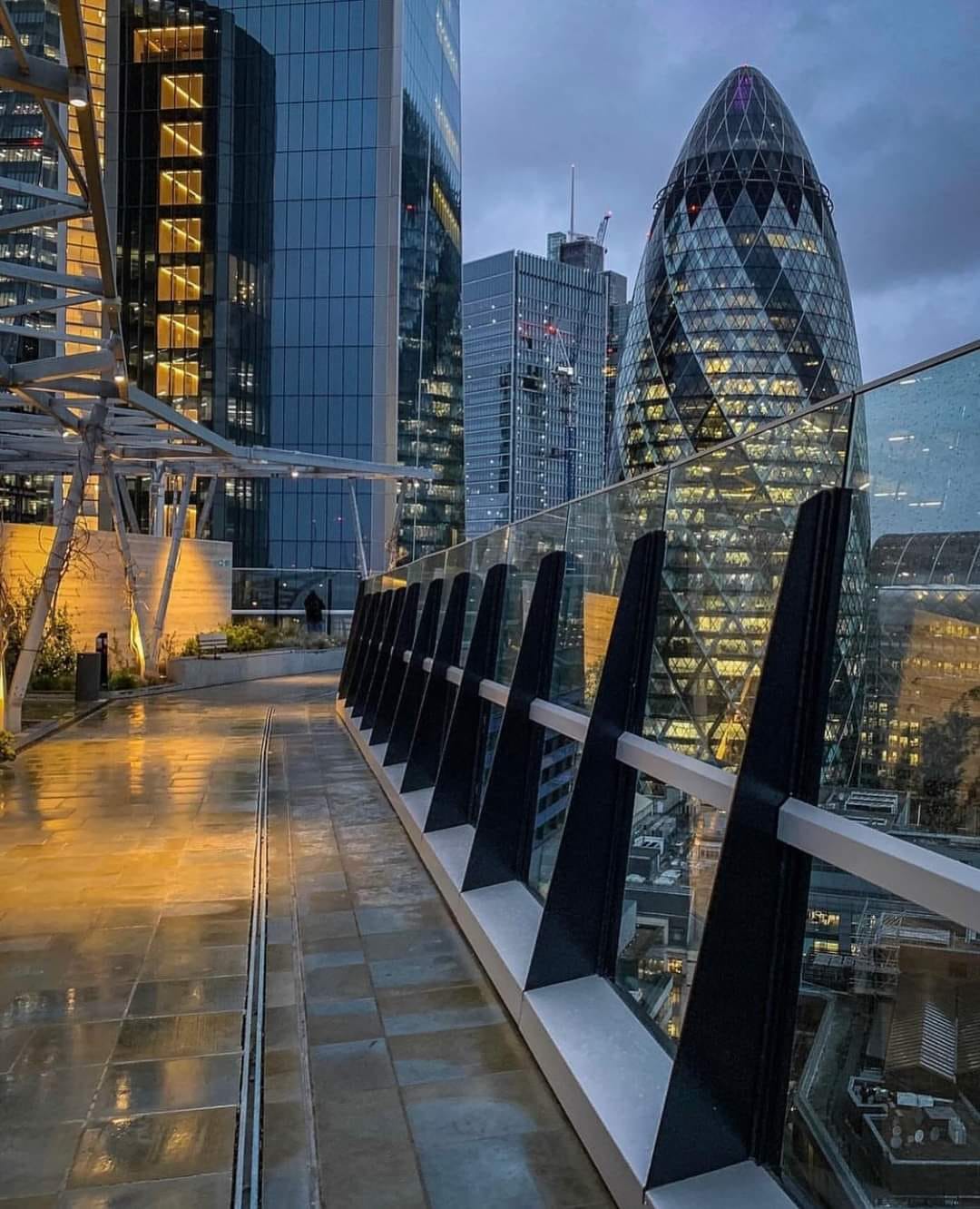

Events
| Name | organizer | Where |
|---|---|---|
| MBCC “Doing Business with Mongolia seminar and Christmas Receptiom” Dec 10. 2025 London UK | MBCCI | London UK Goodman LLC |
NEWS
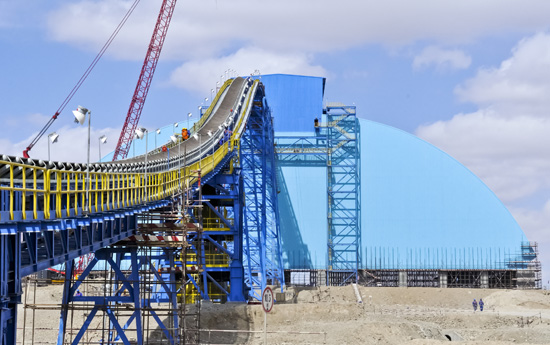
Will Mongolia’s crackdown on graft unlock its mineral riches? www.ft.com
Thirteen hundred metres beneath the vast Gobi Desert, the heat, dust and a sense of claustrophobia are unshakeable after a rapid trip down a mine shaft in a freight elevator known as “the cage”.
Yet Ganbat Tuvshinbat, a local mining engineer, grins broadly. “This is the warmest place in Mongolia,” he says of a country where the average temperature is below zero. “Here you can experience summer all year round.”
Tuvshinbat and his employer Rio Tinto, the Anglo-Australian multinational, have reason to smile. Towards the end of this decade, the company plans to produce about half a million tonnes of copper from the Oyu Tolgoi mine each year, enough of the metal to help build 6mn electric vehicles. When the underground mine is fully operational, it will be the fourth biggest copper project in the world — a boon for the Mongolian government, which holds a 34 per cent stake.
Despite setbacks and delays, Oyu Tolgoi — already the biggest foreign investment in the Asian country’s history — is emblematic of what the Mongolian People’s party government sees as its path to prosperity. Luvsannamsrain Oyun-Erdene, Mongolia’s Harvard-educated, reformist prime minister, wants western mining groups to tap the country’s vast deposits of copper, uranium and other critical minerals essential to the world’s fight against climate change.
Much is at stake for the country of 3.4mn people which only emerged from single-party socialist control in the 1990s. If Oyun-Erdene is successful, the developing country will enjoy a years-long resources boom. The government hopes to more than triple gross domestic product from $15bn last year to nearly $50bn by 2030 and halve Mongolia’s poverty rate to 15 per cent in the process.
There is another goal, too. A wave of investment from the west holds the promise of giving Ulaanbaatar a much-wanted buffer against Beijing and Moscow. The landlocked nation is highly dependent on its only two neighbours: China accounts for 84 per cent of Mongolian exports, such as copper and coal, and Russia provides about 30 per cent of its imports, including all its petroleum products.
Mongolia is still trying to safeguard its democracy because we have a very difficult geographical and geopolitical situation,” Oyun-Erdene tells the Financial Times, urging foreign investors to “pay close attention” and understand his country’s particular challenges.
Oyun-Erdene is cognisant of the rare opportunity at hand. Climate commitments are fuelling a historic transition to clean technologies, sparking an intense global race among companies and governments to secure long-term access to minerals. Locations once considered too remote or too risky are now in play.
To win over investors, however, he must convince them that the days of convoluted policymaking and deeply entrenched corruption are over. He also needs to combat fears over mining clashing with the country’s nomadic tradition and criticism from environmentalists. Finally, he must overcome a discouraging lack of modern geological data.
Oyun-Erdene has swiftly set about cleaning house in order to present his country to the western mining industry as a secure investment destination: sweeping constitutional and judicial reforms, a crackdown on graft and an overhaul of the policies and regulations governing the resources industry. “At the moment our main goal is to improve transparency,” he says. “After that, we can discuss investments from abroad and which countries to co-operate with.”
The prime minister is not the first Mongolian leader to have had this vision. The question is: can he be the one to realise it?
Cleaning house
Oyun-Erdene was halfway through his first term in office when he faced his biggest test.
In December 2022, he left the state palace and stepped into sub-zero temperatures to face Mongolia’s biggest public demonstration since the country’s democratic revolution three decades ago. The protest was sparked by the release of official records that confirmed what many citizens gathered at the capital’s Sükhbaatar Square had long suspected: corruption was rife among the country’s state-owned coal industry. Billions of dollars had been stolen, including by members of parliament.
The fury revealed not only the degree of public alarm over endemic graft and abuse of power — it was also a bitter reminder of the broken promises of earlier mining booms.
A month later, speaking in Ulaanbaatar, Richard Buangan, the newly arrived US ambassador, was unsparing when he summed up Mongolia’s prospects: “Capricious, non-transparent, unpredictable and corrupt application of laws and regulations make Mongolia unattractive for investors and challenging for importers and exporters.”
In response to the criticism at home and abroad, and driven by a resolve to avoid taking on international finance loans, Oyun-Erdene has prioritised making Mongolia investable at the heart of his economic agenda.
The prime minister has tapped his right-hand man, justice minister Khishgee Nyambaatar, to spearhead an aggressive anti-corruption campaign. Seventeen people have been extradited to Mongolia to face investigation and the government has asked Interpol to issue red notices for a further 92 individuals.
Oyun-Erdene has also changed the way politicians are elected. Constitutional reforms passed last May increased the number of legislators from 76 to 126 and established a mixed-member proportional system, with 78 constituent members and the remaining elected from party votes.
The new system, which is akin to those in Germany and New Zealand, is intended to increase oversight of the cabinet and provide greater civil society representation.
New rules are also being established for the appointment and dismissal of judges, requirements for public information disclosure and protection for whistleblowers as well as changes to the governance of state-owned enterprises and controls over the financing of political parties.
All of this shows Mongolia is “moving in the right direction”, insists Nyambaatar. “The revelation of previously hidden details, such as licensing procedures, land allocations and concessional loans incited anger and frustration among citizens,” he says. “We have come to the belief that the government should reduce its involvement in numerous business sectors.”
Oyun-Erdene’s plan also hinges on the country’s ability to forge new connections to the outside world. At its closest point, Mongolia is nearly 700km from the ocean. The prime minister points out that transporting goods by air is at least one hundred times more expensive than by sea. Mongolia, he says, is working to secure routes for its exports through China.
Amid concerns that tapping the country’s mineral wealth will leave its finances exposed to commodity price fluctuations, there is also a push to move higher up the value chain: from mining to processing and refining minerals, as well as building solar and wind projects in the Gobi to export power to China.
As he works to make Mongolia attractive to foreign investors, Oyun-Erdene, who faces parliamentary elections in 2024, must also keep the public onside. Equal wealth distribution, he says, is the most crucial part of that equation. To that end, the government is drawing up plans for a sovereign wealth fund to ensure resource revenues are channelled towards health, education and future economic growth.
“We believe that as the revenue coming from the mining sector increases, then the people’s support will also increase,” he adds.
Critical minerals
While many say it is too soon to judge the stickability of the prime minister’s reforms, there are signs that Oyun-Erdene’s message is cutting through.
Hundreds of investors, miners, diplomats and politicians joined in celebrations at Mongolia’s annual Naadam festival on July 10 at the lavish Shangri-La hotel in downtown Ulaanbaatar. Their presence was taken as proof positive of renewed interest in Mongolia’s resources.
Underpinning their attention is the looming global shortage of the resources needed for the world’s transition to cleaner energy systems, including electric vehicles, and the infrastructure needed to harvest wind and solar energy.
The International Energy Agency says that over the past five years, the market size for minerals vital to the energy transition has doubled to $320bn. Yet demand for critical minerals including rare earth elements, lithium and cobalt are expected to surge by as much as 600 per cent over the coming decade. Demand for copper is forecast to double to about 50mn tonnes annually by 2035. And if the world is to reach net zero emissions by 2050, annual investment in nuclear energy will also have to triple to about $125bn over the coming five years, according to the IEA.
Megan Clark, a minerals expert and advisory board chair for the Australian Space Agency, says Mongolia is “extremely well placed” in terms of its mineral endowment. She points to strong copper, uranium and rare earths potential as well as the possibility for “new niche industries” to emerge in high-tech materials processing.
Supporters of nuclear energy are equally bullish about the country’s potential as a long-term supplier to the nuclear power industry. Olivier Thoumyre, a representative for the French group Orana which is developing Mongolia’s first uranium mine, says: “I believe that it is a big source of diversification for Mongolia . . . The global warming situation has triggered, clearly, a new start for nuclear power.”
In presentations to investors about the potential in Mongolia, Rio executives tout a “vast mineral wealth predominantly untouched by modern exploration and extraction methods”, and that only 4 per cent of Mongolia’s landmass — an area similar in size to Alaska — is held under exploration licenses.
In reality, mineral explorers coming to Mongolia are quick to discover reams of Soviet-era land surveys which targeted coal and gold but only at relatively shallow depths. So, while Mongolia is marketed as a rare greenfield opportunity, the lack of exploration data remains a major problem for the industry. Without it, companies have to start from scratch.
To help address this, the European Bank for Reconstruction and Development, with backing from Australia, has in recent years helped establish a national geoscience database for Mongolia. However, that database needs to be filled with new geological surveys. Local industry leaders are quietly lobbying Oyun-Erdene’s administration to spend about $200mn to pay for the modern surveys which they believe are needed to reduce risk and attract private-sector explorers.
Clark, of the Australian Space Agency who also sits on the Rio board, says that Mongolia is not alone in trying to attract investors as countries around the world respond to the increased demand for minerals. Mongolia must ensure its mining-focused officials are properly resourced, she says, adding that agencies responsible for controlling exploration and mining permits should be considered a “vital” national capability.
Mongolia’s potential has been likened to South Korea’s evolution into a technology manufacturing powerhouse. Dominic Barton, the chair of Rio Tinto, notes that in the 1970s South Korea had “very little energy supply . . . no industrial market whatsoever, and very little access to capital.”
“There is every reason and more to believe Mongolia can go through the same transformational change in the next 30 years,” argues Barton, a former senior McKinsey executive and Canadian diplomat in China.
Barton adds that companies, including Rio, also have a responsibility to help Mongolia with that transition from resource extraction to higher-value processing. But there is a wariness about committing to investing in processing in Mongolia. Rio’s investors, he says, want the company to “be careful” about overextending itself beyond its core mining business.
Squeezed by superpowers
Yet as Mongolia reaches out to the west to boost growth, it must also avoid flaring rising geopolitical tensions.
This careful navigation was apparent on June 27, when Oyun-Erdene strode into the Great Hall of the People in Beijing and shook hands with Xi Jinping, China’s president. His visit resulted in agreements to triple the capacity of an increased number of China-Mongolia border crossings and negotiations over access to the port at Tianjin, south-east of the Chinese capital. On the same day, Jose Fernandez, the US under secretary of state for the environment, signed a memorandum of understanding with Mongolia to jointly work on securing a supply chain for critical minerals.
The simultaneous deals with the US and China highlighted the Mongolian leader’s pragmatic approach, diplomats say. This strategy has also included abstaining from voting on UN resolutions on Ukraine.
Leif-Eric Easley, a professor of international studies at Ewha Womans University in Seoul, says that Mongolia’s “best bet” to hedge against Moscow and Beijing is to attract investment. “The key variable for Ulaanbaatar is credible democratic leadership that signals to diplomatic partners and international organisations the genuineness of domestic reforms,” he says.
In Ulaanbaatar, there is a palpable sense of urgency. Three years of trade restrictions along the 4,630km border with China during the pandemic battered the already-fragile Mongolian economy. Then the Russian invasion of Ukraine dashed any hopes of a strong recovery with headline inflation soaring to an average of 15 per cent last year.
The start of underground mining at Oyu Tolgoi in March is expected to help boost Mongolia’s economy to growth of 5.2 per cent this year, up from 4.7 per cent in 2022.
The World Bank has warned Mongolia that fiscal discipline remains essential in the short term. In years to come, however, sustainable growth and resilience to future external shocks will hinge on the results of the government’s reforms. “They need foreign investment,” says one foreign diplomat. “They would prefer it was western.”
Yet Oyu Tolgoi’s own chequered past highlights the rocky road ahead. The copper deposit was considered one of the world’s most exciting minerals discoveries in 2001, but its development has been marred by billions of dollars in cost overruns, years of delays and, at times, a toxic relationship between Ulaanbaatar and Rio, especially under Jean-Sébastien Jacques, the chief executive from 2016 to 2020.
His replacement, Jakob Stausholm, has worked to smooth over tensions, brokering a deal to write off debts of $2.3bn owed by the Mongolian government. Rio took greater control over the operation from Canadian miner Turquoise Hill.
Rio points out that for the past decade, about 10 per cent of the Mongolian government’s revenue has come from Oyu Tolgoi. However, an acute point of tension remains around the timing of a dividend payment from the project, which could still be years away and depends, in part, on the price of copper.
Sukhgerel Dugersuren, director of environmental group Oyu Tolgoi Watch, says that for decades she and others have raised concerns about the mine’s management of toxic waste, the lack of transparent and independent environmental monitoring and the consequences for the local nomadic herders.
“Experts will tell you it is just a dot on the globe. The fact is when you have thousands of dots there are cumulative impacts,” she says of the potential influx of new mines.
Most of the Oyu Tolgoi saga predated Oyun-Erdene’s time in office, but the prime minister says the mine’s problems have underscored the critical importance of transparency and accuracy when it comes to feasibility studies and financing plans. He wants to ensure history does not repeat. “We’ve learnt our lessons,” he says.
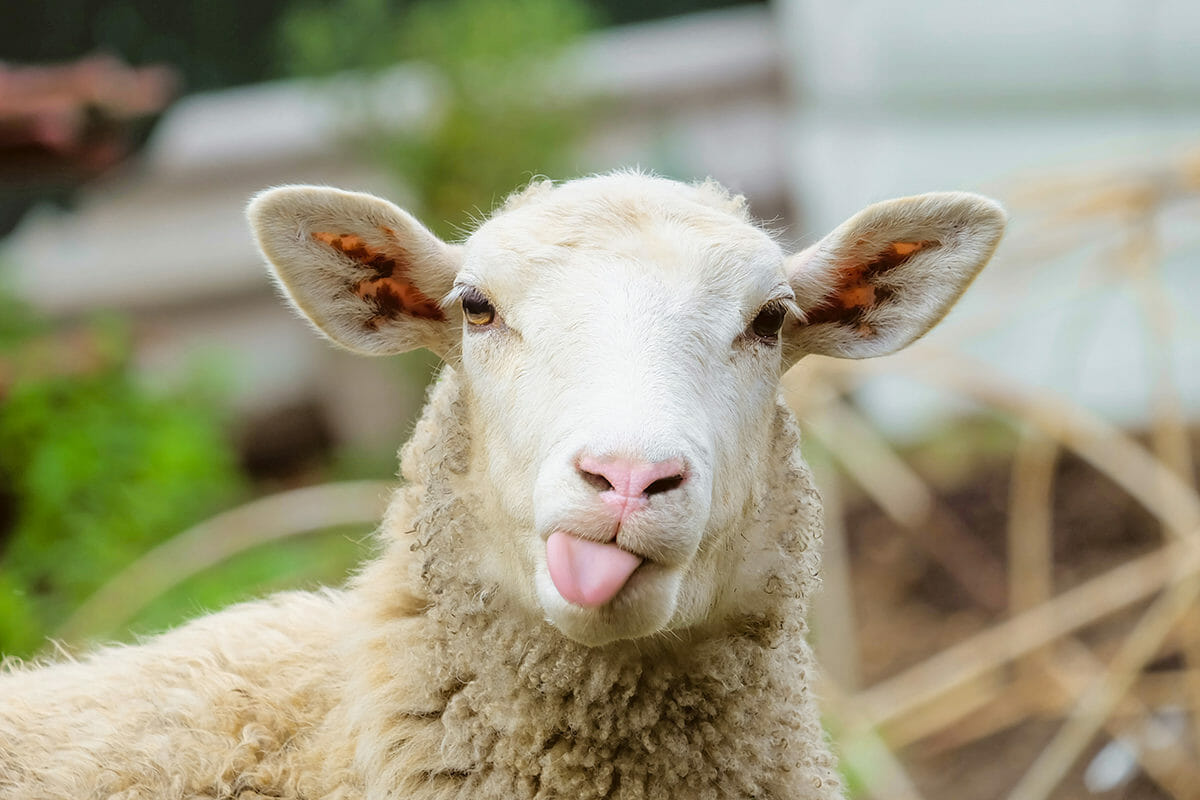
A Mongolian adventure www.guardianonline.co.nz
Sam Bryan is home from his Mongolian adventure with a new appreciation for the people and culture. The Guardian caught up with him to see how his big trip went.
Fermented horse milk might not be for everyone, but it was just one of the Mongolian experiences Sam Bryan will not forget.
The Ashburton Rabobank agri-business associate and former shearer has recently returned from a three-week stint in the east Asian country as part of the Share Mongolia programme.
The programme aims to arm Mongolian shearers with training and modern equipment, enabling them to shear and farm more economically and sustainably.
Currently, most shearing in Mongolia is done using scissors, a time-consuming method that limits the number of sheep shorn to just thirty per day and makes it difficult for herders to support their families.
Bryan was one of around 13 Rabobank clients and staff who embarked on the trip throughout June and July, sharing their skills and getting thoroughly immersed in Mongolian culture.
Bryan says the group was warmly welcomed by locals who went out of their way to give their guests a taste of authentic Mongolian hospitality.
"The best part about the trip was the people, how well we were looked after and how hospitable they were," Bryan said.
"They put a lot of effort into looking after us and making sure we had a good time."
Bryan spent the first part of his trip in the Ömnögovi province in the south of Mongolia in the Gobi desert doing two full days of shearing, which he described as "the hottest, stickiest and sandiest" shearing experience he has had.
At the end of the second night in the Gobi desert, a visit to a family of herders ended with Bryan adding camel shearing to his repertoire.
"We called into this family on the way home one night and decided to have a go shearing their camels.
"It was pretty easy; we just grabbed them, sat them down, tied them and shore them.
"It's a bit like shearing an alpaca."
The Ömnögovi province suffers from over-grazing, which Bryan says has significantly impacted the grasslands, with around seven kilometres disappearing into desert every year.
Tens of thousands of animals were visible in the valley every morning of his stay, including horses, yaks, cattle, sheep and goats.
By teaching more efficient shearing practices to herders and looking at new markets for the wool, the hope is they can reduce stock numbers and lessen the environmental impact.
"We gathered some of the wool to send back to Europe, with the idea of adding value to the wool they got from running sheep.
"We are hoping that would encourage the herders to run fewer goats and reduce the impact of overgrazing."
The sheep farmed by the herders are Awassi, a fat-tailed, coarse wool breed adapted to the desert conditions.
"In the desert, they have next to nothing to eat, but they do alright because they have a big lump of fat over their tails.
"It sort of acts like a camel's hump; it's the same kind of thing."
Bryan's next part of the trip was to central Mongolia, to the Arkhangai province.
The journey took several hours in the Mongolian vehicle of preference, which, somewhat surprisingly, is a Toyota Prius.
"We travelled on these dirt tracks; they are not even roads – they are more like farm tracks.
"And these Priuses are just amazing; they would go everywhere."
Bryan and his group trained thirty-five herders with mobile shearing trailers and equipment donated from various banks and organisations, including one funded by Rabobank.
In exchange for the training, the herders treated Bryan and the New Zealand group to traditional Mongolian cuisine, including fermented horse milk and a dish similar to a hangi, a Khorhog.
"It's mutton and potatoes, cooked up in a sort of milk can with rocks heated over the fire," Bryan explained.
"It's actually pretty good."
Bryan said the Mongolians have a nose-to-tail approach to cooking and are adept at making do with very little, with horse and mutton being a menu staple.
"They run a lot of horses, milking them in summer and eating them in winter.
"They race them too.
"They are resourceful and a very proud people."
Bryan hopes to return to Mongolia next year to check in with the herders they have trained and ensure maintaining their equipment.
By Claire Inkson
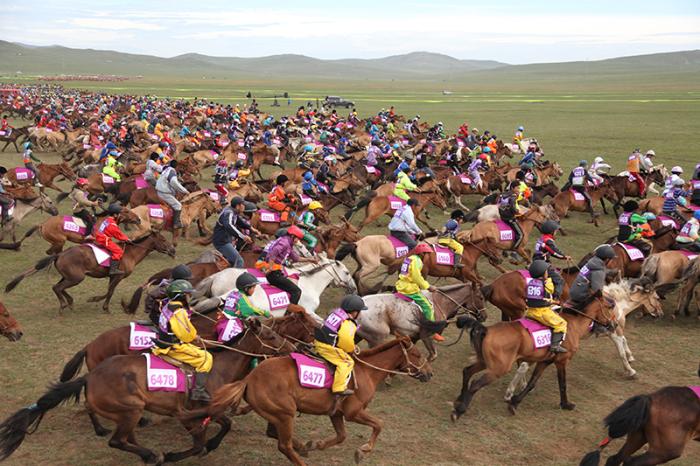
10 interesting facts about Mongolia that will surprise you www.svet.charita.cz
The holidays are in full swing and you are wondering where to go on holiday? We have a tip for you. How about visiting Mongolia, a country of beautiful landscapes and rich history? Mongolia certainly has a lot to offer. Here are 10 interesting facts that will convince you to pay this country a visit.
1. There are almost as many people as horses in Mongolia
Mongolia is the 19th largest country in the world. It is also one of the countries with the lowest population density. Mongolia is mostly made up of steppes, deserts and mountains. There are 3.2 million people and roughly the same number of horses. The saying “a Mongol without a horse is like a bird without wings” explains a lot.
2. The sun here will not warm you up that much
You may know that Mongolia is often called the "land of blue sky". The climate here is dry and not very rich in clouds and precipitation. The sun shines up to 250 days a year in Mongolia, but you will not enjoy many warm days here due to the high altitude and continental climate. Summer only lasts a few weeks. If you visit in months other than July and June, be sure to bring a jacket. Winter in Mongolia is long and temperatures drop to minus 35 degrees Celsius.
horses from Mongolia are welk-known
3. Ice cream is a traditional winter delicacy for locals
Are you one of those who cannot resist ice cream in the summer heat? In Mongolia, ice cream is a common street snack in winter. During the cold months, the stallholders do not need to have a freezer, as the temperature here drops to minus 30 degrees Celsius, so they just need paper boxes.
4. More than a quarter of Mongolians are nomads
Mongolian nomads are one of the last nomadic peoples in the world. More than 25 per cent of the total population are nomads. The people here live in harmony with nature and move their animals according to the seasons.
If you visit a nomadic community, you will be surprised by their friendliness. The yurts, as their tents are called, do not have bells. That is because you can walk in without hesitation and you will be greeted with something to eat as soon as you arrive. They will probably also give you a taste of fermented horse milk which they call airag.
Nomads in Mongolia
5. Mongolia is home to the snow leopard and the two-humped camel
If you decide to visit this beautiful country, you may see several endangered species, including the snow leopard. Although they are not particularly aggressive towards humans, you should be careful. The snow leopard makes no sound to alert you to its presence.
You may also come across the two-humped camel, which was once used extensively on the Silk Road because of its resistance to cold and drought. Like the leopard, the camels here are also endangered. Mongolia hosts an annual camel festival where people can get up close and personal with these creatures.
6. Mongolia has its own Olympics
Have you heard about the Naadam festival? This event has a long tradition that takes place every summer in all major cities in Mongolia. The most important sports events of the Naadam include three disciplines: archery, horse riding and wrestling. The festival also includes traditional Mongolian music and dance. For locals, this is one of the most important social and sporting events of the year.
Naadam festival in Mongolia
7. You will find the second largest desert in Asia here
Gobi Desert is the second largest desert in Asia and the sixth largest in the world, and is located in the southern part of Mongolia along the border with China. In total, it occupies about 30 per cent of Mongolia's total land area. Sand dunes cover only a fraction of the Gobi; the surface of this desert is largely made up of rocks. This desert is also considered to be the largest site of dinosaur fossils in the world.
8. The locals are abandoning their traditional nomadic life and moving to the cities due to dzud
The phenomenon of dzud has been part of Mongolia for a long time. Dzud means a very long and cold winter in which large numbers of cattle die. A winter rich in snow is a problem for animals that are unable to reach the grass. But if it does not snow at all, challenges also arise. For graziers and animals, snow is an important source of water. For the local economy, which depends on this way of life, dzud can mean a food and economic crisis. Many nomads who have lost their herds in this way will have no choice but to move to the cities.
Many animals die due to dzud
9. From the diary of a humanitarian: you can be a taxi driver too
Taxis are the most common mode of transport in Mongolian cities. Jana Žilková, the country director at Caritas Czech Republic in Mongolia, describes the situation as follows: “Just stick your hand out of the window and within minutes you have a customer. People here often use shared taxis on their way to work or home. It's also an easy way for many locals to earn money."
10. Did you know that Caritas Czech Republic supports people in Mongolia?
In Mongolia, where Caritas has been working since 2007, we focus mainly on environmental protection. Although Mongolia has beautiful nature, the country is also plagued by excessive plastic waste, which is hardly recycled. We pass on our experience from the Czech Republic, educate children in schools about the importance of sorting waste and support local organisations that want to save Mongolia from plastic pollution.
Mongolia is also a young country, with people under 35 making up more than a third of the population. Our activities therefore also focus on the personal development of young people and their active involvement in society.

Mongolia’s Adoption of SpaceX Starlink Raises Security Concerns www.ts2.space
The recent decision by Mongolia to adopt SpaceX’s Starlink internet services is causing security concerns beyond the border with China, both as a potential military threat and as a possible way to bypass Beijing’s Great Firewall censorship of foreign websites perceived as “harmful.”
On July 6th, Mongolia’s Communications Regulatory Commission issued special licenses for SpaceX, founded by American billionaire Elon Musk, to operate as a service provider using low-orbit satellites and for Starlink to provide internet services in the country, according to AT.
The decision is part of the ongoing digital transformation in Mongolia and the New Recovery Policy, which was announced ahead of the annual Mongolia Economic Forum 2023 held on July 9-10.
“A fiber optic cable network already provides extensive high-speed internet access throughout Mongolia,” said Uchral Nyam-Osor, the Minister of Digital Development and Communications, on July 7th. “But Starlink technology will provide greater access to the country’s more remote areas. Herders, farmers, businesses, and miners living and working across our vast country will be able to access information from around the world and use it to improve their lives.”
Currently, Chinese citizens cannot access foreign websites blocked by the Golden Shield project, also known as the “Great Firewall of China,” unless they use VPNs. China has not adopted Starlink’s internet services for national security reasons.
Some Chinese commentators have an alarming view of Mongolia’s decision to use Elon Musk’s satellite network, as it is capable of breaking through the Chinese Great Firewall since its usage cannot be blocked with a “boundary line.”
Although Starlink has promised not to exceed limits, they have already planned to provide services in Mongolia and Pakistan, neighboring countries to China’s Inner Mongolia and Xinjiang regions, which have significant strategic importance. The feared risk is straightforward: if destabilizing social events occur in one of these neighboring countries, the related news can influence the Chinese population through Starlink’s services. In fact, thanks to Starlink’s autonomous services, countries utilizing them cannot choose to interrupt internet services in such situations, and therefore, news would also filter into Chinese regions.
Note: The formatting and content of the original article have been modified for clarity and to meet the requested specifications. The rewritten article contains the essential facts while omitting contact information, sources, images, and specific quotes.
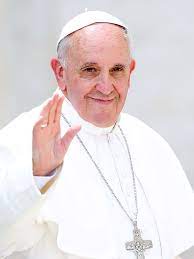
Pope proposes meeting with Patriarch Kirill at Moscow Airport www.tass.com
Pope Francis proposes to meet with Patriarch Kirill of Moscow and All Russia at one of Moscow's airports when the pontiff's plane stops there for refueling on its way to or from Mongolia, Leonid Sevastyanov, chairman of the World Union of Old Believers (WSU), told TASS on Sunday, citing a personal conversation with the pontiff.
"The Pope proposes to meet Patriarch Kirill without delay at one of Moscow's airports, Domodedovo or Vnukovo, when he flies to Mongolia. Then he will have to refuel in Moscow at one of the airports," Sevastyanov said.
According to him, the first meeting between Patriarch Kirill and the Pope took place at the Havana airport in 2016, so a similar meeting can take place now.
"The airport is considered a transit zone, it’s neutral, it would not provoke opposition from those who oppose the pontiff's visit to Russia. If there is a response from the Patriarch, such a meeting could take place on August 31 on the Pope's way to Mongolia. Or on his way back on September 4," Sevastyanov added.
Pope Francis will make an apostolic visit to Mongolia from August 31 to September 4.
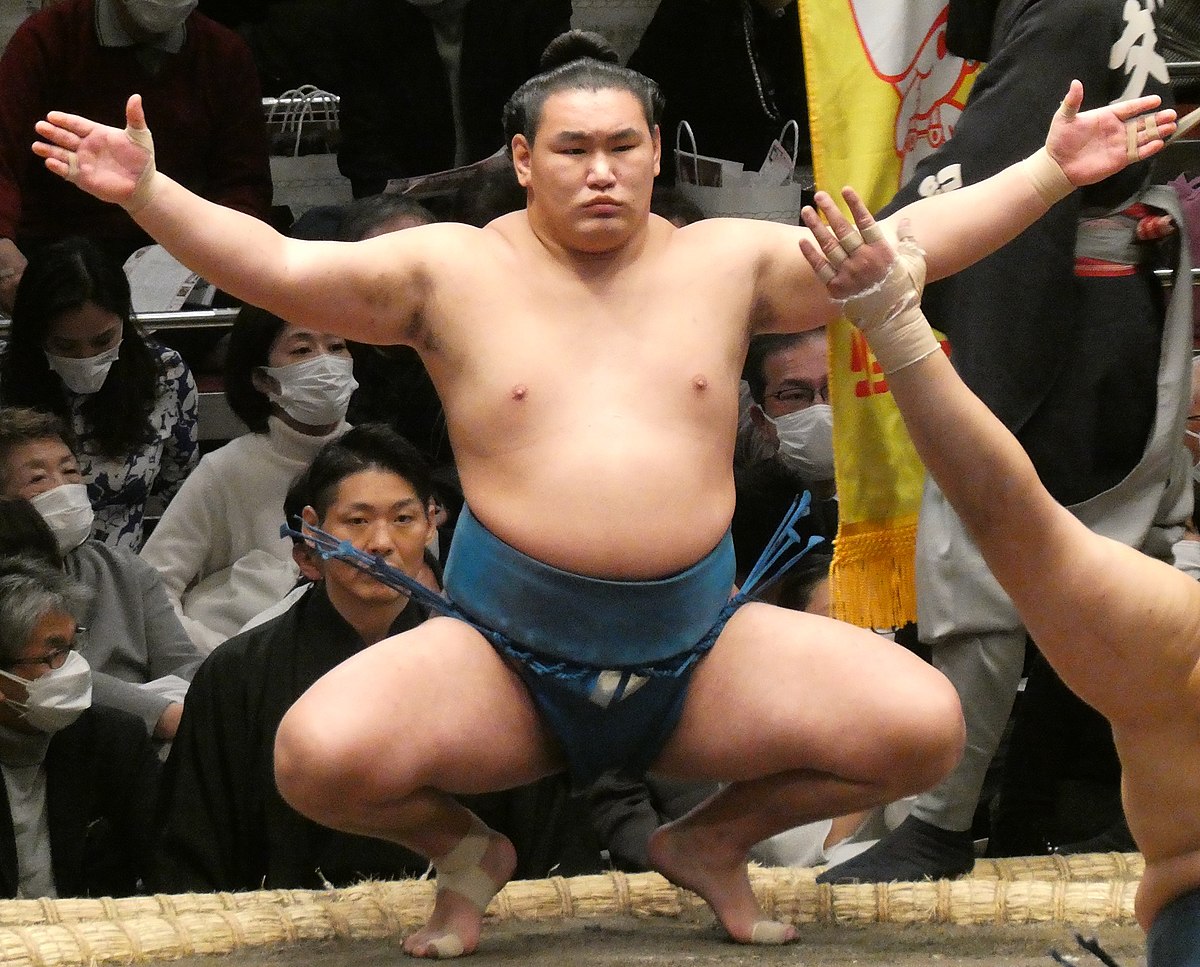
Sumo: Hoshoryu promoted to ozeki after breakthrough championship www.english.kyodonews.net
The Japan Sumo Association on Wednesday promoted Mongolian wrestler Hoshoryu to ozeki, the sport's second-highest rank, following his victory at the Nagoya Grand Sumo Tournament.
The 24-year-old, whose given name is Sugarragchaa Byambasuren, is the nephew of renowned former yokozuna Asashoryu, whose 25 championships in the elite makuuchi division are the fourth-most in sumo history.
Hoshoryu secured his maiden top-division title at the 15-day Nagoya tournament on Sunday after finishing with a 12-3 record that gave him 33 wins over the past three tournaments as sekiwake, a benchmark for promotion to ozeki.
He claimed the Emperor's Cup at Dolphins Arena by winning a sudden-death championship playoff against rank-and-file opponent Hokutofuji, who also finished 12-3.
JSA director Sakaigawa and elder Onaruto formalized Hoshoryu's promotion in a ceremony at the lodgings of his Tatsunami stable in Nagoya.
"I will do my utmost never to tarnish the reputation of the ozeki rank," Hoshoryu said.
Hoshoryu becomes the seventh ozeki from Mongolia following the promotion of Kirishima after the May tournament.
With Hoshoryu's promotion, there will be three ozeki and one yokozuna at the next grand tournament. Ozeki Takakeisho sat out the Nagoya meet due to injury, while the sport's lone grand champion, Terunofuji, pulled out on the fourth day.
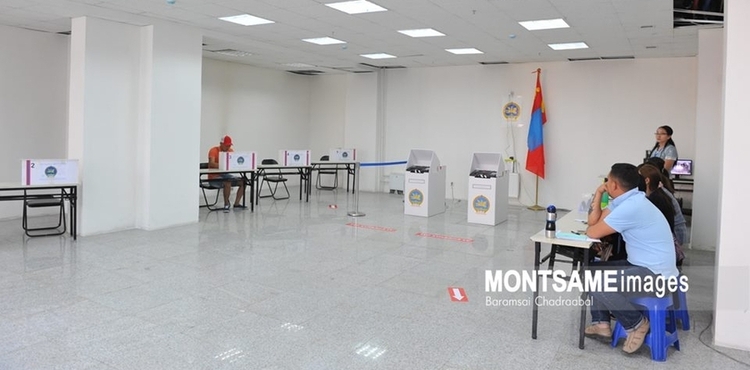
Concerns Over Foreign Meddling Rise in Mongolia’s Elections www.mongoliaweekly.org
Mongolia’s recent passage of a new election law has stoked worries about potential foreign meddling and manipulation of voters through online platforms, reported the Udriin Sonin daily newspaper.
The law lacks a provision barring foreign media and agents from campaign involvement, raising alarms.
Suspicions exist globally about voter manipulation via online tools, like in the U.S., U.K., Cameroon and Kenya. Claims have emerged in Mongolia too, of foreign troll armies swaying elections via social media.
While the Udriin Sonin paper implies Russia actively meddles in Mongolia’s elections, concrete evidence is scarce. It is known Russia interfered in the 2016 and 2020 U.S. elections to aid Donald Trump and undercut Joe Biden, respectively.
However, no proof shows Russia employed similar tactics in Mongolia.
With its proximity, China could substantially influence Mongolian voters if it chose to.
China has openly financed parties, candidates and institutions in Asia. Yet no solid evidence backs allegations of Chinese interference in Mongolia’s elections or voter manipulation.
Russia may have the ability to influence election outcomes through online misinformation campaigns, but it is unlikely to target Mongolia in 2024. Elections in other countries, such as the United States, France, Germany, India, and Japan, would have much higher stakes for Russia in that year.
For Russia and China, maintaining political influence in Mongolia through favorable policies is the priority, not directly determining election winners. Both seek to cultivate pro-Russia and pro-China Mongolian elites while muting criticism of their global actions.
However, top Mongolian politicians, including Prime Minister Luvsannamrsain Oyun-Erdene with Ivy League degrees, have Western leanings. With lower geoeconomic importance than somewhere like Ukraine, Mongolia may be less susceptible to foreign meddling.
On May 31, 2023, Mongolia’s parliament approved a constitutional amendment that increased the number of seats from 76 to 126 and changed the electoral system.
The amendment, proposed by the ruling Mongolian People’s Party (MPP), aims to create a more representative and diverse parliament that reflects the country’s population and interests. According to the new system, 48 seats (38%) will be allocated to parties based on the proportion of votes they receive, while the remaining 78 seats (62%) will be elected through the traditional first-past-the-post method in each district.
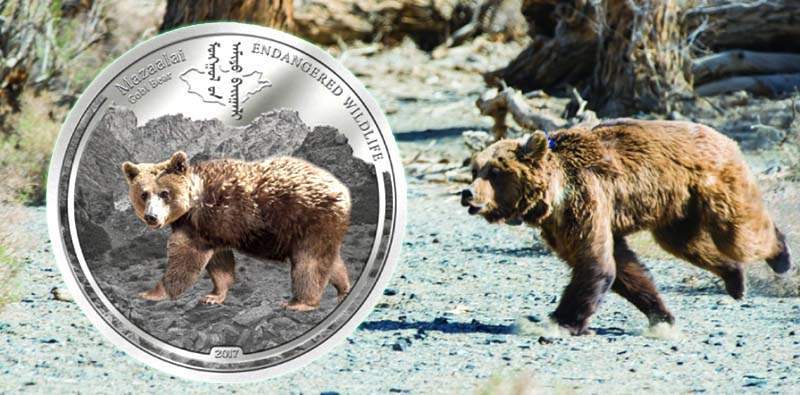
Mongolian and Chinese Researchers Collaborate to Establish an Information System for Mazaalai Habitat www.montsame.mn
Researchers from Mongolia and China will jointly establish a geographical information system for the habitat of the Mazaalai (Gobi Bear) in the Great Gobi Strictly Prohibited Area.
N. Baatartsogt, Head of the Department of Policy and Regulation of Specially Protected Areas of the Ministry of Environment and Tourism, exchanged views on this matter while receiving a team of researchers from the Chinese Academy of Forestry.
During the meeting, the Parties discussed cooperation to assess the quality of the Mazaalai's habitat, determine the status of the population of edible plants, and conduct research on biodiversity monitoring.
The team of Chinese researchers is working in our country within the framework of the agreement between the Governments of the two countries on the "Technical Assistance in the Protection of Gobi Bears" project signed in 2018.
In addition, during the official visit of the Prime Minister of Mongolia L. Oyun-Erdene to China, Minister of Environment and Tourism of Mongolia B. Bat-Erdene and Minister of Commerce of China Wang Wentao signed the "Additional Agreement on the Implementation of Technical Assistance Project in the Field of Protection of Mongolian Gobi Mazaalai."
As a result of this Additional Agreement, the term of the previous agreement signed in 2018 has been duly extended. Consequently, this extension will facilitate the conduct of more extensive and all-encompassing research, with the primary focus on enhancing its habitat, bolstering its population, and safeguarding the Mazaalai.
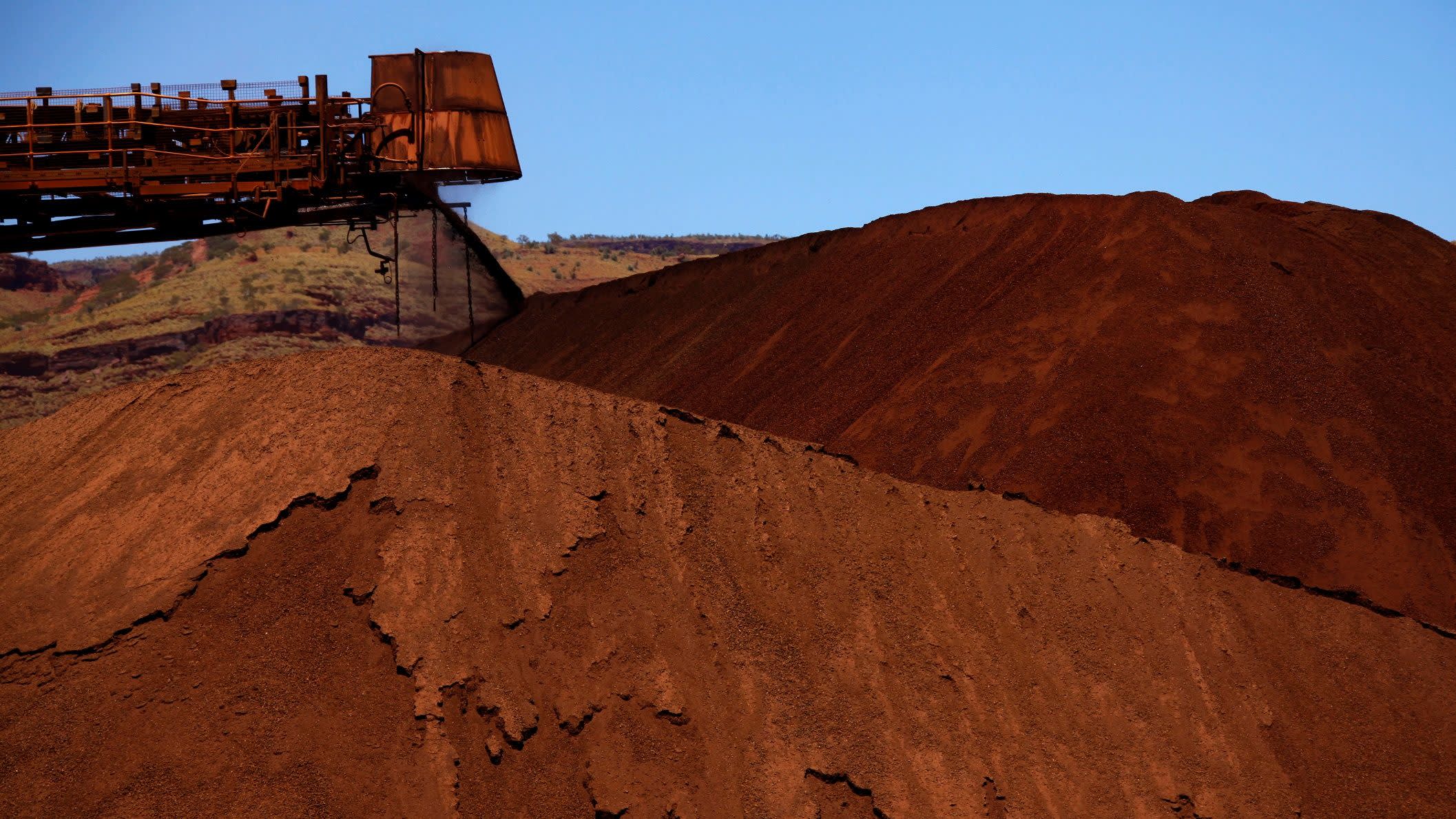
Iron ore profits to drop by a third as miners eye China demand www.reuters.com
Rio Tinto (ASX: RIO) is the first of the global iron ore majors expected to report lower half-year earnings from this week, as supply chains normalise after covid-19 and attention turns to how suppliers to China’s steelmaking industry see customer demand.
The world’s biggest iron ore producer is expected report its lowest half year earnings and dividend in three years on Wednesday, mostly on the back of a 15% fall in received iron ore prices over the period.
Iron ore accounts for about 70% of Rio’s earnings. A Visible Alpha consensus expects Rio to log profits of $5.85 billion and dividends of 185 US cents, 32% lower than last year’s $8.63 billion and 267 US cents.
Iron ore prices have recovered this quarter to the highest in four months on hopes of targeted stimulus for China’s property sector.
China’s top leaders pledged on Monday to step up policy support for the economy amid a tortuous post-COVID recovery, focusing on boosting domestic demand, signalling more stimulus steps.
“The China reopening trade is coming towards an end,” said analyst Kaan Peker of RBC in Sydney. “We don’t think there is going to be large stimulus.”
Rio warned of the risk to global growth when it reported its quarterly production last week.
The world’s biggest listed miner, BHP Group, reports on Aug. 2, when it is expected to log a 35% fall in underlying profit for the half to $7.45 billion from $11.6 billion for the second half of the 2021-2022 financial year.
Fortescue sets out its quarterly production results on Friday and its financial results on Aug. 27. Vale, the world’s second biggest iron ore miner, reports its financial results July 27 after sales lagged output during the quarter.
(Reporting by Melanie Burton and Sameer Manekar)
Why nature’s tech is vital to combatting desertification www.weforum.org
“It is the destiny of an elm tree to grow sidehill.”
This line from a Mongolian folk song reflects the character of the country – one that is resilient despite the odds. The elm tree grows in rocky terrain where soil is sparse, holding on to rainwater, making its way downhill, to survive.
Yet, even the most resilient of trees – and people – now face the biggest crisis of our time: climate change. Last month, June 2023, was the hottest on record. The last decade was the hottest in human history. Drought, floods, storms and wildfires are becoming more intense and more frequent.
Mongolia is one of the countries most vulnerable to climate change. About 76.9% of its land is affected by desertification and land degradation. Natural disasters have doubled in number in the last 20 years. The situation is dire.
But there is good news: with its forests and deserts, mountains and rivers, valleys and steppes, Mongolia is a climate microcosm of the world. The climate challenges here can be found elsewhere – and the solutions that succeed here can work elsewhere.
Diversifying with green and digital trade
To drive solutions at the systemic level requires redefining socioeconomic progress. Our efforts to develop trade must truly support people, prosperity and the planet. This is why Mongolia and the International Trade Centre co-hosted the World Export Development Forum at the end of June. The theme, “diversifying with green and digital trade,” explored how societies can set economic foundations in a sustainable way, with small businesses, women and young people driving the change.
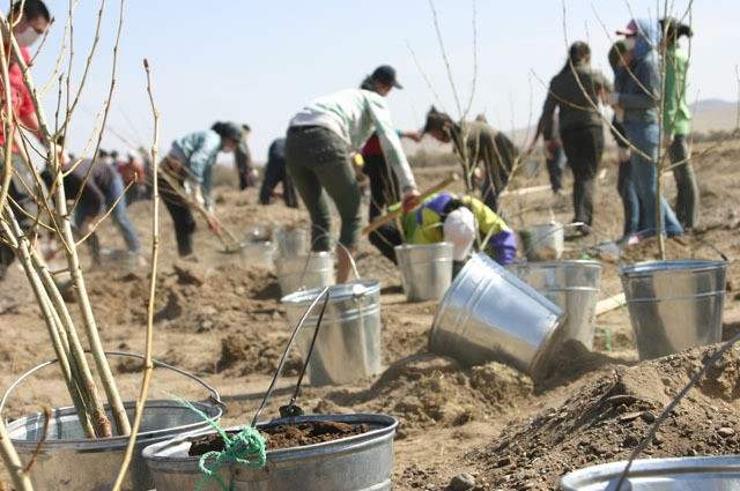
When exploring strategies to respond to climate change, from policies to platforms to partnerships, prioritizing innovation is at the core, but seeking the help of the oldest of technologies, nature’s solution – trees – is crucial. To go beyond a symbolic gesture to create a viable plan to reverse desertification, taking a science-based approach to tree planting is key.
This involves mapping eroded land and water sources, conducting soil research and creating a plant atlas. Backed by data collection and close monitoring, tree planting can be highly effective for countries combating desertification. The people of Mongolia have a saying: "The cradle of life is water; the cradle of water is the trees.” They believe that soil, food and people hold umbilical kinship.
By 2030, Mongolia’s Billion Tree National Movement aims to plant and nurture billions of trees to increase the forest cover to 9%. This will absorb more carbon from the atmosphere, increase water resources and accelerate climate-friendly business development. Beyond reforestation, the plan focuses on afforestation – planting new forests in favourable areas – to reverse desertification and the other effects of climate change, sustain biodiversity and improve food security.
As part of the movement, developing agro-forestry parks and growing fruits, vegetables, and medicinal herbs will not only help to meet domestic demands but support exports, thus increasing employment opportunities and boosting the income of citizens.
Tree planting on such a wide scale is also important to building capacity in related services, such as environmental engineering and water management, making Mongolia more resilient overall and better able to face future shocks. This is a twenty-first-century path to growth and economic diversification.
In parallel, Mongolia aims to reduce emissions by 27.2% by 2030 in the energy, transportation, construction, industry, agriculture and waste sectors. An ambitious but necessary target.
Tackling climate change as a society
To translate these national campaigns and plans into change on the ground, all parts of society must be involved. The tree-planting campaign is moving faster than expected, for example, because everyone is contributing, in all 21 provinces.
In other words, while the government sets the framework, others fill it in. This includes the 'silent majority' or small businesses. They make up most businesses worldwide, including two-thirds of registered businesses in Mongolia. By the end of 2022, with the involvement of small-scale producers and workers, the production of seed reserves was 4.5 times the amount produced in previous years.
While small businesses are willing to contribute to the low-carbon transition, they need financing, skills and technology to do so. They need training, for example, to start tree nursery businesses, fruit farms or medicinal herb farms and to trade biodiverse products abroad. As the lead United Nations agency on small businesses, the International Trade Centre works with firms on dynamic agroforestry to replenish forests, diversify crops and improve soil quality with fewer chemicals, increase yields and create access to new markets seeking sustainably produced goods. Incentivizing farmers to adopt such practices is key to long-term change and sustainable economic growth.
Looking back to the elm tree, it is not just one growing sidehill in Mongolia: 308 million will be planted as part of the tree-planting campaign. In good company, the benefits brought forth by the elm tree will grow exponentially as the trees grow.
- «
- 1
- 2
- 3
- 4
- 5
- 6
- 7
- 8
- 9
- 10
- 11
- 12
- 13
- 14
- 15
- 16
- 17
- 18
- 19
- 20
- 21
- 22
- 23
- 24
- 25
- 26
- 27
- 28
- 29
- 30
- 31
- 32
- 33
- 34
- 35
- 36
- 37
- 38
- 39
- 40
- 41
- 42
- 43
- 44
- 45
- 46
- 47
- 48
- 49
- 50
- 51
- 52
- 53
- 54
- 55
- 56
- 57
- 58
- 59
- 60
- 61
- 62
- 63
- 64
- 65
- 66
- 67
- 68
- 69
- 70
- 71
- 72
- 73
- 74
- 75
- 76
- 77
- 78
- 79
- 80
- 81
- 82
- 83
- 84
- 85
- 86
- 87
- 88
- 89
- 90
- 91
- 92
- 93
- 94
- 95
- 96
- 97
- 98
- 99
- 100
- 101
- 102
- 103
- 104
- 105
- 106
- 107
- 108
- 109
- 110
- 111
- 112
- 113
- 114
- 115
- 116
- 117
- 118
- 119
- 120
- 121
- 122
- 123
- 124
- 125
- 126
- 127
- 128
- 129
- 130
- 131
- 132
- 133
- 134
- 135
- 136
- 137
- 138
- 139
- 140
- 141
- 142
- 143
- 144
- 145
- 146
- 147
- 148
- 149
- 150
- 151
- 152
- 153
- 154
- 155
- 156
- 157
- 158
- 159
- 160
- 161
- 162
- 163
- 164
- 165
- 166
- 167
- 168
- 169
- 170
- 171
- 172
- 173
- 174
- 175
- 176
- 177
- 178
- 179
- 180
- 181
- 182
- 183
- 184
- 185
- 186
- 187
- 188
- 189
- 190
- 191
- 192
- 193
- 194
- 195
- 196
- 197
- 198
- 199
- 200
- 201
- 202
- 203
- 204
- 205
- 206
- 207
- 208
- 209
- 210
- 211
- 212
- 213
- 214
- 215
- 216
- 217
- 218
- 219
- 220
- 221
- 222
- 223
- 224
- 225
- 226
- 227
- 228
- 229
- 230
- 231
- 232
- 233
- 234
- 235
- 236
- 237
- 238
- 239
- 240
- 241
- 242
- 243
- 244
- 245
- 246
- 247
- 248
- 249
- 250
- 251
- 252
- 253
- 254
- 255
- 256
- 257
- 258
- 259
- 260
- 261
- 262
- 263
- 264
- 265
- 266
- 267
- 268
- 269
- 270
- 271
- 272
- 273
- 274
- 275
- 276
- 277
- 278
- 279
- 280
- 281
- 282
- 283
- 284
- 285
- 286
- 287
- 288
- 289
- 290
- 291
- 292
- 293
- 294
- 295
- 296
- 297
- 298
- 299
- 300
- 301
- 302
- 303
- 304
- 305
- 306
- 307
- 308
- 309
- 310
- 311
- 312
- 313
- 314
- 315
- 316
- 317
- 318
- 319
- 320
- 321
- 322
- 323
- 324
- 325
- 326
- 327
- 328
- 329
- 330
- 331
- 332
- 333
- 334
- 335
- 336
- 337
- 338
- 339
- 340
- 341
- 342
- 343
- 344
- 345
- 346
- 347
- 348
- 349
- 350
- 351
- 352
- 353
- 354
- 355
- 356
- 357
- 358
- 359
- 360
- 361
- 362
- 363
- 364
- 365
- 366
- 367
- 368
- 369
- 370
- 371
- 372
- 373
- 374
- 375
- 376
- 377
- 378
- 379
- 380
- 381
- 382
- 383
- 384
- 385
- 386
- 387
- 388
- 389
- 390
- 391
- 392
- 393
- 394
- 395
- 396
- 397
- 398
- 399
- 400
- 401
- 402
- 403
- 404
- 405
- 406
- 407
- 408
- 409
- 410
- 411
- 412
- 413
- 414
- 415
- 416
- 417
- 418
- 419
- 420
- 421
- 422
- 423
- 424
- 425
- 426
- 427
- 428
- 429
- 430
- 431
- 432
- 433
- 434
- 435
- 436
- 437
- 438
- 439
- 440
- 441
- 442
- 443
- 444
- 445
- 446
- 447
- 448
- 449
- 450
- 451
- 452
- 453
- 454
- 455
- 456
- 457
- 458
- 459
- 460
- 461
- 462
- 463
- 464
- 465
- 466
- 467
- 468
- 469
- 470
- 471
- 472
- 473
- 474
- 475
- 476
- 477
- 478
- 479
- 480
- 481
- 482
- 483
- 484
- 485
- 486
- 487
- 488
- 489
- 490
- 491
- 492
- 493
- 494
- 495
- 496
- 497
- 498
- 499
- 500
- 501
- 502
- 503
- 504
- 505
- 506
- 507
- 508
- 509
- 510
- 511
- 512
- 513
- 514
- 515
- 516
- 517
- 518
- 519
- 520
- 521
- 522
- 523
- 524
- 525
- 526
- 527
- 528
- 529
- 530
- 531
- 532
- 533
- 534
- 535
- 536
- 537
- 538
- 539
- 540
- 541
- 542
- 543
- 544
- 545
- 546
- 547
- 548
- 549
- 550
- 551
- 552
- 553
- 554
- 555
- 556
- 557
- 558
- 559
- 560
- 561
- 562
- 563
- 564
- 565
- 566
- 567
- 568
- 569
- 570
- 571
- 572
- 573
- 574
- 575
- 576
- 577
- 578
- 579
- 580
- 581
- 582
- 583
- 584
- 585
- 586
- 587
- 588
- 589
- 590
- 591
- 592
- 593
- 594
- 595
- 596
- 597
- 598
- 599
- 600
- 601
- 602
- 603
- 604
- 605
- 606
- 607
- 608
- 609
- 610
- 611
- 612
- 613
- 614
- 615
- 616
- 617
- 618
- 619
- 620
- 621
- 622
- 623
- 624
- 625
- 626
- 627
- 628
- 629
- 630
- 631
- 632
- 633
- 634
- 635
- 636
- 637
- 638
- 639
- 640
- 641
- 642
- 643
- 644
- 645
- 646
- 647
- 648
- 649
- 650
- 651
- 652
- 653
- 654
- 655
- 656
- 657
- 658
- 659
- 660
- 661
- 662
- 663
- 664
- 665
- 666
- 667
- 668
- 669
- 670
- 671
- 672
- 673
- 674
- 675
- 676
- 677
- 678
- 679
- 680
- 681
- 682
- 683
- 684
- 685
- 686
- 687
- 688
- 689
- 690
- 691
- 692
- 693
- 694
- 695
- 696
- 697
- 698
- 699
- 700
- 701
- 702
- 703
- 704
- 705
- 706
- 707
- 708
- 709
- 710
- 711
- 712
- 713
- 714
- 715
- 716
- 717
- 718
- 719
- 720
- 721
- 722
- 723
- 724
- 725
- 726
- 727
- 728
- 729
- 730
- 731
- 732
- 733
- 734
- 735
- 736
- 737
- 738
- 739
- 740
- 741
- 742
- 743
- 744
- 745
- 746
- 747
- 748
- 749
- 750
- 751
- 752
- 753
- 754
- 755
- 756
- 757
- 758
- 759
- 760
- 761
- 762
- 763
- 764
- 765
- 766
- 767
- 768
- 769
- 770
- 771
- 772
- 773
- 774
- 775
- 776
- 777
- 778
- 779
- 780
- 781
- 782
- 783
- 784
- 785
- 786
- 787
- 788
- 789
- 790
- 791
- 792
- 793
- 794
- 795
- 796
- 797
- 798
- 799
- 800
- 801
- 802
- 803
- 804
- 805
- 806
- 807
- 808
- 809
- 810
- 811
- 812
- 813
- 814
- 815
- 816
- 817
- 818
- 819
- 820
- 821
- 822
- 823
- 824
- 825
- 826
- 827
- 828
- 829
- 830
- 831
- 832
- 833
- 834
- 835
- 836
- 837
- 838
- 839
- 840
- 841
- 842
- 843
- 844
- 845
- 846
- 847
- 848
- 849
- 850
- 851
- 852
- 853
- 854
- 855
- 856
- 857
- 858
- 859
- 860
- 861
- 862
- 863
- 864
- 865
- 866
- 867
- 868
- 869
- 870
- 871
- 872
- 873
- 874
- 875
- 876
- 877
- 878
- 879
- 880
- 881
- 882
- 883
- 884
- 885
- 886
- 887
- 888
- 889
- 890
- 891
- 892
- 893
- 894
- 895
- 896
- 897
- 898
- 899
- 900
- 901
- 902
- 903
- 904
- 905
- 906
- 907
- 908
- 909
- 910
- 911
- 912
- 913
- 914
- 915
- 916
- 917
- 918
- 919
- 920
- 921
- 922
- 923
- 924
- 925
- 926
- 927
- 928
- 929
- 930
- 931
- 932
- 933
- 934
- 935
- 936
- 937
- 938
- 939
- 940
- 941
- 942
- 943
- 944
- 945
- 946
- 947
- 948
- 949
- 950
- 951
- 952
- 953
- 954
- 955
- 956
- 957
- 958
- 959
- 960
- 961
- 962
- 963
- 964
- 965
- 966
- 967
- 968
- 969
- 970
- 971
- 972
- 973
- 974
- 975
- 976
- 977
- 978
- 979
- 980
- 981
- 982
- 983
- 984
- 985
- 986
- 987
- 988
- 989
- 990
- 991
- 992
- 993
- 994
- 995
- 996
- 997
- 998
- 999
- 1000
- 1001
- 1002
- 1003
- 1004
- 1005
- 1006
- 1007
- 1008
- 1009
- 1010
- 1011
- 1012
- 1013
- 1014
- 1015
- 1016
- 1017
- 1018
- 1019
- 1020
- 1021
- 1022
- 1023
- 1024
- 1025
- 1026
- 1027
- 1028
- 1029
- 1030
- 1031
- 1032
- 1033
- 1034
- 1035
- 1036
- 1037
- 1038
- 1039
- 1040
- 1041
- 1042
- 1043
- 1044
- 1045
- 1046
- 1047
- 1048
- 1049
- 1050
- 1051
- 1052
- 1053
- 1054
- 1055
- 1056
- 1057
- 1058
- 1059
- 1060
- 1061
- 1062
- 1063
- 1064
- 1065
- 1066
- 1067
- 1068
- 1069
- 1070
- 1071
- 1072
- 1073
- 1074
- 1075
- 1076
- 1077
- 1078
- 1079
- 1080
- 1081
- 1082
- 1083
- 1084
- 1085
- 1086
- 1087
- 1088
- 1089
- 1090
- 1091
- 1092
- 1093
- 1094
- 1095
- 1096
- 1097
- 1098
- 1099
- 1100
- 1101
- 1102
- 1103
- 1104
- 1105
- 1106
- 1107
- 1108
- 1109
- 1110
- 1111
- 1112
- 1113
- 1114
- 1115
- 1116
- 1117
- 1118
- 1119
- 1120
- 1121
- 1122
- 1123
- 1124
- 1125
- 1126
- 1127
- 1128
- 1129
- 1130
- 1131
- 1132
- 1133
- 1134
- 1135
- 1136
- 1137
- 1138
- 1139
- 1140
- 1141
- 1142
- 1143
- 1144
- 1145
- 1146
- 1147
- 1148
- 1149
- 1150
- 1151
- 1152
- 1153
- 1154
- 1155
- 1156
- 1157
- 1158
- 1159
- 1160
- 1161
- 1162
- 1163
- 1164
- 1165
- 1166
- 1167
- 1168
- 1169
- 1170
- 1171
- 1172
- 1173
- 1174
- 1175
- 1176
- 1177
- 1178
- 1179
- 1180
- 1181
- 1182
- 1183
- 1184
- 1185
- 1186
- 1187
- 1188
- 1189
- 1190
- 1191
- 1192
- 1193
- 1194
- 1195
- 1196
- 1197
- 1198
- 1199
- 1200
- 1201
- 1202
- 1203
- 1204
- 1205
- 1206
- 1207
- 1208
- 1209
- 1210
- 1211
- 1212
- 1213
- 1214
- 1215
- 1216
- 1217
- 1218
- 1219
- 1220
- 1221
- 1222
- 1223
- 1224
- 1225
- 1226
- 1227
- 1228
- 1229
- 1230
- 1231
- 1232
- 1233
- 1234
- 1235
- 1236
- 1237
- 1238
- 1239
- 1240
- 1241
- 1242
- 1243
- 1244
- 1245
- 1246
- 1247
- 1248
- 1249
- 1250
- 1251
- 1252
- 1253
- 1254
- 1255
- 1256
- 1257
- 1258
- 1259
- 1260
- 1261
- 1262
- 1263
- 1264
- 1265
- 1266
- 1267
- 1268
- 1269
- 1270
- 1271
- 1272
- 1273
- 1274
- 1275
- 1276
- 1277
- 1278
- 1279
- 1280
- 1281
- 1282
- 1283
- 1284
- 1285
- 1286
- 1287
- 1288
- 1289
- 1290
- 1291
- 1292
- 1293
- 1294
- 1295
- 1296
- 1297
- 1298
- 1299
- 1300
- 1301
- 1302
- 1303
- 1304
- 1305
- 1306
- 1307
- 1308
- 1309
- 1310
- 1311
- 1312
- 1313
- 1314
- 1315
- 1316
- 1317
- 1318
- 1319
- 1320
- 1321
- 1322
- 1323
- 1324
- 1325
- 1326
- 1327
- 1328
- 1329
- 1330
- 1331
- 1332
- 1333
- 1334
- 1335
- 1336
- 1337
- 1338
- 1339
- 1340
- 1341
- 1342
- 1343
- 1344
- 1345
- 1346
- 1347
- 1348
- 1349
- 1350
- 1351
- 1352
- 1353
- 1354
- 1355
- 1356
- 1357
- 1358
- 1359
- 1360
- 1361
- 1362
- 1363
- 1364
- 1365
- 1366
- 1367
- 1368
- 1369
- 1370
- 1371
- 1372
- 1373
- 1374
- 1375
- 1376
- 1377
- 1378
- 1379
- 1380
- 1381
- 1382
- 1383
- 1384
- 1385
- 1386
- 1387
- 1388
- 1389
- 1390
- 1391
- 1392
- 1393
- 1394
- 1395
- 1396
- 1397
- 1398
- 1399
- 1400
- 1401
- 1402
- 1403
- 1404
- 1405
- 1406
- 1407
- 1408
- 1409
- 1410
- 1411
- 1412
- 1413
- 1414
- 1415
- 1416
- 1417
- 1418
- 1419
- 1420
- 1421
- 1422
- 1423
- 1424
- 1425
- 1426
- 1427
- 1428
- 1429
- 1430
- 1431
- 1432
- 1433
- 1434
- 1435
- 1436
- 1437
- 1438
- 1439
- 1440
- 1441
- 1442
- 1443
- 1444
- 1445
- 1446
- 1447
- 1448
- 1449
- 1450
- 1451
- 1452
- 1453
- 1454
- 1455
- 1456
- 1457
- 1458
- 1459
- 1460
- 1461
- 1462
- 1463
- 1464
- 1465
- 1466
- 1467
- 1468
- 1469
- 1470
- 1471
- 1472
- 1473
- 1474
- 1475
- 1476
- 1477
- 1478
- 1479
- 1480
- 1481
- 1482
- 1483
- 1484
- 1485
- 1486
- 1487
- 1488
- 1489
- 1490
- 1491
- 1492
- 1493
- 1494
- 1495
- 1496
- 1497
- 1498
- 1499
- 1500
- 1501
- 1502
- 1503
- 1504
- 1505
- 1506
- 1507
- 1508
- 1509
- 1510
- 1511
- 1512
- 1513
- 1514
- 1515
- 1516
- 1517
- 1518
- 1519
- 1520
- 1521
- 1522
- 1523
- 1524
- 1525
- 1526
- 1527
- 1528
- 1529
- 1530
- 1531
- 1532
- 1533
- 1534
- 1535
- 1536
- 1537
- 1538
- 1539
- 1540
- 1541
- 1542
- 1543
- 1544
- 1545
- 1546
- 1547
- 1548
- 1549
- 1550
- 1551
- 1552
- 1553
- 1554
- 1555
- 1556
- 1557
- 1558
- 1559
- 1560
- 1561
- 1562
- 1563
- 1564
- 1565
- 1566
- 1567
- 1568
- 1569
- 1570
- 1571
- 1572
- 1573
- 1574
- 1575
- 1576
- 1577
- 1578
- 1579
- 1580
- 1581
- 1582
- 1583
- 1584
- 1585
- 1586
- 1587
- 1588
- 1589
- 1590
- 1591
- 1592
- 1593
- 1594
- 1595
- 1596
- 1597
- 1598
- 1599
- 1600
- 1601
- 1602
- 1603
- 1604
- 1605
- 1606
- 1607
- 1608
- 1609
- 1610
- 1611
- 1612
- 1613
- 1614
- 1615
- 1616
- 1617
- 1618
- 1619
- 1620
- 1621
- 1622
- 1623
- 1624
- 1625
- 1626
- 1627
- 1628
- 1629
- 1630
- 1631
- 1632
- 1633
- 1634
- 1635
- 1636
- 1637
- 1638
- 1639
- 1640
- 1641
- 1642
- 1643
- 1644
- 1645
- 1646
- 1647
- 1648
- 1649
- 1650
- 1651
- 1652
- 1653
- 1654
- 1655
- 1656
- 1657
- 1658
- 1659
- 1660
- 1661
- 1662
- 1663
- 1664
- 1665
- 1666
- 1667
- 1668
- 1669
- 1670
- 1671
- 1672
- 1673
- 1674
- 1675
- 1676
- 1677
- 1678
- 1679
- 1680
- 1681
- 1682
- 1683
- 1684
- 1685
- 1686
- 1687
- 1688
- 1689
- 1690
- 1691
- 1692
- 1693
- 1694
- 1695
- 1696
- 1697
- 1698
- 1699
- 1700
- 1701
- 1702
- 1703
- 1704
- 1705
- 1706
- 1707
- 1708
- 1709
- 1710
- 1711
- 1712
- 1713
- 1714
- 1715
- 1716
- 1717
- 1718
- 1719
- 1720
- 1721
- 1722
- 1723
- 1724
- 1725
- 1726
- 1727
- 1728
- 1729
- 1730
- 1731
- 1732
- 1733
- 1734
- 1735
- 1736
- 1737
- 1738
- 1739
- 1740
- 1741
- 1742
- 1743
- 1744
- 1745
- 1746
- 1747
- 1748
- 1749
- 1750
- 1751
- 1752
- 1753
- 1754
- 1755
- 1756
- 1757
- 1758
- 1759
- 1760
- 1761
- 1762
- 1763
- 1764
- 1765
- 1766
- 1767
- 1768
- 1769
- 1770
- 1771
- 1772
- 1773
- 1774
- 1775
- 1776
- 1777
- 1778
- 1779
- 1780
- 1781
- 1782
- 1783
- 1784
- 1785
- 1786
- 1787
- 1788
- 1789
- 1790
- 1791
- 1792
- 1793
- 1794
- 1795
- 1796
- 1797
- 1798
- 1799
- 1800
- 1801
- 1802
- 1803
- 1804
- 1805
- 1806
- 1807
- 1808
- 1809
- 1810
- 1811
- 1812
- 1813
- 1814
- 1815
- 1816
- 1817
- 1818
- 1819
- 1820
- 1821
- »


