
Category
- Agriculture
- Automobiles and Machinery
- Bank, non banking financing, investment
- Blasting
- Construction
- Consumables
- Education
- Energy
- Engineer , Architecture and Geodesy
- Finance, Audit,Accounting and Brokerage
- Food
- Foreign Trade
- Geology Exploration
- Health
- Information Technology
- Insurance
- Labor Safety
- Legal and Business consulting
- Lighting
- Mining equipment
- Mining Services
- Other product and service
- Road
- Sewing and textile products
- Transportations
- Travel
Events


Events
| Name | organizer | Where |
|---|---|---|
| MBCC “Doing Business with Mongolia seminar and Christmas Receptiom” Dec 10. 2025 London UK | MBCCI | London UK Goodman LLC |
NEWS

Khaan Quest 2026 Peacekeeping Drills Begin www.montsame.mn
The Khaan Quest 2026 multinational peacekeeping exercise opened on June 20 at the Peace Support Operations Training Center at the Five Hills Training Area (Tavantolgoi) near Ulaanbaatar, where the national flags of 18 participating countries were raised in support of global peace and security.
Originally launched as a bilateral field training exercise between Mongolia and the United States within the framework of defense cooperation, Khaan Quest has expanded steadily over the years into an internationally recognized multinational exercise. This year marks the 20th anniversary of the exercise, reflecting the sustained contributions of the U.S. Indo-Pacific Command, partner countries, international organizations, and generations of organizers who have supported its development.
More than 1,100 military personnel from 18 countries are participating in this year’s exercise. Training activities are being conducted in three main areas: command-post exercises, field training exercises, and specialized professional training. In response to evolving security challenges, the program also includes training and practical exercises related to the use of unmanned aerial systems.
Khaan Quest holds an important place in Mongolia’s foreign policy, promoting peace, cooperation, friendly relations, and diplomatic approaches to conflict resolution. The exercise also contributes significantly to enhancing the training, preparedness, and operational capabilities of the Mongolian Armed Forces, while strengthening the knowledge, skills, and experience of peacekeepers from around the world.
The opening ceremony was attended by Mongolia’s Minister of Defense Batlut Damba, Chief of the General Staff of the Armed Forces Lieutenant General Ganbyamba Sunrev, senior officials from the Ministry of Defense and the General Staff, heads of military and law-enforcement organizations, military commanders, ambassadors and defense attachés accredited to Mongolia, representatives of the media, and more than 1,100 service members from the participating countries.
Opening remarks were delivered by Lieutenant General George Rowell, Deputy Commander of the U.S. Indo-Pacific Command, and U.S. Ambassador to Mongolia Richard Buangan. They highly commended the contributions of Mongolian peacekeepers to international peacekeeping operations.
...

Italy showcases advanced textile technologies in Mongolia to boost industrial cooperation www.textiletoday.com
The workshop dedicated to Italian textile technologies started in Ulaanbaatar on 21 and will continue to 23 June 2026. Focused on the most advanced innovative solutions for the textile industry, the initiative will bring together 13 Italian textile machinery manufacturers, confirming the growing interest in strengthening industrial cooperation between the two countries and highlighting Mongolia’s strategic importance for Italian textile machinery producers.
The Italian textile machinery industry is internationally recognized as a leading benchmark for technology, innovation, and quality. Italian companies in the sector stand out for their ability to provide flexible, versatile, and customized solutions, capable of responding rapidly to customer needs and creating high value-added market niches. During the workshop, particular emphasis will be placed on supporting the Mongolian textile industry in its transition toward efficient, premium-quality production. Italian technology can make a tangible contribution to the country’s industrial modernization and sustainability efforts.
The technological partnership between Italy and Mongolia is rooted in Italy’s excellence in cashmere and wool processing, two raw materials of strategic importance to the Mongolian economy. According to data compiled by ACIMIT, the Mongolian market has demonstrated significant dynamism in recent years, with the overall trend pointing to a steady expansion of trade cooperation between the two countries. The technologies most in demand among Mongolian operators are primarily those related to spinning, which accounts for 35% of total Italian exports to the country, followed by laundry machinery (21%), accessories (19%), finishing equipment (14%), and weaving machinery (11%).
“Mongolia represents a highly promising market for our industry,” said Marco Salvadè, President of ACIMIT. “The participation of Italian companies in the Ulaanbaatar workshop demonstrates a strong commitment to consolidating a long-term technological partnership. Our highly specialized and flexible technologies are ready to support local operators in upgrading their production processes and increasing the added value of their textile exports. The workshop in Mongolia is also part of a broader program of initiatives aimed at promoting the Italian presence at ITMA Hannover 2027, the world’s leading exhibition for textile and garment technologies, where Italian companies will once again showcase the very best of textile machinery innovation.”---make it past tense.
The initiative, promoted by the Italian Trade Agency and ACIMIT, with the valuable support of the Embassy of Italy in Mongolia, featured the participation of the following Italian companies: Biancalani, Bianco, Color Service, Cormatex, Fadis, Lawer, Mesdan, Cosmatex, Pinter Caipo Italia, Proxima, Stalam, Tecnomeccanica Biellese, Ugolini.
ACIMIT (Association of Italian Textile Machinery Manufacturers) was founded in 1945 with the primary objective of promoting the Italian textile machinery industry by supporting its activities both in Italy and abroad. A non-profit organization, it currently brings together approximately 200 textile machinery manufacturers representing 85% of the sector's turnover in Italy, for a total value of about 2.1 billion euros, of which approximately 86% is exported to 130 countries worldwide.
The technologies produced are divided into various reference categories: spinning, weaving, knitting, finishing, and other machinery. Creativity, sustainable technology, reliability, and quality are the characteristics that have made Italian textile machinery a world leader.
...
India, Mongolia discuss new initiatives for next phase of Strategic Partnership: EAM after meeting with Mongolian counterpart www.aninews.in
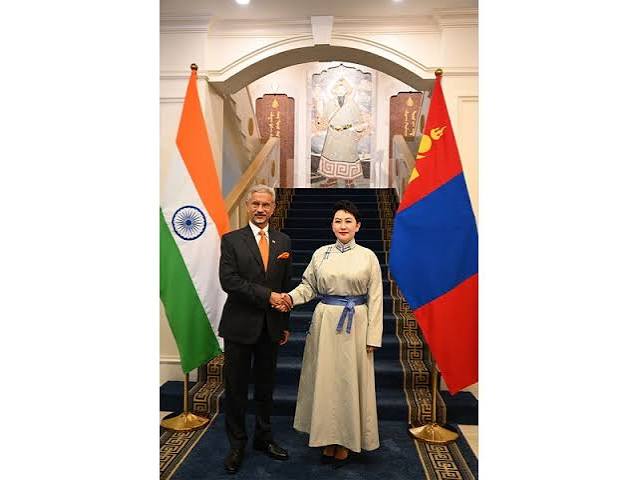
Ulaanbaatar [Mongolia], June 23 (ANI): External Affairs Minister S Jaishankar on Monday (local time) said India and Mongolia discussed new ideas and opportunities to advance their Strategic Partnership during his meeting with Mongolian Foreign Minister Battsetseg Batmunkh as part of his two-day official visit to the East Asian country.
Addressing the media after the talks, Jaishankar described the discussions as "very warm, very productive, very open" and said both sides reviewed the full spectrum of bilateral cooperation while exploring initiatives for the next phase of India-Mongolia relations.
"We had an exchange of views on more ideas, new opportunities, and preparing an agenda for the next level of our Strategic Partnership, and the Minister cited the English language skills as one example. I think in the coming months, we would probably from our conversation and meetings come out with other projects and shared initiatives as well," Jaishankar said.
Thanking the Mongolian government for their hospitality, the External Affairs Minister said India and Mongolia are not only Strategic Partners but also "Spiritual siblings" bound by deep civilisational and spiritual links, shared democratic values and strong people-to-people ties.
Jaishankar noted that the two countries celebrated the 70th anniversary of diplomatic relations last year and recalled the visit of Mongolian President Ukhnaagiin Khurelsukh to India in October 2025, which gave fresh momentum to bilateral ties.
He said one of the key objectives of his visit was to review the implementation of decisions taken during the meeting between Prime Minister Narendra Modi and President Khurelsukh.
"We celebrated last year the 70th anniversary of the establishment of diplomatic relations and we had the privilege of hosting the President of Mongolia in India in October. That visit was highly successful with several outcomes, and one of the purposes of my visit was to sit with my counterpart and review the progress of what was agreed to between our Prime Minister and your President last year," the EAM stated.
According to Jaishankar, the two sides reviewed cooperation across a range of sectors,
including development partnership projects, capacity building, technology, trade, supply chains, education, culture, defence, security and energy.
He highlighted the India-supported oil refinery project in Mongolia as the most important development partnership initiative while also mentioning cooperation through an ICT centre, a school project and several Quick Impact Projects.
"We really reviewed the entire gamut of our bilateral cooperation, including the development partnership of which the Oil Refinery is the most important project; there is also an ICT centre and a school and a number of Quick Impact Projects, we spoke about capacity building, technology, economic and trade cooperation, supply chain cooperation, education, culture, defence, security, and energy," he stated.
The two ministers also discussed ways to strengthen Buddhist heritage links and people-to people exchanges, while exchanging views on regional and global issues, including
cooperation in multilateral forums.
Jaishankar expressed appreciation for Mongolia's participation in the International Solar Alliance and the International Big Cat Alliance and reiterated India's commitment to elevating the Strategic Partnership to greater heights.
"We exchanged views on regional and global issues, including cooperation in multilateral
forums, and I want to say we very much value your participation in the International Solar Alliance and the International Big Cat Alliance. We reiterated our commitment to work with the Mongolian side to take our Strategic Partnership to even greater heights," the EAM said.
Following the meeting with his Mongolian counterpart in a post on X, Jaishankar said his
discussions with Battsetseg reflected the "warmth, strength and promise" of the India-Mongolia Strategic Partnership.
"Reviewed the progress in our cooperation in development projects, capacity building, culture, education, security and multilateral fora. Also spoke about opportunities in mining, clean energy and agri processing. As a third neighbour and a spiritual partner, India stands ready to advance its close and cordial ties with Mongolia," the post read.
During his visit, Jaishankar also called on Mongolian President Khurelsukh and conveyed
greetings from President Droupadi Murmu and Prime Minister Narendra Modi.
In another post on X, the External Affairs Minister said President Khurelsukh's visit to India last year had imparted strong momentum to the Strategic Partnership.
"Value his guidance on advancing our strong cooperation in a wide range of sectors. Fully agree with him that the greatest friendship is spiritual friendship," Jaishankar wrote in his post.
The minister also met the Chief Abbot of Mongolia's Gandan Monastery, Khamba Nomun Khan
Geshe Lharampa D Javzandorj, and said the abbot's blessings for deepening cultural ties and people-to-people goodwill were deeply cherished.
"Glad to meet His Eminence Khamba Nomun Khan Geshe Lharampa D Javzandorj, Chief Abbot of Gandan Monastery, Mongolia. His blessings for deepening our cultural ties and people-to-people goodwill are deeply cherished," the EAM stated in a separate post.
Jaishankar further held talks with Speaker of the State Great Khural Sandag Byambatsogt, welcoming his support for parliamentary exchanges and reaffirming India's commitment to strengthening its people-centric development partnership with Mongolia.
"A pleasure to meet Speaker of the State Great Khural Sandag Byambatsogt today. Welcome
his strong support for India - Mongolia parliamentary exchanges and friendship. Reiterated support to deepening our people - centric development partnership," he stated in another post.
The External Affairs Minister is currently on a two-day official visit to Mongolia from June 22 to June 23, following which, he will travel to South Korea for engagements from June 24 to June 25. (ANI)
...
Mongolia Opens a New Chapter in Energy Reform with Its First Competitive Energy Auction www.capitalmarkets.mn
First Renewable Energy Auction Signals a Shift Toward a Competitive and Investment-Driven Power Sector
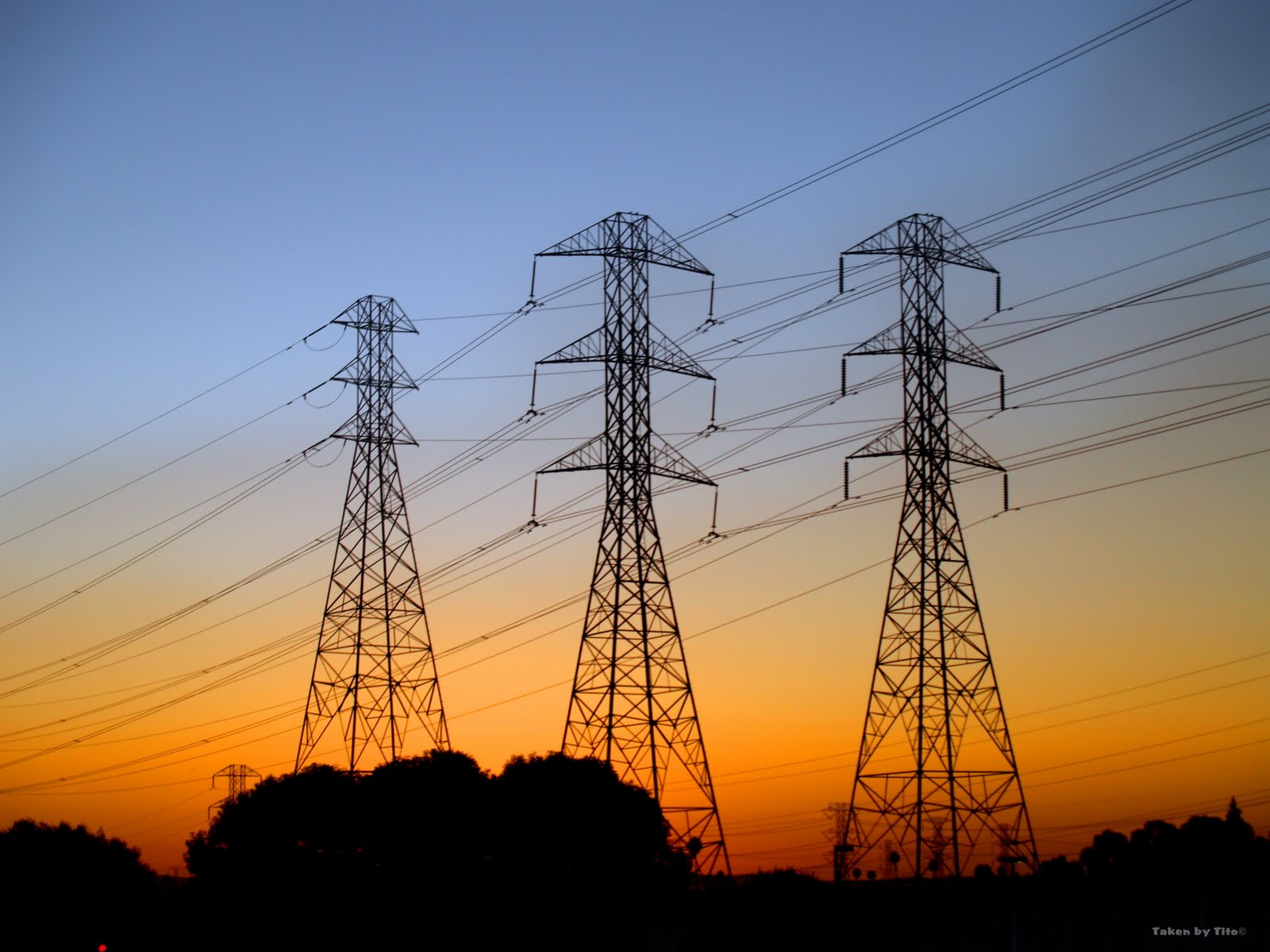
Last week, Mongolia successfully concluded a historic open competitive auction for five renewable energy projects, marking a major milestone in the country's energy sector reform agenda. The auction is significant not only because it will bring new solar generation and battery storage capacity to the grid, but also because it introduces a transparent, market-based mechanism for procuring electricity infrastructure.
For the first time, developers competed openly to secure projects, signaling Mongolia's shift away from administratively determined energy investments toward a more competitive system capable of attracting private capital, improving efficiency, and reducing costs. The successful completion of the auction demonstrates growing investor confidence in the sector and provides one of the clearest indications yet that Mongolia's broader energy reforms are beginning to translate into tangible investment opportunities.
Tariff Liberalization and Renewable Energy Auctions Signal Structural Change
Over the last two years, Mongolia has embarked on one of the most significant energy sector reform programs in more than two decades, laying the foundation for a more competitive, financially sustainable, and market-oriented power sector.
While recent attention has focused on electricity tariff increases and renewable energy auctions, policymakers increasingly emphasize that the reform extends far beyond pricing adjustments. The objective is not simply to eliminate losses in the sector but to transform Mongolia's energy system from a centralized, state-dominated model into a modern market capable of attracting private investment, supporting distributed generation, and accelerating the transition toward cleaner sources of energy.
The reform agenda emerged in response to mounting structural challenges. For years, regulated electricity tariffs remained below the actual cost of generation, weakening the financial position of state-owned utilities, discouraging investment in new generation capacity, and contributing to growing supply shortages as electricity demand continued to rise.
The first major step came in November 2024, when electricity tariffs were increased by more than 30 percent. The adjustment aimed to narrow the gap between production costs and consumer prices and restore financial sustainability to a sector that had been operating at a loss for years. Additional adjustments have followed, including a further tariff increase approved in May 2026.
However, policymakers also recognize that tariff reform alone cannot solve Mongolia's long-term energy challenges.
From State Monopoly to Competitive Energy Market
The next phase of reform focuses on changing how the sector itself operates.
A growing consensus has emerged among policymakers, regulators, and industry participants that Mongolia must gradually transition from a heavily regulated and state-controlled system toward a more competitive market structure. This includes strengthening regulatory institutions, improving the efficiency of state-owned enterprises, introducing wholesale market mechanisms, and creating conditions for greater private sector participation.
The government has already begun laying the institutional foundations for this transition. Parliament is preparing new Electricity Supply and Heat Supply laws that could reshape the sector's regulatory framework over the coming years.
At the same time, policymakers have outlined an ambitious long-term vision: achieving domestic energy self-sufficiency by 2030, becoming a regional energy exporter by 2040, and positioning Mongolia as a clean energy producer by 2050.
Within this broader reform agenda, renewable energy auctions represent one of the most tangible and market-oriented initiatives implemented to date.
Mongolia's First Renewable Energy Auction Sets a New Benchmark
On June 18, 2026, the Ministry of Energy successfully completed Mongolia's first-ever competitive renewable energy auction, selecting Independent Power Producers (IPPs) for five utility-scale solar and battery storage projects across the Central Energy System.
A total of 19 participants competed across the five project locations through an open bidding process in which developers were required to reduce their offered electricity tariff by at least 0.05 US cents per kWh during each bidding round. The winning developers earned the right to enter into long-term Power Purchase Agreements (PPAs), providing the revenue certainty required to attract project financing and proceed with construction.
The auction resulted in the allocation of 220MW of solar generation capacity and 135MW/440MWh of battery energy storage systems, making it the largest renewable energy procurement program ever undertaken in Mongolia.
Beyond the additional generation capacity, the auction established a new benchmark for renewable energy pricing in the country.
Speaking during the auction, Minister of Energy B. Naidalaa described the process as a historic milestone for Mongolia's energy sector. He noted that the results challenged the long-held perception that renewable energy is inherently expensive. While some legacy renewable energy projects continue to supply electricity at tariffs as high as 17.3 US cents per kWh, the winning bids in the auction ranged from just 4.85 to 7.8 US cents per kWh.
The results demonstrate the power of competitive procurement to reduce costs while maintaining investor interest and project viability.
Looking Ahead
The success of the first auction strengthens the investment case for the government's next procurement round, which will include an additional 110MW of solar capacity and 100MW of wind generation later this year.
Momentum is already building. The Ministry of Energy, together with the International Finance Corporation (IFC), has launched the pre-qualification process for the 100MW Mandalgovi Wind Power Plant IPP project in Dundgovi aimag, with applications due by July 31. The project will be developed under a build-operate-transfer model and supported by a long-term power purchase agreement with the National Dispatch Center, further reinforcing Mongolia's commitment to competitive, privately financed energy infrastructure.
For investors, these initiatives signal the emergence of a credible project pipeline and a regulatory environment increasingly aligned with international market practices. For policymakers, they offer a mechanism to expand generation capacity without placing additional pressure on public finances.
Together, tariff liberalization, regulatory reform, and competitive renewable energy procurement represent the early stages of a broader restructuring of Mongolia's energy economy. The reforms underway today suggest that Mongolia is moving beyond short-term solutions toward a fundamentally different energy model, one based on cost-reflective pricing, competitive markets, and private investment.
For a sector long constrained by financial losses, underinvestment, and regulatory uncertainty, the successful completion of Mongolia's first renewable energy auction may ultimately be remembered as the moment when the country's energy transition moved from policy ambition to market reality.
...
No one left behind: how civil society is shaping Mongolia’s digital future www.peopleinneed.net
Mongolia is digitalising fast. But for older people in remote areas, herders on the steppe, people with visual impairments, and families on the margins of Ulaanbaatar, speed alone does not mean inclusion. The DICE project spent 30 months testing a different approach: working through civil society to make digital transformation real for the people it was missing.
Mongolia has been moving fast in digital transition. Since 2020, the government’s Digital Nation strategy has pushed services online at speed, such as booking hospital appointments, renewing documents, and paying taxes. For city-dwellers with smartphones and stable internet, daily life has become simpler. But for elderly people with limited digital skills, herders on the steppe, people with visual impairments, and families living on the outskirt area of Ulaanbaatar city, the shift has often felt less like progress and more like being left further behind.
“People with visual impairments encounter many problems,” says Delgermaa Ch, Director of Development Assistance Centre, an organisation that has worked with visually impaired people for years. “Without digital skills, they lose personal information, fall victim to cybercrime, and cannot access public services or online banking independently.”
She describes a scene that was common before her organisation joined the DICE project. When a person with a visual impairment took a taxi, they had to hand their phone to the driver to process the payment. The driver could transfer any amount they chose. Passwords to e-Mongolia accounts, email, and Facebook were routinely shared with strangers, not out of carelessness, but because there was no other way to use the services. The dependency ran deeper than inconvenience.
From awareness to action
The Digital Inclusion through CSO Empowerment (DICE) project, implemented by People in Need (PIN) Mongolia and Faro Foundation with support from the Ministry of Digital Development, Innovation and Communications, and funded by the European Union delegation to Mongolia, set out to change this. Its approach was deliberate: rather than engaging communities directly, DICE worked through civil society organisations (CSOs) that were already trusted, embedded, and present in the places and among the people that Mongolia’s digital transformation was passing by.
Over 30 months, from December 2023 to May 2026, 65 CSOs participated in digital skills training and support activities across the peri-urban areas of Ulaanbaatar and Umnugovi Province. The training followed six modules aligned with Mongolia’s Digital Competence Framework for Citizens, covering foundational digital tools, cybersecurity, e-government services, content creation, digital collaboration, and AI applications. Participating organisations then designed and delivered their own projects, reaching the communities they knew best.
Reaching beyond the target
Delgermaa’s organisation had planned for 30 participants. By the end, 70 had come through the programme.
The training introduced participants to Be My Eyes, a global application that connects visually impaired people with sighted volunteers via live video, as well as AI tools including Google Gemini and ChatGPT, which can describe surroundings, read text aloud, and guide navigation by voice in Mongolian. For many participants, these tools opened something simple but significant: the ability to manage a payment, identify a product in a shop, or find their way on the street without depending on a stranger to handle their phone.
“There are 180 million visually impaired people in the world. Only one million use Be My Eyes. My goal was to help our community live independently. Now, they can use AI to describe what is around them, tell them which direction to walk. They don’t need to ask anyone for directions anymore.”— Delgermaa Ch, Director, Development Assistance Centre.
In a different corner of Ulaanbaatar, Ariungeral B., Operations Manager at Kindergarten run within the Veloo Foundation, tells a different story with a familiar shape. Her organisation runs programmes for families living and working near the city’s main landfill site. Digital services had remained largely out of reach, partly due to limited digital skills, and partly due to a psychological barrier: the fear of making a mistake on a screen that nobody could help fix.
“We initially planned to include adults 18 and above. But their work schedules made attending consistently difficult. When children came along with parents, we included them. Children learn fast. They went home and taught their parents, and their neighbours. That ripple effect was more powerful than anything we had planned.”— Ariungeral B., Operations Manager, Kindergarten under Veloo Foundation.
Some practical impacts of the training include participants booking medical appointments independently, obtaining official documents through e-Mongolia, and using mobile banking without assistance for the first time.
Putting it into practice: the sub-grant programme
Training alone does not change much if it stops at the classroom door. The sub-grant component of DICE was designed around that reality. After completing their training, 29 of the 65 participating CSOs applied for and received grants to design and deliver their own digital literacy and advocacy, policy discussion programmes. In total, approximately €115,000 was disbursed across two rounds: one for CSO-led digital skills activities for citizens, and a second for policy and advocacy work.
The projects that came out of this process were as varied as the communities they served. In Umnugovi province, Khundlel Bakharkhal ran training across three soums, targeting herders and rural women. "If even one woman solves a problem she thought she could not, that is a success for me," said E. Uuganbyamba, the organisation's founder. One herder who had previously relied on family members to navigate government services now uses e-Mongolia — the application consolidates over 1,200 public services from more than 80 government agencies — independently. A participant who had kept her bank password taped to the back of her phone left with a much safer approach.
In the same province, Aspire for Sustainable Development l focused on female entrepreneurs, offering training on business automation tools, electronic procurement systems, and accounting platforms. "We did not just introduce tools," said Ts. Adyasuren, the organisation's executive director. "We showed how to use them in daily operations." Several participants went on to secure business contracts or win public tenders for the first time after the training.
The sub-grant mechanism was not just a funding channel. It was where the project's theory of change played out in practice. CSOs designed activities rooted in their communities' actual needs, adapted when plans met reality, and built local networks of people who could support each other after training ended. In several cases, participant groups formed their own online communities to continue sharing knowledge. In at least one instance, a CSO used its DICE experience to secure additional funding from another donor entirely, extending the work independently.
That multiplier effect, from training to action to new capacity to continued activity, is what the sub-grant model was designed to produce.
What the numbers show
Across all DICE small projects, 1,830 people were reached in total, the majority from groups who had had the least access to Mongolia’s digitalisation gains: older people, people with disabilities, rural women, and herders in remote provinces.
An independent evaluation completed in 2026 scored the project at 4.12 out of 5, with the CSO capacity-strengthening component rated 4.33, and described as “excellent.” Close to 82 per cent of participants reported that their digital skills had improved meaningfully. The share of organisations using digital tools in their work, communicating digitally with the public, and participating in policy dialogue increased by between 43 and 47 per cent over the project period.
In Umnugovi province, one CSO reported that the number of followers on its Facebook page grew from around 1,000 to between 3,000 and 4,000 after attending content creation training.
A foundation for policy change
Beyond community-level impact, DICE worked at a systemic level. Alongside training and small grants projects, participating CSOs contributed to the development of the Inclusive Digitalisation Advocacy (IDA) Roadmap, a strategic document that outlines how Mongolia’s legal and regulatory framework can better incorporate civil society in its digital transition.
“This is not just about technological solutions. It is a story of creating a democratic space that simplifies lives, brings society together, and truly ensures no one is left behind.”— Chimegsaikhan M., DICE Project Manager, PIN Mongolia.
At the project’s closing event in May 2026, the European Union delegation echoed that framing. “Mongolia, in pursuing its goal of becoming a Digital Nation, must leave no one behind,” said Adrien Murg, Head of Cooperation at the EU Delegation to Mongolia.
What comes next
The project’s closure does not mark the end of what it started. Several participating CSOs have already secured additional funding to continue their digital literacy activities independently. The Nutag Action Research Training Centre has been developing a mobile application specifically designed for herders, drawing directly on what it learned through DICE to build tools for people in Mongolia’s most remote areas.
The independent evaluation also identified clear gaps to address in future work: older participants benefit from more tailored and repeated training, smaller rural organisations need longer-term institutional support, and the IDA Roadmap needs clearer pathways from document to implementation. These are important findings that clearly point to what the next phase of work needs to include, in order to really ensure that no one is left behind in Mongolia.
What DICE demonstrated over 30 months, across 65 organisations and more than 1,800 people, is that digital inclusion is not primarily a technology problem. It is a question of which communities are counted in a country’s sense of progress, and which are not. Civil society, with the right support and resources, can help close that distance.
"What we saw through DICE is that strong civil society organisations are the bridge between Mongolia's digital ambitions and the people those ambitions need to reach. Training organisations is one part of the work. But what made this project different was watching those organisations take what they had learned and design something real for their own communities. A herder using e-government services independently for the first time, an older woman no longer having to hand her phone to a stranger to complete a bank transfer. These are not small changes. They reflect what inclusive digital transformation can actually look like in practice."— Tricia Turbold, Country Director, PIN Mongolia.
The DICE project was funded by the European Union and implemented by People in Need Mongolia and Faro Foundation, with support from the Ministry of Digital Development, Innovation and Communications of Mongolia.
...
Mongolia Unveils Enhanced E-Business.mn Platform www.miragenews.com
The platform serves as a key gateway for the formalization of informal businesses and workers. It streamlines business registration processes, reduces administrative burdens and improves access to public services through both web and mobile applications. The upgraded platform provides access to 321 licensing services and 1,286 public services, including digital services for 11 types of employment contracts, such as hourly work, domestic work, work-from-home arrangements and other forms of employment provided for under the Labour Law of Mongolia.
The launch event was opened by Prime Minister N.Uchral, followed by remarks from Ch.Nomin, Minister for Digital Development, Innovation and Communications.
Speaking at the launch, Prime Minister N.Uchral highlighted the importance of digital transformation in improving governance, reducing administrative burdens, and fostering a more transparent and business-friendly environment.
Jaap van Hierden, United Nations Resident Coordinator in Mongolia, emphasized the role of digital innovation in supporting formalization and improving access to decent work.
"One of the important features of the upgraded platform is the integration of new digital services that support employment formalization, including the digitization of employment contracts. By enabling more businesses and workers to access formal employment arrangements through digital channels, the platform can help strengthen compliance, expand access to social protection, and support a more inclusive and productive labour market," said Mr Jaap van Hierden".
The platform was enhanced with support from the International Labour Organization (ILO) as part of ongoing efforts to promote e-formalization and expand access to services for workers and enterprises in Mongolia. By simplifying administrative procedures and improving access to digital services, the platform contributes to facilitating the transition from informality to formality and promoting decent work.
...
"Mongolian Distribution Giants Gather"… 16 Daejeon Startups Set Out to Open Sales Channels in Ulaanbaatar www.venturesquare.net
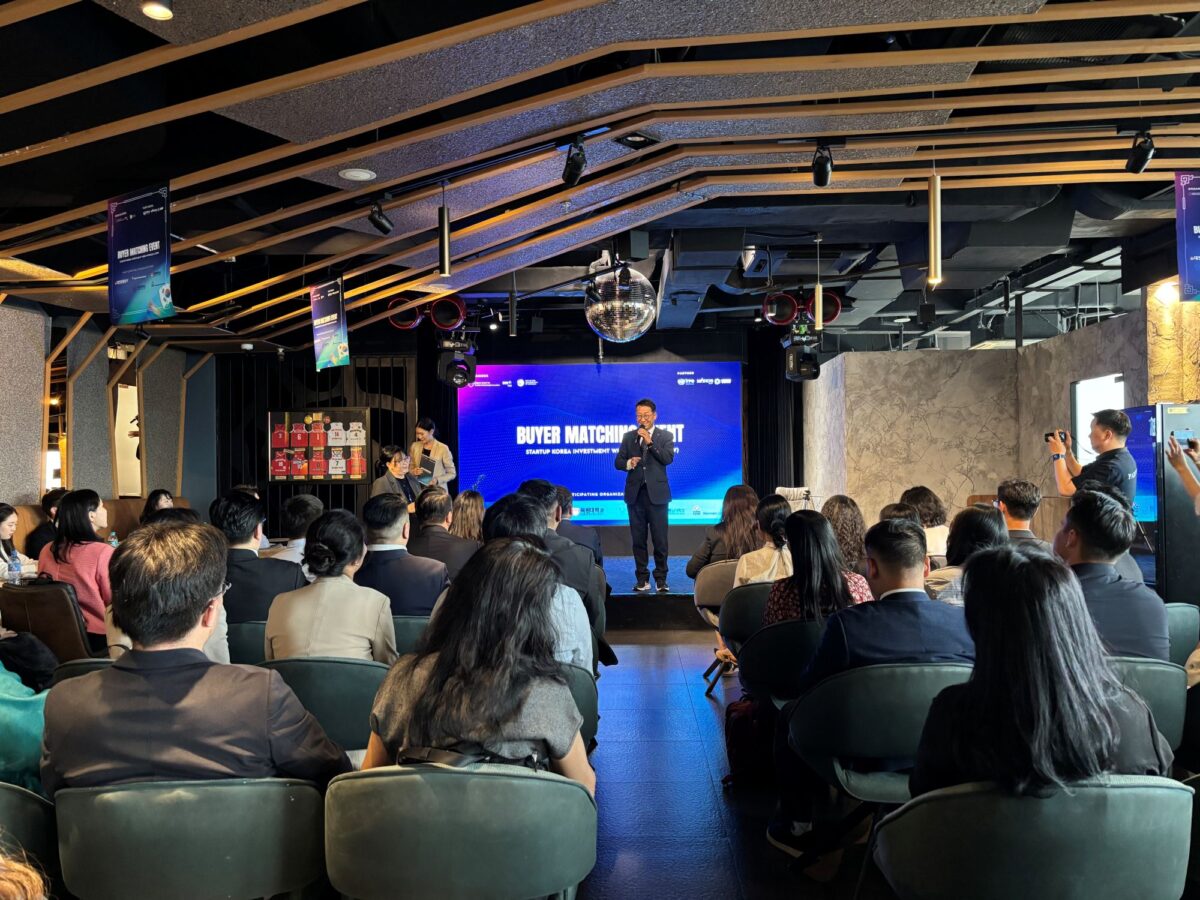
Promising startups in the Daejeon region have set out to target the Central Asian market by directly connecting with Mongolia's key distribution and investment networks. The Daejeon Center for Creative Economy Innovation announced that it held 'SIW in Mongolia' at the Central Tower in Ulaanbaatar, Mongolia on the 18th to support local startups in entering the global market.
This event was co-hosted by the Daejeon Innovation Center, the UNIDO ITPO (United Nations Industrial Development Organization Korea Investment Promotion Office), the Mongolian Science Park Authority, and InnoHub. Sixteen competitive startups from the Daejeon region in the fields of K-Beauty, K-Food, Healthcare, and Biotech participated to explore the possibility of entering local distribution networks.
Establishing a platform for direct transactions with key Mongolian distribution networks and investors
The event was attended by representatives from major local distribution companies and investment institutions, including Monos Group, Mongolia's largest bio and distribution company, the Mongolian Chamber of Commerce and Industry, Gund Investment, and Digital Concept, the operator of GS25 Mongolia. A buyer matching program involving Monos Group, hypermarkets, and convenience store buyers was held on-site. Participating companies directly introduced their products and technologies and discussed sales strategies tailored to the local distribution structure as well as the possibility of store entry.
Microbiome-based instant rice, room-temperature HMR tteokbokki, functional cosmetics, and bio-material products for gum and scalp care received significant interest from local buyers. Consultations went beyond simple introductions and proceeded with the premise of actual distribution entry, increasing the potential for commercialization.
Major Mongolian accelerators, including InnoHub, Socratus Startup Studio, and IT Park, participated in the Korea-Mongolia Startup Exchange held alongside the event to explore opportunities for technological cooperation and joint business ventures.
On the same day, the Daejeon Innovation Center also signed a Memorandum of Understanding (MOU) with the Mongolian National Information Technology Park (IT Park) to cooperate on startup global expansion and the startup ecosystem. Both organizations plan to expand cooperation in various fields, including startup exchanges, joint program operations, investment linkages, and support for overseas market entry.
Park Dae-hee, CEO of the Daejeon Innovation Center, said, “Demand for Korean cosmetics, food, and health functional foods is rapidly increasing in the Mongolian market,” adding, “I hope this event will serve as a practical business platform that connects Daejeon startups directly with local distributors.”
...
Indian External Affairs Minister Jaishankar to visit Mongolia www.gogo.mn
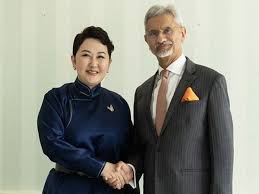
At the invitation of Foreign Minister B.Battsetseg, India's External Affairs Minister, Dr. Subrahmanyam Jaishankar, will pay an official visit to Mongolia on June 22–23.
During the visit, Foreign Minister B.Battsetseg and Dr. Jaishankar will hold official talks and exchange views on expanding and strengthening the strategic partnership between Mongolia and India, as well as on a broad range of regional and international issues of mutual interest.
Mongolia and India established diplomatic relations on December 24, 1955, and exchanged ambassadors in 1956. Mongolia opened its embassy in New Delhi in 1956, while India established its embassy in Ulaanbaatar in 1971.
...
Record Currency Management participates in an innovative transaction for the acquisition of Mongolian tugrik by EBRD www.open.kg
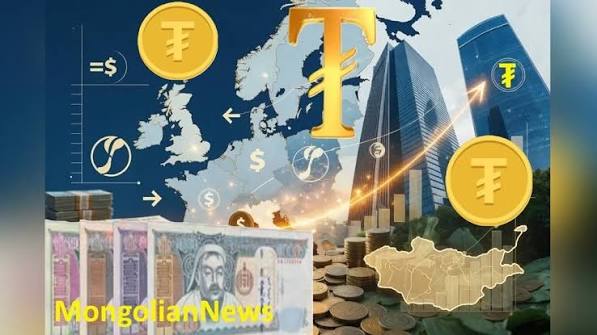
Record Currency Management Ltd (RCM), a subsidiary of Record plc, has announced its participation in a new bond deal issued by the European Bank for Reconstruction and Development (EBRD). This event aims to develop the capital markets of Mongolia and provides institutional investors with access to attractive opportunities in emerging markets.
RCM is a specialized currency management division within Record Financial Group, which manages assets worth $115 billion on behalf of institutional clients worldwide. Record's clients include pension funds, government institutions, and other asset managers, with whom the company builds long-term partnerships based on tailored investment solutions and risk management. Record is headquartered in London, with offices in Hamburg, Zurich, Zug, New York, and Hong Kong.
These investments are part of a broader strategy by Record Financial Group to expand opportunities in emerging and frontier markets, leveraging years of experience in currency risk management and institutional investments. The deal also coincides with the fifth anniversary of the flagship Record EM Sustainable Finance Fund, which was launched in 2021 and currently manages assets of around one billion dollars.
The deal includes the issuance of four-year EBRD bonds with a fixed interest rate linked to Mongolian tugriks (₮), and the proceeds will be directed towards supporting local currency financing initiatives that promote sustainable economic development and strengthen Mongolia's financial markets. The European Social Development Fund invested $20 million as part of the EBRD's Global Medium-Term Fixed Rate Bond Program with a rate of 9.75%.
The EBRD has actively supported Mongolia's development since 2006, helping the country transition to a more diversified and sustainable economy. The bank's activities cover areas such as infrastructure, renewable energy, agribusiness, finance, and corporate development, with a particular focus on strengthening local capital markets and expanding access to financing.
For institutional investors, financing in tugriks becomes an important tool for supporting sustainable economic growth, reducing currency risks for borrowers, and fostering the development of domestic financial markets. This helps to mitigate currency risks for companies and financial institutions, as well as improve financial stability.
Record's participation in this deal confirms the company's intention to develop specialized investment solutions in emerging and frontier markets, where deep market expertise and investment discipline can create attractive opportunities for clients.
“Emerging and frontier markets remain our strategic priorities. Our experience in currency and sovereign markets enables us to identify innovative investment opportunities that provide both attractive institutional characteristics and positive economic outcomes. We are pleased to participate in the EBRD deal, which contributes to the development of investments in Mongolia,” said Dr. Othman Boukrim, CEO of Record Currency Management.
“We value our collaboration with Record, which began with the establishment of the fund, and understand the importance of local currency lending for the sustainability of projects, especially for those not engaged in exports. Over the past five years, we have conducted operations in various currencies, including for key projects in Mongolia,” added Isabelle Laurent, Deputy Treasurer and Head of Financing at EBRD.
These investments complement Record's growing opportunities in private markets and emerging markets, including specialized currency strategies, debt instruments, real asset investments, private equity, and lending. All these activities align with the Group's strategy to provide institutional investors with unique opportunities in markets where specialized expertise and long-term partnerships can create sustainable value.
By Виктор Сизов
...
Land Behind the Zhukov monument to be revoked and converted into park www.gogo.mn
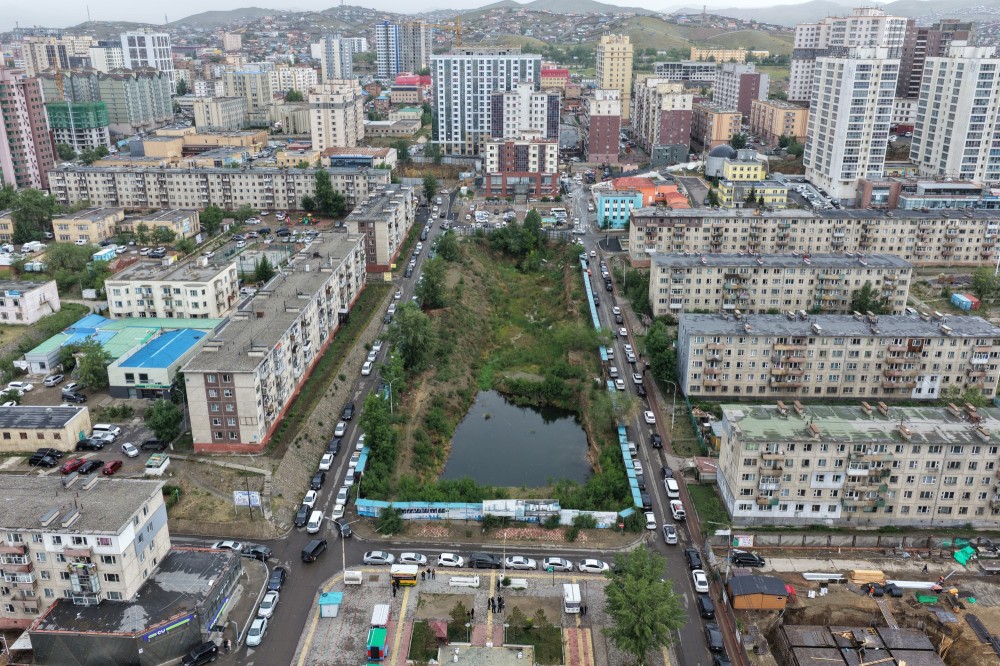
Governor of the capital and Mayor of Ulaanbaatar B.Purevdagva and relevant officials worked in the 4th khoroo of Bayanzurkh District, north of the Zhukov Monument, to resolve land issues in the area. Because the area is heavily built up and densely occupied, the permit for 6,000 square meters of land that had been allocated for construction has been canceled. The land will now be turned into a public space and park.
The land had originally been granted to Newtour Safaris LLC, Merge Van LLC, Khuree-Invest LLC, and Alkhanatreid LLC under Bayanzurkh District Governor’s Order No. 42 of 2006, which concerned granting land ownership rights and revoking land use rights. However, since the land had not been used for its intended purpose for two years without a valid reason, the decision was made to revoke the land ownership certificate and terminate the ownership rights in accordance with the law.
Mayor B.Purevdagva said the area had once been public land but had been fenced off for the past 10 years. “We are taking this land back as public space within the policy of building a city for people, not cars. We will create green space and carry out landscaping work so that citizens can spend their leisure time comfortably. We have instructed the relevant authorities to begin the landscaping work. We are following a policy of not allowing residential construction in densely populated areas. In the future, we will gradually implement green spaces and children’s playgrounds in ger areas as well,” he said.
...- «
- 1
- 2
- 3
- 4
- 5
- 6
- 7
- 8
- 9
- 10
- 11
- 12
- 13
- 14
- 15
- 16
- 17
- 18
- 19
- 20
- 21
- 22
- 23
- 24
- 25
- 26
- 27
- 28
- 29
- 30
- 31
- 32
- 33
- 34
- 35
- 36
- 37
- 38
- 39
- 40
- 41
- 42
- 43
- 44
- 45
- 46
- 47
- 48
- 49
- 50
- 51
- 52
- 53
- 54
- 55
- 56
- 57
- 58
- 59
- 60
- 61
- 62
- 63
- 64
- 65
- 66
- 67
- 68
- 69
- 70
- 71
- 72
- 73
- 74
- 75
- 76
- 77
- 78
- 79
- 80
- 81
- 82
- 83
- 84
- 85
- 86
- 87
- 88
- 89
- 90
- 91
- 92
- 93
- 94
- 95
- 96
- 97
- 98
- 99
- 100
- 101
- 102
- 103
- 104
- 105
- 106
- 107
- 108
- 109
- 110
- 111
- 112
- 113
- 114
- 115
- 116
- 117
- 118
- 119
- 120
- 121
- 122
- 123
- 124
- 125
- 126
- 127
- 128
- 129
- 130
- 131
- 132
- 133
- 134
- 135
- 136
- 137
- 138
- 139
- 140
- 141
- 142
- 143
- 144
- 145
- 146
- 147
- 148
- 149
- 150
- 151
- 152
- 153
- 154
- 155
- 156
- 157
- 158
- 159
- 160
- 161
- 162
- 163
- 164
- 165
- 166
- 167
- 168
- 169
- 170
- 171
- 172
- 173
- 174
- 175
- 176
- 177
- 178
- 179
- 180
- 181
- 182
- 183
- 184
- 185
- 186
- 187
- 188
- 189
- 190
- 191
- 192
- 193
- 194
- 195
- 196
- 197
- 198
- 199
- 200
- 201
- 202
- 203
- 204
- 205
- 206
- 207
- 208
- 209
- 210
- 211
- 212
- 213
- 214
- 215
- 216
- 217
- 218
- 219
- 220
- 221
- 222
- 223
- 224
- 225
- 226
- 227
- 228
- 229
- 230
- 231
- 232
- 233
- 234
- 235
- 236
- 237
- 238
- 239
- 240
- 241
- 242
- 243
- 244
- 245
- 246
- 247
- 248
- 249
- 250
- 251
- 252
- 253
- 254
- 255
- 256
- 257
- 258
- 259
- 260
- 261
- 262
- 263
- 264
- 265
- 266
- 267
- 268
- 269
- 270
- 271
- 272
- 273
- 274
- 275
- 276
- 277
- 278
- 279
- 280
- 281
- 282
- 283
- 284
- 285
- 286
- 287
- 288
- 289
- 290
- 291
- 292
- 293
- 294
- 295
- 296
- 297
- 298
- 299
- 300
- 301
- 302
- 303
- 304
- 305
- 306
- 307
- 308
- 309
- 310
- 311
- 312
- 313
- 314
- 315
- 316
- 317
- 318
- 319
- 320
- 321
- 322
- 323
- 324
- 325
- 326
- 327
- 328
- 329
- 330
- 331
- 332
- 333
- 334
- 335
- 336
- 337
- 338
- 339
- 340
- 341
- 342
- 343
- 344
- 345
- 346
- 347
- 348
- 349
- 350
- 351
- 352
- 353
- 354
- 355
- 356
- 357
- 358
- 359
- 360
- 361
- 362
- 363
- 364
- 365
- 366
- 367
- 368
- 369
- 370
- 371
- 372
- 373
- 374
- 375
- 376
- 377
- 378
- 379
- 380
- 381
- 382
- 383
- 384
- 385
- 386
- 387
- 388
- 389
- 390
- 391
- 392
- 393
- 394
- 395
- 396
- 397
- 398
- 399
- 400
- 401
- 402
- 403
- 404
- 405
- 406
- 407
- 408
- 409
- 410
- 411
- 412
- 413
- 414
- 415
- 416
- 417
- 418
- 419
- 420
- 421
- 422
- 423
- 424
- 425
- 426
- 427
- 428
- 429
- 430
- 431
- 432
- 433
- 434
- 435
- 436
- 437
- 438
- 439
- 440
- 441
- 442
- 443
- 444
- 445
- 446
- 447
- 448
- 449
- 450
- 451
- 452
- 453
- 454
- 455
- 456
- 457
- 458
- 459
- 460
- 461
- 462
- 463
- 464
- 465
- 466
- 467
- 468
- 469
- 470
- 471
- 472
- 473
- 474
- 475
- 476
- 477
- 478
- 479
- 480
- 481
- 482
- 483
- 484
- 485
- 486
- 487
- 488
- 489
- 490
- 491
- 492
- 493
- 494
- 495
- 496
- 497
- 498
- 499
- 500
- 501
- 502
- 503
- 504
- 505
- 506
- 507
- 508
- 509
- 510
- 511
- 512
- 513
- 514
- 515
- 516
- 517
- 518
- 519
- 520
- 521
- 522
- 523
- 524
- 525
- 526
- 527
- 528
- 529
- 530
- 531
- 532
- 533
- 534
- 535
- 536
- 537
- 538
- 539
- 540
- 541
- 542
- 543
- 544
- 545
- 546
- 547
- 548
- 549
- 550
- 551
- 552
- 553
- 554
- 555
- 556
- 557
- 558
- 559
- 560
- 561
- 562
- 563
- 564
- 565
- 566
- 567
- 568
- 569
- 570
- 571
- 572
- 573
- 574
- 575
- 576
- 577
- 578
- 579
- 580
- 581
- 582
- 583
- 584
- 585
- 586
- 587
- 588
- 589
- 590
- 591
- 592
- 593
- 594
- 595
- 596
- 597
- 598
- 599
- 600
- 601
- 602
- 603
- 604
- 605
- 606
- 607
- 608
- 609
- 610
- 611
- 612
- 613
- 614
- 615
- 616
- 617
- 618
- 619
- 620
- 621
- 622
- 623
- 624
- 625
- 626
- 627
- 628
- 629
- 630
- 631
- 632
- 633
- 634
- 635
- 636
- 637
- 638
- 639
- 640
- 641
- 642
- 643
- 644
- 645
- 646
- 647
- 648
- 649
- 650
- 651
- 652
- 653
- 654
- 655
- 656
- 657
- 658
- 659
- 660
- 661
- 662
- 663
- 664
- 665
- 666
- 667
- 668
- 669
- 670
- 671
- 672
- 673
- 674
- 675
- 676
- 677
- 678
- 679
- 680
- 681
- 682
- 683
- 684
- 685
- 686
- 687
- 688
- 689
- 690
- 691
- 692
- 693
- 694
- 695
- 696
- 697
- 698
- 699
- 700
- 701
- 702
- 703
- 704
- 705
- 706
- 707
- 708
- 709
- 710
- 711
- 712
- 713
- 714
- 715
- 716
- 717
- 718
- 719
- 720
- 721
- 722
- 723
- 724
- 725
- 726
- 727
- 728
- 729
- 730
- 731
- 732
- 733
- 734
- 735
- 736
- 737
- 738
- 739
- 740
- 741
- 742
- 743
- 744
- 745
- 746
- 747
- 748
- 749
- 750
- 751
- 752
- 753
- 754
- 755
- 756
- 757
- 758
- 759
- 760
- 761
- 762
- 763
- 764
- 765
- 766
- 767
- 768
- 769
- 770
- 771
- 772
- 773
- 774
- 775
- 776
- 777
- 778
- 779
- 780
- 781
- 782
- 783
- 784
- 785
- 786
- 787
- 788
- 789
- 790
- 791
- 792
- 793
- 794
- 795
- 796
- 797
- 798
- 799
- 800
- 801
- 802
- 803
- 804
- 805
- 806
- 807
- 808
- 809
- 810
- 811
- 812
- 813
- 814
- 815
- 816
- 817
- 818
- 819
- 820
- 821
- 822
- 823
- 824
- 825
- 826
- 827
- 828
- 829
- 830
- 831
- 832
- 833
- 834
- 835
- 836
- 837
- 838
- 839
- 840
- 841
- 842
- 843
- 844
- 845
- 846
- 847
- 848
- 849
- 850
- 851
- 852
- 853
- 854
- 855
- 856
- 857
- 858
- 859
- 860
- 861
- 862
- 863
- 864
- 865
- 866
- 867
- 868
- 869
- 870
- 871
- 872
- 873
- 874
- 875
- 876
- 877
- 878
- 879
- 880
- 881
- 882
- 883
- 884
- 885
- 886
- 887
- 888
- 889
- 890
- 891
- 892
- 893
- 894
- 895
- 896
- 897
- 898
- 899
- 900
- 901
- 902
- 903
- 904
- 905
- 906
- 907
- 908
- 909
- 910
- 911
- 912
- 913
- 914
- 915
- 916
- 917
- 918
- 919
- 920
- 921
- 922
- 923
- 924
- 925
- 926
- 927
- 928
- 929
- 930
- 931
- 932
- 933
- 934
- 935
- 936
- 937
- 938
- 939
- 940
- 941
- 942
- 943
- 944
- 945
- 946
- 947
- 948
- 949
- 950
- 951
- 952
- 953
- 954
- 955
- 956
- 957
- 958
- 959
- 960
- 961
- 962
- 963
- 964
- 965
- 966
- 967
- 968
- 969
- 970
- 971
- 972
- 973
- 974
- 975
- 976
- 977
- 978
- 979
- 980
- 981
- 982
- 983
- 984
- 985
- 986
- 987
- 988
- 989
- 990
- 991
- 992
- 993
- 994
- 995
- 996
- 997
- 998
- 999
- 1000
- 1001
- 1002
- 1003
- 1004
- 1005
- 1006
- 1007
- 1008
- 1009
- 1010
- 1011
- 1012
- 1013
- 1014
- 1015
- 1016
- 1017
- 1018
- 1019
- 1020
- 1021
- 1022
- 1023
- 1024
- 1025
- 1026
- 1027
- 1028
- 1029
- 1030
- 1031
- 1032
- 1033
- 1034
- 1035
- 1036
- 1037
- 1038
- 1039
- 1040
- 1041
- 1042
- 1043
- 1044
- 1045
- 1046
- 1047
- 1048
- 1049
- 1050
- 1051
- 1052
- 1053
- 1054
- 1055
- 1056
- 1057
- 1058
- 1059
- 1060
- 1061
- 1062
- 1063
- 1064
- 1065
- 1066
- 1067
- 1068
- 1069
- 1070
- 1071
- 1072
- 1073
- 1074
- 1075
- 1076
- 1077
- 1078
- 1079
- 1080
- 1081
- 1082
- 1083
- 1084
- 1085
- 1086
- 1087
- 1088
- 1089
- 1090
- 1091
- 1092
- 1093
- 1094
- 1095
- 1096
- 1097
- 1098
- 1099
- 1100
- 1101
- 1102
- 1103
- 1104
- 1105
- 1106
- 1107
- 1108
- 1109
- 1110
- 1111
- 1112
- 1113
- 1114
- 1115
- 1116
- 1117
- 1118
- 1119
- 1120
- 1121
- 1122
- 1123
- 1124
- 1125
- 1126
- 1127
- 1128
- 1129
- 1130
- 1131
- 1132
- 1133
- 1134
- 1135
- 1136
- 1137
- 1138
- 1139
- 1140
- 1141
- 1142
- 1143
- 1144
- 1145
- 1146
- 1147
- 1148
- 1149
- 1150
- 1151
- 1152
- 1153
- 1154
- 1155
- 1156
- 1157
- 1158
- 1159
- 1160
- 1161
- 1162
- 1163
- 1164
- 1165
- 1166
- 1167
- 1168
- 1169
- 1170
- 1171
- 1172
- 1173
- 1174
- 1175
- 1176
- 1177
- 1178
- 1179
- 1180
- 1181
- 1182
- 1183
- 1184
- 1185
- 1186
- 1187
- 1188
- 1189
- 1190
- 1191
- 1192
- 1193
- 1194
- 1195
- 1196
- 1197
- 1198
- 1199
- 1200
- 1201
- 1202
- 1203
- 1204
- 1205
- 1206
- 1207
- 1208
- 1209
- 1210
- 1211
- 1212
- 1213
- 1214
- 1215
- 1216
- 1217
- 1218
- 1219
- 1220
- 1221
- 1222
- 1223
- 1224
- 1225
- 1226
- 1227
- 1228
- 1229
- 1230
- 1231
- 1232
- 1233
- 1234
- 1235
- 1236
- 1237
- 1238
- 1239
- 1240
- 1241
- 1242
- 1243
- 1244
- 1245
- 1246
- 1247
- 1248
- 1249
- 1250
- 1251
- 1252
- 1253
- 1254
- 1255
- 1256
- 1257
- 1258
- 1259
- 1260
- 1261
- 1262
- 1263
- 1264
- 1265
- 1266
- 1267
- 1268
- 1269
- 1270
- 1271
- 1272
- 1273
- 1274
- 1275
- 1276
- 1277
- 1278
- 1279
- 1280
- 1281
- 1282
- 1283
- 1284
- 1285
- 1286
- 1287
- 1288
- 1289
- 1290
- 1291
- 1292
- 1293
- 1294
- 1295
- 1296
- 1297
- 1298
- 1299
- 1300
- 1301
- 1302
- 1303
- 1304
- 1305
- 1306
- 1307
- 1308
- 1309
- 1310
- 1311
- 1312
- 1313
- 1314
- 1315
- 1316
- 1317
- 1318
- 1319
- 1320
- 1321
- 1322
- 1323
- 1324
- 1325
- 1326
- 1327
- 1328
- 1329
- 1330
- 1331
- 1332
- 1333
- 1334
- 1335
- 1336
- 1337
- 1338
- 1339
- 1340
- 1341
- 1342
- 1343
- 1344
- 1345
- 1346
- 1347
- 1348
- 1349
- 1350
- 1351
- 1352
- 1353
- 1354
- 1355
- 1356
- 1357
- 1358
- 1359
- 1360
- 1361
- 1362
- 1363
- 1364
- 1365
- 1366
- 1367
- 1368
- 1369
- 1370
- 1371
- 1372
- 1373
- 1374
- 1375
- 1376
- 1377
- 1378
- 1379
- 1380
- 1381
- 1382
- 1383
- 1384
- 1385
- 1386
- 1387
- 1388
- 1389
- 1390
- 1391
- 1392
- 1393
- 1394
- 1395
- 1396
- 1397
- 1398
- 1399
- 1400
- 1401
- 1402
- 1403
- 1404
- 1405
- 1406
- 1407
- 1408
- 1409
- 1410
- 1411
- 1412
- 1413
- 1414
- 1415
- 1416
- 1417
- 1418
- 1419
- 1420
- 1421
- 1422
- 1423
- 1424
- 1425
- 1426
- 1427
- 1428
- 1429
- 1430
- 1431
- 1432
- 1433
- 1434
- 1435
- 1436
- 1437
- 1438
- 1439
- 1440
- 1441
- 1442
- 1443
- 1444
- 1445
- 1446
- 1447
- 1448
- 1449
- 1450
- 1451
- 1452
- 1453
- 1454
- 1455
- 1456
- 1457
- 1458
- 1459
- 1460
- 1461
- 1462
- 1463
- 1464
- 1465
- 1466
- 1467
- 1468
- 1469
- 1470
- 1471
- 1472
- 1473
- 1474
- 1475
- 1476
- 1477
- 1478
- 1479
- 1480
- 1481
- 1482
- 1483
- 1484
- 1485
- 1486
- 1487
- 1488
- 1489
- 1490
- 1491
- 1492
- 1493
- 1494
- 1495
- 1496
- 1497
- 1498
- 1499
- 1500
- 1501
- 1502
- 1503
- 1504
- 1505
- 1506
- 1507
- 1508
- 1509
- 1510
- 1511
- 1512
- 1513
- 1514
- 1515
- 1516
- 1517
- 1518
- 1519
- 1520
- 1521
- 1522
- 1523
- 1524
- 1525
- 1526
- 1527
- 1528
- 1529
- 1530
- 1531
- 1532
- 1533
- 1534
- 1535
- 1536
- 1537
- 1538
- 1539
- 1540
- 1541
- 1542
- 1543
- 1544
- 1545
- 1546
- 1547
- 1548
- 1549
- 1550
- 1551
- 1552
- 1553
- 1554
- 1555
- 1556
- 1557
- 1558
- 1559
- 1560
- 1561
- 1562
- 1563
- 1564
- 1565
- 1566
- 1567
- 1568
- 1569
- 1570
- 1571
- 1572
- 1573
- 1574
- 1575
- 1576
- 1577
- 1578
- 1579
- 1580
- 1581
- 1582
- 1583
- 1584
- 1585
- 1586
- 1587
- 1588
- 1589
- 1590
- 1591
- 1592
- 1593
- 1594
- 1595
- 1596
- 1597
- 1598
- 1599
- 1600
- 1601
- 1602
- 1603
- 1604
- 1605
- 1606
- 1607
- 1608
- 1609
- 1610
- 1611
- 1612
- 1613
- 1614
- 1615
- 1616
- 1617
- 1618
- 1619
- 1620
- 1621
- 1622
- 1623
- 1624
- 1625
- 1626
- 1627
- 1628
- 1629
- 1630
- 1631
- 1632
- 1633
- 1634
- 1635
- 1636
- 1637
- 1638
- 1639
- 1640
- 1641
- 1642
- 1643
- 1644
- 1645
- 1646
- 1647
- 1648
- 1649
- 1650
- 1651
- 1652
- 1653
- 1654
- 1655
- 1656
- 1657
- 1658
- 1659
- 1660
- 1661
- 1662
- 1663
- 1664
- 1665
- 1666
- 1667
- 1668
- 1669
- 1670
- 1671
- 1672
- 1673
- 1674
- 1675
- 1676
- 1677
- 1678
- 1679
- 1680
- 1681
- 1682
- 1683
- 1684
- 1685
- 1686
- 1687
- 1688
- 1689
- 1690
- 1691
- 1692
- 1693
- 1694
- 1695
- 1696
- 1697
- 1698
- 1699
- 1700
- 1701
- 1702
- 1703
- 1704
- 1705
- 1706
- 1707
- 1708
- 1709
- 1710
- 1711
- 1712
- 1713
- 1714
- 1715
- 1716
- 1717
- 1718
- 1719
- 1720
- 1721
- 1722
- 1723
- 1724
- 1725
- 1726
- 1727
- 1728
- 1729
- 1730
- 1731
- 1732
- 1733
- 1734
- 1735
- 1736
- 1737
- 1738
- 1739
- 1740
- 1741
- 1742
- 1743
- 1744
- 1745
- 1746
- 1747
- 1748
- 1749
- 1750
- 1751
- 1752
- 1753
- 1754
- 1755
- 1756
- 1757
- 1758
- 1759
- 1760
- 1761
- 1762
- 1763
- 1764
- 1765
- 1766
- 1767
- 1768
- 1769
- 1770
- 1771
- 1772
- 1773
- 1774
- 1775
- 1776
- 1777
- 1778
- 1779
- 1780
- 1781
- 1782
- 1783
- 1784
- 1785
- 1786
- 1787
- 1788
- 1789
- 1790
- 1791
- 1792
- 1793
- 1794
- 1795
- 1796
- 1797
- 1798
- 1799
- 1800
- 1801
- 1802
- 1803
- 1804
- 1805
- 1806
- 1807
- 1808
- 1809
- 1810
- 1811
- 1812
- 1813
- 1814
- 1815
- 1816
- 1817
- 1818
- 1819
- 1820
- 1821
- »


