
Category
- Agriculture
- Automobiles and Machinery
- Bank, non banking financing, investment
- Blasting
- Construction
- Consumables
- Education
- Energy
- Engineer , Architecture and Geodesy
- Finance, Audit,Accounting and Brokerage
- Food
- Foreign Trade
- Geology Exploration
- Health
- Information Technology
- Insurance
- Labor Safety
- Legal and Business consulting
- Lighting
- Mining equipment
- Mining Services
- Other product and service
- Road
- Sewing and textile products
- Transportations
- Travel
Events

Events
| Name | organizer | Where |
|---|---|---|
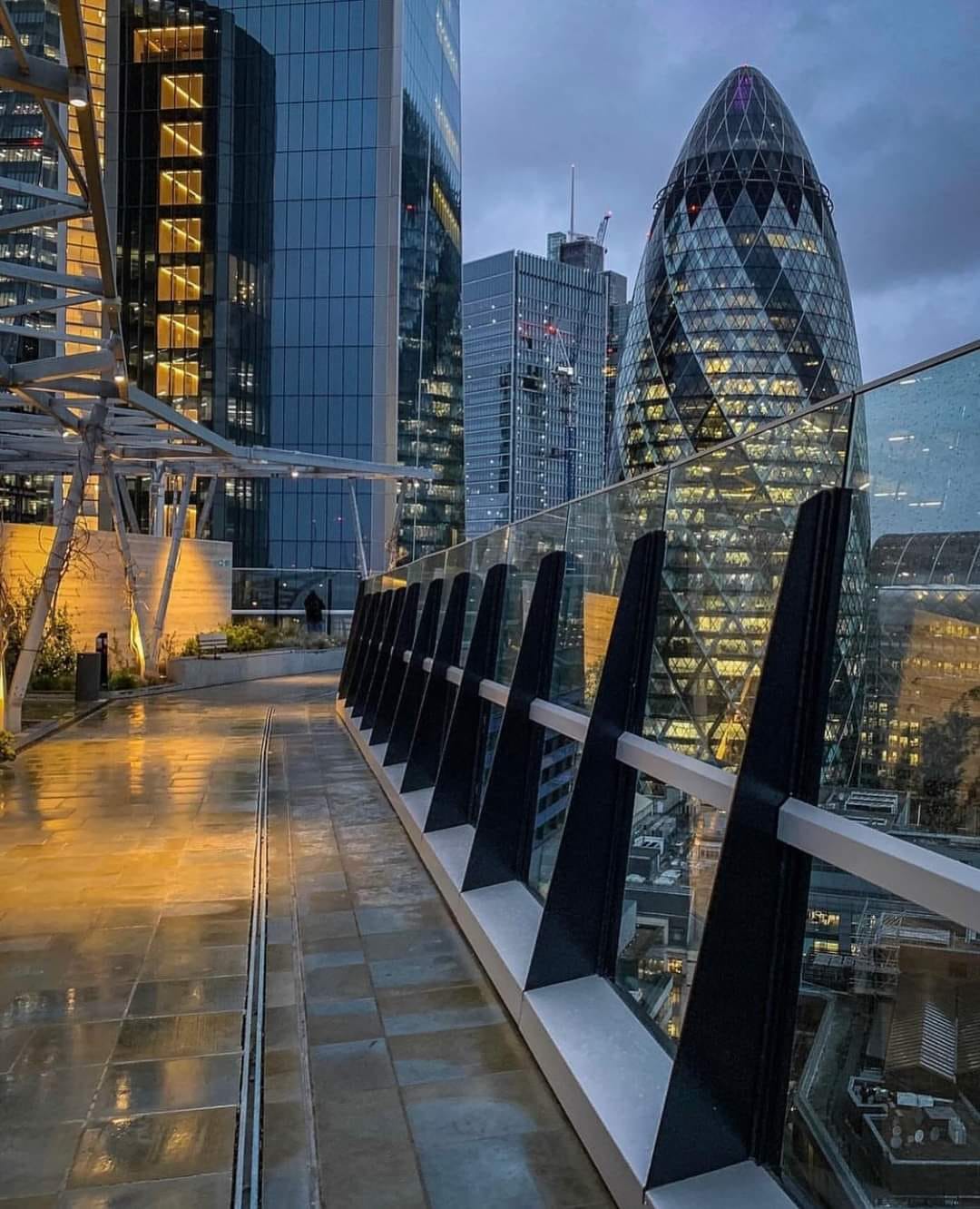
| MBCC “Doing Business with Mongolia seminar and Christmas Receptiom” Dec 10. 2025 London UK | MBCCI | London UK Goodman LLC |
NEWS
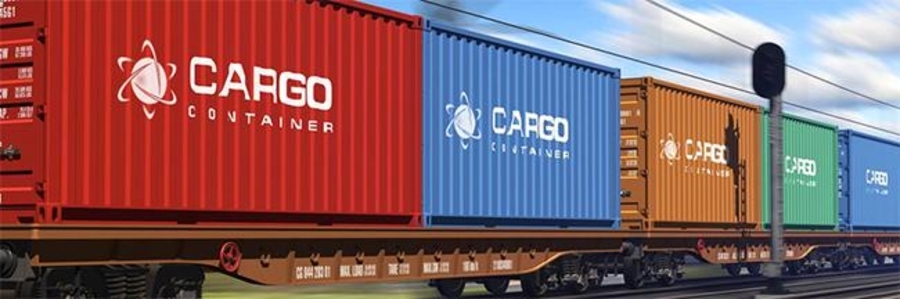
Revenue from railway transport increases by 15 percent www.montsame.mn
Ulaanbaatar /MONTSAME/. As of first 11 months of this year, 25.6 million tons of freight and duplicated number of 2.7 million passengers were carried by railroad transport. Compared with the same period of the previous year, the carried freight increased by 9.2 percent and number of carried passengers increased by 14.7 percent. Moreover, revenue from railway transport reached MNT 646.3 billion as of first 11 months of 2019 which shows the increase of 15.3 percent.
39.1 percent of carried freight by railway transport was domestic freight, 36.3 percent was exports, 10.6 percent was imports and 14 percent was transit, which means transit and export freights increased by 0.8 and 0.4 points respectively, whereas domestic and import freight decreased by 0.8 and 0.4 points from the same period of the previous year.
In the first 11 months of 2019, 83.2 percent of carried freight by railway transport was mining freight, 10 percent was construction materials, 1.3 percent was iron, 1.3 percent was agriculture product, 0.9 percent was food products, 0.6 percent was wood products, 0.1 percent was factory equipment and 2.5 percent was other products.
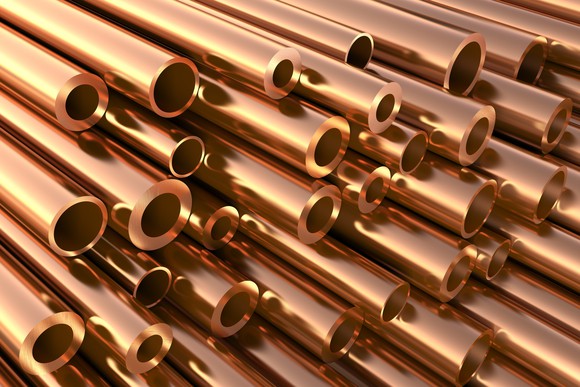
Copper export amounts to 1.29 tons in 11 months www.zgm.mn
As of November 2019, Mongolia exported a total of 1.29 million tons of copper concentrate at USD 1.67 billion, according to the National Statistical Office (NSO). Moreover, coal exports totaled 34.9 million tons in the first 11 months, which is 83 percent of the 2019 target of 42 million tons. This is a 1.4 percent decrease in terms of a physical quantity and 8.4 percent in monetary value year-on- year. Oyu Tolgoi previously reported that the concentration of copper and gold has decreased from the previous year. Exports of mineral products, textiles and textile articles, natural or cultured stones, precious metals jewelry made up 95.6 percent of total export. On the other hand, 68.5 percent of imports was mineral products, machinery, equipment, electric appliances, transport vehicle, and its spare parts and food products.
...
Inflation rises 5.2 percent yoy www.zgm.mn
In November 2019, the consumer price index (CPI) at the national level increased by 5.2 percent year-over-year and by 4.6 percent from the end of the previous year. However, CPI dropped by 0.4 percent from the previous month mainly due to decreases in prices for food and non-alcoholic beverages group by 2.2 percent. In the first nine months of 2019, the gross external debt of Mongolia reached USD 29.9 billion, increased by USD 2.0 billion or 7.3 percent compared to the same period of last year. During the period, general government debt reached MNT 22.7 trillion, increased by MNT 1.3 trillion or 5.9 percent yoy. In general government debt, foreign debt was MNT 19.3 trillion or 85.1 percent, domestic debt was MNT 1.4 trillion or 6.2 percent, government debt guarantee was MNT 1.1 trillion or 4.7 percent and concessions were MNT 0.9 billion or 4.0 percent. The money supply reached MNT 20.4 trillion at the end of November 2019, showing a decrease of MNT 24.2 billion from the previous month, while it was increased by MNT 1.8 trillion year-on-year. At the end of November 2019, the national currency in circulation reached MNT 860.2 billion, showing a decrease of MNT 13.7 billion from the previous month and by MNT 34.9 billion compared to the previous year. Thus, the amount of outstanding loans to entities, enterprises and citizens amounted to MNT 18.2 trillion, while it shows an increase of MNT 1.4 trillion from the same period of the previous year.
...
Banking on action: How ADB achieved 2020 climate finance milestone one year ahead of time www.montsame.mn
By ADB President Mr. Takehiko Nakao
As they extend their power grids, build more roads and bigger cities, and cultivate forestland, developing countries in Asia and the Pacific are increasingly contributing to the global climate change problem. Two of the top three emitters of greenhouse gases are developing countries in Asia—the People’s Republic of China and India. At the same time, five Asian developing countries are among the top 10 most climate-vulnerable countries in the world. Across the region, livelihoods and economic growth are increasingly exposed to climate change impacts and disaster risk. Clearly, Asia and the Pacific must play a strong role in efforts to address climate change.
As the region’s development bank, the Asian Development Bank (ADB) is committed to remaining the partner of choice for climate action by our developing member countries. In 2015, as world leaders gathered in New York to launch the Sustainable Development Goals, ADB made a bold announcement—a commitment to double our climate investment to $6 billion annually by the end of 2020.
Coinciding with the call for action at COP25, the United Nations’ Conference on Climate Change, ADB has proudly reached this achievement one year ahead of time. ADB’s climate-related financing for 2019 comprises $1.4 billion for financing adaptation and $4.8 billion for mitigating climate change.
The feat is the result of a singular focus to integrate climate actions into our entire operations. ADB has introduced climate risk screening of our project portfolio, undertaken diagnostics on the critical infrastructure at risk in the region, and introduced new financing instruments such as contingent disaster risk financing for financial resilience. ADB is strengthening its investments in renewable energy and energy efficiency, sustainable transport and urban development, and climate smart agriculture. This has been accompanied by actions to enhance the transparency of our climate operations by publicly disclosing project-level information of our climate portfolio and enhancing capacity and technical assistance for delivery. The spirit of One ADB has underpinned this achievement, with the collaboration of our sovereign and non-sovereign operations and knowledge departments steering us toward this target. One example of the many that illustrates this is the Pacific Renewable Energy Program, which is providing an innovative blend of loans, guarantees, and letters of credit to encourage private sector investments in renewable energy. ADB’s treasury department also contributed to the endeavor by issuing green bonds amounting to $5 billion as an added financing mechanism.
In addition to scaling up its own climate financing, ADB has been working on new and innovative co-financing opportunities with public and private partners. For example. ADB has mobilized concessional financing from the Green Climate Fund (GCF) for nine projects worth a total of $473 million in grants and concessional financing.
Building on the momentum of our climate finance milestone, ADB is pursuing new and ambitious targets on climate change for the coming decade in our Strategy 2030—cumulative climate financing of $80 billion from 2019-2030 and a commitment to make 75% of our projects climate-relevant by 2030. Furthermore, by steadily increasing shadow carbon price, which factors climate costs into our project economic analysis, ADB is reflecting the urgency of shifting to low carbon alternatives.
However, given the narrowing window for avoiding catastrophic climate change, mobilizing finance at the necessary speed and scale remains a huge challenge. The Nationally Determined Contributions of many countries have outlined the financing needed to achieve their climate ambitions under the Paris Agreement. According to one estimate, it is $4.4 trillion or $349 billion annually[1]. While there are no robust and comprehensive estimates available for the Asia and Pacific region, an assessment by ADB on Asia’s infrastructure needs found that $200 billion will be needed annually to address climate actions in energy, water, and transport[2].
Though national governments and development financing institutions should devote more of their financial resources, the bulk of climate financing will necessarily have to come from private investors. This highlights the need to deploy climate financing in a way that enables and mobilizes private sector finance. But the good news is there is a robust, and growing, body of evidence that the benefits of climate action already far outweigh the costs—representing a significant opportunity for the private sector. For example, the New Climate Economy Initiative, to which I have contributed as a Commissioner, has found that investment in low-carbon growth is associated with a cumulative economic gain of $26 trillion until 2030. Meanwhile, a recent report by the Global Commission on Adaptation found that investing $1.8 trillion globally from 2020 to 2030 in five key areas—early warning systems, climate-resilient infrastructure, improved dryland agriculture, mangrove protection, and more resilient water resources—could yield $7.1 trillion in net benefits.
The provision of finance is just one part of the climate change puzzle—high technology, policy support, and capacity development to build better institution are also critical. But by further scaling up collective actions on addressing climate change by national governments, development partners, and the private sector, we can greatly respond to the voices of younger generations and vulnerable populations across the world for bolder action that ensures our common future on a healthy planet.
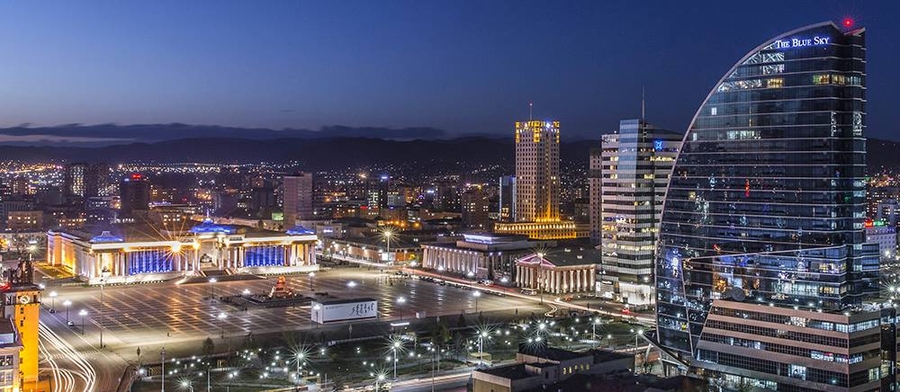
Budget revenue amounted to MNT9.7 trillion www.montsame.mn
Ulaanbaatar/MONTSAME/. In the first 11 months of 2019, total equilibrated revenue and grants of the General government budget amounted to MNT 9.7 trillion and total expenditure and net lending amounted to MNT 9.2 trillion, resulting a surplus of MNT 486.7 billion in the equilibrated balance.
In November 2019, equilibrated revenue and grants of the General government budget reached MNT 842.9 billion, decreased by MNT 252.0 billion or 23.0% from the previous month and total expenditure and net lending reached MNT 901.7 billion, decreased by MNT 132.5 billion or 12.8% from the previous month.
In the first 11 months of 2019, tax revenue reached MNT 8.8 trillion, increased by MNT 1.4 trillion or 19.0% compared with the same period of previous year. This growth was mainly affected by increases of MNT 422.2 billion or 22.5% in income tax, MNT 323.1 billion or 22.8% in social security revenue, MNT 260.9 billion or 13.3% in value added taxes, MNT 175.0 billion or 26.4% in other tax, MNT 102.2 billion or 14.8% in excise taxes and MNT 101.3 billion or 16.4% in revenue from foreign activities.
General Government budget revenue was comprised of 81.6% of tax revenue, 8.7% of non-tax revenue, 8.8% of the future heritage fund and 0.9% of the stabilization fund.
In the first 11 months of 2019, total expenditure and net lending of the General government budget reached MNT 9.2 trillion, increased by MNT 1.2 trillion or 15.6% compared with the same period of previous year. This increase was mainly due to MNT 755.3 billion or 11.7% increase in current expenditure and MNT 561.2 billion or 45.9% increase in capital expenditure.
General government budget expenditure and net lending was comprised 78.2% of current expenditure, 19.4% of capital expenditure and 2.4% of net lending.
Source: National Statistics Office
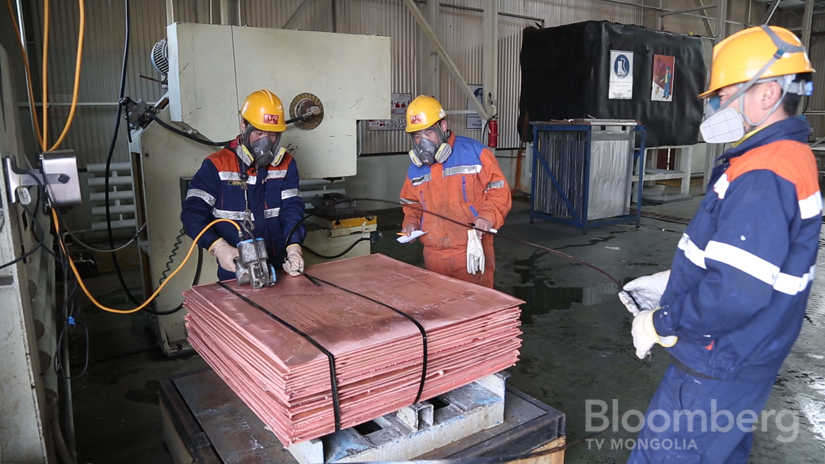
Sales of industrial production increase by MNT1.9 trillion in the first 11 months of 2019 www.montsame.mn
Ulaanbaatar/MONTSAME/. In the first 11 months of 2019, the gross industrial output reached MNT 16.0 trillion, showing an increase of MNT 1.8 trillion (12.8%) from the same period of previous year. This increase was mainly due to an increase of mining and quarrying gross output by MNT 1.4 trillion (13.3%), of which mining of coal increased by MNT 1.4 trillion (38.1%) and other mining and quarrying increased by MNT 15.3 billion (12.6%).
In November 2019, the gross industrial output reached MNT 1.5 trillion, it is decreased by MNT 102.8 billion (6.6%) compared to the previous month.
In November 2019, the seasonally adjusted industrial production index was 171.5 (2010=100), decreased by 2.9% from the same period of previous year and by 3.6% from the end of previous year, whereas, it is increased by 1.5% from the previous month. In the first 11 months of 2019, in mining sector, coal, crude oil, gravel, fluorspar and iron ore are increased by 7.9-37.4% compared to the same period of previous year. In manufacturing sector, production of vacuum windows and doors, cashmere products, buuz and dumpling, wooden window and door are increased by 0.1-86.0%.
On the other hand, in mining sector, extraction of zinc concentrate, copper concentrate, extraction of molybdenum concentrate and gold are decreased by 2.3-22.9%. In manufacturing sector, productions of beer, sausage products, wooden products, alcoholic beverage, horse meat, copper cathode, fodder and combed cashmere are decreased by 0.5-34.5% compared to the same period of previous year.
In the first 11 months of 2019, the sales of industrial production reached MNT 18.4 trillion, increased by MNT 1.9 trillion (11.7%) from the same period of previous year. From the total sales of industrial production, MNT 12.5 trillion (68.1%) were export.
Source: National Statistics Office
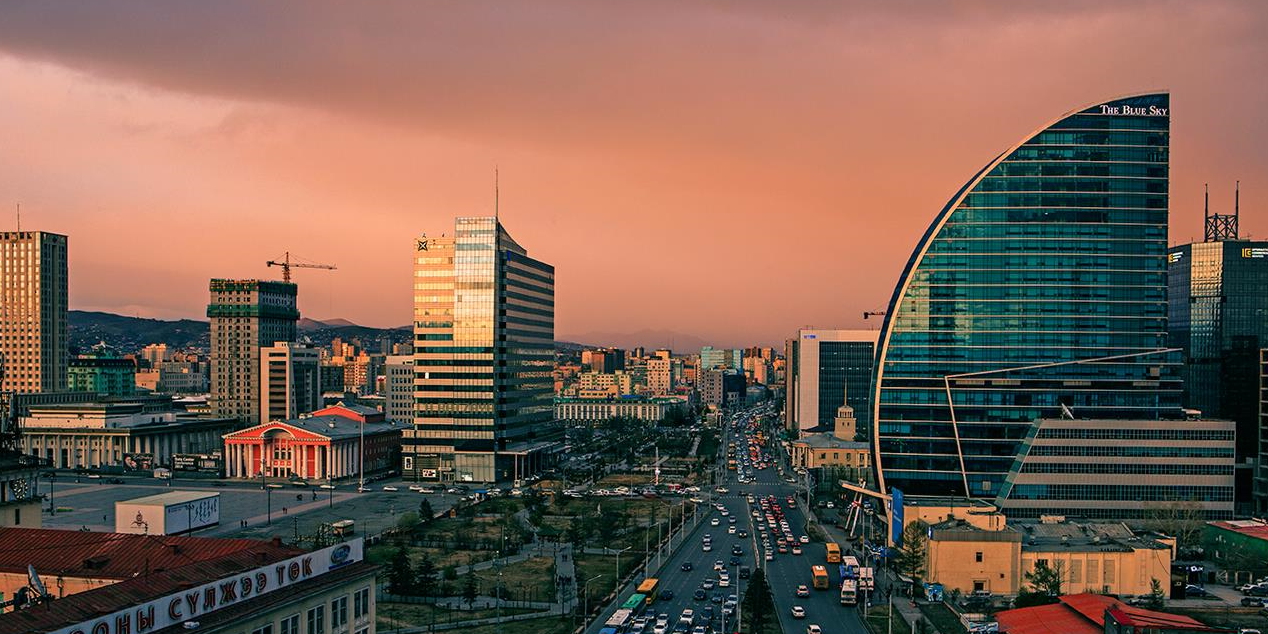
Monthly air quality statistics released www.montsame.mn
Ulaanbaatar /MONTSAME/. The National Statistics Office of Mongolia released a monthly report on the social and economic situation of Mongolia as of November 2019.
The report says, in November 2019 in Ulaanbaatar, average daily concentrations of the sulfur dioxide and nitrogen dioxide in the air were increased by 0.028 mg / m3 or 82.5 percent and 0.007 mg / m3 or 15.9 percent compared with the same period of previous year, respectively.
An average daily concentrations of the PM10 particles and PM2.5 particles in the air were decreased by 0.084 mg/ m3 or 41.0 percent and 0.048 mg/ m3 or 43.9 percent compared with the same period of previous year, respectively.
Moreover, according to the air quality measurement stations in Ulaanbaatar city, cases exceeded the acceptable level in air quality standard of air pollution concentration in Ulaanbaatar were the most in the 1st micro-district, West Crossroad, Khailaast, Bayankhoshuu areas.
The National Statistics Office of Mongolia
Rio Tinto scores big win in Mongolia www.mining.com
The world’s second largest miner Rio Tinto (ASX, LON, NYSE: RIO) has scored a major win in Mongolia after the country’s parliament unanimously approved a resolution that reconfirms the validity of all the Oyu Tolgoi mine-related agreements approved since 2009.
The legislators’ resolution brings an 18-month review on the deals governing the copper-gold mine to a close, allowing the company to continue with an ongoing $7 billion expansion of the operation.
The news is something of a relief for Rio Tinto, which feared the government might try to completely renegotiate the agreements on the asset’s development — a 2009 investment agreement, a 2011 amended and restated shareholder agreement and a 2015 underground mine development and financing plan.
The resolution, however, recommends to explore options to improve the deal, including looking at the Mongolian government’s equity share in Oyu Tolgoi, a re-definition of the reserve report and updated feasibility report, and a renewal of environmental and water assessments.
“Adherence to these agreements by all parties has underpinned a total in-country spend of around $10 billion since 2010,” Rio Tinto’s chief executive copper and diamonds, Arnaud Soirat, said in the statement.
Soirat acknowledged there was still “a lot of work to do” to ensure Oyu Tolgoi reaches its full potential.
Oyu Tolgoi was discovered in 2001 and Rio gained control of it in 2012. The ongoing mine expansion is expected to lift production from 125–150kt this year to 560kt at full tilt from 2025, making it the biggest new copper mine to come on stream in several years.
The giant operation is one-third owned by Mongolia’s government and two-third held by Canada’s Turquoise Hill Resources (TSX, NYSE:TRQ). Out of Turquoise’s 66% share, Rio owns 51%.

WHO donates flu drug to Mongolia www.xinhuanet.com
The World Health Organization (WHO) donated more than 5,000 doses of flu drug Oseltamivir to Mongolia on Thursday.
Sergey Diorditsa, representative of the WHO in the country, handed over the antiviral medication worth 25,000 U.S. dollars to Davaajantsan Sarangerel, Mongolian minister of health.
"Influenza, an infectious disease of the respiratory system, represents a major burden for public health. The medication donated by the WHO will be given to children, pregnant women and seniors in public hospitals in the capital city," Sarangerel told reporters.
Prevalence of influenza and other respiratory diseases is now relatively low in the Mongolian capital thanks to the implementation of some preventive measures of flu and the reduction of air pollution in Ulan Bator, she said.
The drug was distributed to several public hospitals in the Mongolian capital.
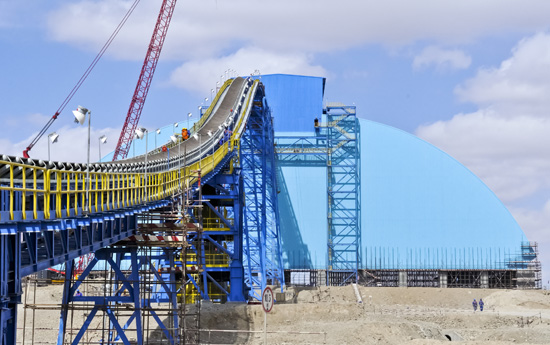
Turquoise Hill: While Mongolia Wants More Money Now, The Decrease Of Uncertainty Pushes The Stock Up www.seekingalpha.com
Summary
- Mongolian parliament approves the resolution regarding the current investment agreements for Oyu Tolgoi.
- The country wants either a product sharing agreement or a royalty.
- Shares react positively, getting an additional boost from rising copper prices. The short-term upside price momentum looks interesting.
In my recent article on Turquoise Hill (TRQ), I wrote that the most likely pattern for Turquoise Hill shares was to trade at a $0.40-0.50 range until the end of this year amidst uncertainty regarding the potential new terms of the investment agreement for Oyu Tolgoi. This prediction did not work out well, since the stock broke out of the trading range on higher trading volume and is trending higher:
From a technical point of view, that’s a major breakout that no momentum trader will miss. But what’s on the fundamental side of the story?
The Mongolian parliament has just approved the resolution that instructs the government to look at the ways to improve the implementation of the investment agreements, the underground mine plan development and the financing plan of the mine. In the press release to which I linked above, Rio Tinto (RIO) stated the following:
Rio Tinto acknowledges the Mongolian parliament’s resolution and notes that this effectively confirms the validity of all Oyu Tolgoi investment agreements […] There is a lot of work to do to ensure Oyu Tolgoi reaches its full potential, and we remain committed to exploring ways to deliver even greater benefits from Oyu Tolgoi to all shareholders.”
Turquoise Hill went into more depth in its press release, outlining the measures included in the resolution: 1) comprehensive measures to improve the implementation of investment agreements; 2) improvement of the mine development and financing plan and 3) decision to “explore and resolve options to have a product sharing arrangement or swap Mongolia’s equity holding of 34% for a special royalty.”
Here are the key practical conclusions as I see them:
Certainty is almost always better than uncertainty for the market. The Oyu Tolgoi story is somewhat similar to Freeport-McMoRan’s (FCX) Grasberg mine, which also struggled from the growing appetite of the Indonesian government. The removal of Indonesian uncertainty was certainly a positive catalyst for Freeport. While Oyu Tolgoi does not have this level of certainty yet (Grasberg ultimately got a final (hopefully) deal), the fact that the resolution did not contain anything truly critical for business is surely a positive catalyst for Turquoise Hill.
It’s still too early to talk about how a product sharing agreement or a swap of current Mongolia’s stake for a special royalty might look like. For reference, Freeport’s deal for Grasberg included a 25% corporate income tax rate, a 10% profits tax rate, 4% royalties for copper and 3.75% royalties for gold.
I believe that the royalty scenario will be strategically better for Turquoise Hill compared to the product sharing arrangement. Once Mongolia swaps its current stake in the project for a pre-defined royalty, it will be easier for Turquoise Hill and Rio Tinto to defend against any additional claims from future governments (the current trend in this space is unfavorable for international mining companies, and there’s no reason to believe that this negative trend will stop in the coming years).
We currently see a relief rally in Turquoise Hill shares. In such situations, fears of the worst outcome are always somewhere in the background even if no one voices them publicly – such fears are removed for now. Also, we should not forget about recent copper price upside which could have provided some additional support to building momentum trade in the company’s stock. At this point, the short-term trend has certainly changed to the upside.
There are still many variables in the Oyu Tolgoi story: the exact changes to the investment agreement are yet to be determined, while the new operating and financing plans for the mine will be known only in 2020. Therefore, the stock comes with a material headline risk which can bring both major upside and downside.
At this point, it looks like the news from Mongolia and copper price upside created a short-term setup for upside in Turquoise Hill shares. Fundamentally, the story remains promising (as always) but risky, so size your positions accordingly and manage your risks properly if you want to join the momentum trade.
By:Vladimir Zernov
...- «
- 1
- 2
- 3
- 4
- 5
- 6
- 7
- 8
- 9
- 10
- 11
- 12
- 13
- 14
- 15
- 16
- 17
- 18
- 19
- 20
- 21
- 22
- 23
- 24
- 25
- 26
- 27
- 28
- 29
- 30
- 31
- 32
- 33
- 34
- 35
- 36
- 37
- 38
- 39
- 40
- 41
- 42
- 43
- 44
- 45
- 46
- 47
- 48
- 49
- 50
- 51
- 52
- 53
- 54
- 55
- 56
- 57
- 58
- 59
- 60
- 61
- 62
- 63
- 64
- 65
- 66
- 67
- 68
- 69
- 70
- 71
- 72
- 73
- 74
- 75
- 76
- 77
- 78
- 79
- 80
- 81
- 82
- 83
- 84
- 85
- 86
- 87
- 88
- 89
- 90
- 91
- 92
- 93
- 94
- 95
- 96
- 97
- 98
- 99
- 100
- 101
- 102
- 103
- 104
- 105
- 106
- 107
- 108
- 109
- 110
- 111
- 112
- 113
- 114
- 115
- 116
- 117
- 118
- 119
- 120
- 121
- 122
- 123
- 124
- 125
- 126
- 127
- 128
- 129
- 130
- 131
- 132
- 133
- 134
- 135
- 136
- 137
- 138
- 139
- 140
- 141
- 142
- 143
- 144
- 145
- 146
- 147
- 148
- 149
- 150
- 151
- 152
- 153
- 154
- 155
- 156
- 157
- 158
- 159
- 160
- 161
- 162
- 163
- 164
- 165
- 166
- 167
- 168
- 169
- 170
- 171
- 172
- 173
- 174
- 175
- 176
- 177
- 178
- 179
- 180
- 181
- 182
- 183
- 184
- 185
- 186
- 187
- 188
- 189
- 190
- 191
- 192
- 193
- 194
- 195
- 196
- 197
- 198
- 199
- 200
- 201
- 202
- 203
- 204
- 205
- 206
- 207
- 208
- 209
- 210
- 211
- 212
- 213
- 214
- 215
- 216
- 217
- 218
- 219
- 220
- 221
- 222
- 223
- 224
- 225
- 226
- 227
- 228
- 229
- 230
- 231
- 232
- 233
- 234
- 235
- 236
- 237
- 238
- 239
- 240
- 241
- 242
- 243
- 244
- 245
- 246
- 247
- 248
- 249
- 250
- 251
- 252
- 253
- 254
- 255
- 256
- 257
- 258
- 259
- 260
- 261
- 262
- 263
- 264
- 265
- 266
- 267
- 268
- 269
- 270
- 271
- 272
- 273
- 274
- 275
- 276
- 277
- 278
- 279
- 280
- 281
- 282
- 283
- 284
- 285
- 286
- 287
- 288
- 289
- 290
- 291
- 292
- 293
- 294
- 295
- 296
- 297
- 298
- 299
- 300
- 301
- 302
- 303
- 304
- 305
- 306
- 307
- 308
- 309
- 310
- 311
- 312
- 313
- 314
- 315
- 316
- 317
- 318
- 319
- 320
- 321
- 322
- 323
- 324
- 325
- 326
- 327
- 328
- 329
- 330
- 331
- 332
- 333
- 334
- 335
- 336
- 337
- 338
- 339
- 340
- 341
- 342
- 343
- 344
- 345
- 346
- 347
- 348
- 349
- 350
- 351
- 352
- 353
- 354
- 355
- 356
- 357
- 358
- 359
- 360
- 361
- 362
- 363
- 364
- 365
- 366
- 367
- 368
- 369
- 370
- 371
- 372
- 373
- 374
- 375
- 376
- 377
- 378
- 379
- 380
- 381
- 382
- 383
- 384
- 385
- 386
- 387
- 388
- 389
- 390
- 391
- 392
- 393
- 394
- 395
- 396
- 397
- 398
- 399
- 400
- 401
- 402
- 403
- 404
- 405
- 406
- 407
- 408
- 409
- 410
- 411
- 412
- 413
- 414
- 415
- 416
- 417
- 418
- 419
- 420
- 421
- 422
- 423
- 424
- 425
- 426
- 427
- 428
- 429
- 430
- 431
- 432
- 433
- 434
- 435
- 436
- 437
- 438
- 439
- 440
- 441
- 442
- 443
- 444
- 445
- 446
- 447
- 448
- 449
- 450
- 451
- 452
- 453
- 454
- 455
- 456
- 457
- 458
- 459
- 460
- 461
- 462
- 463
- 464
- 465
- 466
- 467
- 468
- 469
- 470
- 471
- 472
- 473
- 474
- 475
- 476
- 477
- 478
- 479
- 480
- 481
- 482
- 483
- 484
- 485
- 486
- 487
- 488
- 489
- 490
- 491
- 492
- 493
- 494
- 495
- 496
- 497
- 498
- 499
- 500
- 501
- 502
- 503
- 504
- 505
- 506
- 507
- 508
- 509
- 510
- 511
- 512
- 513
- 514
- 515
- 516
- 517
- 518
- 519
- 520
- 521
- 522
- 523
- 524
- 525
- 526
- 527
- 528
- 529
- 530
- 531
- 532
- 533
- 534
- 535
- 536
- 537
- 538
- 539
- 540
- 541
- 542
- 543
- 544
- 545
- 546
- 547
- 548
- 549
- 550
- 551
- 552
- 553
- 554
- 555
- 556
- 557
- 558
- 559
- 560
- 561
- 562
- 563
- 564
- 565
- 566
- 567
- 568
- 569
- 570
- 571
- 572
- 573
- 574
- 575
- 576
- 577
- 578
- 579
- 580
- 581
- 582
- 583
- 584
- 585
- 586
- 587
- 588
- 589
- 590
- 591
- 592
- 593
- 594
- 595
- 596
- 597
- 598
- 599
- 600
- 601
- 602
- 603
- 604
- 605
- 606
- 607
- 608
- 609
- 610
- 611
- 612
- 613
- 614
- 615
- 616
- 617
- 618
- 619
- 620
- 621
- 622
- 623
- 624
- 625
- 626
- 627
- 628
- 629
- 630
- 631
- 632
- 633
- 634
- 635
- 636
- 637
- 638
- 639
- 640
- 641
- 642
- 643
- 644
- 645
- 646
- 647
- 648
- 649
- 650
- 651
- 652
- 653
- 654
- 655
- 656
- 657
- 658
- 659
- 660
- 661
- 662
- 663
- 664
- 665
- 666
- 667
- 668
- 669
- 670
- 671
- 672
- 673
- 674
- 675
- 676
- 677
- 678
- 679
- 680
- 681
- 682
- 683
- 684
- 685
- 686
- 687
- 688
- 689
- 690
- 691
- 692
- 693
- 694
- 695
- 696
- 697
- 698
- 699
- 700
- 701
- 702
- 703
- 704
- 705
- 706
- 707
- 708
- 709
- 710
- 711
- 712
- 713
- 714
- 715
- 716
- 717
- 718
- 719
- 720
- 721
- 722
- 723
- 724
- 725
- 726
- 727
- 728
- 729
- 730
- 731
- 732
- 733
- 734
- 735
- 736
- 737
- 738
- 739
- 740
- 741
- 742
- 743
- 744
- 745
- 746
- 747
- 748
- 749
- 750
- 751
- 752
- 753
- 754
- 755
- 756
- 757
- 758
- 759
- 760
- 761
- 762
- 763
- 764
- 765
- 766
- 767
- 768
- 769
- 770
- 771
- 772
- 773
- 774
- 775
- 776
- 777
- 778
- 779
- 780
- 781
- 782
- 783
- 784
- 785
- 786
- 787
- 788
- 789
- 790
- 791
- 792
- 793
- 794
- 795
- 796
- 797
- 798
- 799
- 800
- 801
- 802
- 803
- 804
- 805
- 806
- 807
- 808
- 809
- 810
- 811
- 812
- 813
- 814
- 815
- 816
- 817
- 818
- 819
- 820
- 821
- 822
- 823
- 824
- 825
- 826
- 827
- 828
- 829
- 830
- 831
- 832
- 833
- 834
- 835
- 836
- 837
- 838
- 839
- 840
- 841
- 842
- 843
- 844
- 845
- 846
- 847
- 848
- 849
- 850
- 851
- 852
- 853
- 854
- 855
- 856
- 857
- 858
- 859
- 860
- 861
- 862
- 863
- 864
- 865
- 866
- 867
- 868
- 869
- 870
- 871
- 872
- 873
- 874
- 875
- 876
- 877
- 878
- 879
- 880
- 881
- 882
- 883
- 884
- 885
- 886
- 887
- 888
- 889
- 890
- 891
- 892
- 893
- 894
- 895
- 896
- 897
- 898
- 899
- 900
- 901
- 902
- 903
- 904
- 905
- 906
- 907
- 908
- 909
- 910
- 911
- 912
- 913
- 914
- 915
- 916
- 917
- 918
- 919
- 920
- 921
- 922
- 923
- 924
- 925
- 926
- 927
- 928
- 929
- 930
- 931
- 932
- 933
- 934
- 935
- 936
- 937
- 938
- 939
- 940
- 941
- 942
- 943
- 944
- 945
- 946
- 947
- 948
- 949
- 950
- 951
- 952
- 953
- 954
- 955
- 956
- 957
- 958
- 959
- 960
- 961
- 962
- 963
- 964
- 965
- 966
- 967
- 968
- 969
- 970
- 971
- 972
- 973
- 974
- 975
- 976
- 977
- 978
- 979
- 980
- 981
- 982
- 983
- 984
- 985
- 986
- 987
- 988
- 989
- 990
- 991
- 992
- 993
- 994
- 995
- 996
- 997
- 998
- 999
- 1000
- 1001
- 1002
- 1003
- 1004
- 1005
- 1006
- 1007
- 1008
- 1009
- 1010
- 1011
- 1012
- 1013
- 1014
- 1015
- 1016
- 1017
- 1018
- 1019
- 1020
- 1021
- 1022
- 1023
- 1024
- 1025
- 1026
- 1027
- 1028
- 1029
- 1030
- 1031
- 1032
- 1033
- 1034
- 1035
- 1036
- 1037
- 1038
- 1039
- 1040
- 1041
- 1042
- 1043
- 1044
- 1045
- 1046
- 1047
- 1048
- 1049
- 1050
- 1051
- 1052
- 1053
- 1054
- 1055
- 1056
- 1057
- 1058
- 1059
- 1060
- 1061
- 1062
- 1063
- 1064
- 1065
- 1066
- 1067
- 1068
- 1069
- 1070
- 1071
- 1072
- 1073
- 1074
- 1075
- 1076
- 1077
- 1078
- 1079
- 1080
- 1081
- 1082
- 1083
- 1084
- 1085
- 1086
- 1087
- 1088
- 1089
- 1090
- 1091
- 1092
- 1093
- 1094
- 1095
- 1096
- 1097
- 1098
- 1099
- 1100
- 1101
- 1102
- 1103
- 1104
- 1105
- 1106
- 1107
- 1108
- 1109
- 1110
- 1111
- 1112
- 1113
- 1114
- 1115
- 1116
- 1117
- 1118
- 1119
- 1120
- 1121
- 1122
- 1123
- 1124
- 1125
- 1126
- 1127
- 1128
- 1129
- 1130
- 1131
- 1132
- 1133
- 1134
- 1135
- 1136
- 1137
- 1138
- 1139
- 1140
- 1141
- 1142
- 1143
- 1144
- 1145
- 1146
- 1147
- 1148
- 1149
- 1150
- 1151
- 1152
- 1153
- 1154
- 1155
- 1156
- 1157
- 1158
- 1159
- 1160
- 1161
- 1162
- 1163
- 1164
- 1165
- 1166
- 1167
- 1168
- 1169
- 1170
- 1171
- 1172
- 1173
- 1174
- 1175
- 1176
- 1177
- 1178
- 1179
- 1180
- 1181
- 1182
- 1183
- 1184
- 1185
- 1186
- 1187
- 1188
- 1189
- 1190
- 1191
- 1192
- 1193
- 1194
- 1195
- 1196
- 1197
- 1198
- 1199
- 1200
- 1201
- 1202
- 1203
- 1204
- 1205
- 1206
- 1207
- 1208
- 1209
- 1210
- 1211
- 1212
- 1213
- 1214
- 1215
- 1216
- 1217
- 1218
- 1219
- 1220
- 1221
- 1222
- 1223
- 1224
- 1225
- 1226
- 1227
- 1228
- 1229
- 1230
- 1231
- 1232
- 1233
- 1234
- 1235
- 1236
- 1237
- 1238
- 1239
- 1240
- 1241
- 1242
- 1243
- 1244
- 1245
- 1246
- 1247
- 1248
- 1249
- 1250
- 1251
- 1252
- 1253
- 1254
- 1255
- 1256
- 1257
- 1258
- 1259
- 1260
- 1261
- 1262
- 1263
- 1264
- 1265
- 1266
- 1267
- 1268
- 1269
- 1270
- 1271
- 1272
- 1273
- 1274
- 1275
- 1276
- 1277
- 1278
- 1279
- 1280
- 1281
- 1282
- 1283
- 1284
- 1285
- 1286
- 1287
- 1288
- 1289
- 1290
- 1291
- 1292
- 1293
- 1294
- 1295
- 1296
- 1297
- 1298
- 1299
- 1300
- 1301
- 1302
- 1303
- 1304
- 1305
- 1306
- 1307
- 1308
- 1309
- 1310
- 1311
- 1312
- 1313
- 1314
- 1315
- 1316
- 1317
- 1318
- 1319
- 1320
- 1321
- 1322
- 1323
- 1324
- 1325
- 1326
- 1327
- 1328
- 1329
- 1330
- 1331
- 1332
- 1333
- 1334
- 1335
- 1336
- 1337
- 1338
- 1339
- 1340
- 1341
- 1342
- 1343
- 1344
- 1345
- 1346
- 1347
- 1348
- 1349
- 1350
- 1351
- 1352
- 1353
- 1354
- 1355
- 1356
- 1357
- 1358
- 1359
- 1360
- 1361
- 1362
- 1363
- 1364
- 1365
- 1366
- 1367
- 1368
- 1369
- 1370
- 1371
- 1372
- 1373
- 1374
- 1375
- 1376
- 1377
- 1378
- 1379
- 1380
- 1381
- 1382
- 1383
- 1384
- 1385
- 1386
- 1387
- 1388
- 1389
- 1390
- 1391
- 1392
- 1393
- 1394
- 1395
- 1396
- 1397
- 1398
- 1399
- 1400
- 1401
- 1402
- 1403
- 1404
- 1405
- 1406
- 1407
- 1408
- 1409
- 1410
- 1411
- 1412
- 1413
- 1414
- 1415
- 1416
- 1417
- 1418
- 1419
- 1420
- 1421
- 1422
- 1423
- 1424
- 1425
- 1426
- 1427
- 1428
- 1429
- 1430
- 1431
- 1432
- 1433
- 1434
- 1435
- 1436
- 1437
- 1438
- 1439
- 1440
- 1441
- 1442
- 1443
- 1444
- 1445
- 1446
- 1447
- 1448
- 1449
- 1450
- 1451
- 1452
- 1453
- 1454
- 1455
- 1456
- 1457
- 1458
- 1459
- 1460
- 1461
- 1462
- 1463
- 1464
- 1465
- 1466
- 1467
- 1468
- 1469
- 1470
- 1471
- 1472
- 1473
- 1474
- 1475
- 1476
- 1477
- 1478
- 1479
- 1480
- 1481
- 1482
- 1483
- 1484
- 1485
- 1486
- 1487
- 1488
- 1489
- 1490
- 1491
- 1492
- 1493
- 1494
- 1495
- 1496
- 1497
- 1498
- 1499
- 1500
- 1501
- 1502
- 1503
- 1504
- 1505
- 1506
- 1507
- 1508
- 1509
- 1510
- 1511
- 1512
- 1513
- 1514
- 1515
- 1516
- 1517
- 1518
- 1519
- 1520
- 1521
- 1522
- 1523
- 1524
- 1525
- 1526
- 1527
- 1528
- 1529
- 1530
- 1531
- 1532
- 1533
- 1534
- 1535
- 1536
- 1537
- 1538
- 1539
- 1540
- 1541
- 1542
- 1543
- 1544
- 1545
- 1546
- 1547
- 1548
- 1549
- 1550
- 1551
- 1552
- 1553
- 1554
- 1555
- 1556
- 1557
- 1558
- 1559
- 1560
- 1561
- 1562
- 1563
- 1564
- 1565
- 1566
- 1567
- 1568
- 1569
- 1570
- 1571
- 1572
- 1573
- 1574
- 1575
- 1576
- 1577
- 1578
- 1579
- 1580
- 1581
- 1582
- 1583
- 1584
- 1585
- 1586
- 1587
- 1588
- 1589
- 1590
- 1591
- 1592
- 1593
- 1594
- 1595
- 1596
- 1597
- 1598
- 1599
- 1600
- 1601
- 1602
- 1603
- 1604
- 1605
- 1606
- 1607
- 1608
- 1609
- 1610
- 1611
- 1612
- 1613
- 1614
- 1615
- 1616
- 1617
- 1618
- 1619
- 1620
- 1621
- 1622
- 1623
- 1624
- 1625
- 1626
- 1627
- 1628
- 1629
- 1630
- 1631
- 1632
- 1633
- 1634
- 1635
- 1636
- 1637
- 1638
- 1639
- 1640
- 1641
- 1642
- 1643
- 1644
- 1645
- 1646
- 1647
- 1648
- 1649
- 1650
- 1651
- 1652
- 1653
- 1654
- 1655
- 1656
- 1657
- 1658
- 1659
- 1660
- 1661
- 1662
- 1663
- 1664
- 1665
- 1666
- 1667
- 1668
- 1669
- 1670
- 1671
- 1672
- 1673
- 1674
- 1675
- 1676
- 1677
- 1678
- 1679
- 1680
- 1681
- 1682
- 1683
- 1684
- 1685
- 1686
- 1687
- 1688
- 1689
- 1690
- 1691
- 1692
- 1693
- 1694
- 1695
- 1696
- 1697
- 1698
- 1699
- 1700
- 1701
- 1702
- 1703
- 1704
- 1705
- 1706
- 1707
- 1708
- 1709
- 1710
- 1711
- 1712
- 1713
- 1714
- 1715
- 1716
- 1717
- 1718
- 1719
- 1720
- 1721
- 1722
- 1723
- 1724
- 1725
- 1726
- 1727
- 1728
- 1729
- 1730
- 1731
- 1732
- 1733
- 1734
- 1735
- 1736
- 1737
- 1738
- 1739
- 1740
- 1741
- 1742
- 1743
- 1744
- 1745
- 1746
- 1747
- 1748
- 1749
- 1750
- 1751
- 1752
- 1753
- 1754
- 1755
- 1756
- 1757
- 1758
- 1759
- 1760
- 1761
- 1762
- 1763
- 1764
- 1765
- 1766
- 1767
- 1768
- 1769
- 1770
- 1771
- 1772
- 1773
- 1774
- 1775
- 1776
- 1777
- 1778
- 1779
- 1780
- 1781
- 1782
- 1783
- 1784
- 1785
- 1786
- 1787
- 1788
- 1789
- 1790
- 1791
- 1792
- 1793
- 1794
- 1795
- 1796
- 1797
- 1798
- 1799
- 1800
- 1801
- 1802
- 1803
- 1804
- 1805
- 1806
- 1807
- 1808
- 1809
- 1810
- 1811
- 1812
- 1813
- 1814
- 1815
- 1816
- 1817
- 1818
- 1819
- 1820
- 1821
- »


