
Category
- Agriculture
- Automobiles and Machinery
- Bank, non banking financing, investment
- Blasting
- Construction
- Consumables
- Education
- Energy
- Engineer , Architecture and Geodesy
- Finance, Audit,Accounting and Brokerage
- Food
- Foreign Trade
- Geology Exploration
- Health
- Information Technology
- Insurance
- Labor Safety
- Legal and Business consulting
- Lighting
- Mining equipment
- Mining Services
- Other product and service
- Road
- Sewing and textile products
- Transportations
- Travel
Events
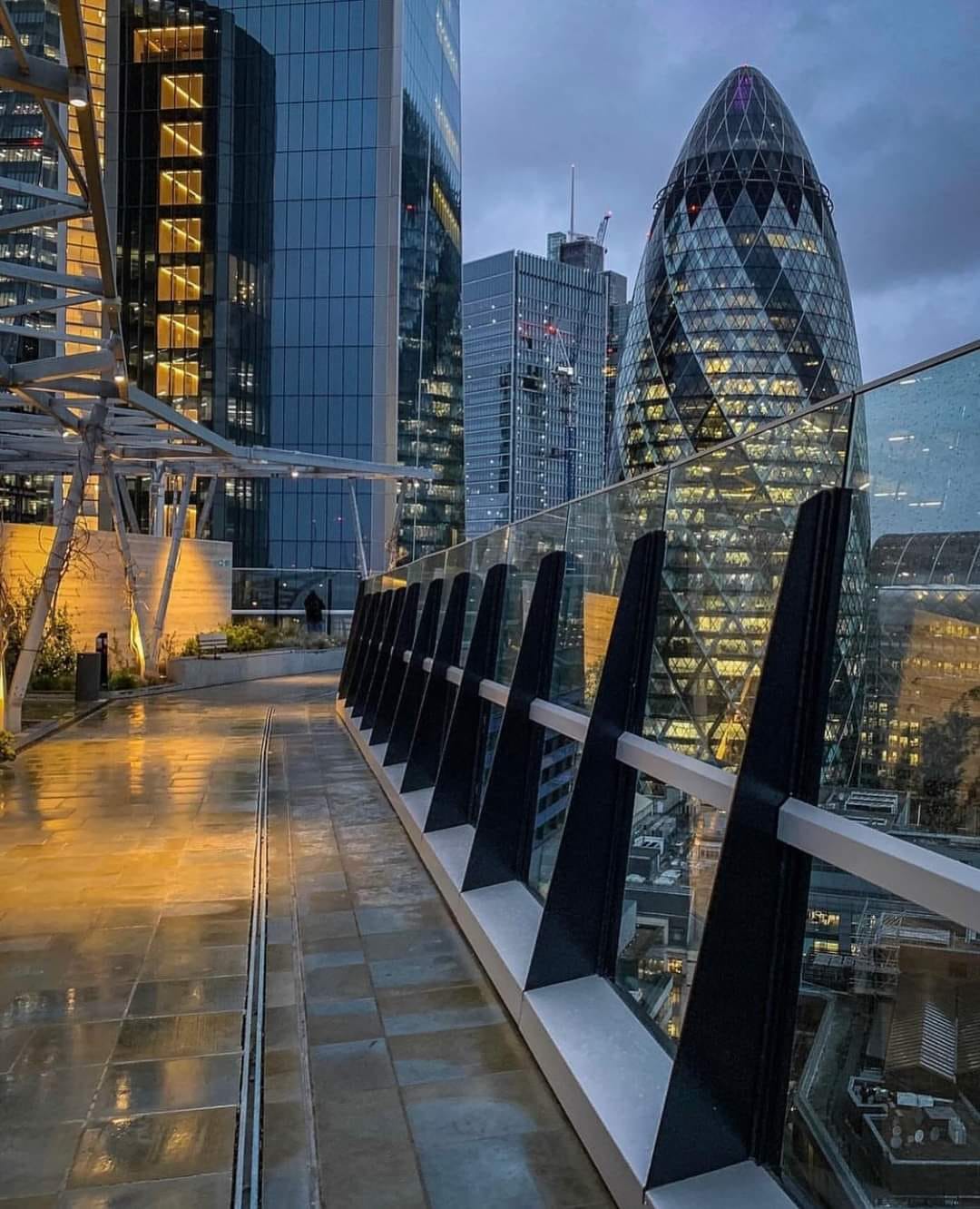

Events
| Name | organizer | Where |
|---|---|---|
| MBCC “Doing Business with Mongolia seminar and Christmas Receptiom” Dec 10. 2025 London UK | MBCCI | London UK Goodman LLC |
NEWS
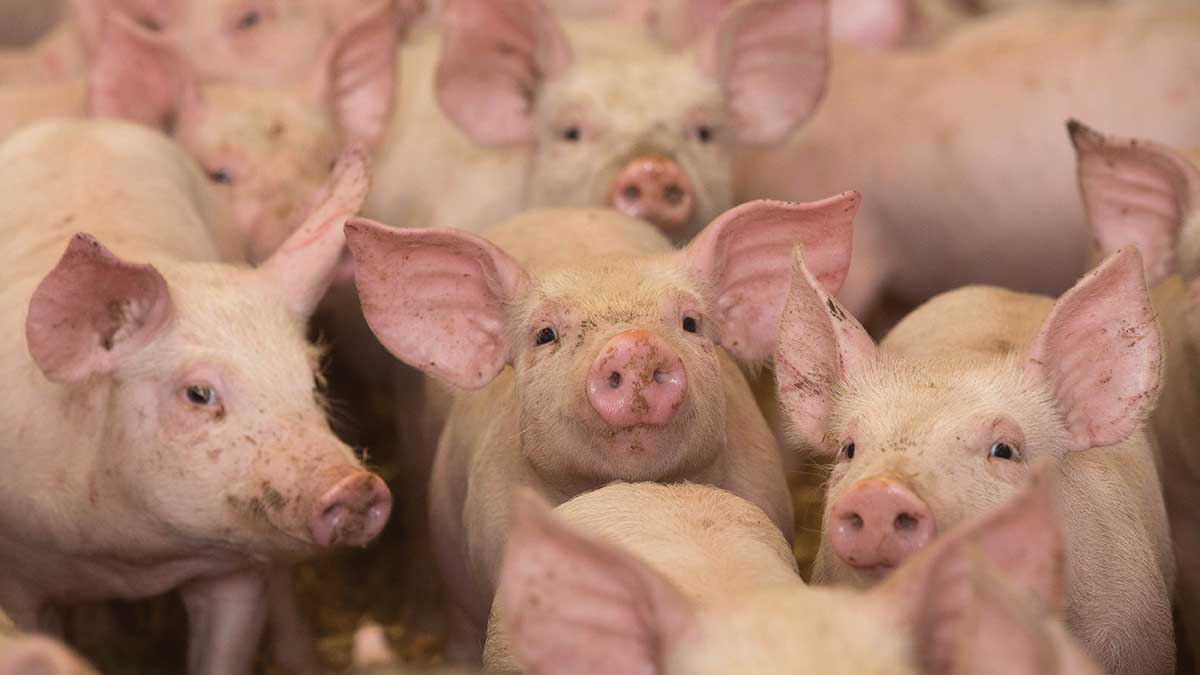
Chinese domestic meat supply enough for rest of 2019 www.chinadaily.com.cn
Pork prices to continue rising in latter half of year as swine fever woes persist
The supply of meat can satisfy domestic demand in the latter half of the year as the decrease in pork production continues due to African swine fever outbreaks, the Ministry of Agriculture and Rural Affairs said on Wednesday.
Tang Ke, chief of the market and economic information department at the ministry, said at a news conference that pork prices in China have kept rising since March, and at an accelerated pace recently.
The average wholesale price of pork-the most commonly consumed meat in China-reached 21.6 yuan a kilogram ($3.10) in June, an increase of 4.7 percent compared with that in May and a rise of nearly 30 percent compared with June last year, he said.
Prices of pork will continue rising in the latter half of the year as the effect of African swine fever on the industry becomes more prominent, Tang said.
More than 140 African swine fever outbreaks have been reported in China since the first outbreak in the country was reported in Liaoning province in August. The outbreaks have resulted in the slaughter of 1.2 million hogs for prevention and control, the ministry said earlier, adding that the frequency of the outbreaks has reduced greatly this year. The illness is deadly to pigs but there has been no report that the virus could affect humans, according to the ministry.
Xin Guochang, an information monitoring official at the ministry, said despite the overall transparency of information being disclosed regarding the outbreaks, it cannot be ruled out that some farmers deliberately concealed outbreaks from authorities for various reasons.
Tang said that due to the outbreaks, the stock of female pigs for reproduction in 400 counties under its monitoring decreased by nearly 6 percent in October year-on-year, higher than the warning line of 5 percent, and the decline has been accelerating since-reaching nearly 27 percent year-on-year last month.
It takes usually 10 months between the birth of a pig and the time that it's ready to be slaughtered for the market, he said.
"Reduction in the reproduction of pigs since October has made the pork supply problem more prominent, resulting in a sustained increase in prices," he said.
However, "the supply of meat in general will be guaranteed due to increasing production of other livestock meat, … and increasing imports of pork and its products," he said.
China is the world's largest producer and consumer of pork, which accounts for more than 60 percent of the total meat production in China, according to the ministry.
Zhu Zengyong, a researcher in pork industry at the Chinese Academy of Agricultural Sciences, predicted the stock of pigs may stop declining and the number of female pigs used for reproduction will start to rebound gradually before the end of the year once there is greater control of African swine fever outbreaks.
With the decline in the supply of pork, consumption has also started to drop, partly due to the psychological effect of the virus, which has made some people reluctant to eat pork and so they turn to other meat, he said.
"The supply of alternatives to pork, such as poultry, will increase in the next two years, which will help ease the gap between the supply and demand of pork."
...
New cracks in the global economy as exports tumble www.bbc.com
If you were in any doubt that the US China trade war is having an impact on Asia, look no further than Singapore's latest export figures.
Singapore saw exports fall for a second month in a row, this time by 17.3% in the month of June compared to a year ago.
This dramatic fall comes as Singapore's growth figures released last week showed a 3.4% decline in growth in comparison to the last quarter.
Canary in the coal mine?
So why should you care if Singapore is selling less of its stuff to the world than it used to?
The city state is one of the most trade-dependent economies in the world, and is often seen as a global indicator for trade.
Analysts are calling Singapore's data the "canary in the coal mine", a reference to a well-worn expression to indicate there is danger ahead.
The phrase comes from when miners used to carry caged canaries into mine shafts, to let them know if it was dangerous. The canaries would die if there was even a hint of poisonous gas in the mines, providing a warning signal for the miners to get out.
The worry amongst Asia-watchers is that Singapore's numbers are just a sign of more bad news to come from the rest of the region.
The trade war effect
There is increasing evidence to show that Asia's economies are being hit by the impact of the US-China trade war.
"Around the region it is a similar story," says Song Seng Wun, South East Asia economist for CIMB Private Bank.
"This trade war is coming at a time when global growth is slowing down after ten years of relatively stable times. Even if by some miracle a fairy taps her magic wand and the trade war disappears, all that would happen is that things would just be less bad - rather than really bad."
Firms look to new factories as tariffs bite
How worrying is China's economic slowdown?
Data from India, Indonesia and South Korea reads like a list of bad news. June was a particularly gloomy month for the three countries.
India saw exports fall by 9.7%, the first time in nine months.
Indonesia, which counts China as its biggest trading partner, also saw exports fall by 8.98% in comparison with the same period last year. And South Korea also saw exports fall by 13.5%.
All of these countries sell products ranging from palm oil and chemicals to semi-conductor chips to China. This week China posted the lowest quarterly growth it seen in close to three decades, partly on trade war worries.
President Trump's tariffs on Chinese goods now cover more than half of what China sells to the US. Which means that Chinese companies either have to cut their costs for their buyers, or sell less to the US.
And that means the countries supplying Chinese factories with products are also getting hit.
It doesn't look like it's going to get any better anytime soon. A report from the Japanese research house Nomura Holdings released this week on Asian exports shows that exports "should remain in the doldrums in the coming month".
Nomura blames this on the "lack of progress on US China trade negotiations", heightened global uncertainty weighing on corporate investment decisions and signs that that trade protectionism is being used as a 'weapon of foreign policy' around the region.
What happens next?
It isn't entirely clear yet when or if the US-China trade war will come to a resolution - or whether this is the start of a "broader shift in US policy away from free trade", as think tank Capital Economics points out.
President Trump has already indicated that Vietnam - which up to now has been a beneficiary of the US China trade war - could be next on his tariff list, and economists say Taiwan and South Korea could also be next in line.
Asia is home to the world's next generation of companies and consumers. By 2050 it could see its share of the global economy grow to 52%, according to the Asian Development Bank - which means the region would also be the main driver of global growth.
But analysts say if the US's anti-free trade trend continues and hits more of Asia's economies - that could hurt the region's long term potential growth rate - in turn hurting the rest of us.
...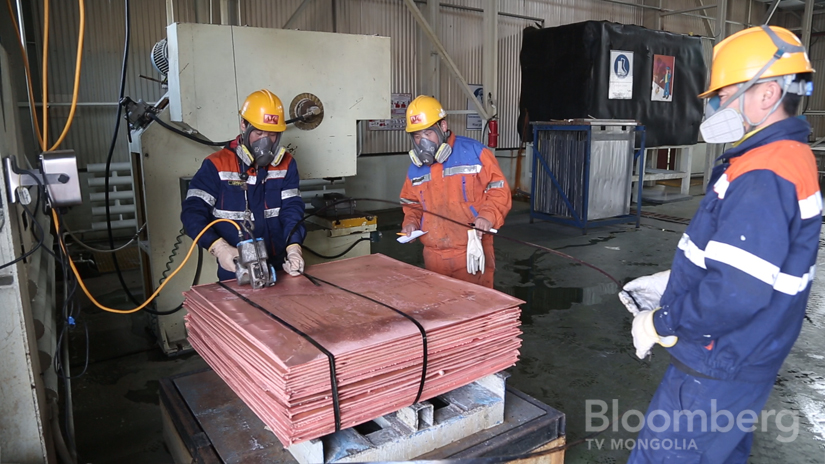
Business confidence index shows optimistic results www.montsame.mn
Ulaanbaatar /MONTSAME/ According to a survey conducted by the Mongolian National Chamber of Commerce and Industry (MNCCI), Business Confidence Index 2018 had shown optimistic results or 0.47 for the first time.
Comparing the index with 2017, it was upped by 0.79 points. Optimistic results of the business confidence index can be linked to economic growth, especially, implementation of biggest projects, notes the chamber.
54 percent of total businessmen who participated in the survey concluded general situation of business environment has been improved from the previous year while 24 percent of them considered macro economic situation has been improved.
Sum of profit and incomes, the real indicator to measure business environment, has showed an increase of 25 points in 2017 while in 2018, 58 percent of businessmen answered business profit has been raised by certain amount comparing to the previous year.
As for investment, positive estimation of 2018 has been grown up by 20 points. Whereas, expectation on investment to be made in 2019 has been lowered by one point comparing with the previous year.
Short-term, high-interest loans, and policy instability have being named as the encountering issues in business environment in 2018 and the problems are still remained same with the previous year.
Since 2000, the MNCCI conducts Business Confidence Index survey which aims to assess businessmen’s confidence on business environment by reviewing status and further changes of businessmen and citizens’ expectations with indicators such us general situation of business environment, income of enterprises, major problems of macro economy, favored and ill-favored factors to business environment and challenges.
The survey involved a total of 845 businessmen in Ulaanbaatar city and rural areas having questionnaires in interview and online forms between April and June 2019.

Fitch affirms Mongolia at 'B'; Outlook Stable www.montsame.mn
Ulaanbaatar /MONTSAME/ On July 4, Fitch Ratings has affirmed Mongolia's Long-Term Foreign-Currency Issuer Default Rating (IDR) at 'B' with a Stable Outlook.
Mongolia's ratings are supported by the country's robust growth outlook, improving fiscal metrics, and strong governance indicators. The ratings are constrained by Mongolia's narrow economic base, low external buffers, and a volatile political landscape, which can lead to sharp changes in economic policy and increases the likelihood of economic shocks.
The budget surplus was recorded at 2.6 percent of GDP in 2018, well above both the approved budget and Fitch's prior expectations. Budget outturns through end-May 2019 point to robust revenue and expenditure growth, even in the absence of new revenue-enhancing measures, which Fitch believes are consistent with the budget remaining broadly in balance in 2019. The prospect for continued fiscal outperformance into next year is considerably less certain amid a recent history of sharp increases in spending ahead of parliamentary elections, which are due to be held in mid-2020. Fitch forecasts the fiscal deficit to widen to 4 percent in 2020, above the authorities' projection of 2 percent, though we think there may be greater downside risks to the forecast owing to the political cycle.
Strong budget outturns combined with a robust economic recovery that started in early 2017 have led to a sharp decline in gross general government debt (GGGD). Fitch forecasts GGGD will fall to 60 percent of GDP by end-2019 from 70 percent a year earlier, below a peak of 93 percent in 2016. The agency's baseline forecasts continue to point to a gradual downward path for Mongolia's public debt dynamics post-2020, but our assumption for higher fiscal deficits implies GGGD will remain above the historical 'B' median of 49 percent for the foreseeable future.
The IMF has yet to conclude its sixth review of Mongolia's three-year Extended Fund Facility since late-2018 due to the outstanding completion of two prior actions pertaining to the asset quality review (AQR) of the financial sector. The IMF Article IV end-of-mission press release in June 2019 highlighted Mongolia's progress in strengthening its economic resilience, while underscoring the country's still insufficient buffers to withstand future external shocks.
External buffers have continued to strengthen, despite the delay of some IMF programme-linked disbursements. Foreign reserves were USD3.7 billion by end-May 2019, up from USD3.3 billion a year prior, and more than triple their value in early 2017. Fitch estimates foreign reserves are now equivalent to roughly 4.4x current-external payments, which puts Mongolia ahead of the 'B' median of 3.8x, and roughly on par with the 'BB' median of 4.3x, though a considerable proportion of outstanding reserves could be viewed as encumbered due to a CNY15 billion (USD2.1 billion) swap arrangement with the People's Bank of China.
Real GDP growth accelerated to 8.6 percent in 1Q19 from 6.7 percent in 2018. The strong growth performance has been in large part due to capital expenditure linked to the ongoing development of the underground phase of the Oyu Tolgoi copper mine, for which sustainable first production has been delayed until late 2021 or 2022. Fitch forecasts GDP growth of 7 percent in 2019 and 6 percent in 2020, broadly in line with the authorities' Medium Term Fiscal Framework assumptions, and considerably above the 'B' median of 3 percent.
source: fitchratings.com
...
Mongolia Awaits Star Players in 2022 World Cup Qualifying By The Associated Press www.nytimes.com
ULAANBAATAR, Mongolia — European glamor teams such as Manchester United and Real Madrid do not visit Mongolia on lucrative preseason tours, but this oft-forgotten Asian soccer outpost is about to get a taste of the big time on the qualifying road to the 2022 World Cup.
Soccer is far from the most popular sport in Mongolia but that may start to change after the country was drawn Wednesday with its first-ever appearance in the second round of World Cup qualifying with matches against Japan.
That could mean a visit from Shinji Kagawa on March 31 and other players on the side who compete in the top European leagues.
Kagawa is one of the few public signs of the sport on the congested streets of Ulaanbaatar, home to around half of the country's population of three million. The Borussia Dortmund player beams down from billboards that advertise the partnership between the German club and Mongolian Airlines.
"To play a big team like Japan will be very meaningful for Mongolia," national team coach Michael Weiss told The Associated Press. "Football is not a very big thing in Mongolia though there is interest and it is becoming more fashionable."
"Such a game will help promote the sport in a country without genuine professional clubs. More interest and then sponsors come on board then so does the government and then there is progress."
Mongolia, ranked 187th in the world, edged past Brunei in the first round in June to earn a place in Group F in the second round and eight much-needed competitive games. The climax will come against Japan. The Samurai Blue, ranked 28th, reached the last 16 of the 2018 World Cup.
They will likely face sub-zero temperatures even at the end of March. The harsh Mongolian climate sees long winters with the mercury ranging from between -20 Celsius (-4 Fahrenheit) to -40C (-40F) and does not lend itself to soccer. Archery, horse racing and wrestling are all more popular.
"Of course, the climate makes it hard but even in terms of facilities and general conditions we are far behind the rest of Asia," Weiss said. "I am not talking about Japan, China or South Korea but places like Bangladesh and Laos —these are the countries we have to compete with."
In order to do so, the other six games in the group are as important as the meetings with Japan. The second stage kicks off on Sept. 5 with a home game with Myanmar before meetings with Tajikistan and Kyrgyzstan.
Had Mongolia lost to Brunei in June then there would be no group stage and no competitive games at all until 2023.
"We would have been out of the picture for a long time if we had lost to Brunei," said Weiss, a veteran manager from Germany who was appointed to the Mongolian role in 2017. "That would have been very bad for us. We need these games so we can get the players together and we can help them develop."
Only the eight group winners and the four best second-place teams progress to the next stage where Asia's four automatic World Cup spots are up for grabs. That is the target for Japan, but for Mongolia the situation is a little more modest.
"We know that we are not going to be one of the 12 teams that go to the next stage but this is the start of a process for us," Weiss said. "We have put the train on the tracks and now we can start moving forward."
...
AI still 'has a long way to go' www.chinadaily.com.cn
Development of the artificial intelligence industry still has a long way to go before it can become "real intelligence" and be applied in various sectors, industry experts and market insiders said.
"At the present time, AI is still at the stage of machine learning. It is now driven by data," said Zhang Zhengyou, director of AI Lab & Robotics X at internet conglomerate Tencent.
"A key issue that needs to be addressed for AI development is how to utilize the technology so that machines can know and understand people better," he explained.
He made the remarks at the 2019 Global Artificial Intelligence and Robotics Summit held in Shenzhen from Friday to Sunday.
China is stepping up efforts to develop the AI industry as part of the nation's broader drive to become a global leader in the sector.
The country's technology companies including Tencent, Alibaba and Baidu are competing to gain a foothold in AI as the new technology integrates deeper and deeper into various industries.
"AI is bringing fresh vitality to various industries. It will bring a new technological revolution and unleash enormous energy, pushing forward the world's progress," said Xu Yangsheng, an academician at the Chinese Academy of Engineering.
So far, AI has been used in just a few industries such as finance and security so there is enormous room for industry players to explore, Xu added.
Zhang said Tencent's AI Lab is focusing on applying AI to video games, where the internet giant excels. In addition, the lab is also working on the integration of AI with the agriculture and medical service industries.
"As different industries have different ways to take advantage of AI technology, the application may vary a lot. That's why the current level of the technology is not mature and diversified enough to offer support," said Wen Hao, co-founder of AI startup CloudWalk Technology. "There is still a long way to go before the large-scale application of the technology."
"For example, the financial industry requires a high accuracy rate, while for the security industry, the capability of a quick search is a must. So our major challenge is how to make AI better serve industries and how to make it individualized," he said.
Wen also stressed the importance of privacy in the process, saying that laws and data protection standards have to catch up with rapid technological development.
The Internet Society of China said in a report that there were 3,341 AI enterprises in the nation at the end of last year, accounting for more than 20 percent of the world's total.
The market size of the local AI industry is expected to reach 50 billion yuan ($7.3 billion) by the end of this year and hit 71 billion yuan in 2020, from 33.9 billion yuan last year. The growth represents a 52.8 percent year-on-year rise compared with the same period of an earlier year ago.
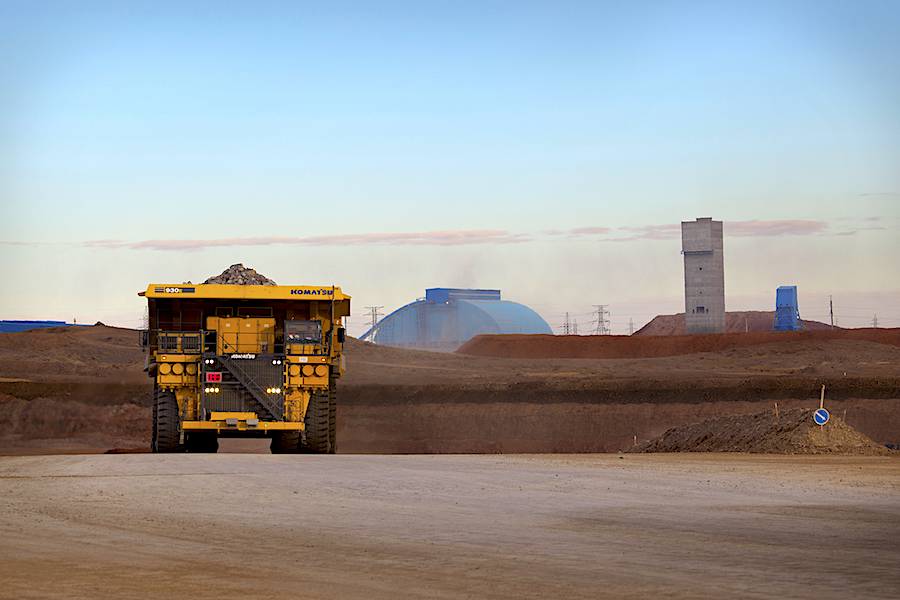
Turquoise Hill’s stock tanks on Mongolia troubles www.mining.com
Turquoise Hill’s (NSYE: TRQ) stock tanked over 42% on Tuesday, after releasing its Q2 2019 report, revealing costs for the expansion of its Oyu Tolgoi mine could increase by up to $1.9 billion.
The estimated cost was initially pegged at $5.3 billion. Oyu Tolgoi is the Vancouver-based company’s only asset.
Turquoise Hill is owned 50.8% by mining giant Rio Tinto. Rio issued a separate statement Tuesday, saying difficult ground conditions could raise the estimated costs of the copper-gold mine’s expansion, and warning the project could be delayed potentially over two years.
First production is now expected between May 2022 and June 2023.
On a trading day that saw volume reach 49.8 million on the Nasdaq, nearly 10 times the average volume, Turquoise Hill’s value was pushed down to $1.2 billion.
It is an all-time low for the company, whose market capitalization once sat at over $6 billion.
Mongolia Adopts OECD's Three-Tiered Transfer Pricing Documentation www.mondaq.com
Following the announcement that it has joined the Inclusive Framework on BEPS1, the Mongolian Parliament has revised its transfer pricing regulations contained in General Taxation Law ("Revised GTL") and associated guidelines, which adopts the three-tiered transfer pricing documentation requirement to align with the recommendations from OECD BEPS Action 13.
Highlights of the revised GTL include:
Related party definition – the Revised GTL retains the existing threshold for related party relationships at 20% i.e. holding at least 20% ownership (directly or indirectly) in the shares or business profits of another entity. Moreover, two entities may be considered as related parties in certain arrangements which share a common position or common interest.
Transfer pricing documentation requirements – the Revised GTL requires taxpayers with related party transactions to prepare three-tiered transfer pricing documentation (i.e. Master File, Local File, and Country-by-Country Report) with the exemptions listed below:
A multinational corporation ("MNE") with consolidated group revenue below Mongolian Tughrik ("MNT") 6 billion (approximately USD 2.25 million as of the date of this publication) is exempted from preparing the Master File and Local File; and
An MNE with consolidated group revenue below MNT 7.1 trillion (approximately USD 640 million as of the date of this publication) is exempted from preparing the Country-by Country Report.
Administrative penalties – if transfer pricing documentation is not submitted to the Mongolian Tax Authority when requested, the Tax Authority may impose penalties of 2%-4% of transaction value, in addition to any transfer pricing adjustment.
As the Revised GTL will take effect from January 1, 2020, it is expected that the Mongolian Tax Authority will soon issue transfer pricing implementation guidelines, which are expected to be broadly in line with the OECD Transfer Pricing Guidelines. Therefore, we strongly recommend that MNEs with operations in Mongolia undertake a transfer pricing review and follow the upcoming implementation guidelines to ensure they are able to meet their compliance obligations and manage their overall transfer pricing risk.

High-speed railway to link Inner Mongolia, Beijing www.xinhuanet.com
HOHHOT, July 16 (Xinhua) -- A new high-speed railway linking Hohhot, capital of northern China's Inner Mongolia Autonomous Region and Zhangjiakou, the co-host city of the Beijing 2022 Winter Olympics, will become operational by year-end.
It will also be the first time Hohhot and Beijing are linked together by high-speed rail service as the new railroad can connect with the Beijing-Zhangjiakou intercity railway, according to the China Railway Hohhot Group Tuesday.
The travel time between Hohhot and Beijing, about 500 km apart, is expected to be shortened to about three hours with the launch of the new service.
Construction of the Hohhot-Zhangjiakou high-speed railway, stretching 286.8 km, began in April 2014. It has a designed speed of 250 kph. The section between Hohhot and Ulanqab within the region went into operation in August 2017.
Railroad construction in Inner Mongolia registered fast growth in recent years. The region welcomed its first electric multi-unit train in January 2015, and in December 2018, launched the first trans-regional high-speed railway service.
The region now has over 14,000 km of railway under operation, the longest in China.

Rio Tint Q2 Iron Ore Shipments Down 3%; Says Mongolia Copper Mine To Cost More www.markets.businessinsider.com
(RTTNews) - Anglo-Australian mining giant Rio Tinto Plc (RTNTF, RIO, RIO.L, RTPPF) reported that Pilbara iron ore shipments in the second quarter were 3% lower than last year, due to recovery works following Tropical Cyclone Veronica. It reaffirmed its full-year shipment guidance.
The estimated cost of the company's underground copper mine in Mongolia increased up to $1.9 billion, and its first sustainable production could now be delayed by 16-30 months as mine design complications at the Oyu Tolgoi underground copper project, Rio Tinto said in a statement.
Meanwhile, Rio Tinto reported that Pilbara iron ore shipments of 85.4 million tonnes--100% basis-- in the second quarter were 3% lower than the second quarter of 2018. The shipments were impacted in April due to recovery works following Tropical Cyclone Veronica.
Rio Tinto said in June that it reduced Pilbara iron ore shipments guidance for fiscal year 2019 to a range of 320 million tonnes - 330 million tonnes from the previous outlook of 333 million tonnes - 343 million tonnes. But the company today reaffirmed its full-year shipment guidance.
The company said that Pilbara operations produced 79.7 million tonnes of iron ore in the second quarter, seven per cent lower than the previous year. Bauxite production of 13.4 million tonnes in the second quarter was 1% higher than the same period of 2018.
Aluminium production of 0.8 million tonnes was in line with the second quarter of 2018.
Rio Tinto, in an update on the schedule and cost of the Oyu Tolgoi underground project in Mongolia, said that enhanced geotechnical information and data modelling suggested that there may be some stability risks identified with the approved mine design and so a number of other mine design options are also under consideration to complete the Project.
Preliminary information now suggested that, depending on which mine design options are adopted, first sustainable production could be achieved between May 2022 and June 2023, a delay of 16 to 30 months compared to the original feasibility study guidance in 2016.
Rio Tinto now estimates the capital spend for the Oyu Tolgoi underground project to be $6.5 billion to $7.2 billion, an increase of $1.2 billion to $1.9 billion from the $5.3 billion previously disclose.
Separately, Rio Tinto said it completed the sale of its entire interest in the Rössing uranium mine in Namibia to China National Uranium Corporation Limited for an initial cash payment of $6.5 million plus a contingent payment of up to $100 million.
- «
- 1
- 2
- 3
- 4
- 5
- 6
- 7
- 8
- 9
- 10
- 11
- 12
- 13
- 14
- 15
- 16
- 17
- 18
- 19
- 20
- 21
- 22
- 23
- 24
- 25
- 26
- 27
- 28
- 29
- 30
- 31
- 32
- 33
- 34
- 35
- 36
- 37
- 38
- 39
- 40
- 41
- 42
- 43
- 44
- 45
- 46
- 47
- 48
- 49
- 50
- 51
- 52
- 53
- 54
- 55
- 56
- 57
- 58
- 59
- 60
- 61
- 62
- 63
- 64
- 65
- 66
- 67
- 68
- 69
- 70
- 71
- 72
- 73
- 74
- 75
- 76
- 77
- 78
- 79
- 80
- 81
- 82
- 83
- 84
- 85
- 86
- 87
- 88
- 89
- 90
- 91
- 92
- 93
- 94
- 95
- 96
- 97
- 98
- 99
- 100
- 101
- 102
- 103
- 104
- 105
- 106
- 107
- 108
- 109
- 110
- 111
- 112
- 113
- 114
- 115
- 116
- 117
- 118
- 119
- 120
- 121
- 122
- 123
- 124
- 125
- 126
- 127
- 128
- 129
- 130
- 131
- 132
- 133
- 134
- 135
- 136
- 137
- 138
- 139
- 140
- 141
- 142
- 143
- 144
- 145
- 146
- 147
- 148
- 149
- 150
- 151
- 152
- 153
- 154
- 155
- 156
- 157
- 158
- 159
- 160
- 161
- 162
- 163
- 164
- 165
- 166
- 167
- 168
- 169
- 170
- 171
- 172
- 173
- 174
- 175
- 176
- 177
- 178
- 179
- 180
- 181
- 182
- 183
- 184
- 185
- 186
- 187
- 188
- 189
- 190
- 191
- 192
- 193
- 194
- 195
- 196
- 197
- 198
- 199
- 200
- 201
- 202
- 203
- 204
- 205
- 206
- 207
- 208
- 209
- 210
- 211
- 212
- 213
- 214
- 215
- 216
- 217
- 218
- 219
- 220
- 221
- 222
- 223
- 224
- 225
- 226
- 227
- 228
- 229
- 230
- 231
- 232
- 233
- 234
- 235
- 236
- 237
- 238
- 239
- 240
- 241
- 242
- 243
- 244
- 245
- 246
- 247
- 248
- 249
- 250
- 251
- 252
- 253
- 254
- 255
- 256
- 257
- 258
- 259
- 260
- 261
- 262
- 263
- 264
- 265
- 266
- 267
- 268
- 269
- 270
- 271
- 272
- 273
- 274
- 275
- 276
- 277
- 278
- 279
- 280
- 281
- 282
- 283
- 284
- 285
- 286
- 287
- 288
- 289
- 290
- 291
- 292
- 293
- 294
- 295
- 296
- 297
- 298
- 299
- 300
- 301
- 302
- 303
- 304
- 305
- 306
- 307
- 308
- 309
- 310
- 311
- 312
- 313
- 314
- 315
- 316
- 317
- 318
- 319
- 320
- 321
- 322
- 323
- 324
- 325
- 326
- 327
- 328
- 329
- 330
- 331
- 332
- 333
- 334
- 335
- 336
- 337
- 338
- 339
- 340
- 341
- 342
- 343
- 344
- 345
- 346
- 347
- 348
- 349
- 350
- 351
- 352
- 353
- 354
- 355
- 356
- 357
- 358
- 359
- 360
- 361
- 362
- 363
- 364
- 365
- 366
- 367
- 368
- 369
- 370
- 371
- 372
- 373
- 374
- 375
- 376
- 377
- 378
- 379
- 380
- 381
- 382
- 383
- 384
- 385
- 386
- 387
- 388
- 389
- 390
- 391
- 392
- 393
- 394
- 395
- 396
- 397
- 398
- 399
- 400
- 401
- 402
- 403
- 404
- 405
- 406
- 407
- 408
- 409
- 410
- 411
- 412
- 413
- 414
- 415
- 416
- 417
- 418
- 419
- 420
- 421
- 422
- 423
- 424
- 425
- 426
- 427
- 428
- 429
- 430
- 431
- 432
- 433
- 434
- 435
- 436
- 437
- 438
- 439
- 440
- 441
- 442
- 443
- 444
- 445
- 446
- 447
- 448
- 449
- 450
- 451
- 452
- 453
- 454
- 455
- 456
- 457
- 458
- 459
- 460
- 461
- 462
- 463
- 464
- 465
- 466
- 467
- 468
- 469
- 470
- 471
- 472
- 473
- 474
- 475
- 476
- 477
- 478
- 479
- 480
- 481
- 482
- 483
- 484
- 485
- 486
- 487
- 488
- 489
- 490
- 491
- 492
- 493
- 494
- 495
- 496
- 497
- 498
- 499
- 500
- 501
- 502
- 503
- 504
- 505
- 506
- 507
- 508
- 509
- 510
- 511
- 512
- 513
- 514
- 515
- 516
- 517
- 518
- 519
- 520
- 521
- 522
- 523
- 524
- 525
- 526
- 527
- 528
- 529
- 530
- 531
- 532
- 533
- 534
- 535
- 536
- 537
- 538
- 539
- 540
- 541
- 542
- 543
- 544
- 545
- 546
- 547
- 548
- 549
- 550
- 551
- 552
- 553
- 554
- 555
- 556
- 557
- 558
- 559
- 560
- 561
- 562
- 563
- 564
- 565
- 566
- 567
- 568
- 569
- 570
- 571
- 572
- 573
- 574
- 575
- 576
- 577
- 578
- 579
- 580
- 581
- 582
- 583
- 584
- 585
- 586
- 587
- 588
- 589
- 590
- 591
- 592
- 593
- 594
- 595
- 596
- 597
- 598
- 599
- 600
- 601
- 602
- 603
- 604
- 605
- 606
- 607
- 608
- 609
- 610
- 611
- 612
- 613
- 614
- 615
- 616
- 617
- 618
- 619
- 620
- 621
- 622
- 623
- 624
- 625
- 626
- 627
- 628
- 629
- 630
- 631
- 632
- 633
- 634
- 635
- 636
- 637
- 638
- 639
- 640
- 641
- 642
- 643
- 644
- 645
- 646
- 647
- 648
- 649
- 650
- 651
- 652
- 653
- 654
- 655
- 656
- 657
- 658
- 659
- 660
- 661
- 662
- 663
- 664
- 665
- 666
- 667
- 668
- 669
- 670
- 671
- 672
- 673
- 674
- 675
- 676
- 677
- 678
- 679
- 680
- 681
- 682
- 683
- 684
- 685
- 686
- 687
- 688
- 689
- 690
- 691
- 692
- 693
- 694
- 695
- 696
- 697
- 698
- 699
- 700
- 701
- 702
- 703
- 704
- 705
- 706
- 707
- 708
- 709
- 710
- 711
- 712
- 713
- 714
- 715
- 716
- 717
- 718
- 719
- 720
- 721
- 722
- 723
- 724
- 725
- 726
- 727
- 728
- 729
- 730
- 731
- 732
- 733
- 734
- 735
- 736
- 737
- 738
- 739
- 740
- 741
- 742
- 743
- 744
- 745
- 746
- 747
- 748
- 749
- 750
- 751
- 752
- 753
- 754
- 755
- 756
- 757
- 758
- 759
- 760
- 761
- 762
- 763
- 764
- 765
- 766
- 767
- 768
- 769
- 770
- 771
- 772
- 773
- 774
- 775
- 776
- 777
- 778
- 779
- 780
- 781
- 782
- 783
- 784
- 785
- 786
- 787
- 788
- 789
- 790
- 791
- 792
- 793
- 794
- 795
- 796
- 797
- 798
- 799
- 800
- 801
- 802
- 803
- 804
- 805
- 806
- 807
- 808
- 809
- 810
- 811
- 812
- 813
- 814
- 815
- 816
- 817
- 818
- 819
- 820
- 821
- 822
- 823
- 824
- 825
- 826
- 827
- 828
- 829
- 830
- 831
- 832
- 833
- 834
- 835
- 836
- 837
- 838
- 839
- 840
- 841
- 842
- 843
- 844
- 845
- 846
- 847
- 848
- 849
- 850
- 851
- 852
- 853
- 854
- 855
- 856
- 857
- 858
- 859
- 860
- 861
- 862
- 863
- 864
- 865
- 866
- 867
- 868
- 869
- 870
- 871
- 872
- 873
- 874
- 875
- 876
- 877
- 878
- 879
- 880
- 881
- 882
- 883
- 884
- 885
- 886
- 887
- 888
- 889
- 890
- 891
- 892
- 893
- 894
- 895
- 896
- 897
- 898
- 899
- 900
- 901
- 902
- 903
- 904
- 905
- 906
- 907
- 908
- 909
- 910
- 911
- 912
- 913
- 914
- 915
- 916
- 917
- 918
- 919
- 920
- 921
- 922
- 923
- 924
- 925
- 926
- 927
- 928
- 929
- 930
- 931
- 932
- 933
- 934
- 935
- 936
- 937
- 938
- 939
- 940
- 941
- 942
- 943
- 944
- 945
- 946
- 947
- 948
- 949
- 950
- 951
- 952
- 953
- 954
- 955
- 956
- 957
- 958
- 959
- 960
- 961
- 962
- 963
- 964
- 965
- 966
- 967
- 968
- 969
- 970
- 971
- 972
- 973
- 974
- 975
- 976
- 977
- 978
- 979
- 980
- 981
- 982
- 983
- 984
- 985
- 986
- 987
- 988
- 989
- 990
- 991
- 992
- 993
- 994
- 995
- 996
- 997
- 998
- 999
- 1000
- 1001
- 1002
- 1003
- 1004
- 1005
- 1006
- 1007
- 1008
- 1009
- 1010
- 1011
- 1012
- 1013
- 1014
- 1015
- 1016
- 1017
- 1018
- 1019
- 1020
- 1021
- 1022
- 1023
- 1024
- 1025
- 1026
- 1027
- 1028
- 1029
- 1030
- 1031
- 1032
- 1033
- 1034
- 1035
- 1036
- 1037
- 1038
- 1039
- 1040
- 1041
- 1042
- 1043
- 1044
- 1045
- 1046
- 1047
- 1048
- 1049
- 1050
- 1051
- 1052
- 1053
- 1054
- 1055
- 1056
- 1057
- 1058
- 1059
- 1060
- 1061
- 1062
- 1063
- 1064
- 1065
- 1066
- 1067
- 1068
- 1069
- 1070
- 1071
- 1072
- 1073
- 1074
- 1075
- 1076
- 1077
- 1078
- 1079
- 1080
- 1081
- 1082
- 1083
- 1084
- 1085
- 1086
- 1087
- 1088
- 1089
- 1090
- 1091
- 1092
- 1093
- 1094
- 1095
- 1096
- 1097
- 1098
- 1099
- 1100
- 1101
- 1102
- 1103
- 1104
- 1105
- 1106
- 1107
- 1108
- 1109
- 1110
- 1111
- 1112
- 1113
- 1114
- 1115
- 1116
- 1117
- 1118
- 1119
- 1120
- 1121
- 1122
- 1123
- 1124
- 1125
- 1126
- 1127
- 1128
- 1129
- 1130
- 1131
- 1132
- 1133
- 1134
- 1135
- 1136
- 1137
- 1138
- 1139
- 1140
- 1141
- 1142
- 1143
- 1144
- 1145
- 1146
- 1147
- 1148
- 1149
- 1150
- 1151
- 1152
- 1153
- 1154
- 1155
- 1156
- 1157
- 1158
- 1159
- 1160
- 1161
- 1162
- 1163
- 1164
- 1165
- 1166
- 1167
- 1168
- 1169
- 1170
- 1171
- 1172
- 1173
- 1174
- 1175
- 1176
- 1177
- 1178
- 1179
- 1180
- 1181
- 1182
- 1183
- 1184
- 1185
- 1186
- 1187
- 1188
- 1189
- 1190
- 1191
- 1192
- 1193
- 1194
- 1195
- 1196
- 1197
- 1198
- 1199
- 1200
- 1201
- 1202
- 1203
- 1204
- 1205
- 1206
- 1207
- 1208
- 1209
- 1210
- 1211
- 1212
- 1213
- 1214
- 1215
- 1216
- 1217
- 1218
- 1219
- 1220
- 1221
- 1222
- 1223
- 1224
- 1225
- 1226
- 1227
- 1228
- 1229
- 1230
- 1231
- 1232
- 1233
- 1234
- 1235
- 1236
- 1237
- 1238
- 1239
- 1240
- 1241
- 1242
- 1243
- 1244
- 1245
- 1246
- 1247
- 1248
- 1249
- 1250
- 1251
- 1252
- 1253
- 1254
- 1255
- 1256
- 1257
- 1258
- 1259
- 1260
- 1261
- 1262
- 1263
- 1264
- 1265
- 1266
- 1267
- 1268
- 1269
- 1270
- 1271
- 1272
- 1273
- 1274
- 1275
- 1276
- 1277
- 1278
- 1279
- 1280
- 1281
- 1282
- 1283
- 1284
- 1285
- 1286
- 1287
- 1288
- 1289
- 1290
- 1291
- 1292
- 1293
- 1294
- 1295
- 1296
- 1297
- 1298
- 1299
- 1300
- 1301
- 1302
- 1303
- 1304
- 1305
- 1306
- 1307
- 1308
- 1309
- 1310
- 1311
- 1312
- 1313
- 1314
- 1315
- 1316
- 1317
- 1318
- 1319
- 1320
- 1321
- 1322
- 1323
- 1324
- 1325
- 1326
- 1327
- 1328
- 1329
- 1330
- 1331
- 1332
- 1333
- 1334
- 1335
- 1336
- 1337
- 1338
- 1339
- 1340
- 1341
- 1342
- 1343
- 1344
- 1345
- 1346
- 1347
- 1348
- 1349
- 1350
- 1351
- 1352
- 1353
- 1354
- 1355
- 1356
- 1357
- 1358
- 1359
- 1360
- 1361
- 1362
- 1363
- 1364
- 1365
- 1366
- 1367
- 1368
- 1369
- 1370
- 1371
- 1372
- 1373
- 1374
- 1375
- 1376
- 1377
- 1378
- 1379
- 1380
- 1381
- 1382
- 1383
- 1384
- 1385
- 1386
- 1387
- 1388
- 1389
- 1390
- 1391
- 1392
- 1393
- 1394
- 1395
- 1396
- 1397
- 1398
- 1399
- 1400
- 1401
- 1402
- 1403
- 1404
- 1405
- 1406
- 1407
- 1408
- 1409
- 1410
- 1411
- 1412
- 1413
- 1414
- 1415
- 1416
- 1417
- 1418
- 1419
- 1420
- 1421
- 1422
- 1423
- 1424
- 1425
- 1426
- 1427
- 1428
- 1429
- 1430
- 1431
- 1432
- 1433
- 1434
- 1435
- 1436
- 1437
- 1438
- 1439
- 1440
- 1441
- 1442
- 1443
- 1444
- 1445
- 1446
- 1447
- 1448
- 1449
- 1450
- 1451
- 1452
- 1453
- 1454
- 1455
- 1456
- 1457
- 1458
- 1459
- 1460
- 1461
- 1462
- 1463
- 1464
- 1465
- 1466
- 1467
- 1468
- 1469
- 1470
- 1471
- 1472
- 1473
- 1474
- 1475
- 1476
- 1477
- 1478
- 1479
- 1480
- 1481
- 1482
- 1483
- 1484
- 1485
- 1486
- 1487
- 1488
- 1489
- 1490
- 1491
- 1492
- 1493
- 1494
- 1495
- 1496
- 1497
- 1498
- 1499
- 1500
- 1501
- 1502
- 1503
- 1504
- 1505
- 1506
- 1507
- 1508
- 1509
- 1510
- 1511
- 1512
- 1513
- 1514
- 1515
- 1516
- 1517
- 1518
- 1519
- 1520
- 1521
- 1522
- 1523
- 1524
- 1525
- 1526
- 1527
- 1528
- 1529
- 1530
- 1531
- 1532
- 1533
- 1534
- 1535
- 1536
- 1537
- 1538
- 1539
- 1540
- 1541
- 1542
- 1543
- 1544
- 1545
- 1546
- 1547
- 1548
- 1549
- 1550
- 1551
- 1552
- 1553
- 1554
- 1555
- 1556
- 1557
- 1558
- 1559
- 1560
- 1561
- 1562
- 1563
- 1564
- 1565
- 1566
- 1567
- 1568
- 1569
- 1570
- 1571
- 1572
- 1573
- 1574
- 1575
- 1576
- 1577
- 1578
- 1579
- 1580
- 1581
- 1582
- 1583
- 1584
- 1585
- 1586
- 1587
- 1588
- 1589
- 1590
- 1591
- 1592
- 1593
- 1594
- 1595
- 1596
- 1597
- 1598
- 1599
- 1600
- 1601
- 1602
- 1603
- 1604
- 1605
- 1606
- 1607
- 1608
- 1609
- 1610
- 1611
- 1612
- 1613
- 1614
- 1615
- 1616
- 1617
- 1618
- 1619
- 1620
- 1621
- 1622
- 1623
- 1624
- 1625
- 1626
- 1627
- 1628
- 1629
- 1630
- 1631
- 1632
- 1633
- 1634
- 1635
- 1636
- 1637
- 1638
- 1639
- 1640
- 1641
- 1642
- 1643
- 1644
- 1645
- 1646
- 1647
- 1648
- 1649
- 1650
- 1651
- 1652
- 1653
- 1654
- 1655
- 1656
- 1657
- 1658
- 1659
- 1660
- 1661
- 1662
- 1663
- 1664
- 1665
- 1666
- 1667
- 1668
- 1669
- 1670
- 1671
- 1672
- 1673
- 1674
- 1675
- 1676
- 1677
- 1678
- 1679
- 1680
- 1681
- 1682
- 1683
- 1684
- 1685
- 1686
- 1687
- 1688
- 1689
- 1690
- 1691
- 1692
- 1693
- 1694
- 1695
- 1696
- 1697
- 1698
- 1699
- 1700
- 1701
- 1702
- 1703
- 1704
- 1705
- 1706
- 1707
- 1708
- 1709
- 1710
- 1711
- 1712
- 1713
- 1714
- 1715
- 1716
- 1717
- 1718
- 1719
- 1720
- 1721
- 1722
- 1723
- 1724
- 1725
- 1726
- 1727
- 1728
- 1729
- 1730
- 1731
- 1732
- 1733
- 1734
- 1735
- 1736
- 1737
- 1738
- 1739
- 1740
- 1741
- 1742
- 1743
- 1744
- 1745
- 1746
- 1747
- 1748
- 1749
- 1750
- 1751
- 1752
- 1753
- 1754
- 1755
- 1756
- 1757
- 1758
- 1759
- 1760
- 1761
- 1762
- 1763
- 1764
- 1765
- 1766
- 1767
- 1768
- 1769
- 1770
- 1771
- 1772
- 1773
- 1774
- 1775
- 1776
- 1777
- 1778
- 1779
- 1780
- 1781
- 1782
- 1783
- 1784
- 1785
- 1786
- 1787
- 1788
- 1789
- 1790
- 1791
- 1792
- 1793
- 1794
- 1795
- 1796
- 1797
- 1798
- 1799
- 1800
- 1801
- 1802
- 1803
- 1804
- 1805
- 1806
- 1807
- 1808
- 1809
- 1810
- 1811
- 1812
- 1813
- 1814
- 1815
- 1816
- 1817
- 1818
- 1819
- 1820
- 1821
- »


